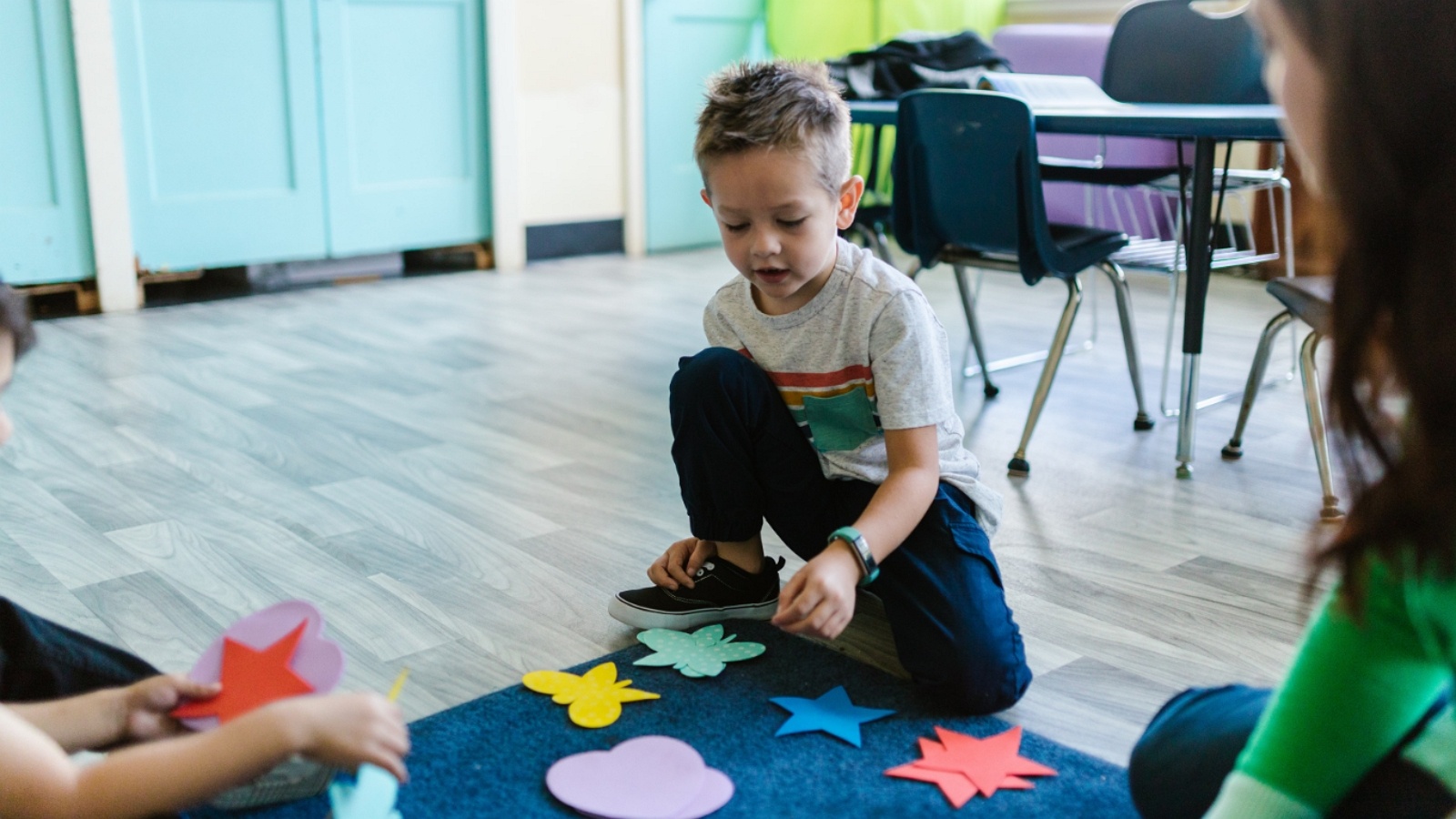

Best Healthy Screen Habits In 2026






Parents today face the challenge of managing children's screen use while ensuring it supports development instead of distracting from it. The best healthy screen habits in 2026 emphasize balance, purposeful activities, and content that builds skills like focus, creativity, and emotional awareness. In 2026, the shift is toward high-quality experiences that turn potential screen concerns into opportunities for growth.
To support these healthy screen habits, parents can turn to quality educational content such as the best memory games for kids and the best brain games for kids that strengthen cognitive skills through engaging play. Choosing the best safe kids games provides peace of mind, while the best emotional games for kids nurture empathy and emotional intelligence, helping transform screen time into meaningful developmental opportunities in 2026.
Ready to give your child screen time you can feel good about? Discover more at TutoClub.
Understanding Modern Screen Time Guidelines

Experts now prioritize the quality of screen interactions over rigid limits. The American Academy of Pediatrics encourages families to consider how content adds value through the 5 Cs framework: child, content, calm, crowding out other activities, and communication. This approach helps parents select experiences that fit their child's age and needs while protecting sleep, physical activity, and family time. Many families create consistent routines, such as device-free meals or zones in bedrooms, to support overall well-being.
Within the 5 Cs framework, families can prioritize high-value content by choosing the best English learning apps for kids, the best problem-solving games for kids, the best confidence building games, and the best emotional games for kids. These thoughtfully designed experiences support language development, critical thinking, self-esteem, and emotional intelligence while aligning perfectly with a balanced, purposeful approach to screen time.
Practical Strategies for Building Healthy Screen Habits
Effective habits start with clear family agreements on when and how screens fit into daily life. Co-viewing or co-playing allows parents to discuss what kids experience, turning passive time into shared moments. Short breaks after focused sessions help prevent eye strain and maintain energy levels.
Encouraging a mix of activities ensures screens complement rather than replace outdoor play, reading, or hands-on exploration. Many parents model balanced use by limiting their own device time during key family periods. Platforms with educational games support these strategies by offering content built for purposeful play. Families often notice improved focus and creativity when kids engage with thoughtfully safe apps.
Best Healthy Screen Habits In 2026
1. TutoClub - Best Healthy Screen Habits In 2026
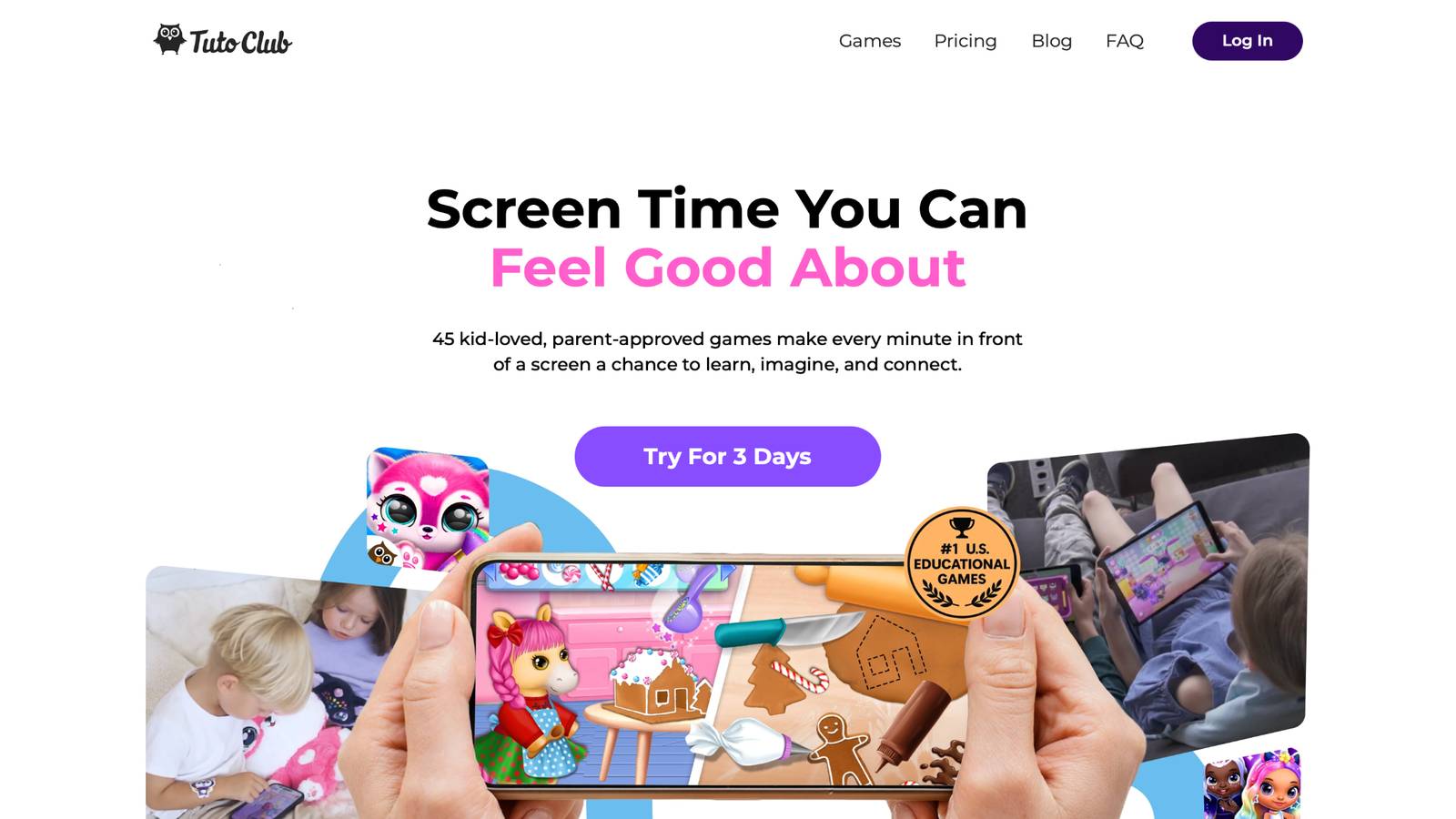
TutoClub games deliver a complete subscription service with over 45 ad-free titles created by the TutoTOONS studio based in Lithuania. This platform transforms screen time into enriching adventures that nurture creativity through art and storytelling tasks while sharpening focus via thoughtful puzzles. Children build emotional awareness as they practice empathy and compassion in caring scenarios, and they develop responsibility through gentle daily routines turned into playful challenges.
The collection features open-ended activities that spark curiosity and support lifelong learning habits. Kids explore worlds where they hatch and nurture virtual pets, complete cleaning quests that teach organization, or join fashion adventures that boost self-expression. Every game feels calm and inviting, with smooth progression that keeps young players engaged without frustration. Parents appreciate the safe, parent-approved design that works across iOS, Android, and Amazon devices after initial download.
- Standout features include adaptive challenges matched to skill levels, interactive narratives that fuel imagination, and regular fresh content to maintain excitement.
- Facts and information highlight research-backed approaches to joyful learning, multi-device flexibility after setup, and a distraction-free space that encourages meaningful play sessions.
TutoClub Overview
TutoClub is your gateway to a magical world of educational games designed especially for children.
As part of TutoTOONS, a leading kids' games studio, we offer premium access to over 45 ad-free games.
Our mission is to blend learning and play, helping kids explore, create, and grow in a safe online space.
Thousands of parents trust us for family-friendly content that sparks imagination and builds essential skills.
Key Features
- Unlimited Access: Unlock full content in all games with no interruptions.
- Ad-Free Experience: Enjoy seamless play without any ads or distractions.
- Skill Development: Games foster creativity, social skills, communication, and more through fun activities like pet care and cleanup challenges.
- Regular Updates: Get new releases, exclusive content, and future updates automatically.
- Easy Subscription: Cancel anytime with no obligations, simple and flexible for families.
Explore Our World
TutoClub provides a rich ecosystem of educational games for kids, featuring ad-free experiences that promote creativity, focus, and emotional growth through play.
This platform turns screen time into valuable learning opportunities, with parent-approved content that builds essential skills and sparks curiosity in young minds.
- TutoClub Games: Over 45 educational games, including popular titles like Fluvsies, Smolsies, and the Sweet Baby Girl series
- Blog: Insights, tips, and stories for families on kids' learning and play
- FAQ: Comprehensive answers to frequently asked questions about subscriptions, features, and more
Get TutoClub on Your Device
TutoClub delivers premium kids educational games directly to your mobile devices, making learning accessible anytime, anywhere.
With apps available on major platforms, families can easily download and subscribe for ad-free play that turns screen time into skill-building adventures.
Perfect for parents seeking safe, engaging content on iOS, Android, or Amazon devices.
Why Choose TutoClub?
We're committed to 100% safe, enriching entertainment that kids love and parents approve.
Join the thousands who've seen their children thrive through playful learning.
Ready to start the adventure?
2. Fluvsies Academy
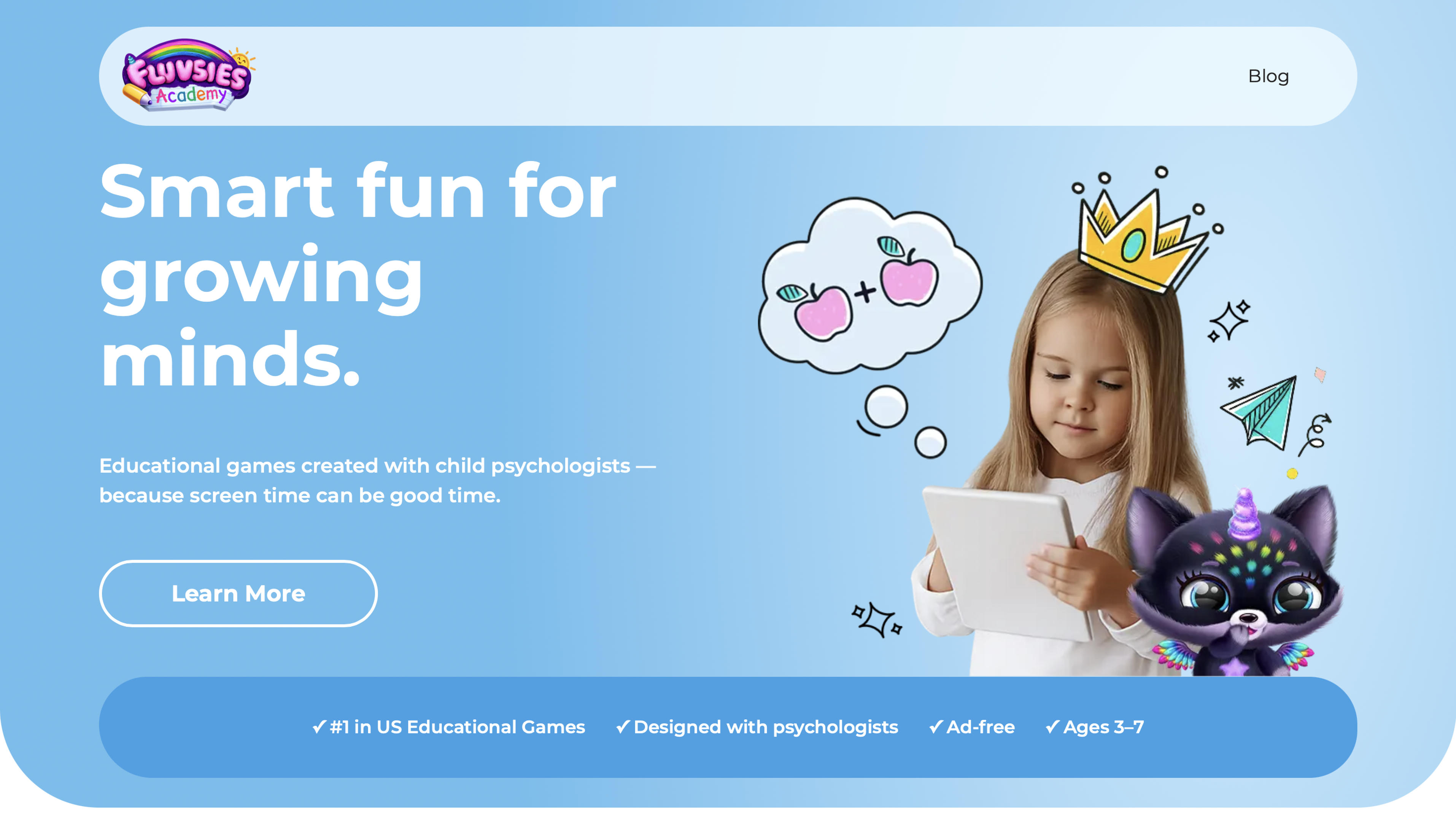
Fluvsies Academy creates a gentle learning space where preschoolers practice logic and attention through playful activities built around familiar daily routines. Young children explore professions, sort objects, and solve simple puzzles while following friendly characters on short adventures that feel like real life stories come to life. The app balances active thinking challenges with creative freedom so kids develop early reasoning without any sense of pressure or failure. Every level encourages trial and error in a supportive way that builds confidence step by step. Children quickly learn to recognize patterns, compare items, and make choices that lead to happy outcomes for their fluffy friends. The bright colors and cheerful sounds keep little ones engaged for just the right amount of time each day. Parents love how the activities blend seamlessly with everyday skills like dressing, cleaning, and helping others. The platform feels like an extension of imaginative play rather than structured lessons, which makes it easy for families to include in morning or bedtime routines. Kids return often because the characters become like trusted buddies who cheer them on with every small success.
- Key features include logic and attention exercises, sorting tasks, and life-skill simulations set in story contexts
- Facts and information highlight expert-guided design that supports focus and comparison abilities in a completely safe, ad-free format
3. Khan Academy Kids
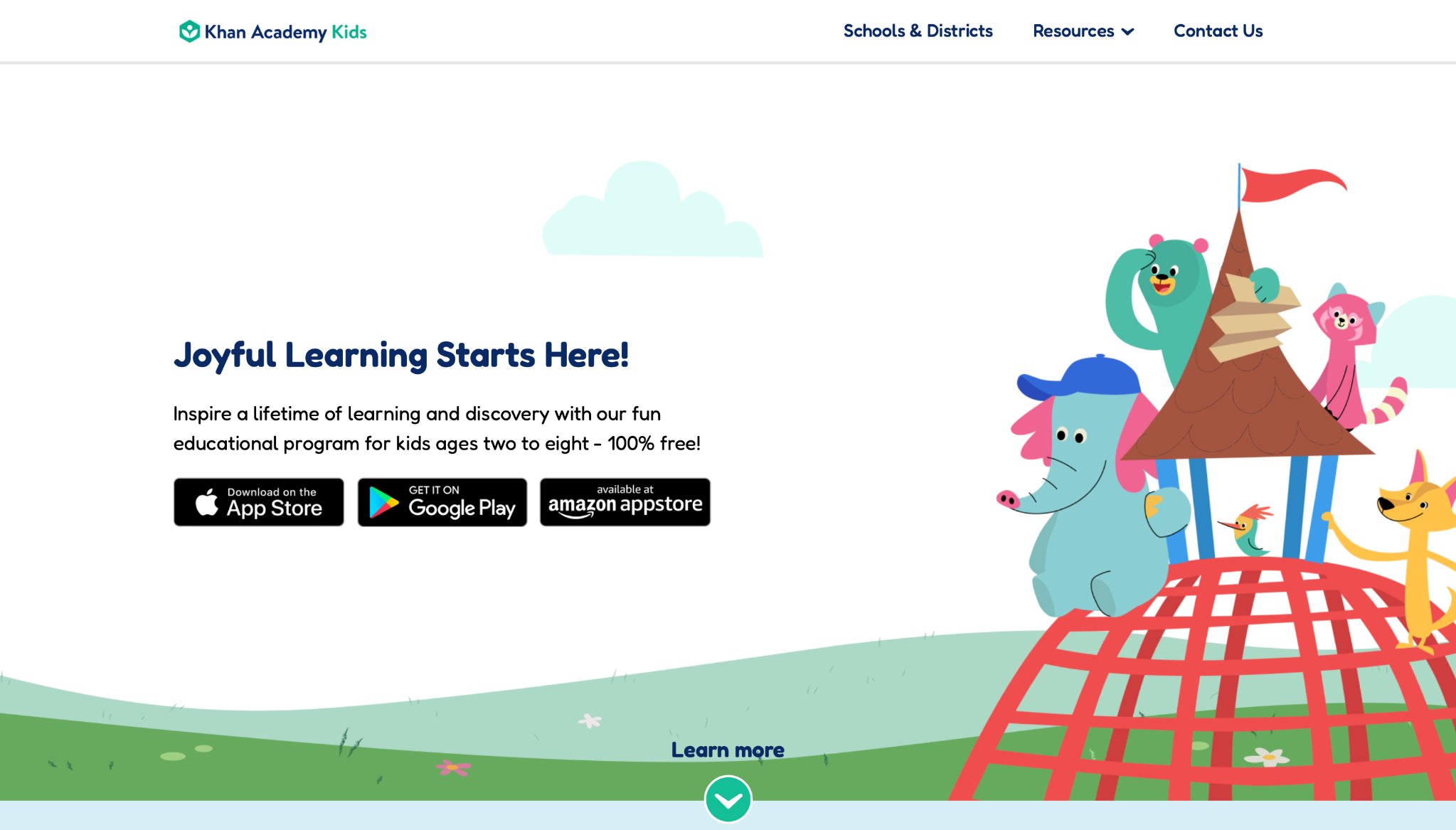
Khan Academy Kids delivers a comprehensive learning app for ages 2-8 filled with games, books, and activities covering reading, math, and social-emotional skills. Whimsical characters guide children through standards-aligned content that adapts as abilities grow, emphasizing joyful discovery and creative play alongside academic foundations. The platform supports early literacy, numeracy, and emotional awareness through interactive stories and lessons that feel engaging rather than instructional.
Parents value the flexible structure that fits various family schedules and encourages independent exploration within safe parameters. Key facts and information include a large collection of activities available in an ad-free environment that promotes foundational skills development. Many families use it to create consistent learning moments that complement daily life and help children build confidence through playful challenges. The content design prioritizes whole-child growth, making screen time a supportive part of broader development routines.
Key features:
- Thousands of interactive games, books, and activities
- Adaptive learning paths that grow with the child
- Focus on reading, math, and social-emotional skills
- Whimsical characters that make learning joyful
- Completely ad-free and safe environment
4. ABCmouse
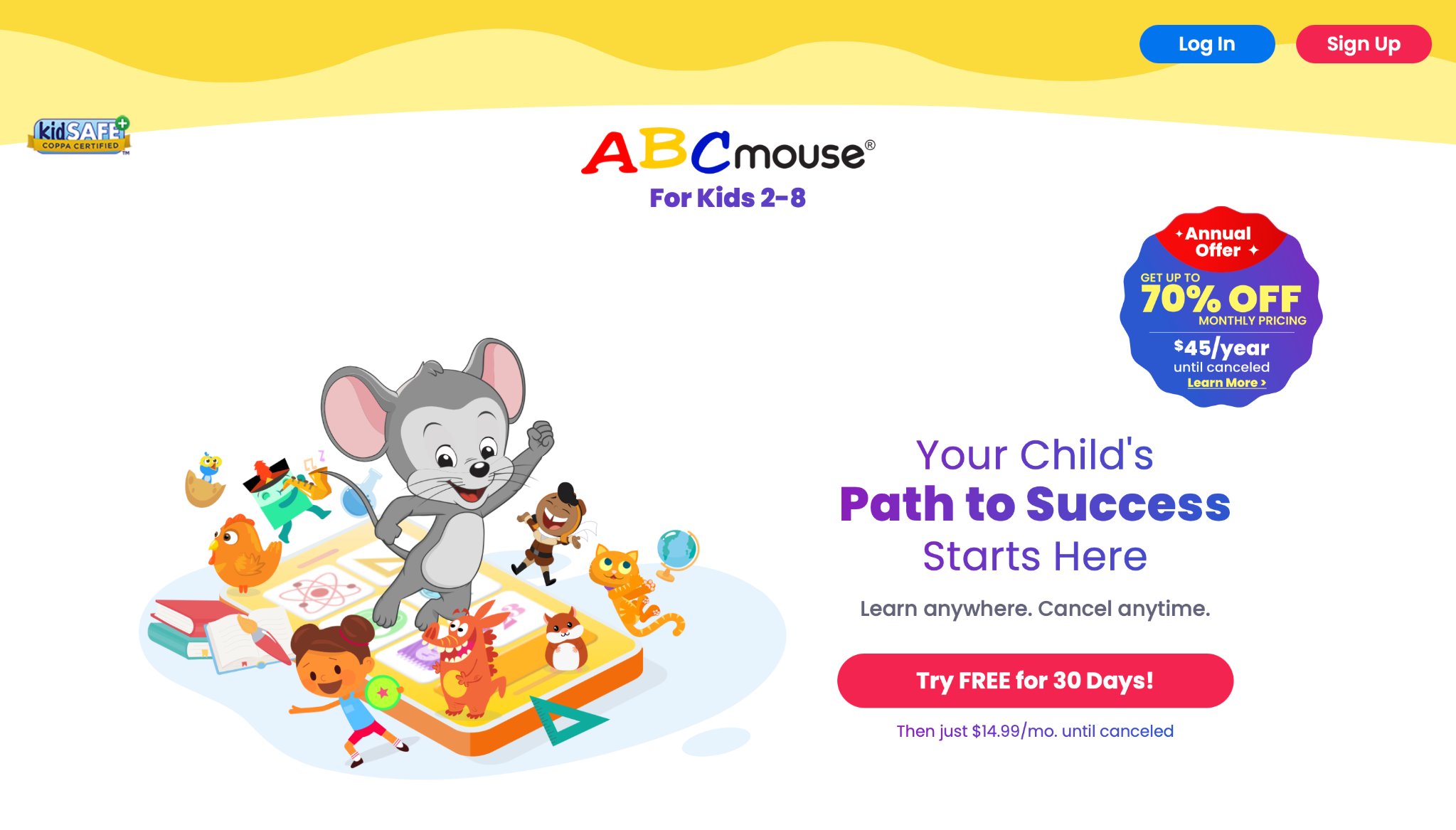
ABCmouse provides a structured early learning curriculum with extensive activities spanning reading, math, science, and arts for preschool and kindergarten levels. The platform offers progressive lessons in an engaging format that builds skills step by step through interactive elements and rewards. Children progress at their own pace while gaining confidence in foundational concepts and creative expression. Parents appreciate how the content integrates into daily routines as a reliable resource for consistent skill building. Key facts and information point to thousands of activities designed to support repetition and mastery in a fun environment. The curriculum helps reinforce learning through varied formats that maintain interest and encourage exploration across subjects. Families often find it valuable for creating purposeful screen sessions that align with educational goals and complement other family activities.
Key features:
- Comprehensive curriculum across multiple subjects
- Progressive lessons with interactive rewards
- Activities for reading, math, science, and arts
- Personalized learning pace for each child
- Structured yet engaging format for early learners
5. Duolingo ABC
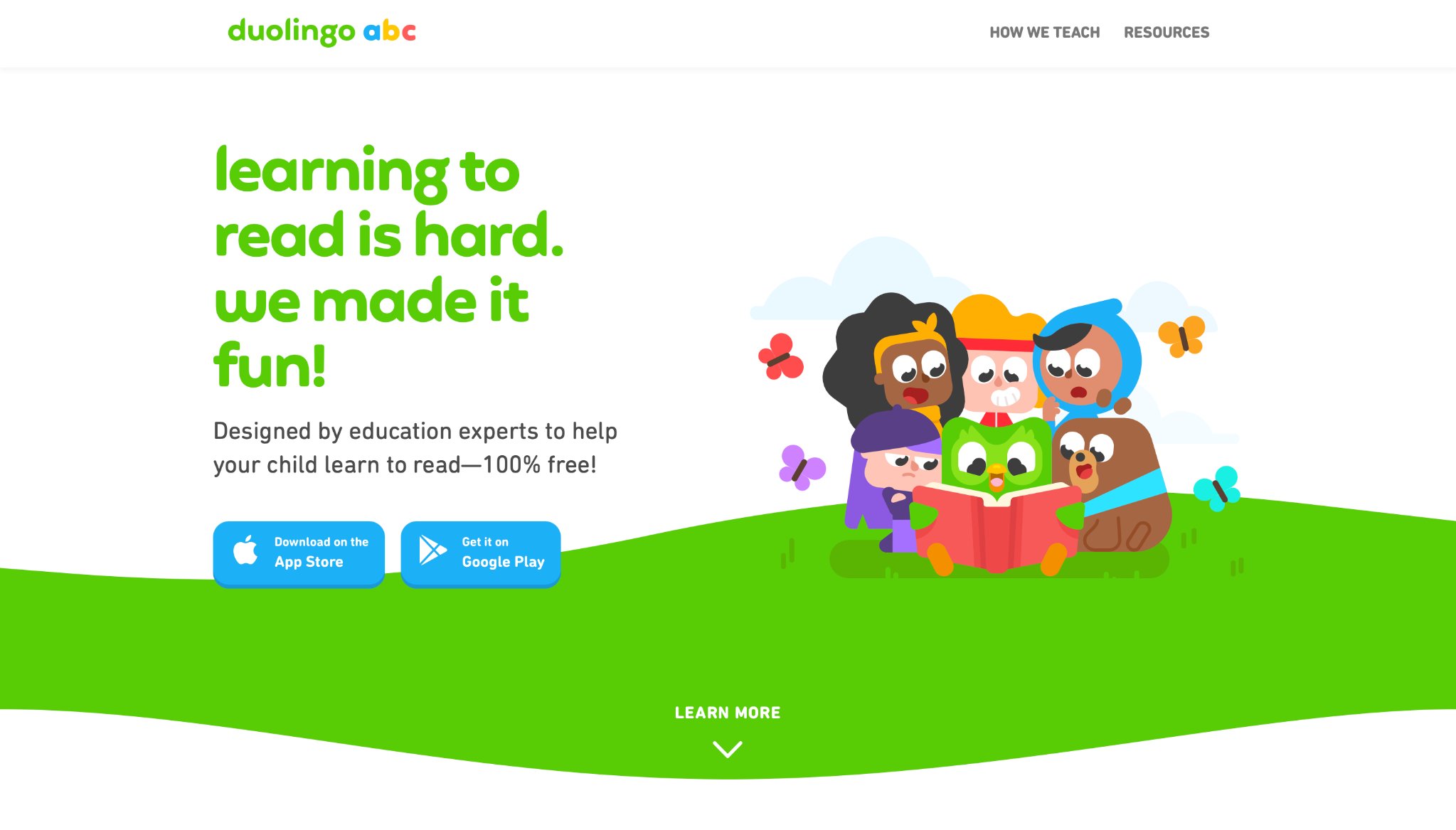
Duolingo ABC introduces young learners to literacy and language concepts through gamified lessons that feel playful and motivating. The app adapts to each child's pace while covering vocabulary, phonics, and basic reading skills in short, engaging segments. Children build early language abilities through interactive exercises that combine fun with practical learning. Parents like the flexible format that supports brief focused sessions within busy days. Key facts and information include support for foundational literacy development through familiar game-like structures that keep children returning with enthusiasm. The content design promotes steady progress in communication skills while maintaining a light, enjoyable tone. Many families incorporate these activities as part of routines that balance digital learning with other developmental experiences.
Key features:
- Gamified lessons for literacy and language
- Adaptive pacing for individual progress
- Focus on vocabulary, phonics, and reading skills
- Short, motivating interactive segments
- Playful approach to early language development
6. PBS Kids Games
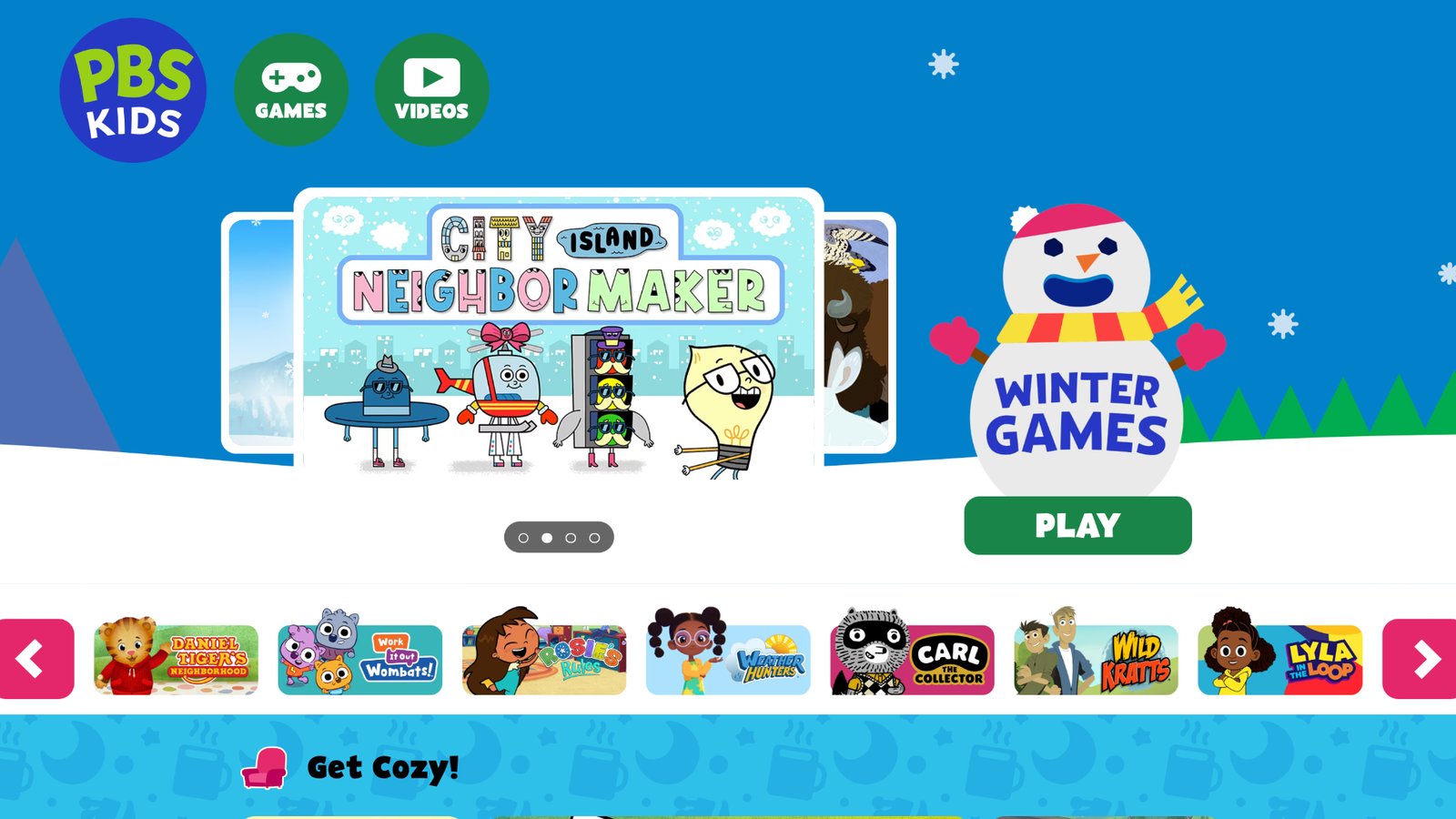
PBS Kids Games features a collection of educational activities based on popular children's shows that support learning across subjects like math, reading, and science. The platform offers interactive games and videos designed with familiar characters that make concepts approachable and memorable. Children explore topics through story-driven play that encourages curiosity and problem-solving in supportive environments. Parents value the trusted content that aligns with developmental stages and promotes positive values. Key facts and information highlight diverse activities that blend entertainment with educational goals in an ad-free space. The games often reinforce social-emotional skills alongside academics through cooperative and exploratory formats. Families use these resources to create meaningful screen time that connects to real-world learning and family discussions.
Key features:
- Games and videos based on beloved characters
- Support for math, reading, and science concepts
- Story-driven interactive activities
- Emphasis on curiosity and problem-solving
- Trusted educational content for young children
7. Scratch Jr
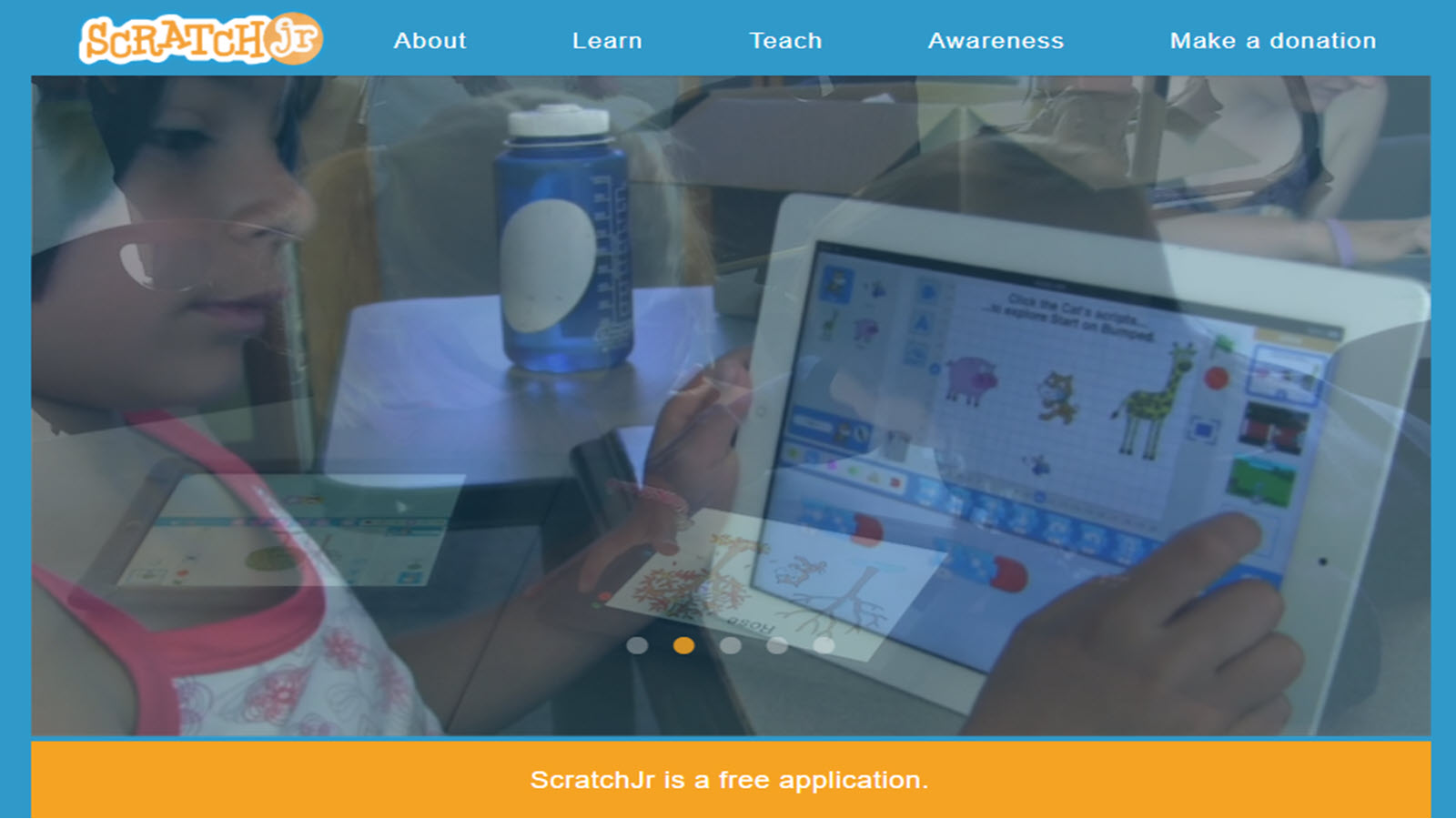
Scratch Jr introduces creative coding concepts to young children through block-based programming that supports storytelling and game design. The app enables kids to build projects using simple visual elements that foster logical thinking and imagination. Children experiment with sequences and animations while developing persistence and creative problem-solving abilities. Parents appreciate the open-ended nature that allows for personal expression and collaboration. Key facts and information include tools designed specifically for early learners to explore computational thinking in playful ways. The platform encourages iterative design processes that build confidence through hands-on digital creation. Many families integrate it into routines that blend technology with artistic development for well-rounded growth.
Key features:
- Block-based visual programming interface
- Tools for storytelling and game creation
- Development of logical sequencing skills
- Support for creativity and iteration
- Open-ended projects for personal expression
8. Epic!

Epic! offers a digital library with thousands of books, videos, and learning resources tailored for children. The platform supports reading development through accessible formats and personalized recommendations that match interests and abilities. Children discover stories and informational content that expands vocabulary and knowledge across topics. Parents value the safe environment focused on literacy and comprehension skills. Key facts and information point to diverse collections that include both fiction and nonfiction to support broad learning. The reading experiences often spark discussions and further exploration beyond the screen. Families find it useful for creating consistent reading habits that enhance overall educational engagement.
Key features:
- Extensive digital book and video library
- Personalized reading recommendations
- Support for literacy and comprehension
- Mix of fiction and nonfiction content
- Safe environment for independent reading
9. Prodigy Math
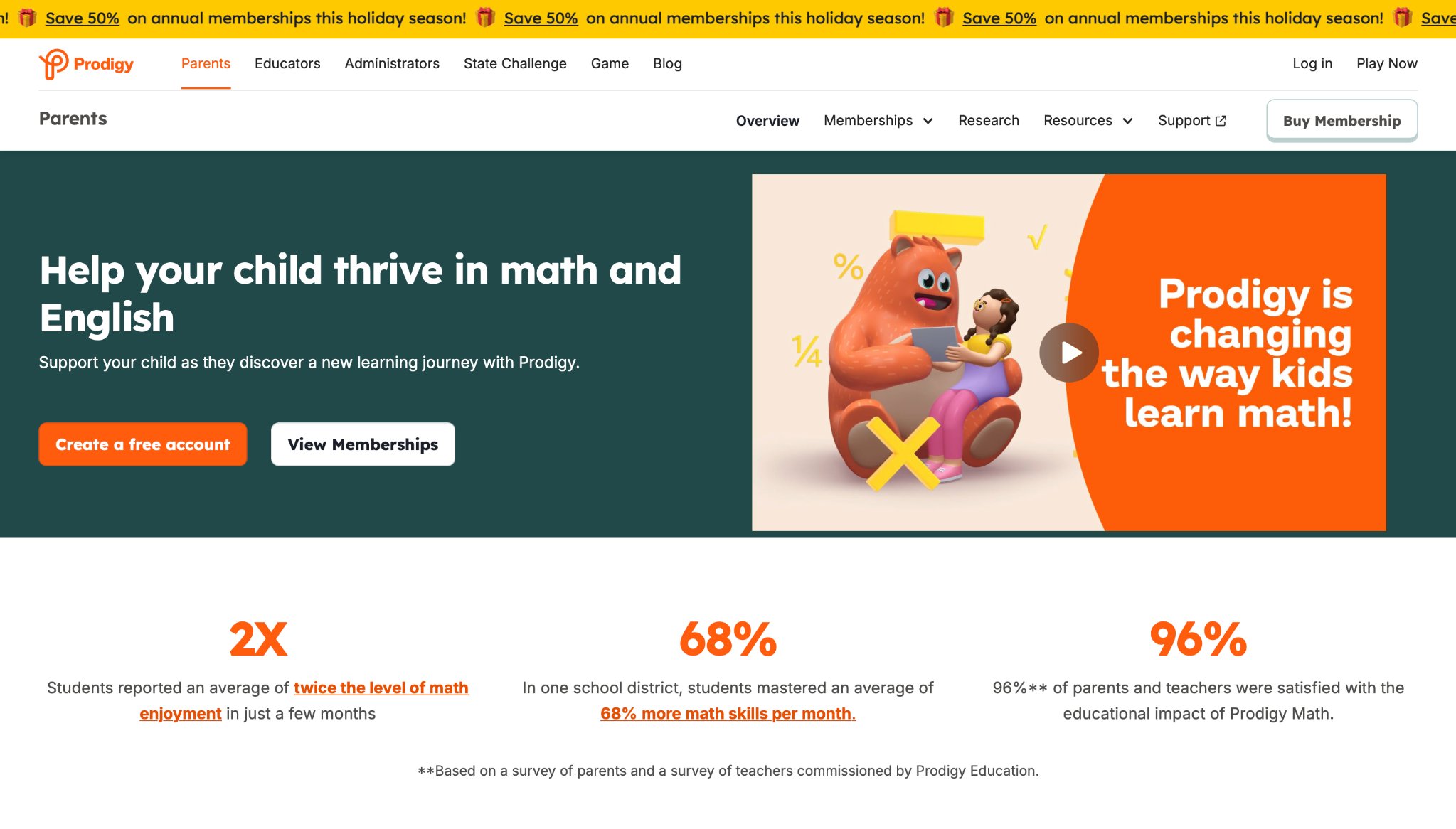
Prodigy Math combines adventure gameplay with math practice across grade-appropriate skills and concepts. The platform presents problems within engaging story contexts that motivate children to apply numerical reasoning. Kids progress through levels while building confidence in arithmetic and problem-solving strategies. Parents appreciate the adaptive difficulty that matches individual needs. Key facts and information include game-based learning that integrates curriculum elements into fun challenges. The format encourages regular practice through rewarding experiences that maintain interest. Many families use it as part of routines focused on strengthening mathematical thinking alongside other activities.
Key features:
- Adventure-style math gameplay
- Adaptive problem difficulty levels
- Integration of curriculum concepts
- Motivational story-driven challenges
- Focus on arithmetic and problem-solving
10. Osmo
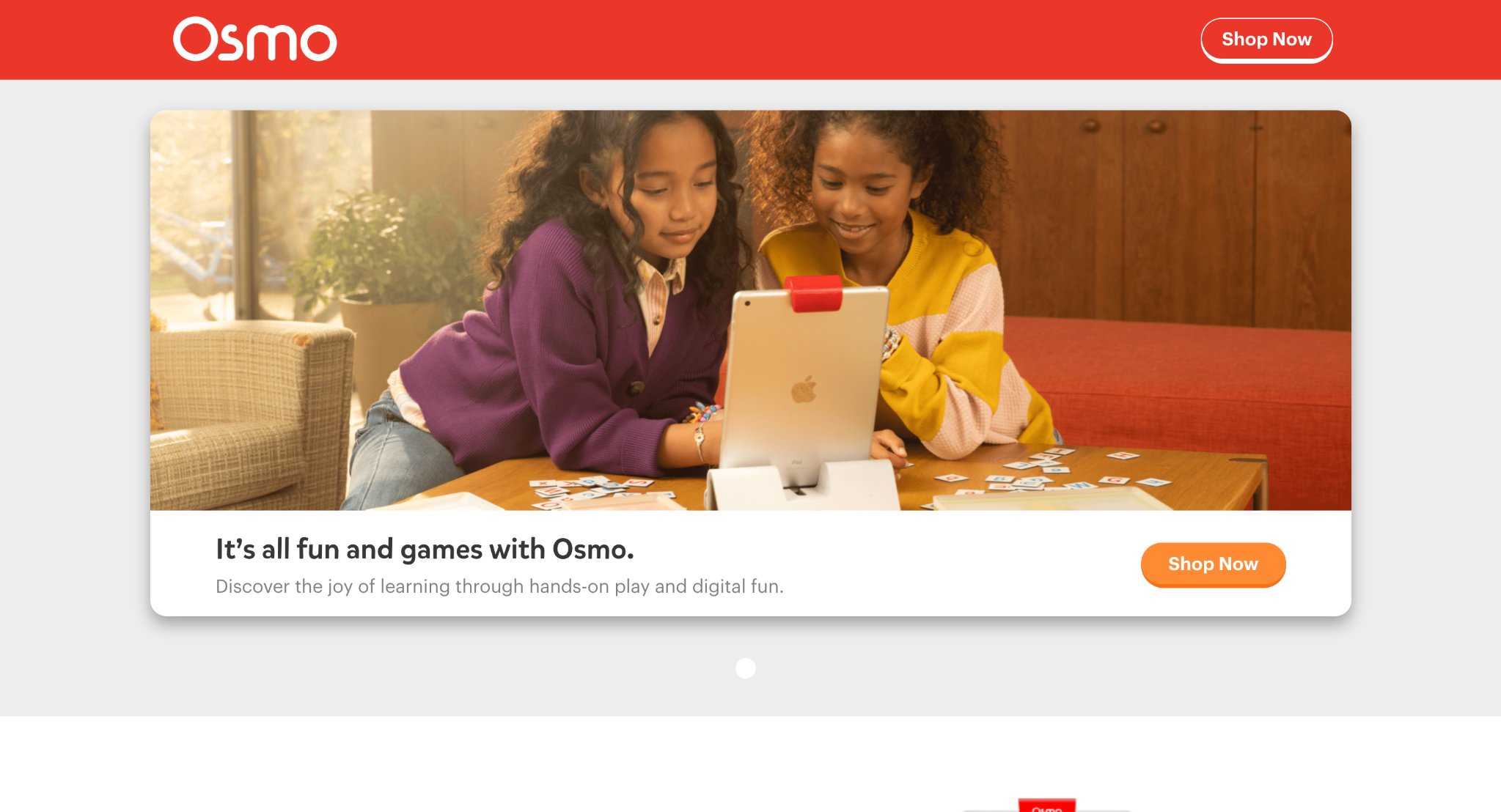
Osmo blends physical play with digital interaction through tangible pieces and screen activities. The platform supports skills in letters, numbers, creativity, and problem-solving via hands-on experiences. Children manipulate real objects while receiving immediate feedback on the device for integrated learning. Parents like the combination of tactile and technological elements that promote active engagement. Key facts and information highlight multisensory approaches that enhance focus and coordination. The activities often encourage collaboration and creative thinking in family settings. Families incorporate these tools for balanced sessions that connect physical movement with digital feedback.
Key features:
- Tangible pieces with digital integration
- Multisensory learning experiences
- Activities for letters, numbers, and creativity
- Immediate feedback on physical actions
- Support for hands-on problem-solving
11. Outschool
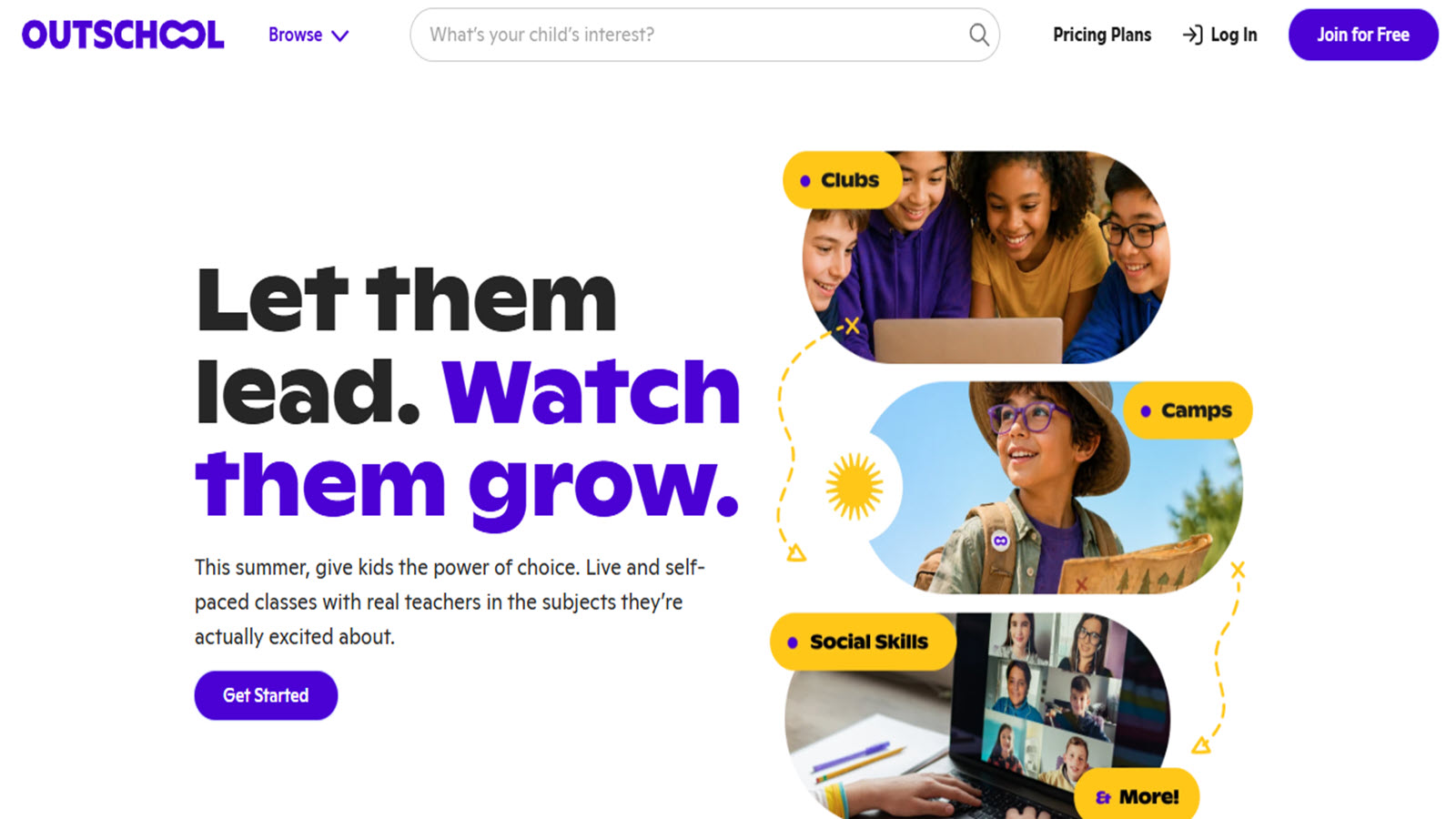
Outschool connects children with live online classes across diverse subjects taught by experienced instructors. The platform offers interactive group sessions that build knowledge and social connections through real-time participation. Kids explore topics from arts to sciences in small, engaging formats tailored to interests. Parents value the structured yet flexible scheduling options. Key facts and information include opportunities for personalized learning paths and community interaction. The classes often extend beyond screen time through suggested projects and discussions. Many families use it to supplement home learning with guided expert support.
Key features:
- Live interactive group classes
- Wide range of subjects and topics
- Experienced instructor guidance
- Flexible scheduling for families
- Opportunities for social learning
12. Mystery Science
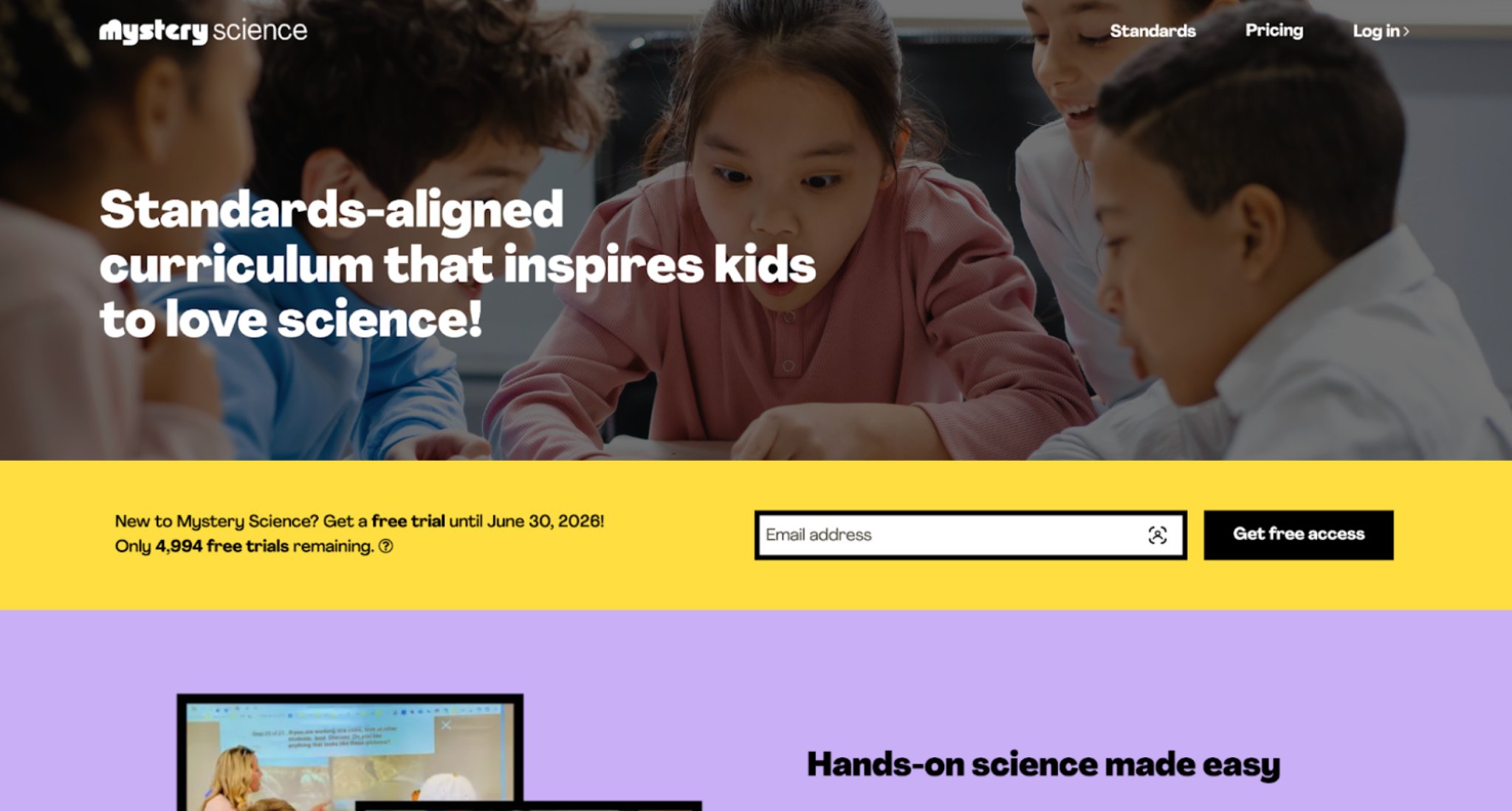
Mystery Science delivers hands-on science lessons through engaging video explanations and activities. The platform presents phenomena that spark curiosity and encourage investigation of natural world concepts. Children follow guided explorations that develop observation and critical thinking skills. Parents appreciate the ready-to-use format that requires minimal preparation. Key facts and information highlight phenomena-based approaches aligned with developmental stages. The content often inspires further offline experiments and family conversations. Families integrate these resources for purposeful screen sessions focused on scientific discovery.
Key features:
- Phenomena-based science lessons
- Engaging video explanations
- Hands-on investigation activities
- Development of observation skills
- Ready-to-use lesson formats
13. Code.org
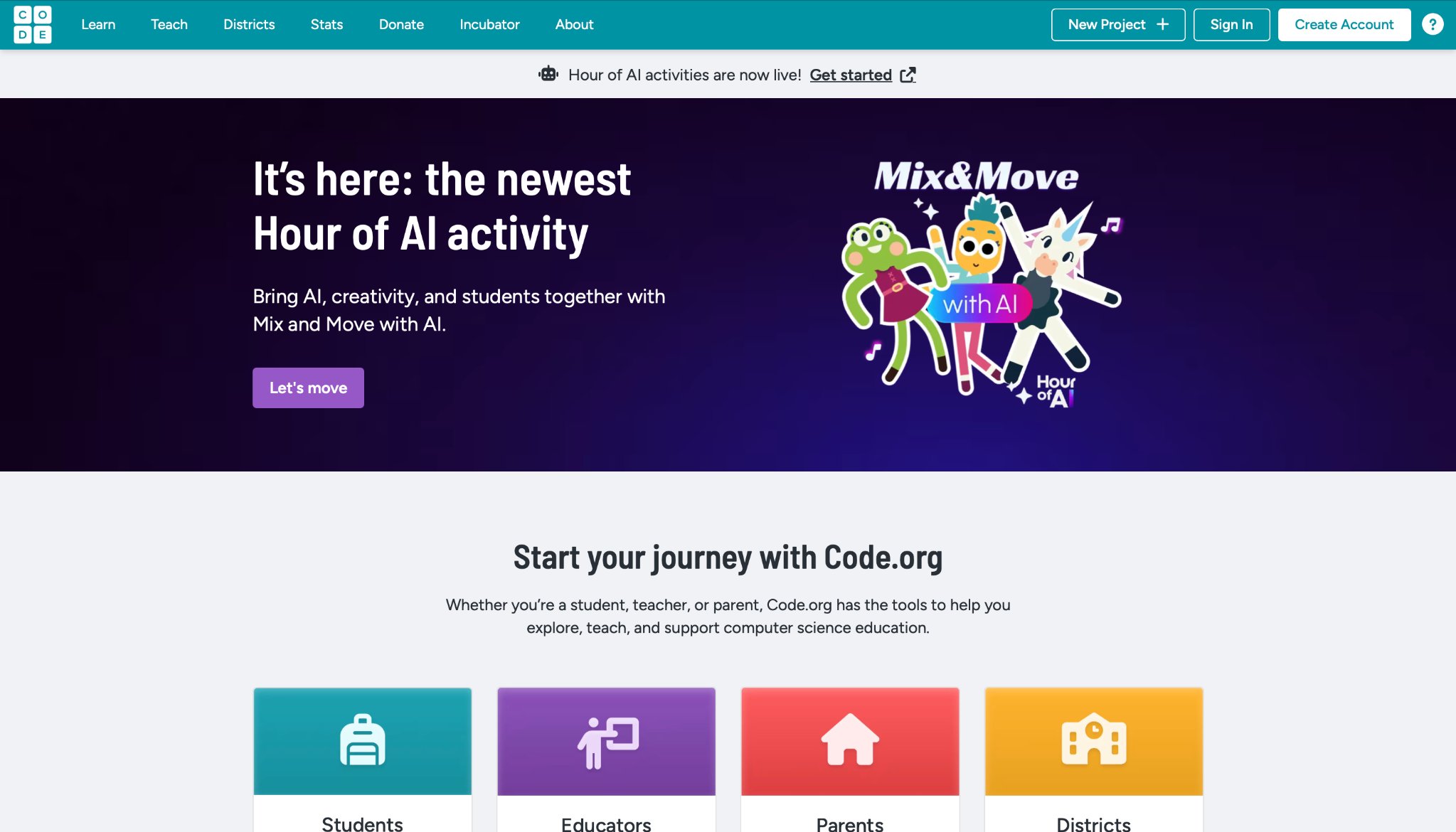
Code.org provides accessible coding tutorials and activities designed for various age levels. The platform introduces programming concepts through fun projects and puzzles that build logical sequencing abilities. Children create animations, stories, and simple apps while learning computational thinking. Parents value the free resources and progressive structure. Key facts and information include tools that support creativity alongside technical skills development. The activities encourage persistence and innovation in digital creation. Many families use these materials to foster interest in technology within balanced learning routines.
Key features:
- Beginner-friendly coding tutorials
- Fun project-based learning
- Development of computational thinking
- Tools for creating animations and apps
- Progressive skill-building activities
14. National Geographic Kids
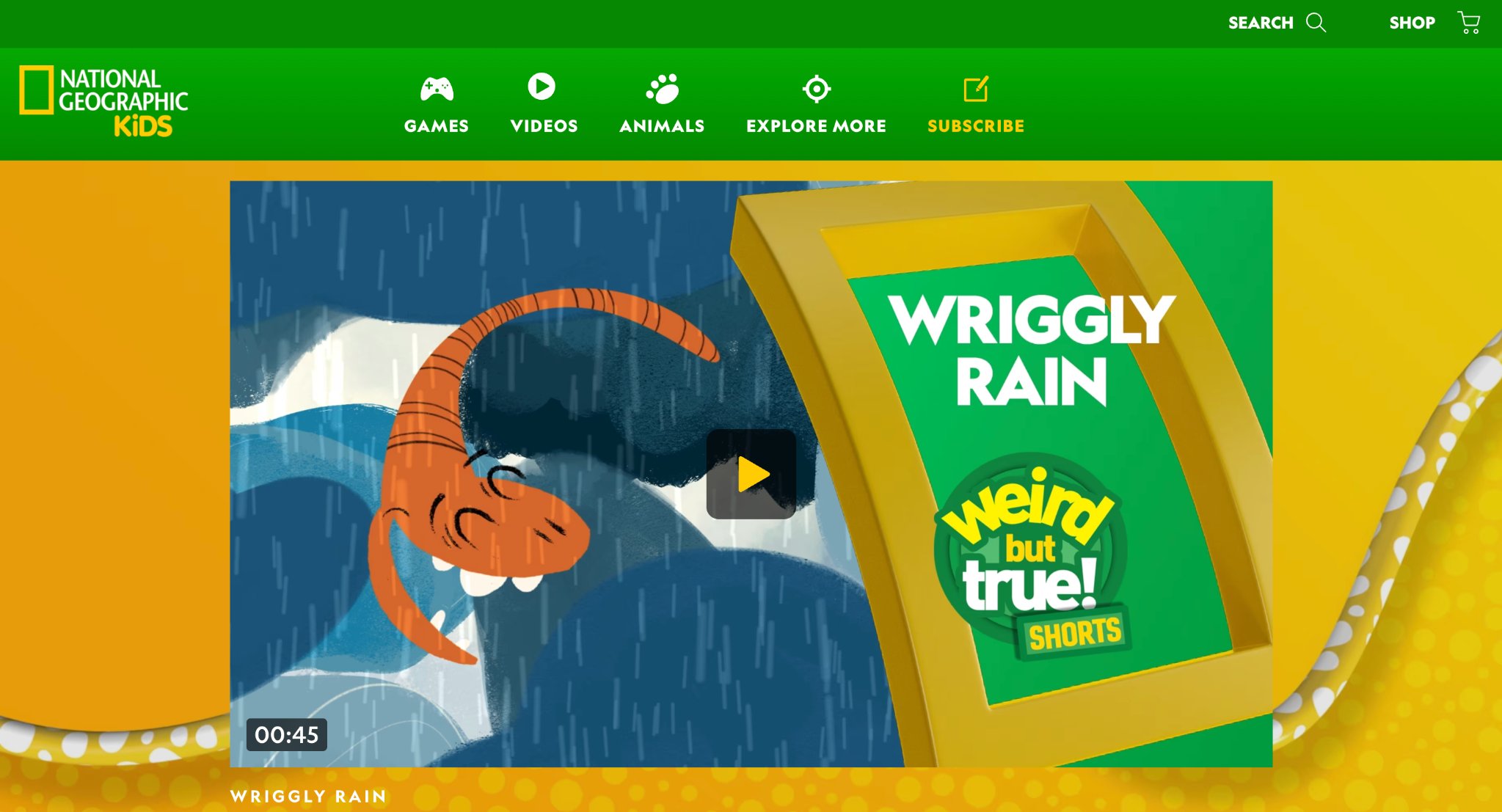
National Geographic Kids features educational content exploring animals, nature, and world cultures through articles, videos, and games. The platform supports geography, science, and environmental awareness with captivating visuals and facts. Children discover global topics that expand perspectives and knowledge. Parents like reliable, high-quality materials from a trusted source. Key facts and information include diverse resources that promote curiosity about the planet. The content often connects to real-world conservation ideas and family discussions. Families find it valuable for enriching screen time with meaningful exploration.
Key features:
- Content on animals and nature
- Geography and culture explorations
- Engaging videos and interactive games
- High-quality educational visuals
- Focus on environmental awareness
15. Art for Kids Hub
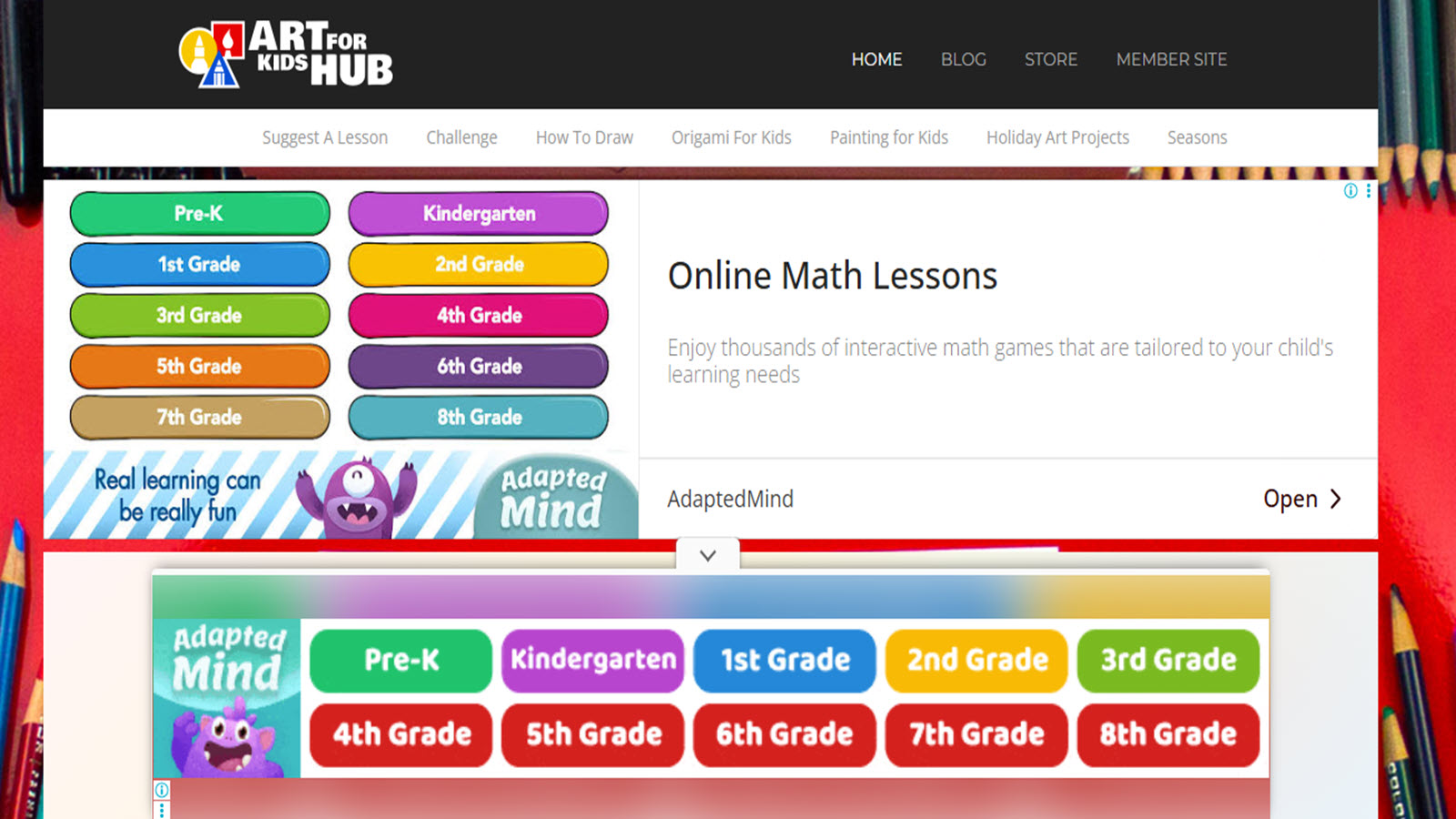
Art for Kids Hub offers guided drawing and craft tutorials that support creativity and fine motor skills. The platform provides step-by-step video instructions for various artistic projects suitable for different ages. Children follow along to create original works while building confidence in self-expression. Parents appreciate the encouraging format that requires minimal supplies. Key facts and information highlight techniques that foster imagination and artistic exploration. The activities often lead to family sharing and further creative play. Many families incorporate these sessions for balanced digital time focused on artistic development.
Key features:
- Step-by-step art tutorials
- Projects for various age levels
- Support for creativity and fine motor skills
- Encouraging video instruction format
- Activities promoting self-expression
Creating Effective Family Media Plans
Family media plans provide a shared framework for screen use that evolves with children's ages. These plans often outline preferred content types, daily integration points, and opportunities for offline alternatives. Regular family discussions help adjust approaches as needs change. Many successful plans incorporate tech-free periods during meals or before bedtime to protect rest and connections. Co-playing educational games strengthens bonds while modeling positive engagement.
Supporting Long-Term Digital Wellness
Consistent habits around posture, movement breaks, and varied activities contribute to sustained well-being. Parents who review content together often gain better insights into what resonates with their children. Tools within quality educational apps, such as built-in timers or progress tracking, assist in maintaining balance.
Several aspects support healthy habits. Quality content selection builds skills and focus when families choose ad-free, educational options. Routine integration supports consistency when paired with family activities. Breaks and movement reduce strain when short pauses include physical play. Co-engagement strengthens learning when families play and discuss together.
FAQ
What makes screen time healthy for young children in 2026?
Healthy screen time involves high-quality, interactive content that aligns with developmental stages and promotes skills such as creativity, focus, and emotional awareness. Families benefit when digital activities complement other experiences like physical play and family interactions rather than replacing them. Purposeful educational games help children build responsibility and problem-solving abilities for kids in calm, ad-free environments that support natural growth and curiosity.
How can parents set boundaries without conflict?
Clear, consistent family agreements work best when everyone understands the reasons behind screen rules, such as protecting sleep and encouraging varied activities. Involving children in simple discussions about daily routines creates shared ownership and smoother transitions. Quality platforms with built-in structure often make it easier to maintain balanced habits that feel natural over time.
Are there differences in screen habits by age group?
Younger children often thrive with shorter, supervised sessions of purposeful content that match their attention spans and support early skills like language and responsibility for kids. Older kids may handle more independent exploration within family guidelines that still prioritize balance with offline pursuits. The overall focus remains on selecting experiences that fit individual developmental needs while maintaining positive routines.
What role do educational subscriptions play in daily routines?
Educational subscriptions offering multiple learning games provide reliable access to varied, enriching experiences that keep content fresh and aligned with learning goals. They reduce the need for constant searching while delivering ad-free options designed for meaningful play that nurtures creativity and focus. Many families integrate these resources smoothly into schedules to create consistent opportunities for growth during screen time.
How does co-engagement enhance healthy screen habits?
Co-engagement turns screen sessions into shared family moments where parents and children discuss experiences and reinforce learning from memory games. This practice strengthens bonds and helps children process content in ways that build emotional awareness and social skills. Regular participation also models balanced use and makes it easier to guide children toward high-quality, purposeful digital activities.
Read Also:
- Parent's Guide to Healthy Screen Time with Educational Apps
- Best Educational And Fun Games For Kids in 2026
- Best Online Kids Educational Games in 2026
- Best Problem Solving Games For Kids In 2026
- Summer Holiday: Educational Games and Offline Ideas for Kids
Ready to give your child screen time you can feel good about? Discover more at TutoClub.