

Best Online Dress Up Games For Girls In 2026





Looking for the best online dress up games for girls in 2026? Style play lets kids mix clothes, try new looks, and tell small stories with princess, school, and party outfits. Many families want calm fashion games that feel safe, easy to share, and kind for young players.
After a dress-up session, many families look for more calm creative play that still feels safe and easy to share. The best games online for girls often include extra styling themes that pair well with princess, school, and party outfits. Kids who like planning looks first can try the best online coloring games to sketch new combinations, then add finishing details with the best makeup games online without rushing the story.
Discover the best online dress up games for girls in 2026 with TutoClub today!
Why Dress Up Games Still Matter For Girls

Dress up is more than picking a pretty dress. Kids practice color matching, planning, and self-expression when they build an outfit. They try a school look, a party look, or a fairy-tale look, then change it again. That loop builds confidence because there is no single “right” answer, a pattern that also shows up in confidence building games.
Many families want the best online dress up games for girls that stay kind and age-fit. Style time can support fine motor skills when a child drags shoes, clips, or bags into place. It can support language when kids name colors, textures, and seasons. The same care-and-choice pattern appears in social emotional games for kids, where feelings and kindness sit next to pretend play.
A good dress up game feels playful, not rushed. Short sessions work well. Shared play works even better. A parent can ask why a coat or hat was picked and turn style time into a small talk about weather, feelings, or a story. That mix of fashion and everyday thinking is common in learning games for kids, in educational games for kids age 5, and in pet care games, where closets and care tasks grow with the child.
What Makes A Dress Up Game A Strong Pick In 2026
The strongest fashion games share a few simple traits. Controls stay easy for little hands. Themes stay friendly. The characters look varied. Makeup and clothes feel like pretend play, not pressure. That same calm design shows up across many apps for preschoolers.
Safety sits near the top of the list. Many families prefer ad-free play, no chat with strangers, and no pop-ups that pull a child away from the closet screen. Parent tools and closed play spaces matter as much as sparkly outfits, which is why safe apps for kids are part of the same decision as the wardrobe itself.
Look for games that mix style with a small purpose. A princess may need a coat for a rainy walk. A doll may need pajamas after a long day. Those tiny stories help kids connect clothes to real life. Learning through play activities work best when the child can redo a look, save a favorite, and try again tomorrow. A focused educational games for kids app keeps fashion inside a broader play set, so a styling session can lead into puzzles, care play, or a short story. Families who want browser-style variety often still compare those hubs with online educational games for kids that stay calmer and more guided.
Themes Kids Love In Online Dress Up Games
Kids return to certain outfit themes again and again. Princess looks stay popular because crowns, gowns, and castle rooms feel like story time. The school looks let kids match uniforms, backpacks, and lunch boxes. Party outfits add sparkles, shoes, and accessories for pretend birthdays or dances.
Seasonal themes also keep play fresh. Rainy-day coats, winter scarves, summer dresses, and holiday bows give kids new reasons to open the closet. Many of these themes sit inside the best princess games online and the best fashion games online. Girls who already style L.O.L. Surprise characters often stay with the same official fashion club energy found in the best LOL Surprise games and the best LOL doll games.
Hair and makeup choices usually come next. A simple brush, a color, or a clip can finish the look. That step pairs well with girl fashion makeup games online. The goal stays the same: pick items, see the result, and try a different combination tomorrow. Unicorn sparkles and pet styles appear in Unicorn games online when kids want magical finishes next to everyday outfits.
Pairing Style Play With Other Calm Activities
Dress up does not have to stand alone. Many kids sketch a new hair color or outfit idea first. Online coloring games and painting games online give them bright tools to plan colors before they open a closet. After the picture is done, they can copy the shades into a fashion look.
Kitchen and care play sit nearby too. A cake for a party or a tea set for friends can match the outfit a child just made. Those scenes appear in the best online cooking games for girls. Pet houses and unicorn care give the same gentle pacing. A child might dress a character, then feed or tidy a room for the same friend. That loop keeps the afternoon inside one calm family plan instead of jumping between random apps. Paper dolls extend the same ideas after the screen ends in a Fluvsies paper doll printable.
Makeup finishes many looks. Simple blush, glitter, or face paint stays pretend when the game treats it as color play. Guides on how to find safe makeup games online explain why closed, ad-free rooms feel better for younger players. Responsibility tasks such as cleanup sit next to styling in responsibility games for kids.
Story-Based Styling Versus Free Closet Play
Some online dress up games for girls give a tiny job first. A character needs a coat for a rainy walk, pajamas after bedtime, or a gown for a castle visit. The child picks clothes that match the story. That small purpose makes the outfit feel useful, not random.
Other games open a free closet. Kids mix any items they like with no prompt. Both styles work. Story-based rooms help kids connect clothes to weather, time of day, or events. Free closets let them experiment without rules. Many families use both inside the same TutoClub games collection, where princess castle care sits next to open fashion club styling.
A short prompt at home can turn either type into a story. “She is going to the park. What should she wear?” or “It is bedtime. Help her get ready.” Those lines keep the play kind and purposeful. The same mix of choice and care shows up in the best learning through play activities.
Offline And Travel-Friendly Fashion Play
Many style games work after the first download. Once the app is on the phone or tablet, kids can open a closet on car rides, in waiting rooms, or during quiet afternoons with no new internet check. That helps when families travel or when the Wi-Fi is busy.
One parent account usually covers more than one device. Siblings can take turns on the same looks without separate logins. Short sessions stay easy because the game saves a favorite outfit and lets the child pick up where they left off. The same calm pacing shows up in other educational games for kids on iPad and mobile games for kids that stay inside a family plan. Tablet options sit in tablet games for kids.
Parents often keep a short list of trusted titles so the child does not browse open hubs while on the go. A saved school look or party outfit can fill a few minutes without ads or outside links. Account tools and offline details appear in the how to protect kids online guidance.
Best Online Dress Up Games For Girls In 2026
1. TutoClub - Best Online Dress Up Games For Girls In 2026
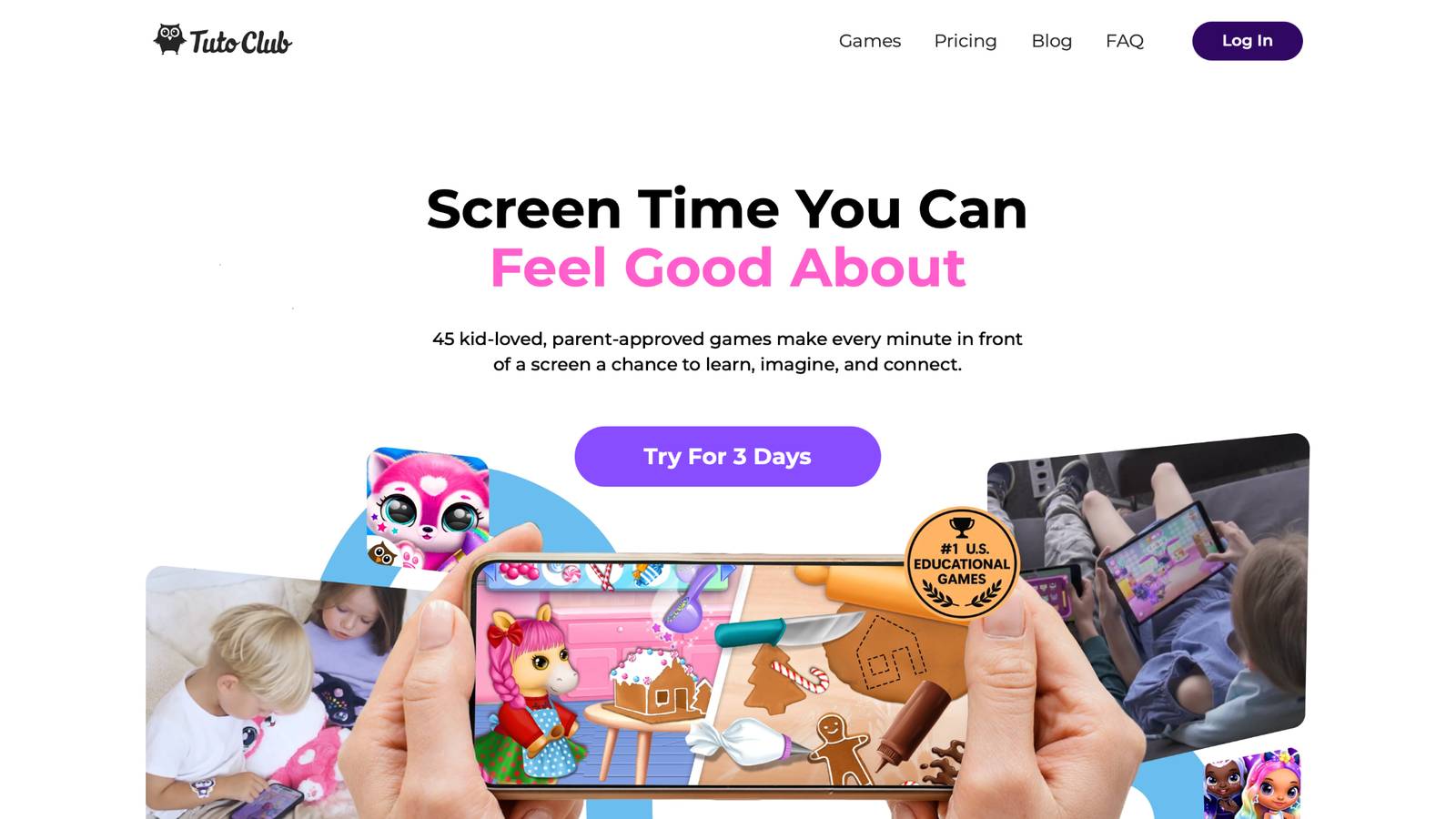
TutoClub games give families a calm place to style characters, mix looks, and play make-believe without ads getting in the way.
TutoClub is the subscription home for TutoTOONS games, created by a kids studio in Kaunas, Lithuania. One plan opens a large set of child-friendly titles, including fashion makeovers and castle care play. L.O.L. Surprise! O.M.G. Fashion Club lets kids try outfits, hair, and quests that boost self-expression. Princesses - Enchanted Castle invites girls to dress dolls, care for them, and invent little stories in a magic house. Nearby titles such as My Baby Unicorn and Sweet Baby Girl Clean Up keep the same gentle tone, so style time can sit next to kindness and everyday routines.
The art is bright and easy to read. Buttons are simple. Play can continue on a phone or tablet after a game is downloaded, which helps on car rides and quiet afternoons. Parents manage the account, and kids stay inside a family-friendly space. Regular updates keep closets and scenes feeling new. The mix of fashion, pet care, and pretend chores makes TutoClub feel like a full playroom, not a single closet screen.
TutoClub Overview
TutoClub is your gateway to a magical world of educational games designed especially for children.
As part of TutoTOONS, a leading kids' games studio, we offer premium access to over 45 ad-free games.
Our mission is to blend learning and play, helping kids explore, create, and grow in a safe online space.
Thousands of parents trust us for family-friendly content that sparks imagination and builds essential skills.
Key Features
- Unlimited Access: Unlock full content in all games with no interruptions.
- Ad-Free Experience: Enjoy seamless play without any ads or distractions.
- Skill Development: Games foster creativity, social skills, communication, and more through fun activities like pet care and cleanup challenges.
- Regular Updates: Get new releases, exclusive content, and future updates automatically.
- Easy Subscription: Cancel anytime with no obligations, simple and flexible for families.
Explore Our World
TutoClub provides a rich ecosystem of educational games for kids, featuring ad-free experiences that promote creativity, focus, and emotional growth through play.
This platform turns screen time into valuable learning opportunities, with parent-approved content that builds essential skills and sparks curiosity in young minds.
- TutoClub Games: Over 45 educational games, including popular titles like Fluvsies, Smolsies, and the Sweet Baby Girl series
- Blog: Insights, tips, and stories for families on kids' learning and play
- FAQ: Comprehensive answers to frequently asked questions about subscriptions, features, and more
Get TutoClub on Your Device
TutoClub delivers premium kids educational games directly to your mobile devices, making learning accessible anytime, anywhere.
With apps available on major platforms, families can easily download and subscribe for ad-free play that turns screen time into skill-building adventures.
Perfect for parents seeking safe, engaging content on iOS, Android, or Amazon devices.
Why Choose TutoClub?
We're committed to 100% safe, enriching entertainment that kids love and parents approve.
Join the thousands who've seen their children thrive through playful learning.
Ready to start the adventure?
Try TutoClub and play fashion makeovers with 45+ kid-friendly games!
2. Fluvsies Academy
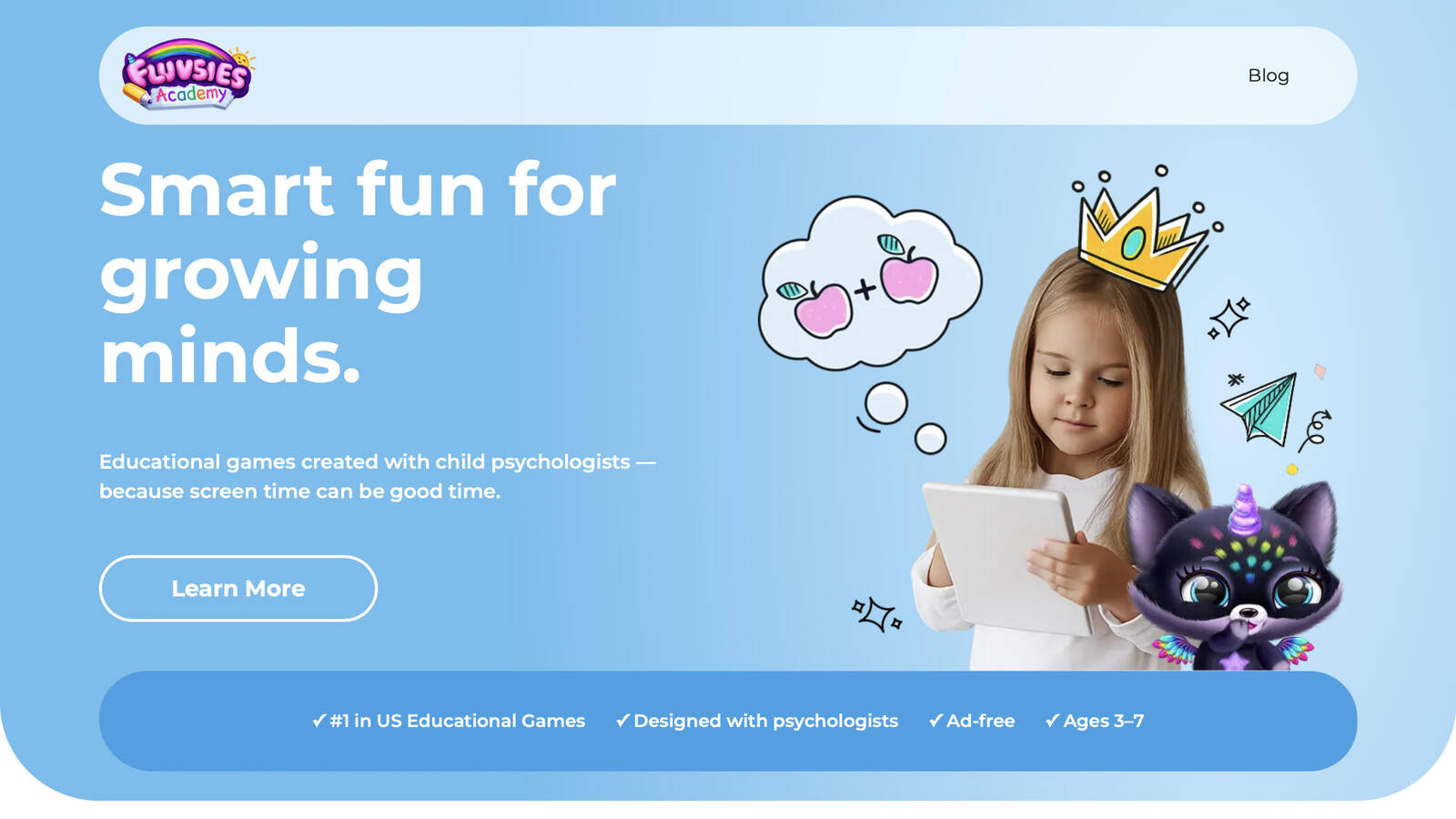
Fluvsies Academy is a gentle learning world built around the familiar Fluvsies characters many kids already love. It is made for ages 3 to 7 and mixes language, numbers, logic, sorting, and everyday life skills with bright, calm play. Children move through short scenes that feel like stories, not worksheets. They can visit profession worlds and try roles such as baker, firefighter, doctor, or astronaut while they pick up new words and simple routines. Creative moments sit beside care habits, so a child may style a scene, tidy a space, or help a character get ready for the day. The tone stays warm and focused. Games were shaped with child psychologists, and the app stays ad-free. Parents can see progress and use printables after screen time. Families who know Fluvsies from other titles often feel at home right away because the characters, colors, and pacing already feel friendly.
Key features
- Language, phonics, numbers, logic, and sorting activities
- Life-skills and creativity play with familiar Fluvsies
- Profession stories that grow vocabulary
- Ad-free design for ages 3 to 7
- Parent progress views and printable extras
Facts and information
- Created with child psychologists for preschool and early-grade play
- Combines academic practice with empathy and daily routines
- Works as a calm next step for kids who already enjoy Fluvsies
3. GirlsGoGames
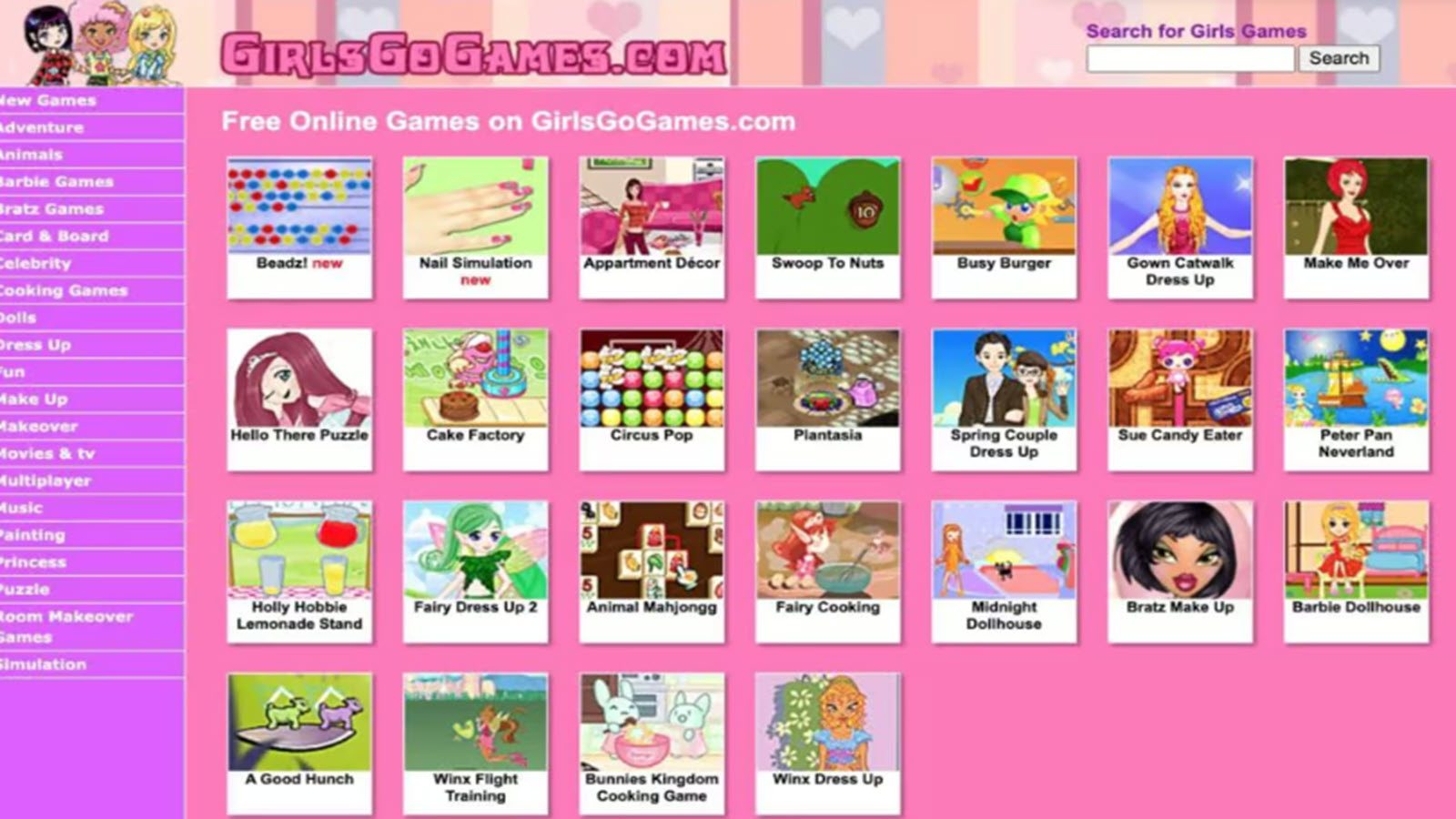
GirlsGoGames is a long-running browser hub for fashion, makeover, princess, and lifestyle games. Kids can open a title in a few clicks and start styling hair, dresses, shoes, and extras without installing an app. The library covers school looks, party outfits, royal gowns, celebrity style, and seasonal themes, so a child who wants a quick closet session can switch games when a mood changes. Many titles use a simple flow: read a short theme, pick items, then see the finished look on a runway or photo screen. That makes the site easy for beginners and for shared play on a laptop. Art style and length vary from game to game, which is part of the hub format. Some scenes are very short, while others add makeup or a tiny story. Parents should stay nearby on open game sites, pick a few trusted titles, and treat the library as a menu rather than an all-day browse.
Key features
- Large set of browser dress up, makeup, and princess games
- Instant play on phones and computers
- Theme-based outfit choices and runway-style results
- Related cooking, room, and lifestyle games in the same hub
Facts and information
- Useful when kids want variety and fast restarts
- Best with a parent choosing the next game instead of open browsing
- Strong for casual fashion play, lighter on long guided stories
4. DressUpWho
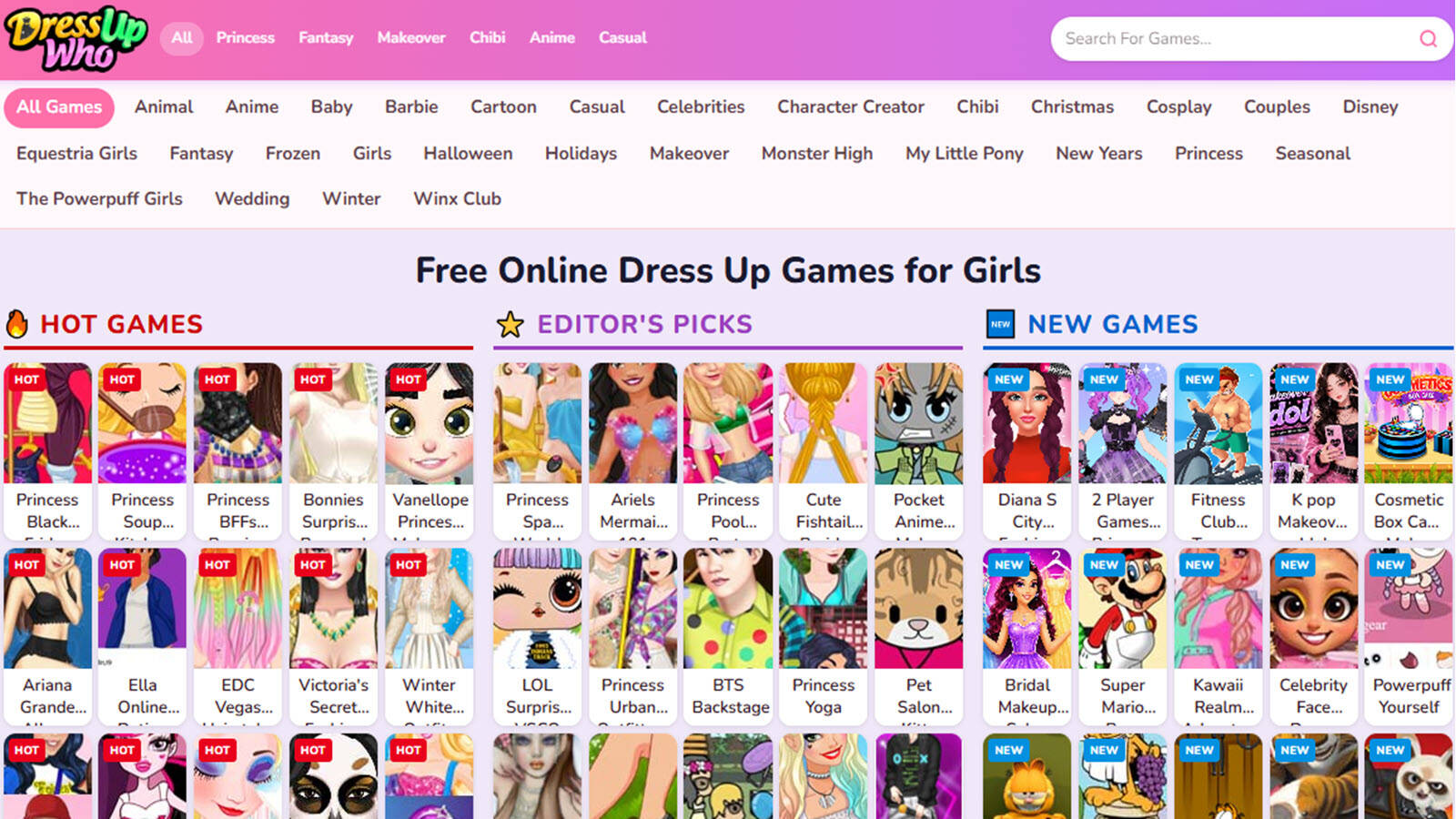
DressUpWho has collected free browser dress up games since the early 2010s and still adds new princess, anime, celebrity, Barbie-style, and holiday titles. Kids can search by tag, open a closet, and mix clothes, hair, and accessories with no account required. Featured rows highlight games players return to often, while category pages group makeovers, fashion challenges, and fairytale looks. The usual path is simple and friendly for beginners: choose a character, move through wardrobe tabs, then save or replay the look. Because the site is a big library rather than one studio world, quality and story depth change from title to title. Some games feel like full mini salons. Others are quick one-scene stylers. That range is the appeal for kids who get bored with a single closet. Families who want quieter play can bookmark a short list of approved games and skip the wider grid. The site works on phones, tablets, and desktops, which helps when siblings share a device.
Key features
- Searchable library of princess, fantasy, modern, and holiday dress up
- Browser play with no download
- Featured and popular rows to help kids start
- Makeup and accessory options in many titles
Facts and information
- A fit for kids who want many themes in one place
- Works best when a parent guides game choice
- Better for short styling bursts than one long campaign
5. Doll Divine
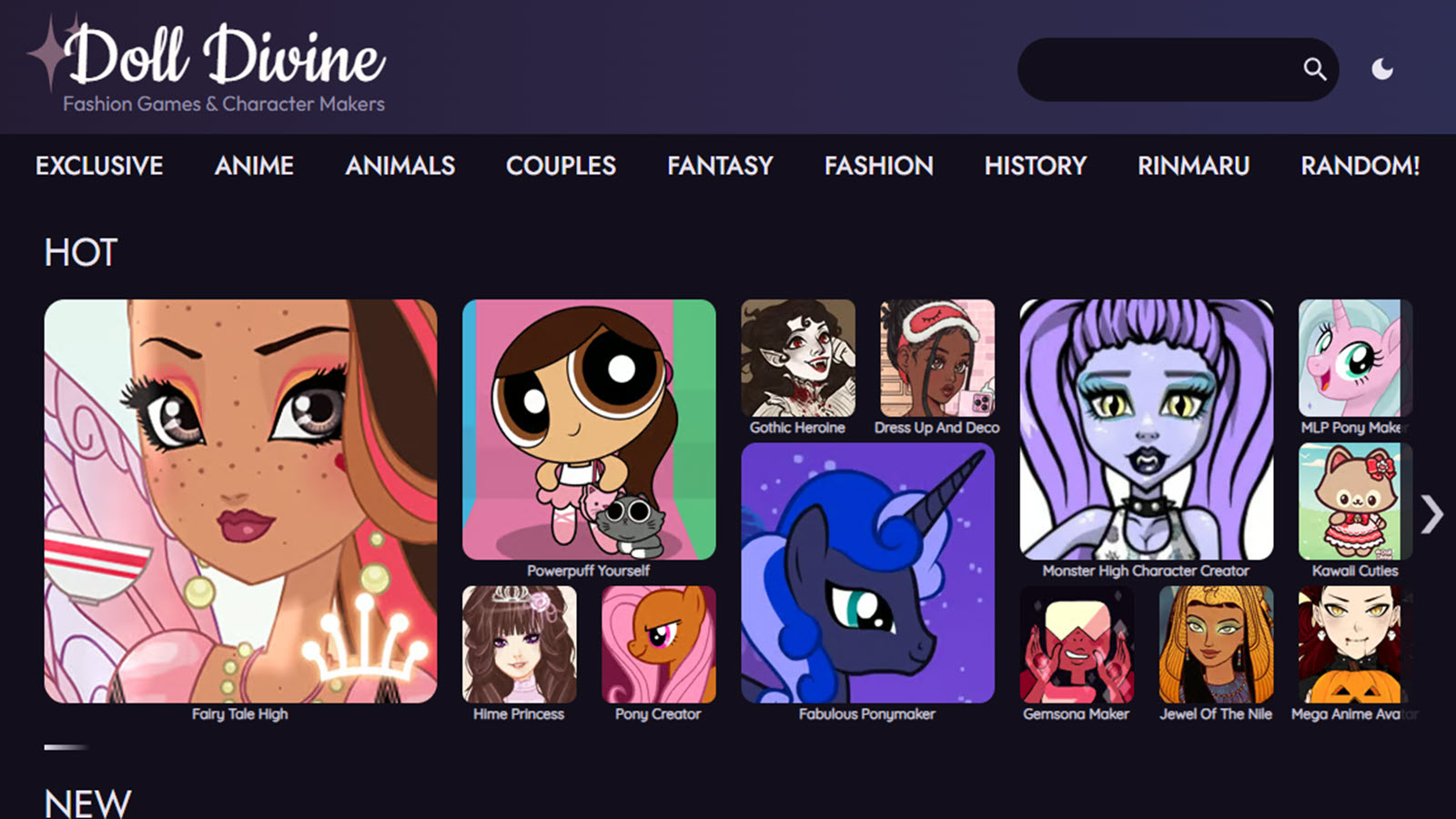
Doll Divine is an artist-led dress up and character-maker site known for detailed fantasy, history, folklore, and modern fashion creators. Players build original characters with layered clothes, hair, makeup, and extras rather than grabbing one ready-made set. Themes run from e-girl and soft-girl looks to ancient, fairycore, and storybook styles. Some older Flash games now run through newer tools, while fresh makers use current engines and work on mobile browsers. The closets are deep, so a patient child can spend a long session on one portrait. That depth is the main strength and also the reason younger kids may need help with small buttons and long menus. Doll Divine suits kids who treat dress up like digital art or story design. It is less like a timed fashion race and more like a sketchbook. Families who want a closed kids app may still use it for older children who already enjoy drawing and original characters.
Key features
- High-detail fantasy, historical, and trend-based dress up
- Layered clothing, hair, and accessory systems
- Original-character makers for stories and avatars
- Mix of classic preserved games and newer mobile-friendly creators
Facts and information
- Favored by kids who like fashion as art, not only as a quick match game
- Better for focused creators than very young beginners
- Strong theme range, from cozy everyday style to myth and folklore
6. Azalea’s Dolls

Azalea’s Dolls is a classic dress up site filled with illustrated princess, fairytale, historical, anime, and seasonal fashion games. Many scenes look like storybook pages, with soft colors, ball gowns, folklore clothes, and careful hair details. Kids can try wedding looks, mermaid and fairy closets, world-culture outfits, or character makers inspired by well-known tales. Exclusive games sit beside fantasy and history sections, so a child can move from a simple princess styler to a more detailed portrait maker. Play stays in the browser and keeps the old dress-up-site feeling: pick a doll, open the wardrobe, and build a look at an unhurried pace. Navigation can feel simpler and more old-school than a modern app, which some families like and some kids may find slower. It is a strong match for children who want pretty, patient styling more than scores, chats, or fashion battles.
Key features
- Hand-drawn princess, fantasy, and historical outfits
- Exclusive makers plus character and makeover games
- Seasonal, wedding, folklore, and anime themes
- Browser play with portrait-style results
Facts and information
- Long-running home for illustrated dress up
- Appeals to kids who love classic princess and fairytale fashion
- Best for slow creative sessions rather than competitive runways
7. Stardoll
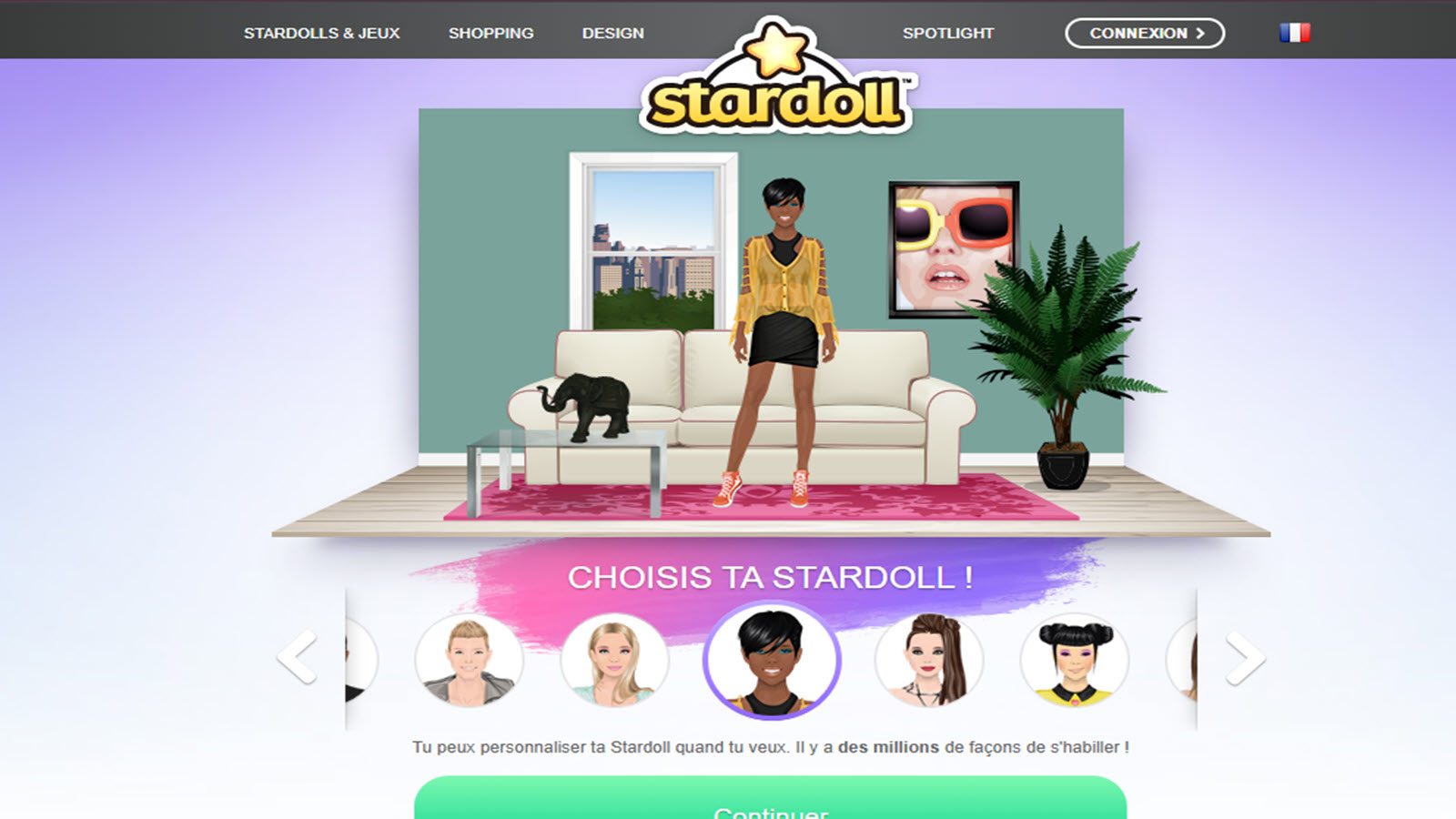
Stardoll is a fashion community where a child creates a doll, shops a huge virtual closet, visits a beauty parlor, and styles a room. The site, based in Stockholm, Sweden, has been a go-to dress up world for many years and still centers on clothes, makeup, hair, and home decor. Players can enter look contests, design items, and browse themed sets that change with seasons and events. The doll can be restyled again and again, which gives the “my character, my wardrobe” feeling older kids often want. The social layer is part of the product. Friends, parties, and chat can make fashion play feel shared, but they also mean a parent should set rules before a child joins. Stardoll is stronger as a style sandbox than as a short preschool game. It works well when an older child already likes collecting outfits and a grown-up stays involved in account settings and friend lists.
Key features
- Custom doll with a very large clothing and beauty catalog
- Room styling, look contests, and designer tools
- Beauty parlor for hair and makeup
- Community features around fashion and events
Facts and information
- One of the best-known web fashion worlds for girls
- Best when a parent guides privacy and chat settings
- Deeper closet play than most one-scene browser games
8. Toca Life World
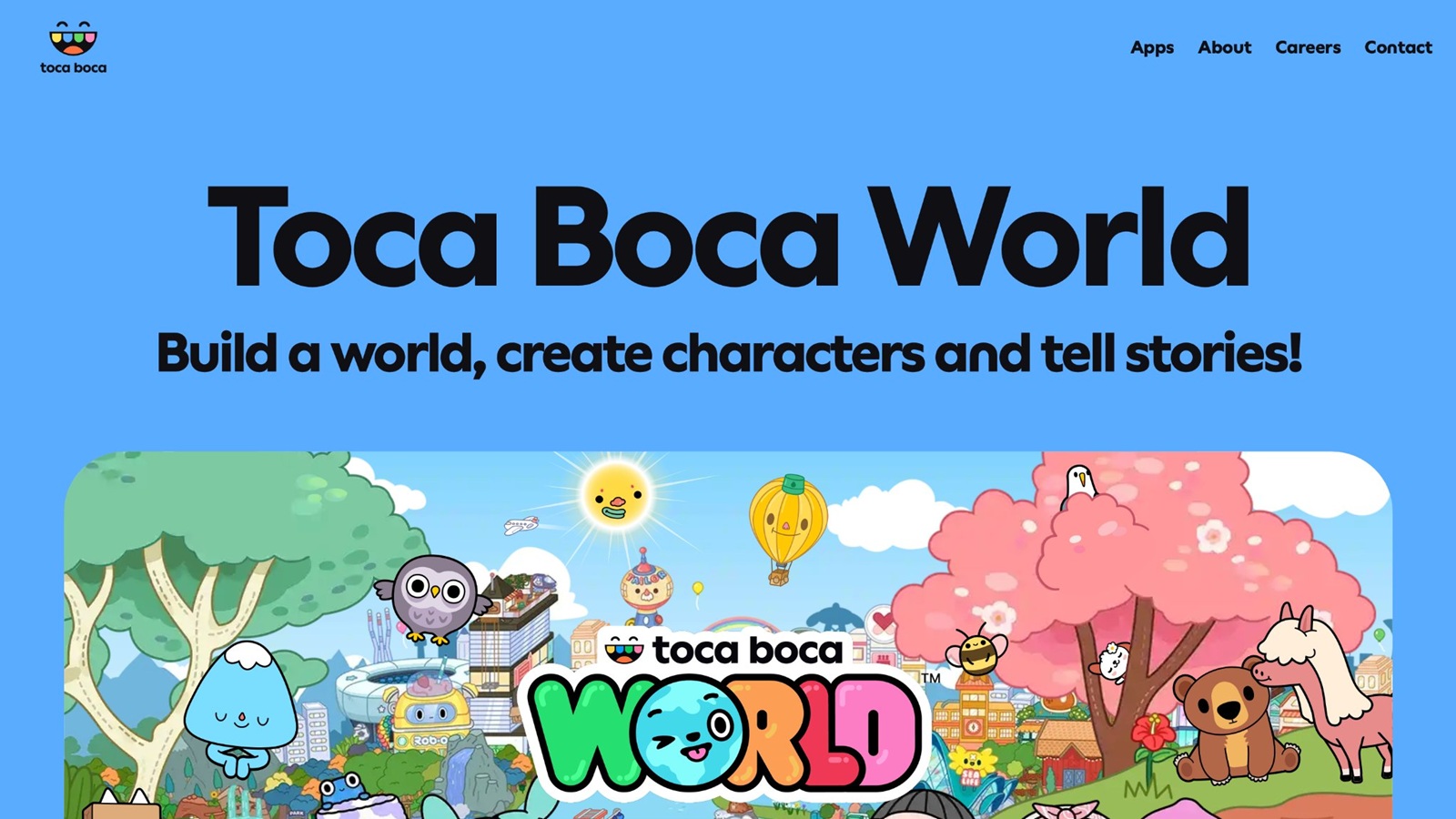
Toca Life World, from Toca Boca in Stockholm, Sweden, puts dress up inside a full pretend city instead of a single closet screen. Kids change clothes on characters, then keep the story going at home, school, a cafe, a studio, or a shop. There is no score and no “perfect look” to beat. Outfits can be fancy, silly, messy, or everyday, which keeps fashion tied to play rather than to a runway grade. Younger kids often like that they can dress a character and immediately send them to cook, ride, or visit a friend. The world is broad, so clothing is one tool among many. Families who only want a huge wardrobe may pair it with a more focused fashion title. Families who want open-ended play often like it because style choices feed pretend scenes. The design stays colorful, simple, and kid-led.
Key features
- Open-ended dress up inside connected locations
- Character creation and clothing changes with no win screen
- Story-led pretend play after each outfit
- Kid-friendly art and simple tap controls
Facts and information
- Strong for kids who mix fashion with role play
- Pairs well with short closet games when a child wants more clothes
- A calmer alternative to timed style contests
9. Barbie Fashion Closet
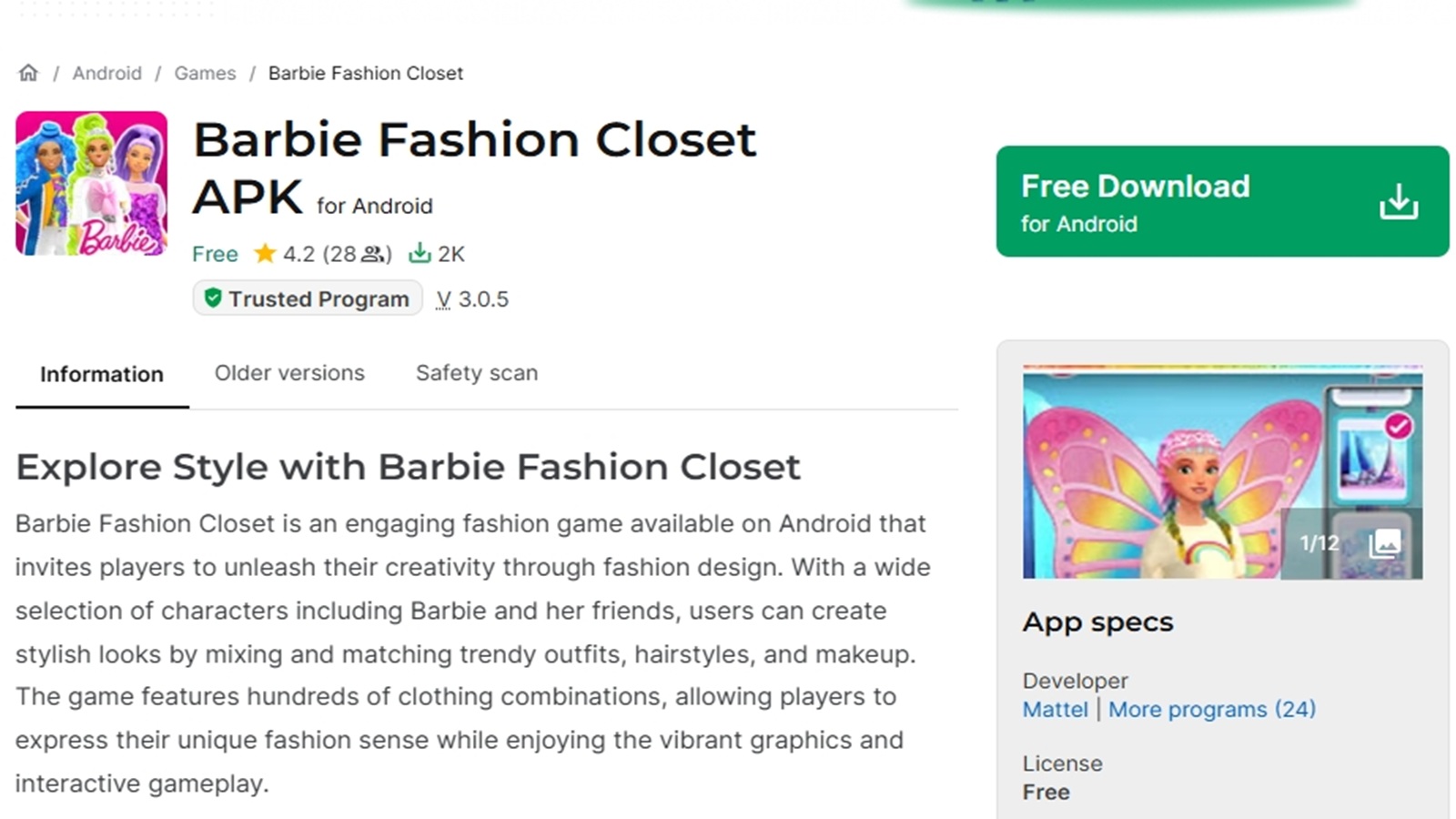
Barbie Fashion Closet is Mattel’s bright wardrobe app for mixing Barbie outfits, shoes, bags, and hair. Kids pick a doll, open themed closets, and build looks for parties, careers, weekends, and photo moments. The brand is familiar, so many girls start without a long tutorial. Saved looks let a child return to a favorite combination and tweak it later, which supports the same “try, change, try again” habit found in physical doll play. The app is polished and easy to read, with clear clothing categories and cheerful animations. It is more of a closet and styling toy than a long story adventure. That focus is helpful when a child wants fashion and only fashion. Parents who want extra learning goals can follow a styling session with real-life talk about weather, color matching, or what a character might do next in that outfit.
Key features
- Large Barbie wardrobe with mix-and-match pieces
- Looks for many occasions and moods
- Save and replay favorite outfits
- Familiar characters and simple navigation
Facts and information
- Easy starting point for kids who already love Barbie
- Focuses on closet play more than quests or lessons
- Works well as a short, cheerful styling break
10. Infinity Nikki
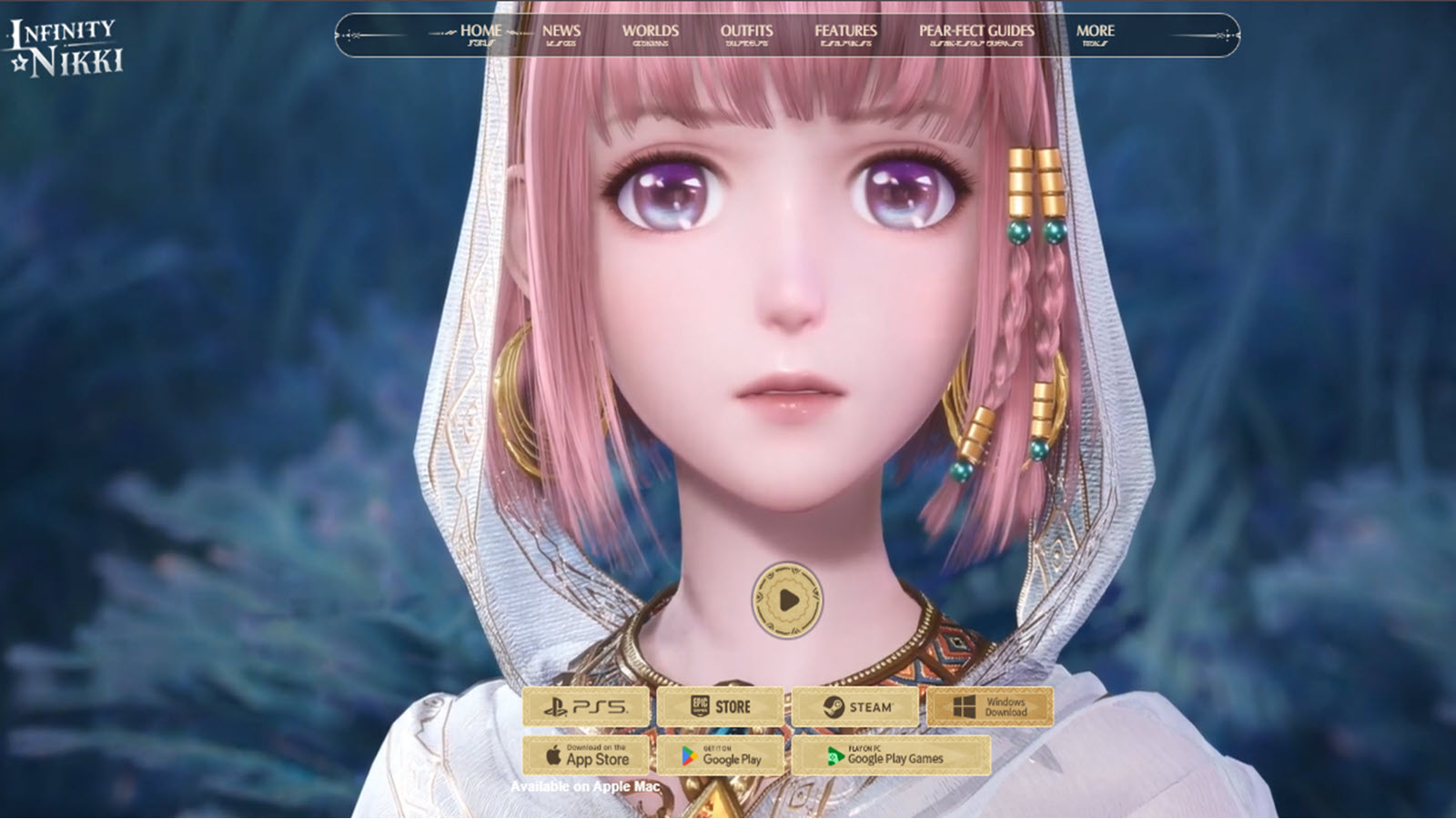
Infinity Nikki is an open-world fashion adventure from Infold Games, a studio in Shanghai, China. Players style Nikki, collect outfits, take photos, and use special clothes that help with travel, puzzles, and exploration. Dress up is not only a menu. A look can change how the character moves through a pretty landscape, which makes fashion feel useful as well as decorative. The world is detailed, with scenic spots that invite screenshots and lookbooks. That scale is exciting for older kids and teens who want more than a single dressing room. Younger children may find maps, collectibles, and systems too much for a first fashion game. Families should check age fit and play together at the start. Infinity Nikki stands out when a child already likes exploration games and wants clothes to be part of a bigger outing, not only a closet puzzle.
Key features
- Open-world fashion collecting and outfit abilities
- Photo and lookbook style play in scenic locations
- Story travel mixed with clothing discovery
- Large wardrobe sets across many moods
Facts and information
- A strong pick for older players who want fashion plus adventure
- Less suited to very young beginners than simple closet games
- Treats outfits as both style and exploration tools
11. PBS Kids
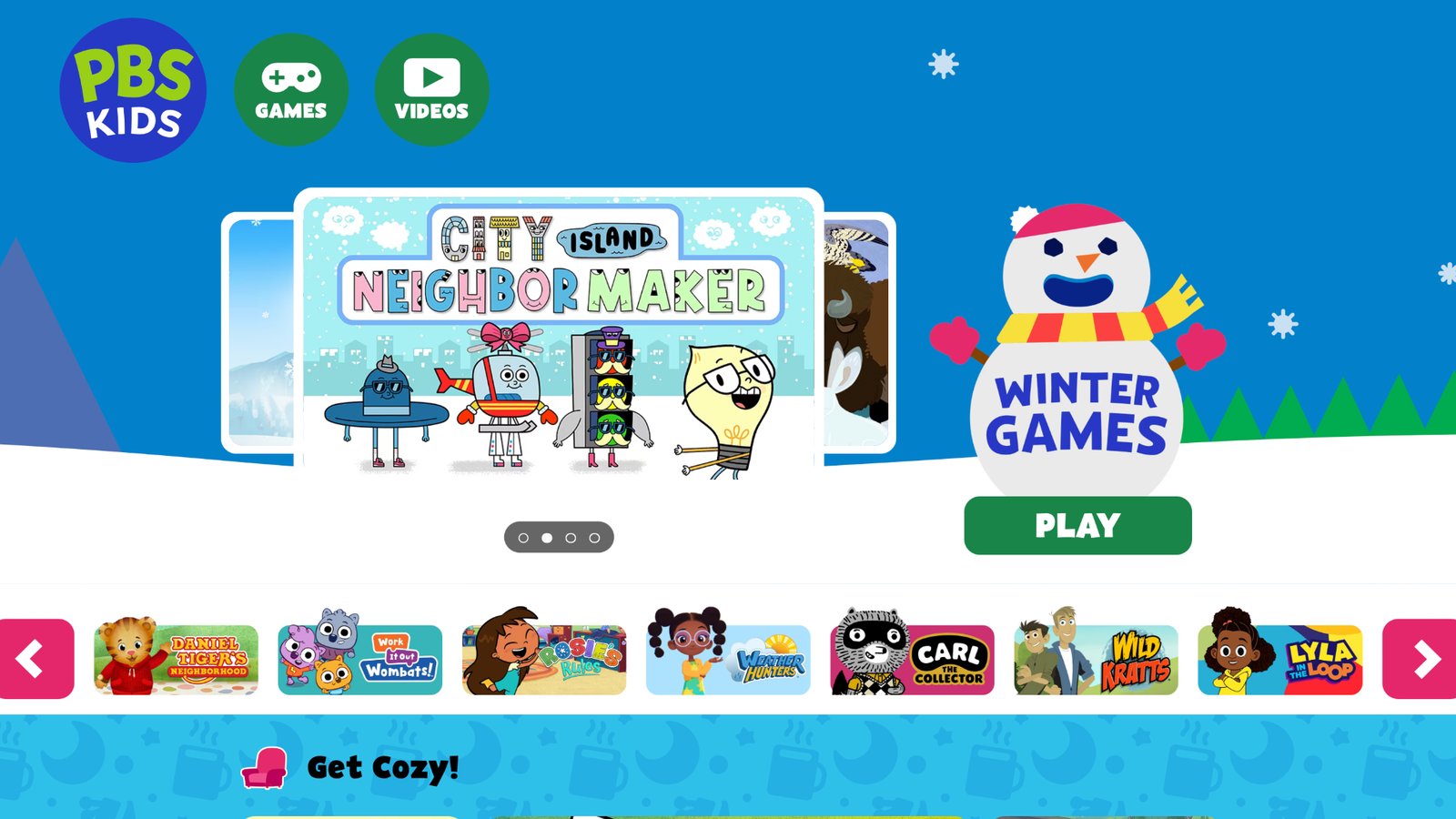
PBS Kids includes dress-the-weather games and character play that treat clothes as part of daily life. Kids pick outfits for rain, sun, or snow, or they style familiar show characters in short, clear activities. The tone stays kind and educational. Graphics are simple, buttons are large, and sessions are brief, which suits preschool and early-grade attention spans. These games are not trying to be luxury fashion studios. They help a child connect clothing to a reason: stay dry, stay warm, get ready for a visit, or play a role. That makes them a useful balance next to sparkly runway titles. Families can use a PBS Kids styler as a warm-up, then move into a longer creative closet if the child still wants more. The site is a public-media kids destination, so the surrounding games also lean toward reading, science, and social skills.
Key features
- Weather and character dress activities
- Simple controls for young kids
- Familiar public-media characters
- Short, clear play sessions
Facts and information
- Helps kids think about why we wear different clothes
- Best as a supplement to longer creative fashion games
- A gentle option when families want learning-first play
12. My Town
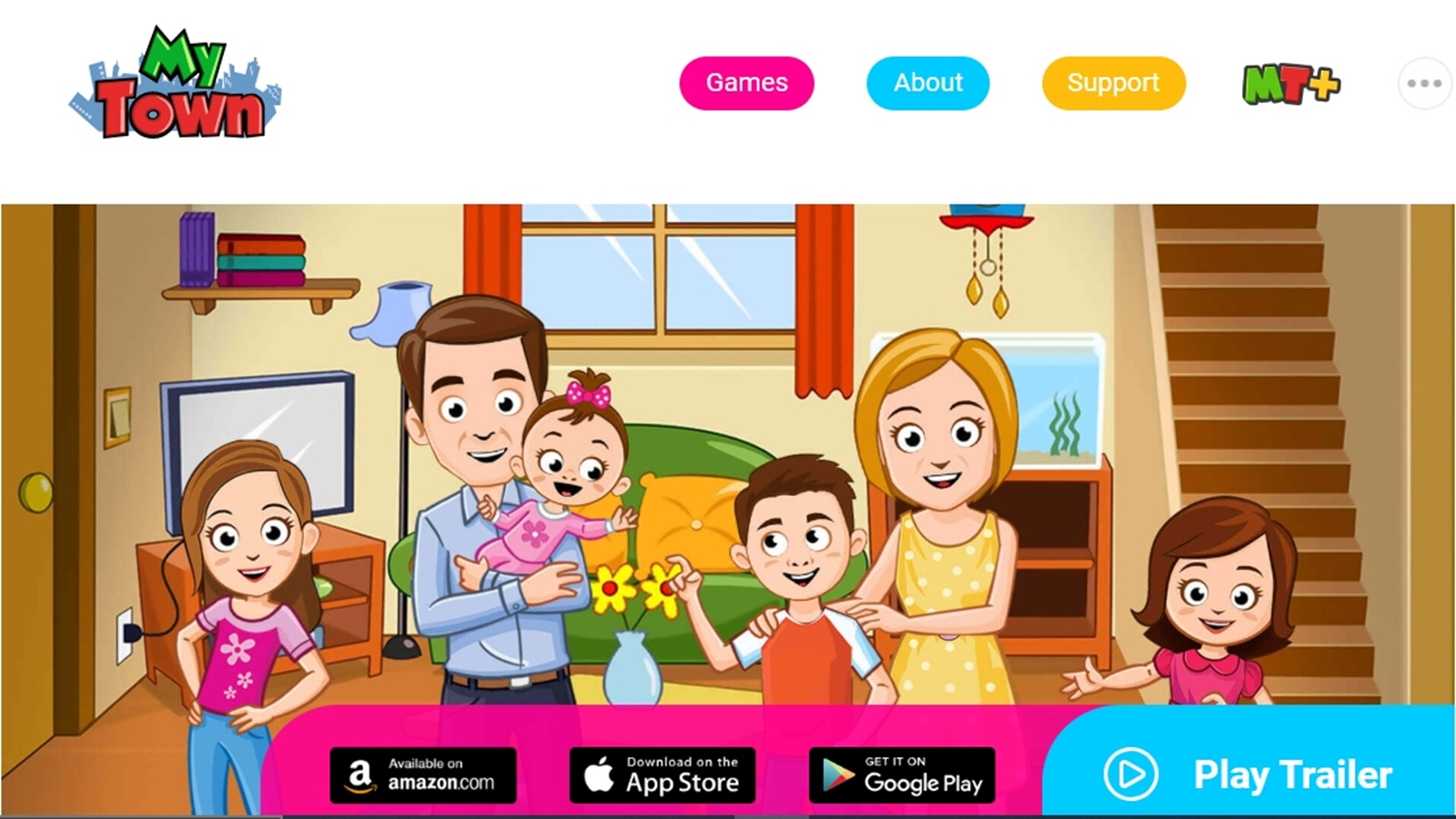
My Town, from the Play Toddlers team behind a large set of dollhouse apps, lets kids run a home, shop, school, or fashion-show space and change clothes along the way. Dress up sits next to pretend life. A child picks an outfit, then walks the character through rooms, events, and little jobs. The art is cute and easy for younger players, with tap controls that feel close to playing with a digital dollhouse. Some titles add a runway, closet, or salon room so fashion gets extra time. The experience is broad on purpose. Kids who only want a giant wardrobe may later want a dedicated dress up app. Kids who like houses, families, and outfits together often stay longer because the clothes feed a scene. It is a practical pick for siblings of different ages who want shared pretend play more than a contest.
Key features
- Dollhouse rooms with clothing changes
- Fashion show and daily-life scenes
- Simple tap controls for young kids
- Family and home role play around each look
Facts and information
- Good for kids who like houses and outfits together
- Complements more focused fashion closets
- Feels like toy play on a screen rather than a style battle
13. Prinxy
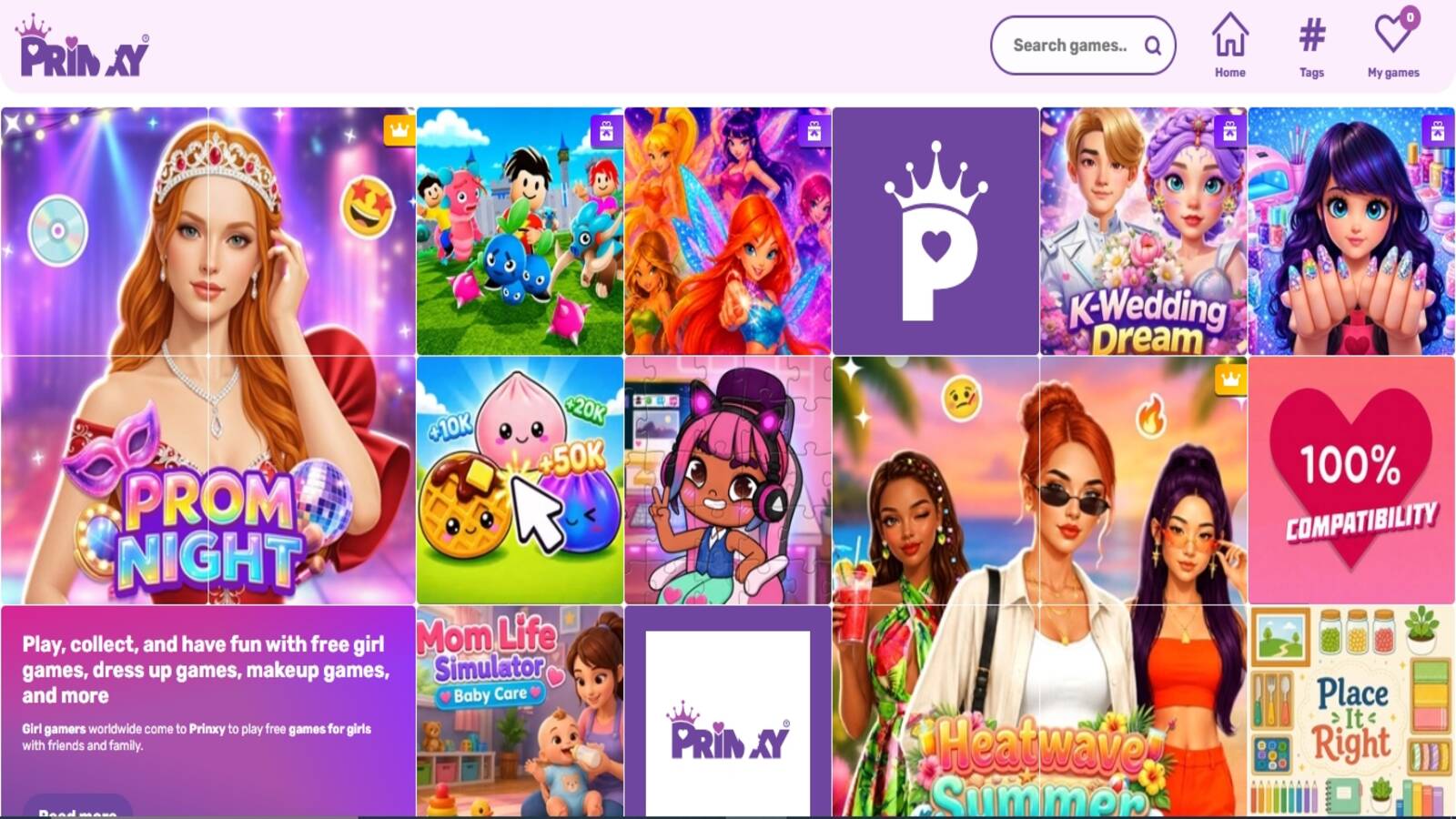
Prinxy is a browser game site with many HTML5 fashion, makeup, celebrity, idol, and doll-styling titles that load quickly on phones and computers. Kids can open a makeover, a runway challenge, or a kawaii doll dresser and start tapping items with no download. Games often follow a clear path: pick hair, clothes, and extras, then see a posed result or a short fashion-show moment. That makes Prinxy handy for casual players who want a new look fast. The catalog is wide and modern, with influencer, school, princess, and livestream-style themes mixed together. Because it is an open game portal, presentation and extra on-page content can feel busier than a single kids app. A parent can still make it work by choosing one game, playing it through, and closing the tab when the look is done. It is a convenience pick more than a guided learning world.
Key features
- Instant browser fashion and makeover games
- Celebrity, idol, princess, and modern doll themes
- Mobile-friendly HTML5 play
- Short styling paths with posed results
Facts and information
- Useful for quick sessions when a child wants a new closet right away
- Best with a parent picking one title at a time
- Lighter on long stories and parent tools than a kids subscription
14. Meiker
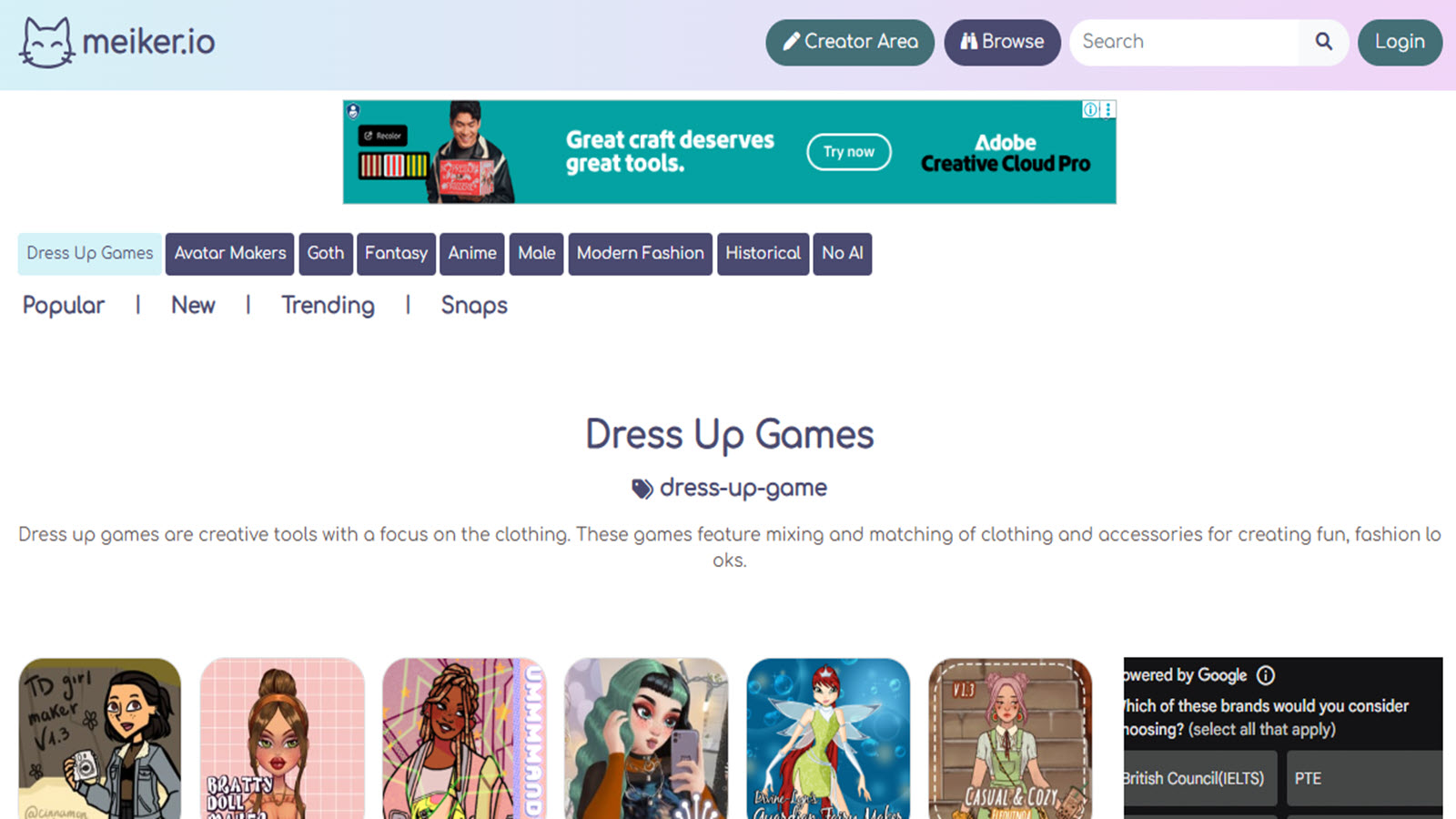
Meiker is a creator platform where artists publish dress up and character-maker games that players open in a browser. Instead of one house style, kids move between many makers with different art, body types, and fashion points of view. A child who likes soft pastels can try one game, then switch to a historical, fantasy, or street-style maker. The tools often support layered clothes and tagged items, which helps with mix-and-match play. Meiker is a good stop for older kids who already enjoy original characters and want more than a single branded closet. Younger children may need a grown-up to choose a maker, because the catalog is built for creators and fans as much as for preschool play. Used with care, it gives families access to fresh artist-made dress up without installing a new app for every style.
Key features
- Artist-published dress up and character creators
- Layered clothing and tagging for mix-and-match looks
- Wide range of art styles and fashion themes
- Browser play across many separate makers
Facts and information
- Strong for kids who like building original characters
- Quality and age fit depend on the individual maker
- Best when a parent bookmarks a few approved creators
15. Covet Fashion
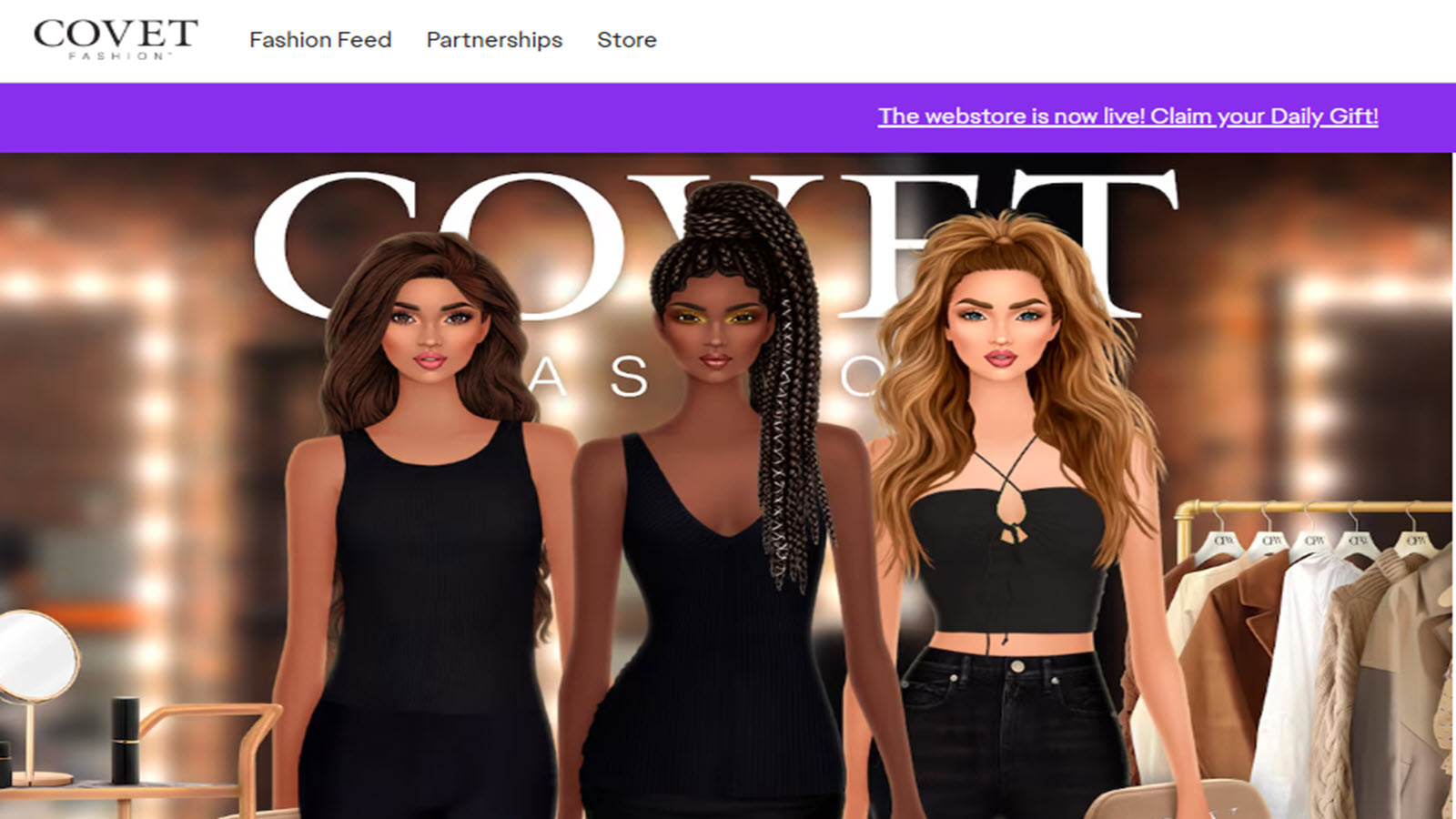
Covet Fashion is a mobile styling game built around real-world inspired looks and weekly style challenges. Players read a theme, pull pieces from a large closet, and submit an outfit for voting. The closet covers evening wear, casual sets, accessories, hair, and makeup, so kids who already follow fashion trends often feel at home. Challenges give dress up a goal and a deadline, which some older girls enjoy because it feels closer to a stylist job than to a toy closet. That same structure can feel busy for a young child who only wants to play. Covet Fashion is a better match for tweens and teens with a parent nearby than for preschool fashion play. It shows how dress up can grow with a child, from simple princess closets into theme-based styling. Families who start with gentle kids games can keep Covet in mind for later, when a child wants fashion challenges and a bigger wardrobe.
Key features
- Theme-based styling challenges
- Large closet of clothes, hair, makeup, and accessories
- Look submission and community voting
- Season and event-driven fashion goals
Facts and information
- Aimed at players who like fashion contests more than open doll play
- Better for older kids than for early learners
- Useful as a later-step fashion game after simpler closets
16. Lady Popular
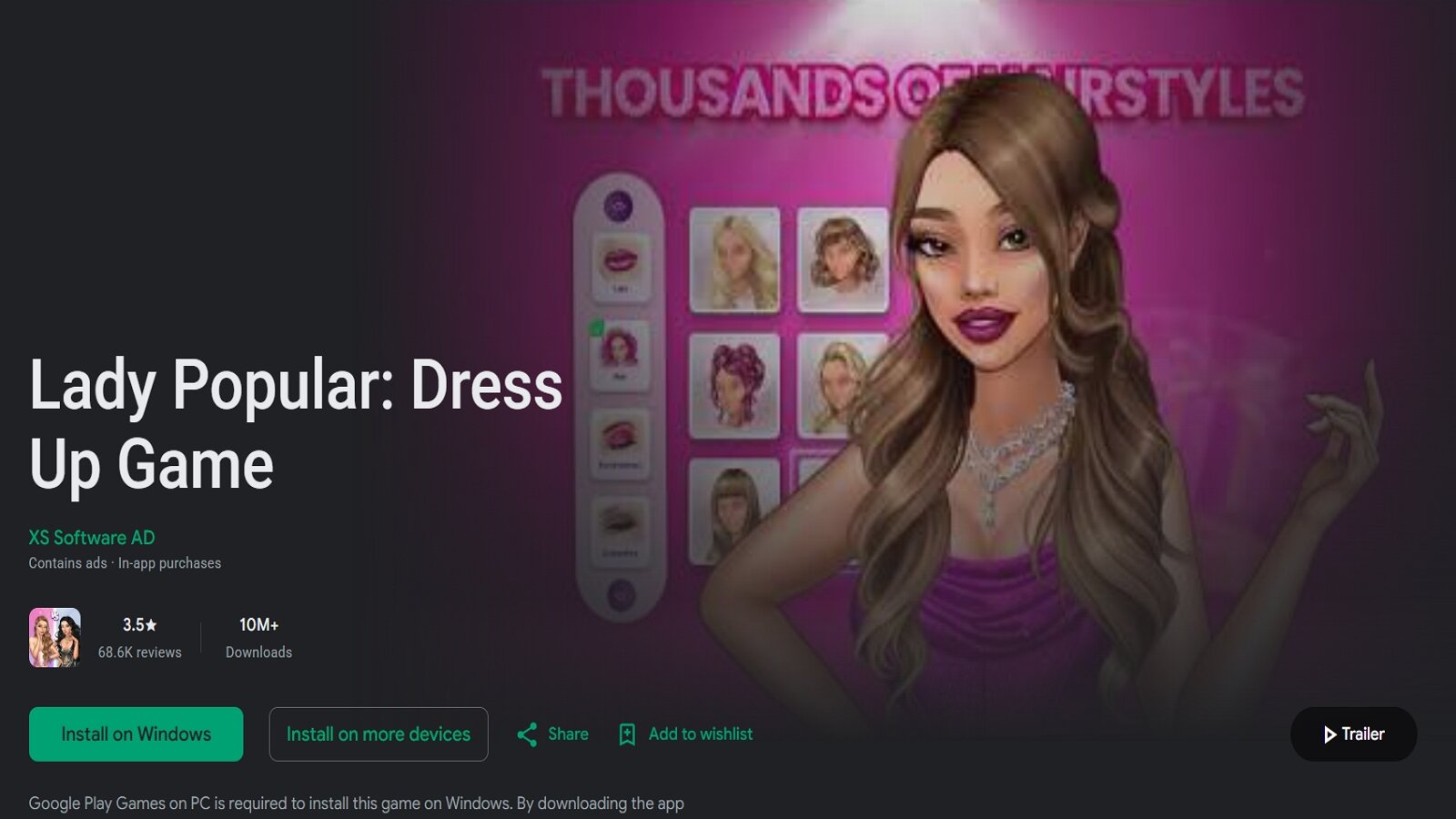
Lady Popular stands as one of the longer-running dedicated fashion simulation experiences available to players in the United States, offering a complete virtual styling world built around avatar customization, competitive ranking, and light lifestyle elements. Developed by XS Software, the title lets children and older players create a unique character and then spend time exploring an extensive wardrobe of clothing, shoes, accessories, hairstyles, and makeup looks that update regularly. The core loop centers on mixing pieces to match specific themes or personal taste before entering fashion arena battles or beauty pageants where other players vote on the results. Beyond the closet, the game includes apartment decoration tools so a finished outfit can sit inside a personalized living space, along with options to style pets and participate in clubs or shared events. This combination turns simple dress-up into a broader pretend lifestyle that many girls return to over multiple sessions. Navigation stays approachable once the initial character is set, and the presence of both casual styling modes and ranked challenges gives the experience flexibility.
Key features
- Large rotating catalog of clothing, makeup, hair, and accessories
- Fashion arena duels and beauty pageant competitions with player voting
- Apartment customization and pet styling systems
- Social clubs, shared events, and look-sharing tools
- Weekly updates and theme-based challenges
Facts and information
- Available on major mobile app stores and as a browser title for U.S. players
- Combines pure dress-up play with light life-simulation features such as home and pet care
- Supports both short creative sessions and longer competitive ranking campaigns
17. Life Makeover
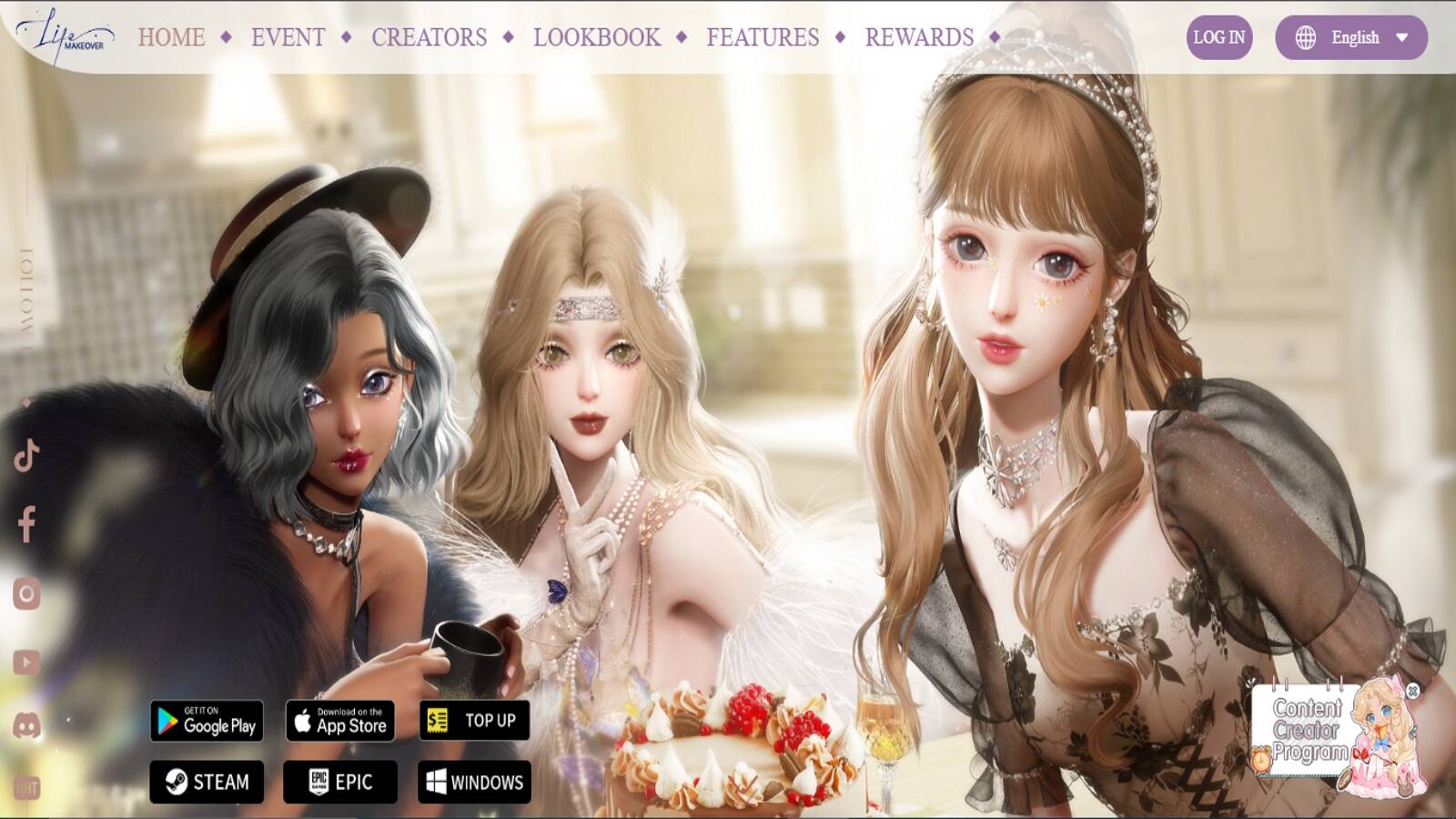
Life Makeover delivers a high-detail 3D fashion and lifestyle experience from Archosaur Games that focuses on realistic character creation, clothing design, and virtual daily living. Available to players in the United States through mobile platforms, the title begins with extensive avatar sculpting that covers facial structure, body proportions, hair, and layered makeup, rendered with attention to fabric physics and lighting. Once the character is ready, players move into a broad wardrobe system where they can select ready-made pieces or experiment with design tools that let them choose materials, patterns, and cuts. Styling sessions often lead into home decoration, pet customization, or event-based looks that can be shared or used in light competitive modes. The polished visual quality makes outfits and environments feel more immersive than many simpler 2D closet games, which appeals to older girls and teens who want fashion play that resembles a lifestyle simulator. Ongoing seasonal updates introduce new clothing sets, furniture, and interaction options, keeping the catalog active. Because the systems are deeper than basic mix-and-match screens, the game works best when a child already enjoys spending time on character details and has some familiarity with mobile 3D titles.
Key features
- Advanced 3D avatar customization for face, body, hair, and makeup
- Clothing design tools with material, pattern, and cut options
- Home decoration and pet customization features
- Event styling modes and light competitive challenges
- High-fidelity rendering of fabrics, lighting, and environments
Facts and information
- Developed by Archosaur Games and available on U.S. mobile platforms
- Emphasizes realistic visual presentation alongside fashion and lifestyle systems
- Receives regular updates that add clothing sets, furniture, and new interaction modes
18. Zepeto
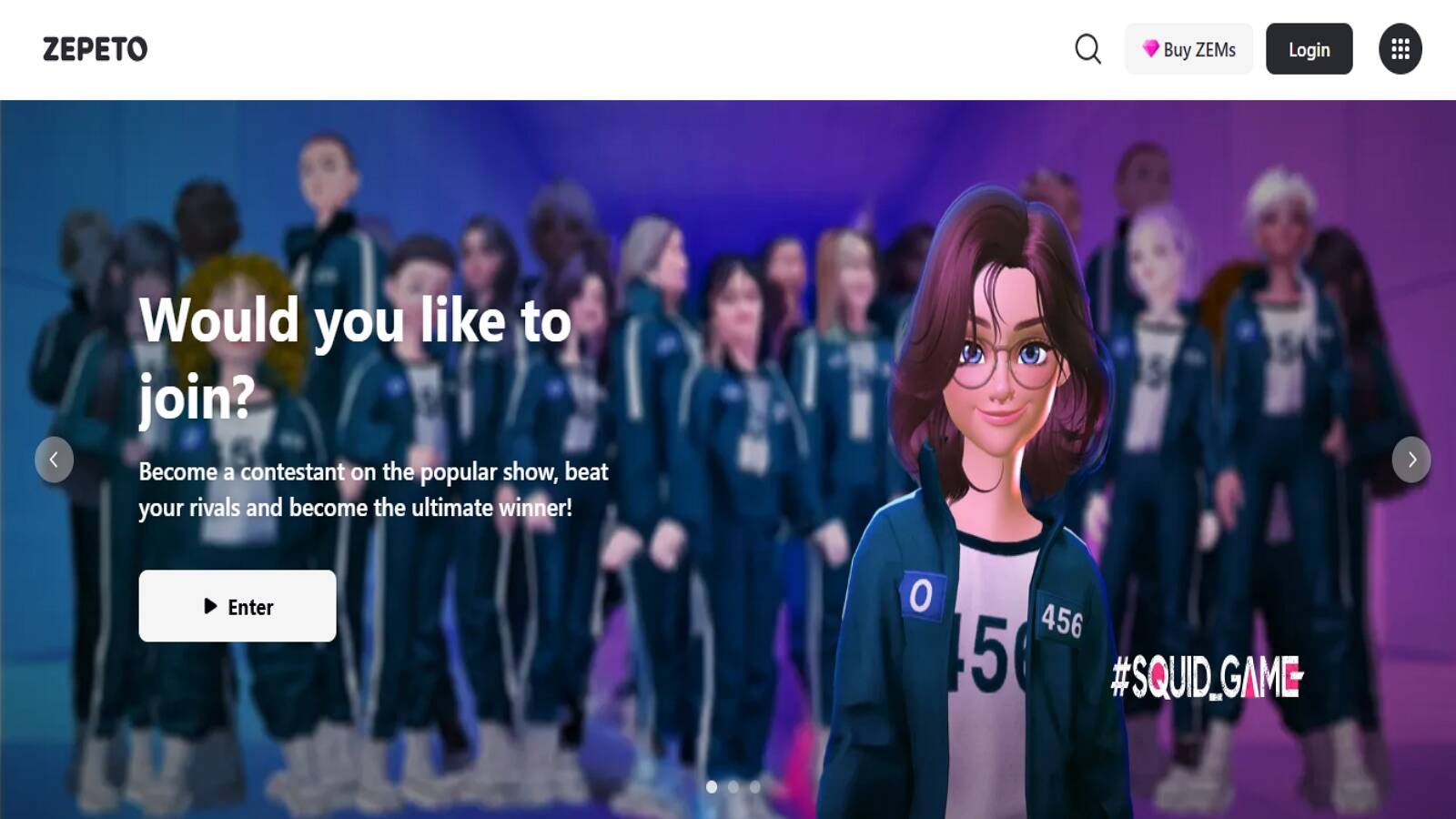
Zepeto, operated by Naver Z Corporation, is a widely available 3D avatar platform in the United States that places fashion and self-expression at the center of a social and creative experience. Players generate a customizable character, often starting from a selfie, and then style it using a large selection of clothing, hairstyles, makeup, and accessories drawn from official collections as well as user-created items. The wardrobe supports a wide range of everyday, trendy, and themed looks that can be changed freely and then carried into virtual worlds, photo booths, and shared feeds. Creator tools allow interested players to design and distribute their own fashion pieces, adding another layer of creativity beyond simple selection. Seasonal drops and brand collaborations keep new styles arriving, while the ability to pose, photograph, and share looks turns dressing up into a social activity. The platform suits tweens and teens who want a persistent digital identity that combines closet play with light multiplayer hangouts. Because real-time social features are present, families typically review privacy and interaction settings before extended use.
Key features
- Selfie-based or manual 3D avatar creation with deep customization
- Extensive catalog of clothing, hair, makeup, and accessories
- User-created fashion items through studio tools
- Virtual worlds, photo modes, and look-sharing feeds
- Seasonal style drops and collaborative collections
Facts and information
- Operated by Naver Z Corporation with strong availability on U.S. app stores
- Treats fashion as the primary way players express avatar identity
- Includes both official items and a creator marketplace for clothing and accessories
19. IMVU

IMVU offers a long-standing 3D avatar social and fashion environment accessible to players in the United States on both mobile and desktop. The experience centers on building a fully adjustable character and then dressing it from one of the largest user-generated catalogs available in the category, covering clothing, hair, skins, accessories, and specialty looks across many aesthetics. Saved outfits can be worn in chat rooms, personal spaces, and events, while newer outfit challenge features let players submit themed looks for community voting and ranking. The creator-driven economy means new styles appear frequently and range from everyday streetwear to fantasy or trend-focused pieces. This depth makes IMVU feel more like a persistent fashion community than a single-session dressing game. It is generally better suited to older children and teens who are comfortable with online social spaces and want a large, evolving wardrobe tied to conversation and events. Account controls for privacy and interaction remain important for family use.
Key features
- Fully customizable 3D avatars with extensive clothing and beauty options
- Large user-created fashion catalog spanning many styles
- Outfit challenges that include community voting
- Chat rooms, events, and shared virtual spaces
- Look saving, sharing, and inventory management tools
Facts and information
- Available on mobile and desktop platforms for U.S. players
- Relies on a large creator community for the majority of clothing and accessories
- Combines dress-up systems with social interaction and themed styling challenges
20. Avakin Life

Avakin Life, developed by Lockwood Publishing, is a 3D virtual world available in the United States that integrates clothing and style into an open social and exploration experience. Players begin by customizing an avatar’s face, body, hair, and makeup before selecting from a sizable wardrobe that receives weekly fashion drops covering streetwear, glamorous, fantasy, and seasonal aesthetics. Finished looks can be worn during hangouts, parties, photo sessions, and themed events, and animation choices help characters move in ways that match an outfit. Home building and location travel sit alongside the styling tools, so a character’s appearance remains part of broader pretend play rather than existing only inside a closet menu. The combination appeals to older kids and teens who like mixing fashion with light role-play and shared scenes. Real-time social features are present, so parental review of chat and friend settings is recommended before extended sessions. Regular content updates continue to expand both the clothing options and the world locations, giving the title ongoing variety for players who enjoy persistent avatar styling inside a virtual life setting.
Key features
- Detailed avatar customization covering face, body, hair, and makeup
- Large wardrobe with frequent weekly fashion drops
- Virtual homes, explorable locations, and event spaces
- Photo and video tools for sharing styled characters
- Animation and pose options that complement outfits
Facts and information
- Developed by Lockwood Publishing and available on major U.S. mobile platforms
- Integrates clothing choices into a broader virtual-life and social environment
- Maintains regular updates for both fashion items and world content
How Fashion Play Builds Creativity And Confidence
A closet screen is a tiny design studio. Kids choose a color story. They decide if a look feels cozy, fancy, or silly. Then they see the result on a character they care about. That feedback loop is simple and powerful, and it matches other fun educational games for kids that let children try an idea, change it, and try again.
Fashion play also helps kids talk about identity in a light way. A child can try a sporty jacket one day and a ballgown the next. No one has to keep the look. That freedom lowers pressure. Open creative play often helps children speak more about their choices and stay with a task a little longer, the same way emotional games for kids give feelings a safe place to show up.
Pair style time with real-world play. Paper dolls, a dress-up box, or drawing an outfit after a game can stretch the same idea. A Fluvsies paper doll printable keeps the character play going after the screen is off. Learning through play examples make that handoff clearer: name the colors, tell a tiny story, then act it out with toys.
Keep the mood kind. Praise the idea, not only the “pretty” result. “You matched the scarf to the boots” teaches more than “You look perfect.” That kind of home play sits naturally beside educational games for kids at home, where fashion, care, and make-believe share the same afternoon.
- Mixing two colors helps kids practice visual planning. A simple prompt is, “What color should the shoes be?”
- Picking weather clothes helps kids practice real-life reasoning. A simple prompt is, “What would keep her dry?”
- Saving a favorite look helps kids practice decision making. A simple prompt is, “Which outfit is for the party?”
- Dressing a doll after care time helps kids practice empathy and routine. A simple prompt is, “She is sleepy. What should she wear?”
How To Choose Safe Online Dress Up Games
Start with age fit. A preschooler needs big buttons and short scenes. An older child may enjoy deeper closets or story fashion. Read the store listing and open the game yourself first. Age-fit play for little ones often overlaps with games for young kids.
Then, check the room around the game. Ask if there are ads, stranger chat, or pop-ups that send a child to another site. Guidance in how to protect kids online pairs well with fashion play because a closet game is still an internet game. Privacy questions, sign-in, and family accounts are covered in the main FAQ and privacy sections.
Keep sessions short and shared when you can. Fashion games are easy to restart, which is a plus, but kids can hop from look to look without a pause. A simple rule helps: one saved outfit, then a stretch or a snack. On phones, mobile games for kids with parent-managed access are easier to watch than open browser hubs. On tablets, educational games for kids on iPad keep styling in a calmer, family-controlled space.
Watch body-image cues too. Choose games with many hair types, skin tones, and clothing styles. Skip titles that treat makeup as a “fix.” Dress up should feel like pretending, not a test.
Latest News In 2026
In 2026, families still look for online dress up games for girls that stay ad-free and easy to share across phones and tablets. TutoClub, the subscription home for TutoTOONS games from the kids studio in Kaunas, Lithuania, continues to place fashion makeovers inside a larger set of calm titles. L.O.L. Surprise O.M.G. Fashion Club and Princesses Enchanted Castle remain core styling spots where kids collect clothes, build outfits, and invent small stories.
New seasonal closets and gentle updates keep those rooms feeling current. Parents report that the same login works on more than one device after each game is downloaded, which helps on trips or when siblings take turns. Fashion sessions still sit next to pet care, cleanup play, and short learning moments inside the same TutoClub games collection. The overall tone stays bright, kind, and free of chat or surprise ads, matching the wider focus on safe apps for kids.
Regular content refreshes mean closets and castle rooms gain fresh items without forcing long campaigns. Families who already use the plan for unicorn care or Fluvsies-style activities can move straight into a styling quest and back again. The result is a playroom feel rather than a single closet screen, which fits the way many homes already mix creative tasks in one afternoon.
FAQ
What are the best online dress up games for girls in 2026?
The best online dress up games for girls in 2026 mix a fun closet with calm, age-fit play. Kids should be able to try clothes, hair, and accessories, then change the look without pressure. Fashion titles work even better when style sits beside care play and short stories. A related guide to dress up games covers the same mix of creativity and kind pretend play. Shared play helps too, because a parent can talk about colors, weather, and why a character might wear that outfit.
Are online dress up games good for young kids?
Yes, when the game is gentle and the session is short. Young kids use dress up to name colors, practice dragging items, and invent tiny stories. Simple screens and kind characters matter more than a huge wardrobe. Games for preschoolers that include clothing play often work well because the child can dress a character and then keep the pretend scene going. If a child gets stuck on one “perfect” look, shift into care play, a silly costume, or a real-life dress-up box for a few minutes.
Can dress up games help with learning, not only fashion?
They can, because style play is full of small choices. Kids sort clothes by color and season, plan a look in steps, and use new words for fabrics, jobs, and events. Some games add care routines after the outfit is done, which supports empathy and daily habits. That mix also appears in kid educational games, where fashion can sit next to kindness, focus, and storytelling. The learning shows up in the language, the planning, and the confidence to try again, not in a test at the end.
How do families keep dress up games safe at home?
Use a parent-managed account, keep chat closed, and preview a safe game before a child plays. Pick titles with no pop-ups that pull a child onto another site. Family account questions are covered in the subscription FAQ. Keep devices in a common room and save a short list of trusted closets instead of browsing open game hubs. A shared family space makes style time easier to watch.
What should parents look for in a dress up game for girls?
Look for easy controls, friendly characters, and clothes that feel like pretend play, not a beauty test. Varied hair, skin tones, and outfit styles help kids try many identities without one “right” body or look. A useful game lets a child redo a look, save a favorite, and connect clothes to a story, such as a rainy walk or bedtime. Learning apps for kids that include fashion often add care tasks, which keeps style time kind and purposeful. Age fit comes first: preschoolers need big buttons and short scenes, while older kids may enjoy deeper closets and longer make-believe.
What themes appear most often in online dress up games for girls?
Online dress up games for girls often feature princess gowns, school outfits, party looks, and seasonal clothes. Kids also enjoy holiday bows, rainy-day coats, winter scarves, summer dresses, and simple everyday styles that let them invent small stories. These themes give a clear reason to open the closet and match items to weather, time of day, or events such as a rainy walk or a pretend birthday. Hair and makeup usually finish the look once the clothes are chosen, turning a basic outfit into a complete pretend scene. Seasonal updates keep the same closets feeling new without changing the gentle pace of the play. Girls who already style familiar characters often stay with the same soft fashion energy. Magical finishes and pet styles show up too when kids want sparkle next to everyday outfits. Castle rooms and doll care add extra story layers to the same gown choices. The same gentle themes sit well next to games for preschoolers that include simple clothing choices and short pretend scenes.
Can kids play dress up games offline after download?
Yes. Once a title is downloaded to a phone or tablet, most sessions continue without a fresh internet connection. That makes the games useful on car rides, in waiting rooms, or during quiet afternoons when Wi-Fi is busy or unavailable. A saved outfit usually stays ready for the next short session so play can pick up right where it left off. One family account often covers more than one device for easy sharing between siblings. The same login works after each game is downloaded, which helps when families travel or switch between a phone and a tablet in the same day. Parents can keep a short list of trusted titles so the next session starts quickly without open browsing. This offline option also fits calm pacing found in many family collections. Short saved looks work well for travel because the game restarts fast and stays inside the same plan. Kids can finish one look, close the app, and open it later with the same outfit still ready. Related device ideas appear in educational games for kids at home.
How do story prompts change dress up play?
A simple prompt such as “She needs a coat for the rain” or “It is time for bed” gives the closet a purpose. Kids match clothes to weather, time of day, or events instead of picking items at random. Free closet play still works when no prompt is used and kids want to experiment freely with any combination they like. Both styles sit inside calm family collections. A short home prompt can turn either style into a tiny story that connects the outfit to everyday life. That small purpose keeps the session kind and easy to restart later. Story-based rooms help kids connect clothes to real routines while free closets let them try new mixes without rules. Parents can use the same prompt idea with paper dolls or real clothes after the screen ends. The pattern of choice and care also shows up in social emotional games for kids. A prompt about feelings or daily habits can turn a simple outfit into a longer pretend moment.
Do dress up games work well for siblings sharing one device?
Yes. One parent account often covers more than one phone or tablet. Siblings can take turns opening the same closets and saving favorite looks without needing separate logins. Short sessions keep the sharing easy and calm so no one waits long for a turn. The same login works after each game is downloaded, which helps when devices are shared at home or on trips. Parents can keep a short list of trusted titles so the next child starts quickly. This setup fits the way many families already mix style play with other calm activities in one afternoon. Shared access also means one child can finish a school look while another starts a party outfit on a different device later. The calm design of these rooms makes it easier for siblings of different ages to share without rushing. Younger kids often like the big buttons while older ones explore deeper closets on the same account. Account and sharing details sit in learning apps for kids.
What pairs well with a finished outfit session?
Coloring a matching picture, setting up a pretend party, or caring for a pet in the same character world keeps the afternoon connected. Unicorn care can follow when kids want a gentle next step after fashion. Paper dolls also extend the same ideas after the screen ends. Simple makeup finishes many looks in a calm, pretend way. Responsibility tasks such as cleanup sit nearby so the day feels like one continuous story. Painting tools let kids plan colors first and then match them in the closet. Pet houses and care routines keep the same characters active after the outfit is done. These pairings keep the play kind and easy to restart. A finished party look can lead into a pretend tea or a short kindness task with the same character. Related skill-building rooms appear in confidence building games.
Read Also:
- Best Dress Up Games for Girls Online
- Best Educational Games for Kids
- Best Games For Preschoolers in 2026
- Best Learning Through Play Activities in 2026
- Best Safe Apps For Kids
Discover the best online dress up games for girls in 2026 with TutoClub today!