


Best Online Educational Games for 5 Year Olds in the US 2026






Parents searching for the best online educational games for 5 year olds in the US 2026 want calm options that mix fun with skill practice. Short rounds on letters, counting, sorting, and care help kids build confidence without long sessions or extra noise. These online educational games turn everyday screen time into useful play that matches what many kindergarten classrooms expect.
While many parents start with the best educational games for kids 4 years old online, others look ahead once kindergarten skills feel solid. Guides on the best educational games for 6 year olds, the best educational games for 7 year olds, and the best educational games for 10 year olds help keep screen time short, calm, and matched to growing confidence.
Start educational games for 5 year olds with a simple family login at TutoClub today!
What Are the Best Online Educational Games for 5 Year Olds in the US 2026?

Five year olds in the US often sit right at the start of kindergarten or just before it. They can follow a short story, name many letters, and count past ten, yet they still need tasks that finish quickly and pictures that stay clear. The best online educational games for 5 year olds match this stage by mixing letter practice, simple counting, sorting, and gentle care routines inside play that feels natural. Short rounds help a child finish and feel proud without losing focus. Ad-free designs and clear parent controls keep the experience calm so screen time stays useful.
Many families look for options that work offline after download so learning continues during travel or busy days. A single library that covers several early skills also saves parents from switching between many separate apps. Games that support both academic practice and everyday habits tend to hold a child’s interest longer. Other helpful pages include the best educational games for kindergarten when the focus shifts toward classroom readiness.
Why Online Educational Games Matter for Five Year Olds
Online educational games give five year olds repeated chances to practice letters, numbers, sorting, and finishing a small task in a way that feels like play. Short, clear rounds build the habit of staying with an activity until it ends, which shows up later when a child needs to listen in class or take a turn. Families who want more ideas on skill building can look at educational games for kids that build real-world skills. Care routines and pretend jobs inside games also support waiting, sharing, and noticing feelings. Many parents notice stronger focus after regular short sessions that mix academic practice with gentle pretend play. These games work best when they sit beside real-life activities at home, such as sorting toys or naming letters on a book. A calm, ad-free setting helps the child stay on the skill instead of getting pulled away by ads or sudden sounds. Additional context on preparing for school appears in how preschool learning games help prepare kids for school.
Best Online Educational Games for 5 Year Olds in the US 2026
1. TutoClub - Best Online Educational Games for 5 Year Olds in the US 2026
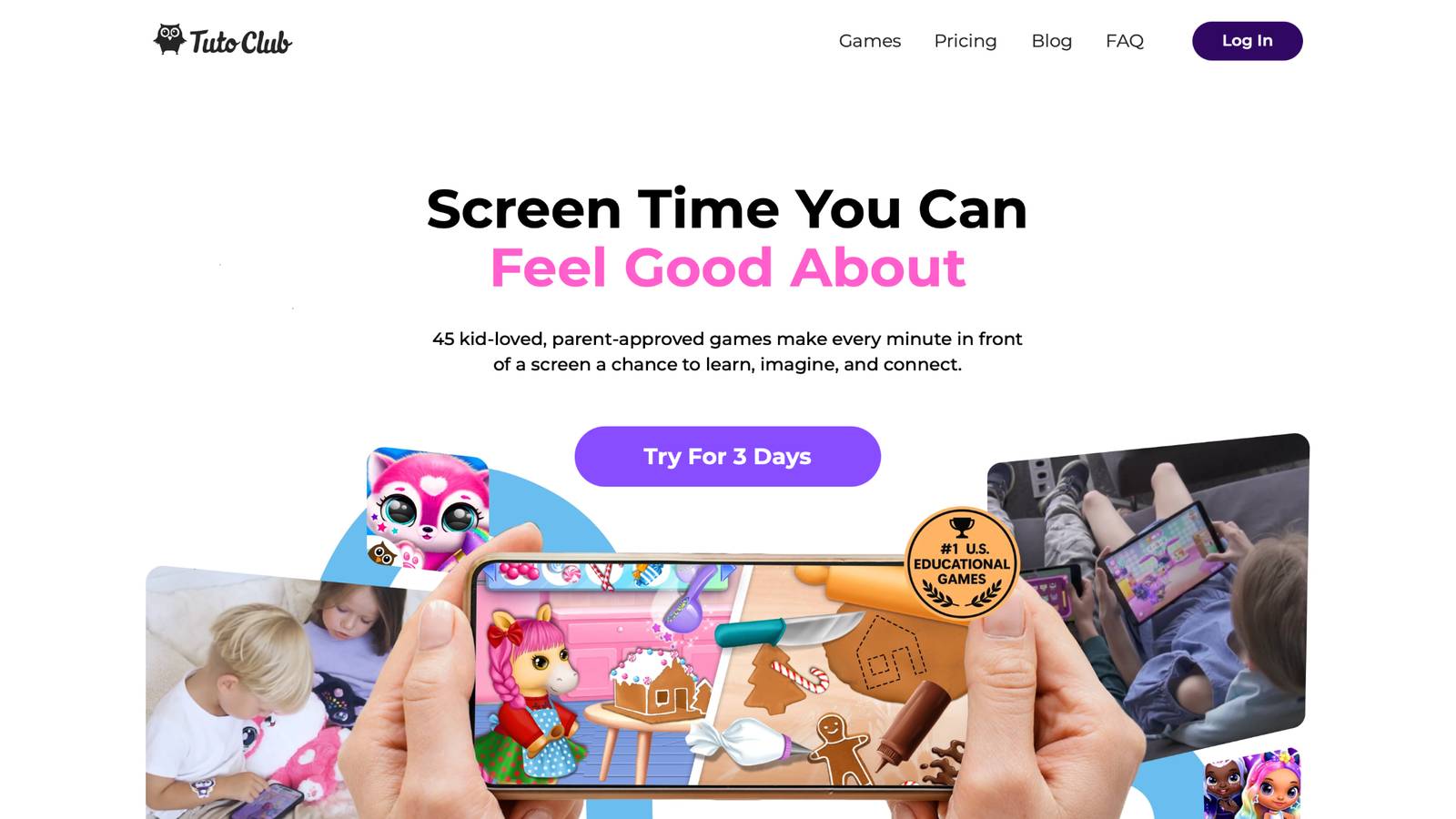
TutoClub educational games open one calm library of TutoTOONS titles built for early play. Kids hatch fluffy pets, tidy colorful rooms, dress characters, and help baby friends through short stories they can finish. The collection covers care routines, creativity, logic puzzles, memory matches, and early letters and numbers. All titles stay fully ad-free so play never breaks for pop-ups. Family sharing works across devices, and most games run offline after download. The studio in Kaunas, Lithuania, designs every activity with child development in mind so tasks feel natural. A five year old can move from a pet-care story to a sorting puzzle without leaving the same safe space. Sessions stay short enough to fit before dinner or after school. Parents see clearer focus and more patient sharing after regular use. The variety means one login covers both academic practice and creative choice. Kids stay engaged because the characters feel friendly and the goals stay clear.
Facts and Information
- Over 45 full games unlocked with one subscription
- 100 percent ad-free playground designed for ages two to eight
- COPPA-compliant safe environment with family sharing on multiple devices
- Skills include routines, empathy, logic, memory, and early literacy
- Most titles play offline after initial download
- Regular updates keep content fresh without extra purchases
TutoClub Overview
TutoClub is your gateway to a magical world of educational games designed especially for children.
As part of TutoTOONS, a leading kids' games studio, we offer premium access to over 45 ad-free games.
Our mission is to blend learning and play, helping kids explore, create, and grow in a safe online space.
Thousands of parents trust us for family-friendly content that sparks imagination and builds essential skills.
Key Features
- Unlimited Access: Unlock full content in all games with no interruptions.
- Ad-Free Experience: Enjoy seamless play without any ads or distractions.
- Skill Development: Games foster creativity, social skills, communication, and more through fun activities like pet care and cleanup challenges.
- Regular Updates: Get new releases, exclusive content, and future updates automatically.
- Easy Subscription: Cancel anytime with no obligations, simple and flexible for families.
Explore Our World
TutoClub provides a rich ecosystem of educational games for kids, featuring ad-free experiences that promote creativity, focus, and emotional growth through play.
This platform turns screen time into valuable learning opportunities, with parent-approved content that builds essential skills and sparks curiosity in young minds.
- TutoClub Games: Over 45 educational games, including popular titles like Fluvsies, Smolsies, and the Sweet Baby Girl series
- Blog: Insights, tips, and stories for families on kids' learning and play
- FAQ: Comprehensive answers to frequently asked questions about subscriptions, features, and more
Get TutoClub on Your Device
TutoClub delivers premium kids educational games directly to your mobile devices, making learning accessible anytime, anywhere.
With apps available on major platforms, families can easily download and subscribe for ad-free play that turns screen time into skill-building adventures.
Perfect for parents seeking safe, engaging content on iOS, Android, or Amazon devices.
Why Choose TutoClub?
We're committed to 100% safe, enriching entertainment that kids love and parents approve.
Join the thousands who've seen their children thrive through playful learning.
Ready to start the adventure?
Discover the full TutoClub library of ad-free games that support early learning at home!
2. Fluvsies Academy
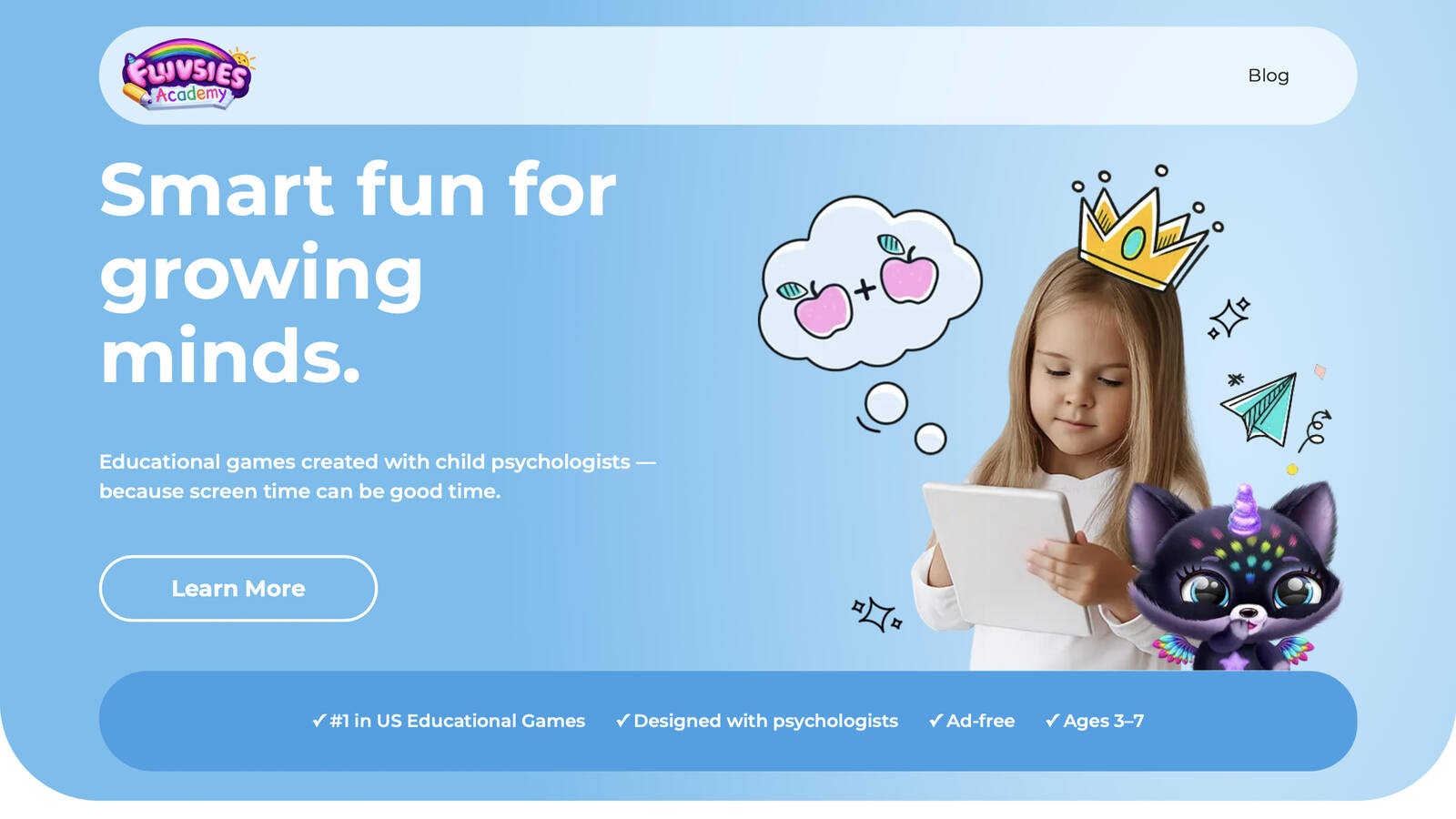
Fluvsies Academy creates a gentle learning home for children ages three to seven, built by the same TutoTOONS team known for pet-care play. Kids meet cute characters and explore real jobs such as firefighter or vet through short mini-games. Activities cover language, early math, logic, sorting, and creativity while keeping the pace calm. The design balances focus with emotional safety so a five year old can finish a round and feel proud. Progress reports help parents see what skills grew that day. The app stays fully ad-free and includes mindfulness moments and healthy habit practice. Tasks stay short so attention never stretches too far. Children practice comparison skills by sorting objects and build vocabulary by naming tools in a job story. The friendly world feels familiar to families who already enjoy Fluvsies pet games. Play stays joyful while covering practical life skills that match kindergarten days. Many parents like how the activities feel natural rather than like worksheets. The short format fits busy mornings or after-school time without overstimulation. Kids can switch between language practice and simple counting without leaving the same world. The overall tone stays warm and supportive.
Facts and Information
- Built with child psychologists for ages three to seven
- Covers language, numbers, logic, sorting, and real-world professions
- Ad-free with parent progress reports
- Includes mindfulness and healthy habit activities
- Available on iOS and Android devices
- Short tasks match five-year-old attention spans
3. Khan Academy Kids
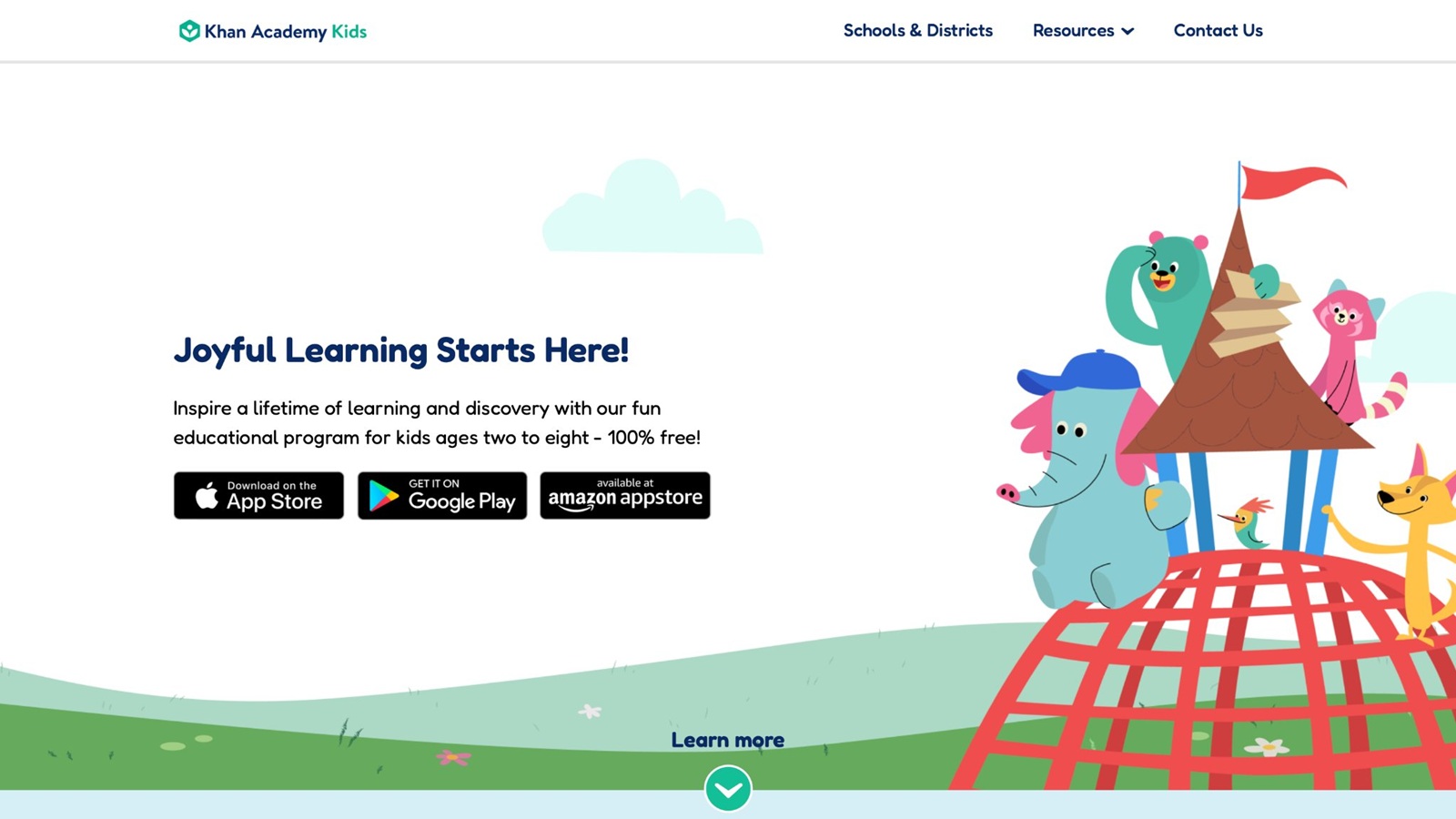
Khan Academy Kids offers a free early learning app from the nonprofit Khan Academy based in Mountain View, California. The program covers ages two to eight and places a five year old right in the middle of the range. Whimsical animal characters guide games, stories, and activities in reading, math, science, and social-emotional skills. Content stays completely free with no ads or subscriptions. Lessons build letter sounds, counting, and early problem solving through interactive play. Creative sections sit next to guided practice so kids can draw or build after a focused round. The app works on phones and tablets and includes some offline content. Parents like the clear progress view that shows which skills improved. Many families use it as a daily short session because the characters feel friendly and the tasks stay age-right. The nonprofit background means the focus stays on learning rather than sales. A five year old can practice phonics one day and simple addition the next without switching apps. Some content works offline once downloaded. The design keeps sessions calm and focused.
Facts and Information
- Free for ages two to eight with no ads or subscriptions
- Covers reading, math, science, and social-emotional skills
- Developed with education experts including Stanford partners
- Includes offline content options
- Award-winning app used by many families worldwide
- Clear parent progress tracking
4. ABCmouse
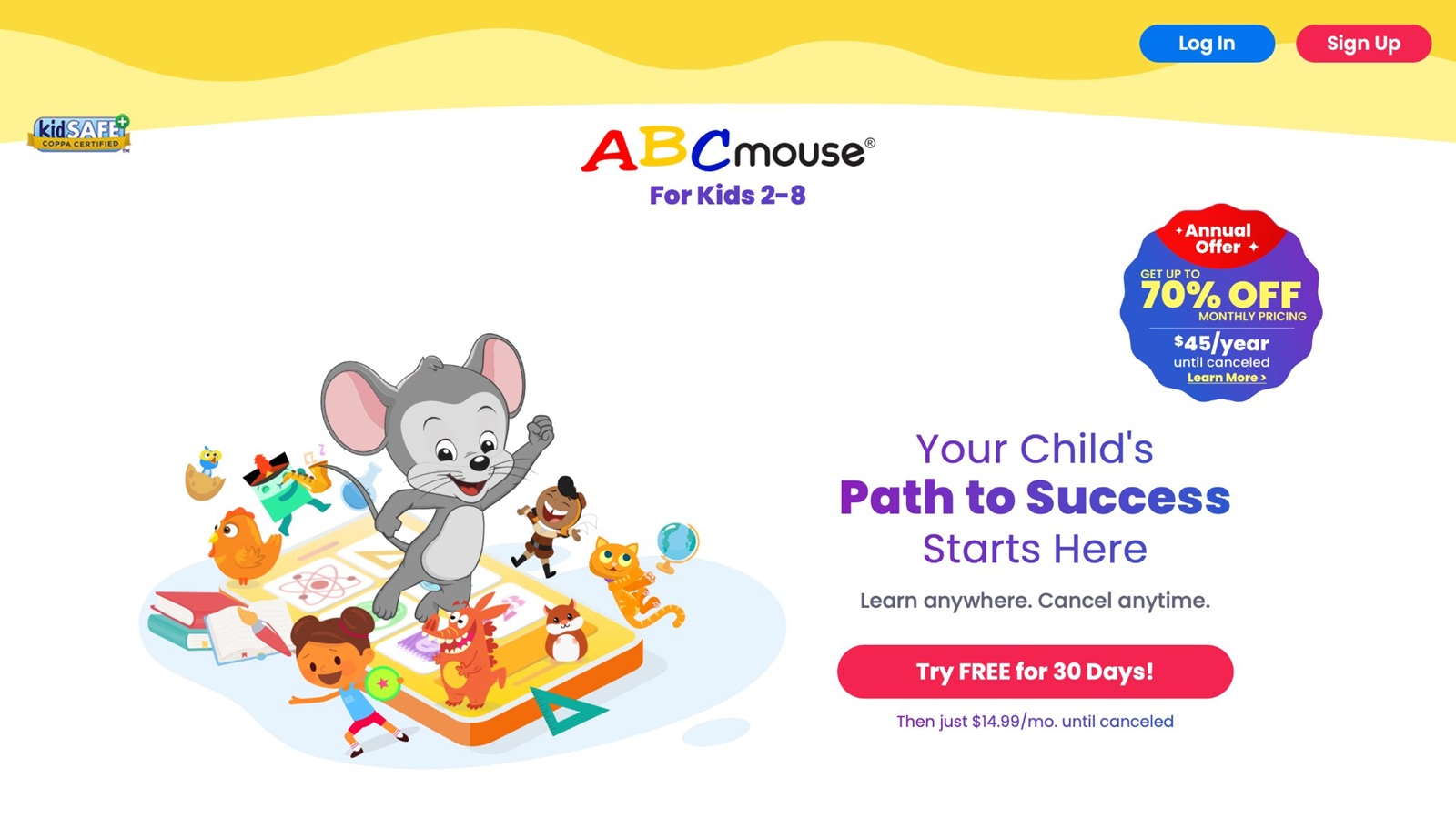
ABCmouse from Age of Learning in Glendale, California, provides a step-by-step path for children ages two to eight. A five year old moves through reading, math, science, art, and music with games, books, songs, and puzzles that build in order. The platform uses colorful characters and clear rewards to keep interest high. Lessons start with letter sounds and simple counting then grow into longer stories. Art and science activities sit beside core practice so the day never feels like only drills. Parent dashboards track completed lessons and suggest next steps. The design supports kindergarten readiness by matching common early standards. Many families report stronger letter recognition after regular use. The broad library means one subscription covers multiple subjects. Offline options appear once content downloads. The structured path helps parents see steady progress without guessing which activity comes next. Sessions can stay short if parents set time limits. The variety keeps most five year olds engaged across different days.
Facts and Information
- Step-by-step curriculum for ages two to eight
- Covers reading, math, science, art, and music
- Includes games, books, songs, and puzzles
- Parent progress tracking available
- Aimed at pre-K through early elementary
- Art and science activities sit with core skills
5. PBS KIDS Games
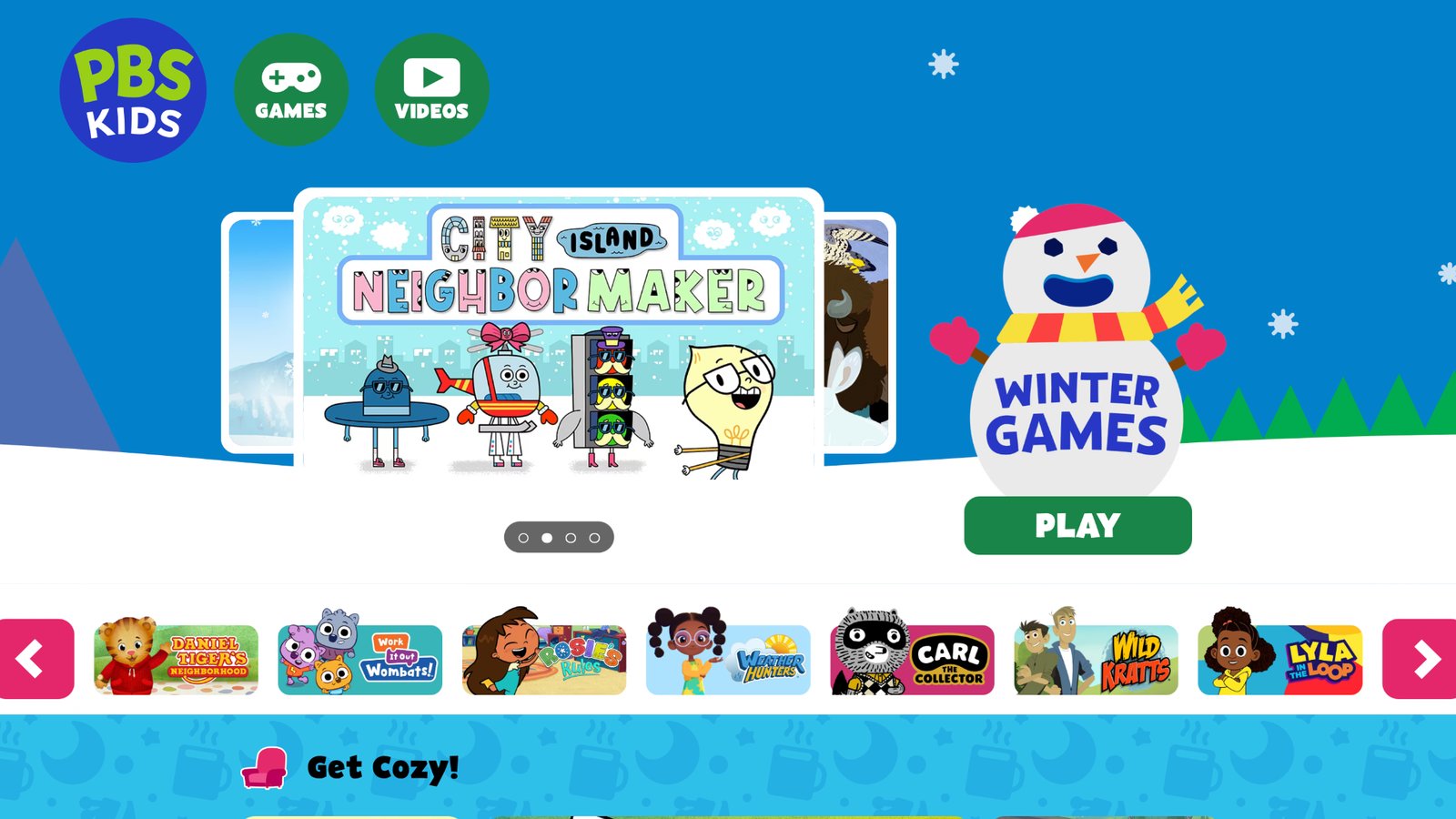
PBS KIDS Games delivers a free collection tied to shows many five year olds already know, such as Daniel Tiger’s Neighborhood and Wild Kratts. Kids practice math, science, reading, and social skills through short interactive games featuring familiar characters. The content stays free and works in a browser or app with no third-party ads. Activities include counting games, simple sorting, and story-based choices. Parents like that the characters feel familiar from television so the jump to the game feels easy. Sessions stay short and end with a clear finish. The public media background keeps the focus on learning. Many families use these games as a quick extra after a longer activity. The variety across subjects means a child can switch from a number game to a science adventure in one sitting. Clear pictures and simple controls fit kindergarten hands. The free access removes any barrier for daily use. Some games work offline after download. The design stays gentle and age-appropriate for most five year olds.
Facts and Information
- Free games based on popular PBS shows
- Covers math, science, reading, and social skills
- Available in browser and app with no third-party ads
- Short activities with clear endings
- Familiar characters help engagement
- Suitable for ages two to eight
6. Starfall
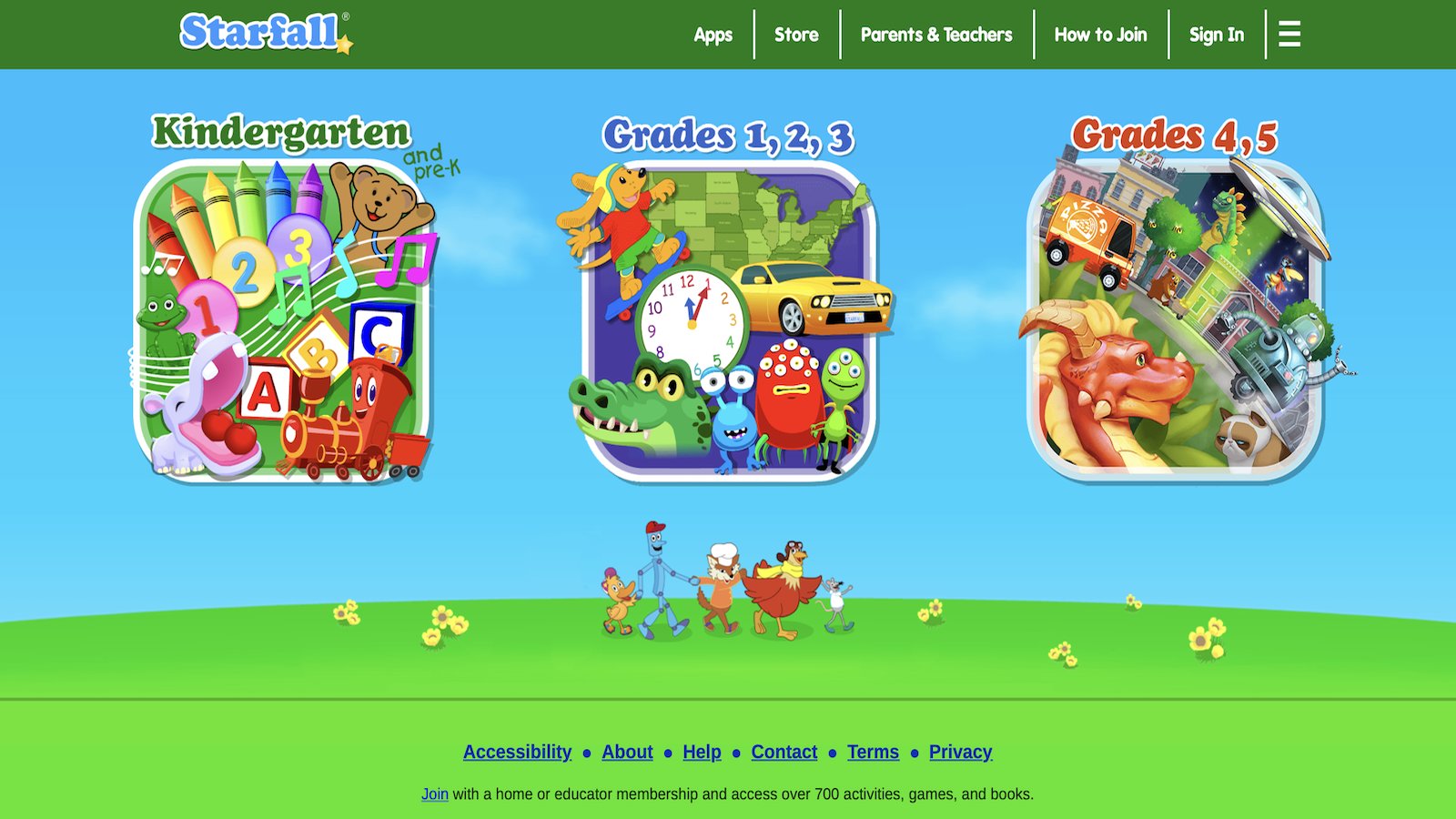
Starfall provides an online platform with games, songs, and activities for preschool through fifth grade that fits five year olds well. The focus stays on phonics and early math in a calm, untimed setting. Multisensory interactions use touch and audio so kids hear letter sounds while they tap. The learn-to-read section stays free and opens in a browser. Home membership unlocks extra math and creative activities. Content builds letter recognition then moves into short words. The gentle pace suits children who need extra time with sounds. Many teachers recommend the free section for daily phonics practice. The site has run for many years and keeps a clean design. Offline options appear in some mobile versions. A five year old can practice blending sounds without pressure. The calm layout reduces extra noise so focus stays on the letters. Some parents use it as a quiet morning activity. The activities stay short and clear.
Facts and Information
- Strong phonics and early math focus
- Free learn-to-read program available
- Calm untimed activities
- Multisensory touch and audio interactions
- Suitable for pre-K through grade five
- Browser-based with some mobile options
7. SplashLearn
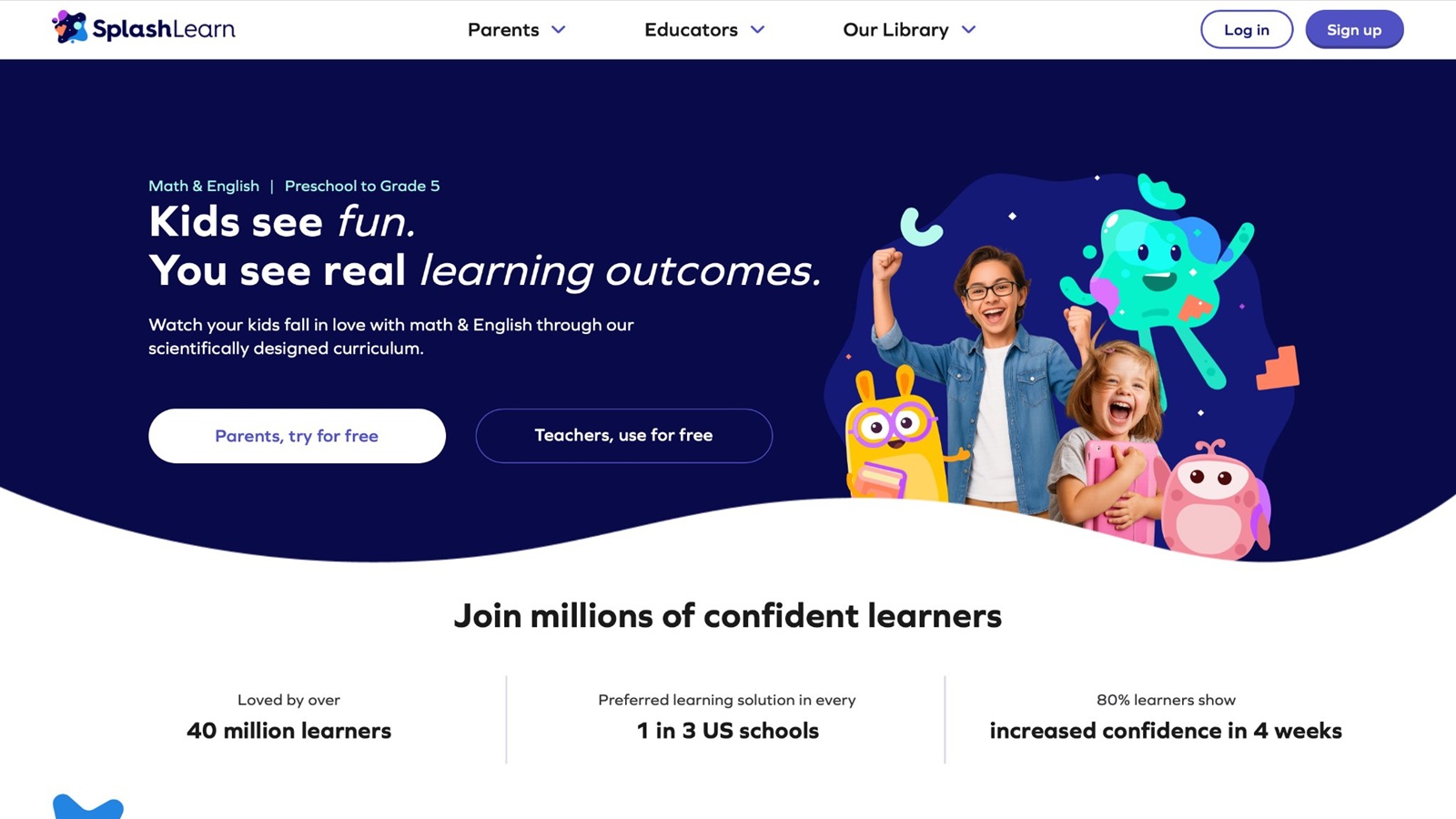
SplashLearn focuses on math and English language arts for children from pre-kindergarten to fifth grade. Based in Gurugram, India, the app uses bright graphics and reward systems to make addition, subtraction, and reading comprehension feel like games. Adaptive paths adjust difficulty based on answers. A five year old practices number sense through visual puzzles and short stories. Parent reports show which skills need more practice. The design keeps sessions short so energy stays high. Many families use it for targeted math practice after school. Creative elements appear alongside core skills. The app works on phones and tablets. Clear feedback helps kids correct mistakes right away. The variety of activities keeps interest across different subjects. Offline play becomes available after download for some content. The adaptive system means the challenge grows with the child. Most five year olds find the visual style engaging.
Facts and Information
- Adaptive paths for math and English
- Bright graphics and reward systems
- Parent progress reports
- Suitable for pre-K to fifth grade
- Short sessions with visual puzzles
- Available on mobile devices
8. Lingokids
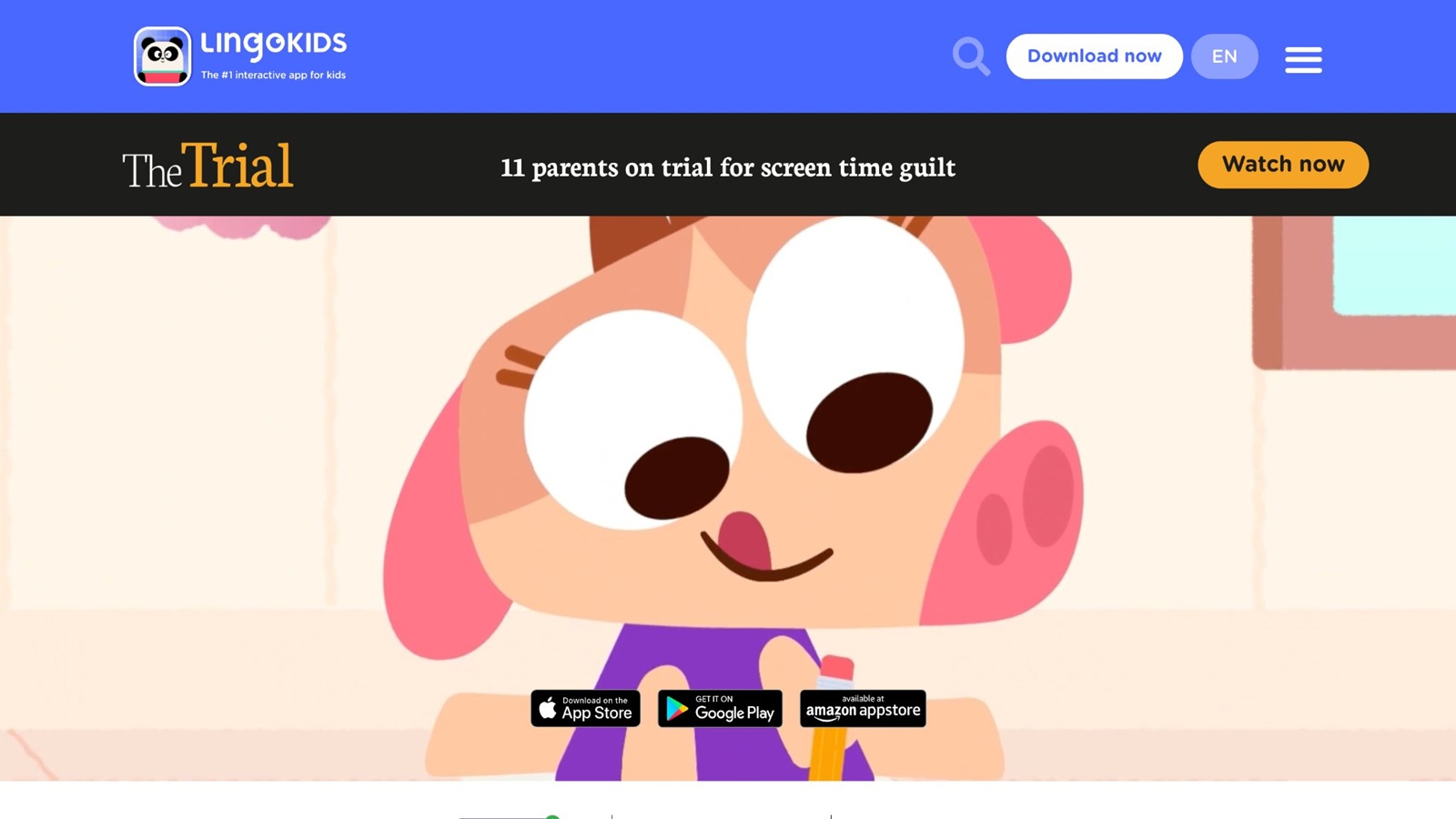
Lingokids offers a play-first curriculum for ages two to eight that packs literacy, math, science, art, music, and life skills into short games and songs. Children meet characters and complete adventures that adapt to their progress. A five year old can practice phonics one round and simple counting the next. The approach treats learning as something kids want to continue. Creative projects sit next to guided lessons. Parent controls and progress views help track growth. The app stays ad-free in core play. Many families notice stronger vocabulary after regular sessions. The mix of subjects means one app covers a full early day. Short activities match kindergarten attention. Offline options appear for some downloaded content. The friendly characters keep play feeling light. Some activities include movement or songs that add variety. The design supports both focused practice and open creative time.
Facts and Information
- Playlearning approach for ages two to eight
- Covers literacy, math, science, art, and music
- Adaptive activities and short games
- Parent progress tracking
- Ad-free core play
- Creative projects alongside guided lessons
9. HOMER
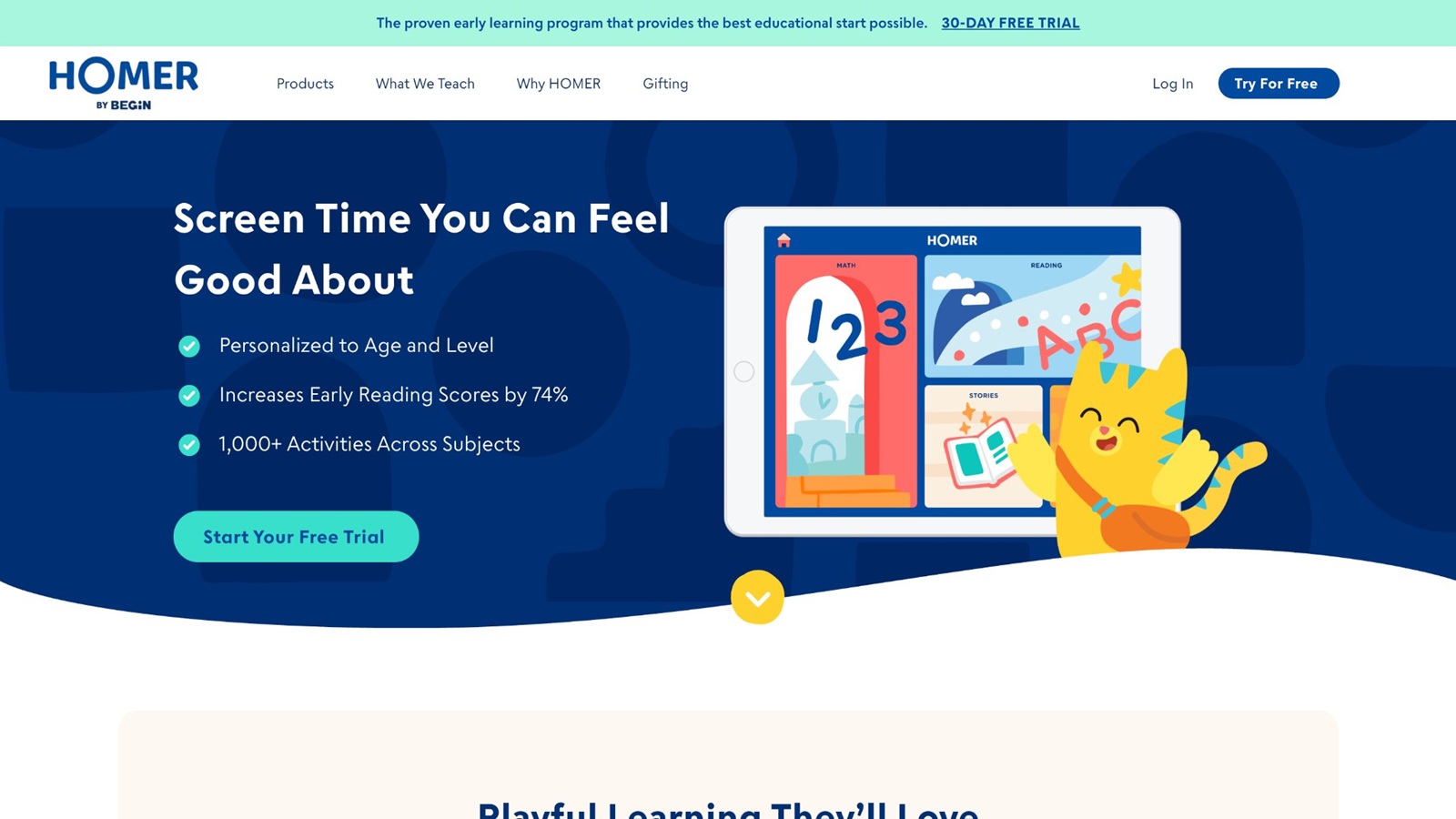
HOMER specializes in early literacy and broader skills for ages two to eight through personalized story-rich activities. The platform uses adaptive technology to match content to a child’s age and interests. A five year old follows custom paths that cover phonics, vocabulary, math, and creativity. Interactive stories and games feature familiar characters. Progress tracking shows what grew that week. The design keeps sessions engaging without long waits. Many families see stronger reading foundations after daily short use. Creative projects let kids record their own voices. The app works across devices. Clear parent dashboards suggest next steps. The personalized path removes guesswork about which activity comes next. Offline content becomes available after download. The stories feel gentle and age-right for most five year olds. Sessions can stay short when parents set a timer.
Facts and Information
- Personalized reading and math pathways
- Adaptive technology based on age and progress
- Interactive stories and games
- Progress tracking for parents
- Suitable for ages two to eight
- Creative voice recording options
10. Duolingo ABC
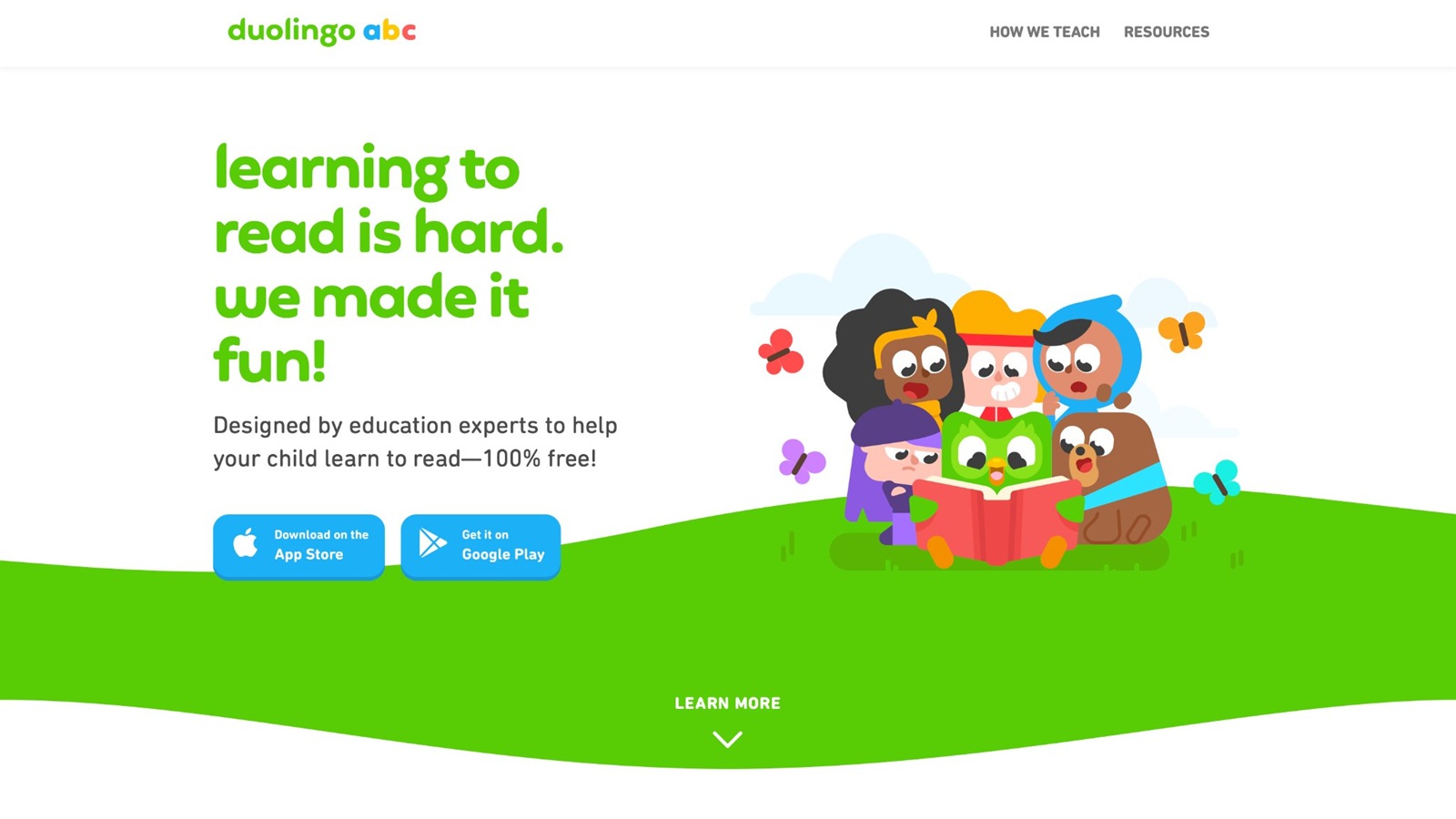
Duolingo ABC focuses on phonics, early reading, and handwriting for young children around ages three to seven. The free app uses short, game-like lessons that build letter sounds and simple words. A five year old taps through colorful activities that feel like play. No ads or in-app purchases interrupt the flow. Lessons stay short so kids finish a full round easily. The design comes from education experts who know early literacy. Many families use it as a daily phonics boost. Clear feedback helps kids hear the correct sound. The app works on phones and tablets. Offline play becomes available after initial download. The simple interface fits small hands. Progress feels steady without pressure. Some activities include tracing that supports handwriting. The overall pace stays calm and focused for kindergarteners.
Facts and Information
- Free phonics and early reading focus
- Short game-like lessons
- No ads or in-app purchases
- Built by education experts
- Suitable for early readers
- Offline options after download
11. Teach Your Monster to Read
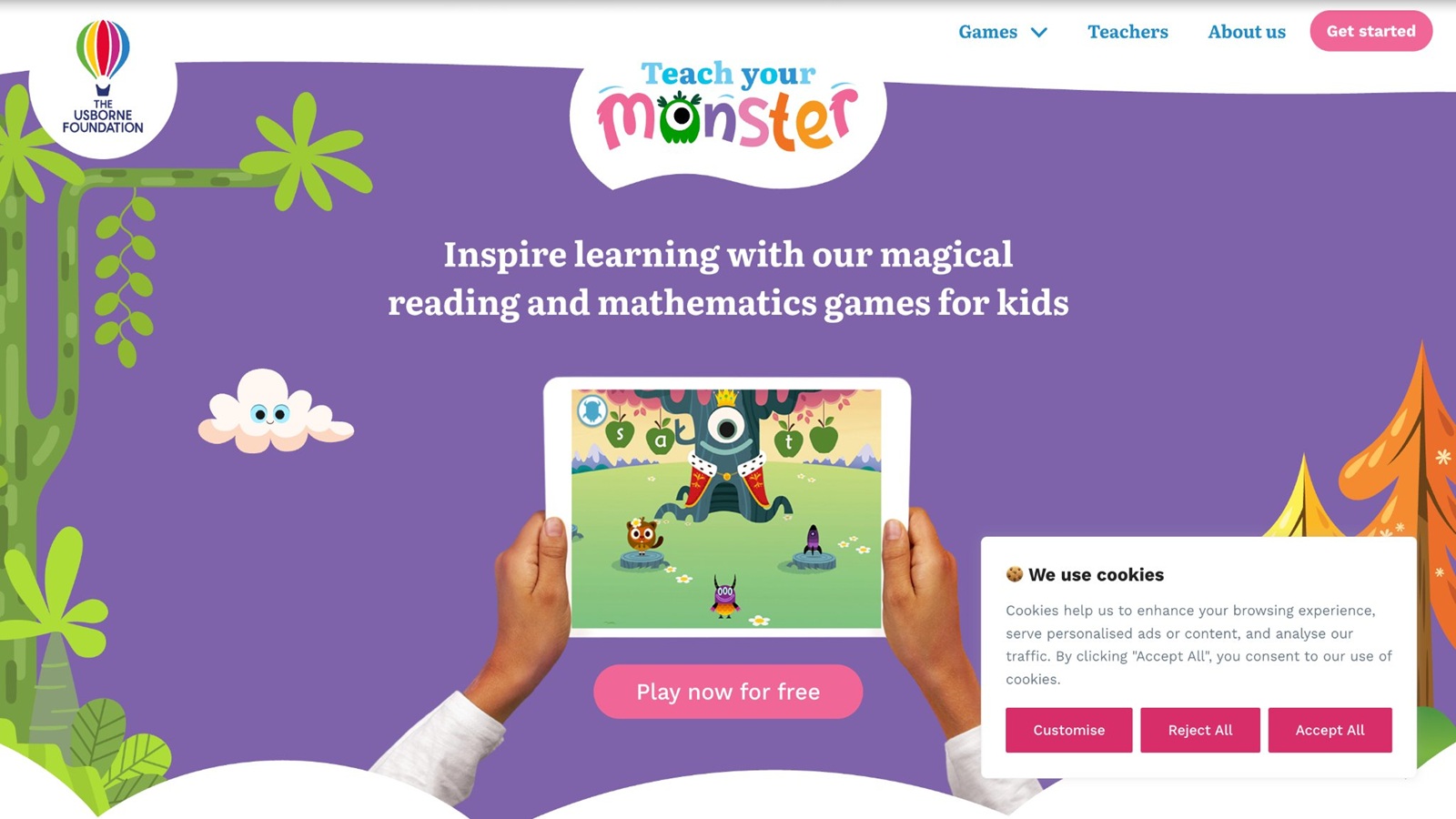
Teach Your Monster to Read is an award-winning phonics game created with literacy experts and supported by the Usborne Foundation. Children create a monster character and guide it through letter-sound matching, blending, and early reading activities. The free version on computers covers the first stages of learning to read, from single sounds to short sentences. The design uses bright colors and simple controls that fit five year olds. Adaptive practice repeats sounds a child finds tricky. Many teachers and parents use the free computer version as a daily phonics tool. The game stays ad-free and focuses on clear learning goals. Sessions can be short or longer depending on the child’s interest. The monster theme keeps play light while covering important early reading skills. Progress tracking helps parents see which sounds improved. The free computer access makes it easy to try without commitment.
Facts and Information
- Free on computers for early phonics and reading
- Covers letter sounds through short sentences
- Adaptive practice that repeats tricky sounds
- Created with literacy experts
- Suitable for ages around three to seven
- Clear parent progress tools
12. ABCya
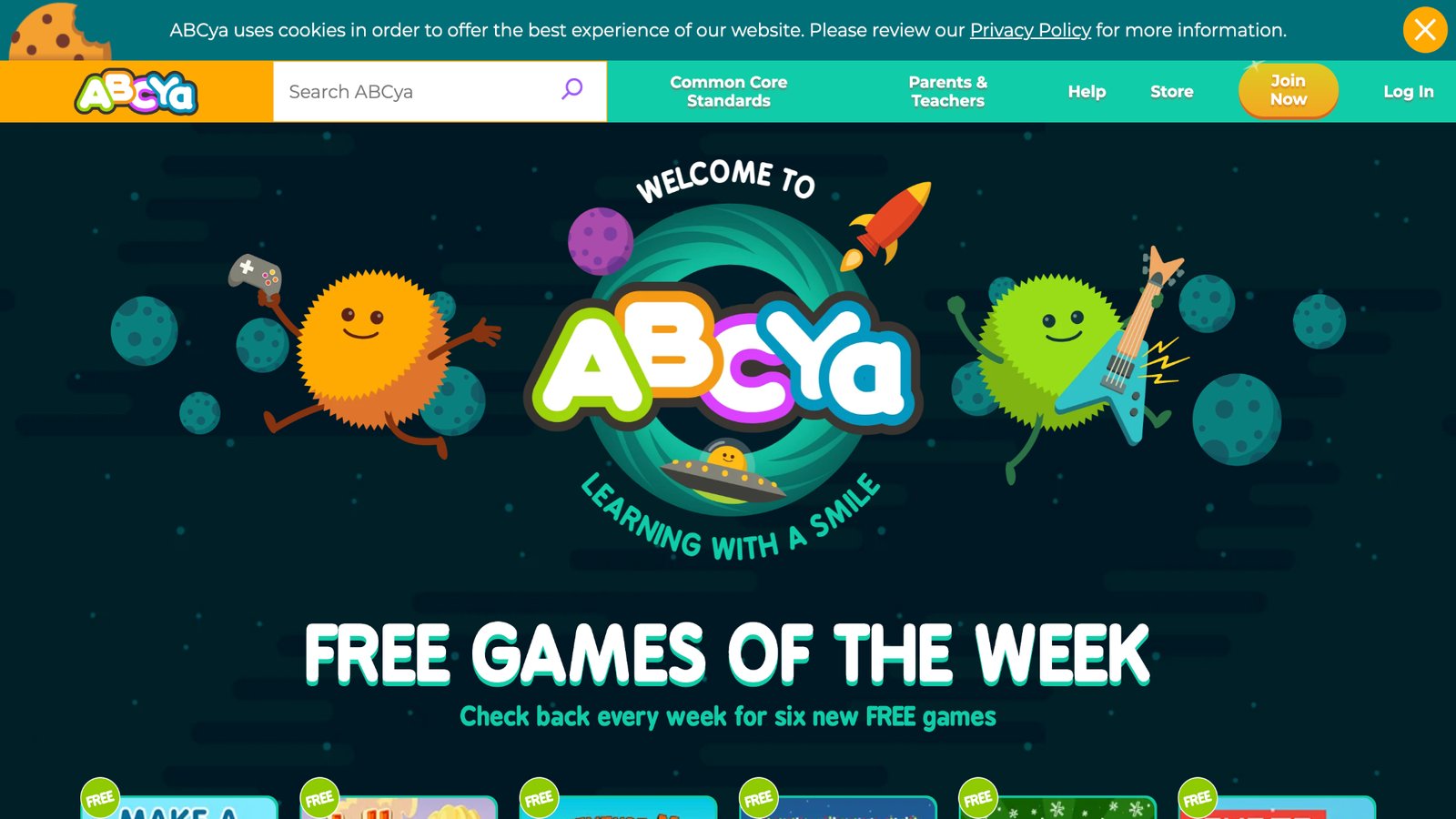
ABCya offers a large collection of free educational games organized by grade and subject for pre-K through sixth grade. A five year old can find counting activities, letter recognition games, simple puzzles, and creative tools sorted under the kindergarten section. The site works in a browser and includes weekly free games. Many activities focus on math, reading, logic, and pattern practice through colorful interactive play. Parent and teacher resources appear alongside the games. The design keeps most sessions short and clear. Some free content includes ads, though a paid option removes them. The variety means a child can switch between number practice and creative drawing in one sitting. Clear categories help parents pick age-right games quickly. Offline options are limited on the free site. Many families use it for quick skill practice after school.
Facts and Information
- Hundreds of games sorted by grade and subject
- Free browser-based activities for kindergarten
- Covers math, reading, logic, and creativity
- Weekly free games available
- Suitable for ages three to twelve
- Parent and teacher resources included
13. Reading Eggs
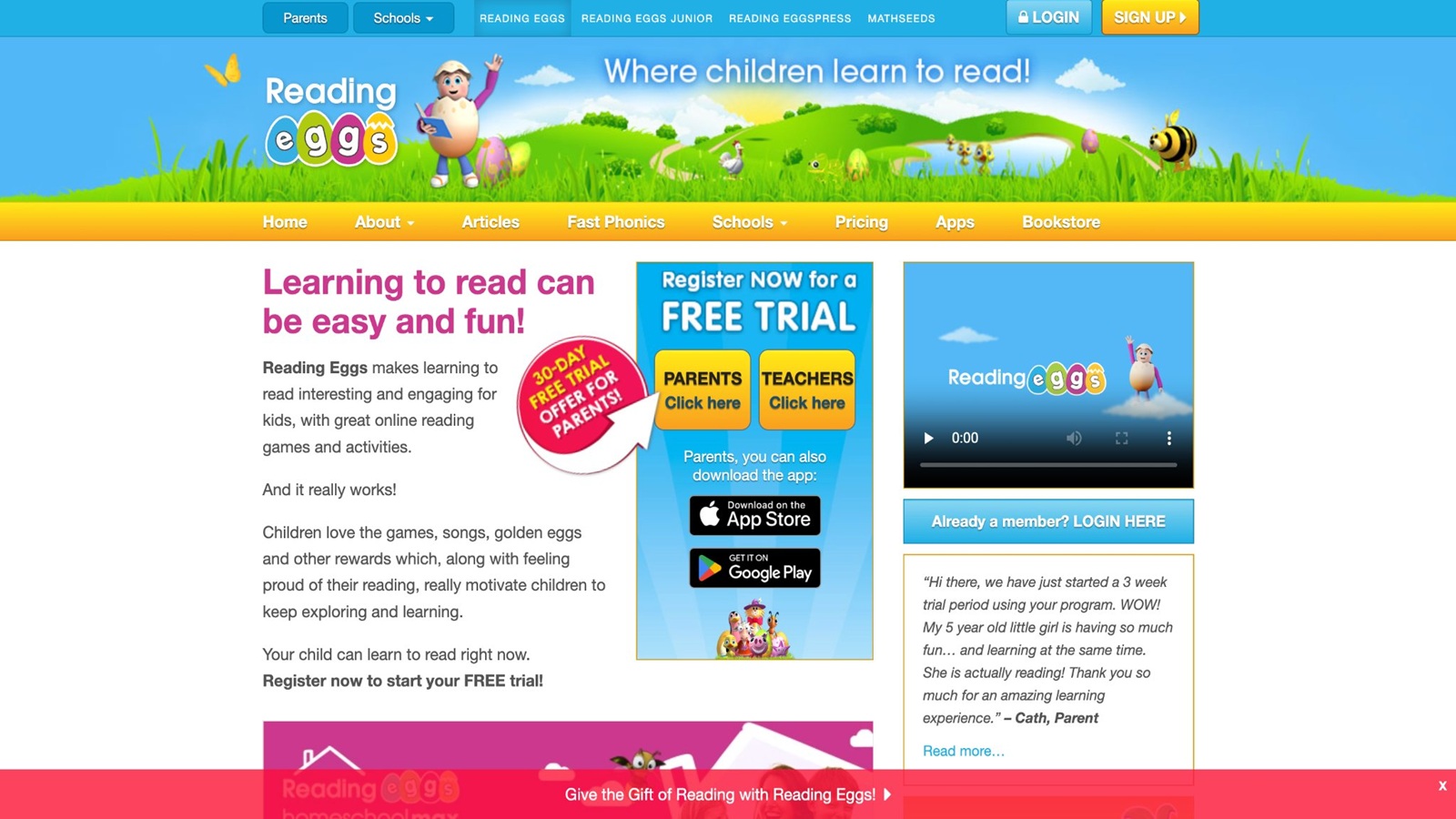
Reading Eggs provides a structured online reading program for children ages two to thirteen, with strong early content for five year olds. Lessons follow the science of reading and cover phonemic awareness, phonics, vocabulary, fluency, and comprehension through interactive games and books. A five year old can start with letter sounds and move into short stories at their own pace. Parent reports track progress and suggest next lessons. The platform includes printable worksheets and a library of e-books. Many families use the short daily lessons to build reading confidence. The design stays ad-free and kid-safe. Adaptive placement helps match the starting level. Offline access appears for some downloaded content. The structured path supports kindergarten readiness for early readers. Sessions stay manageable when limited to a few minutes.
Facts and Information
- Structured reading program based on science of reading
- Covers phonics through comprehension for ages two to thirteen
- Parent progress reports and placement tools
- Includes e-books and printable activities
- Ad-free and kid-safe design
- Short daily lessons recommended
14. ScratchJr
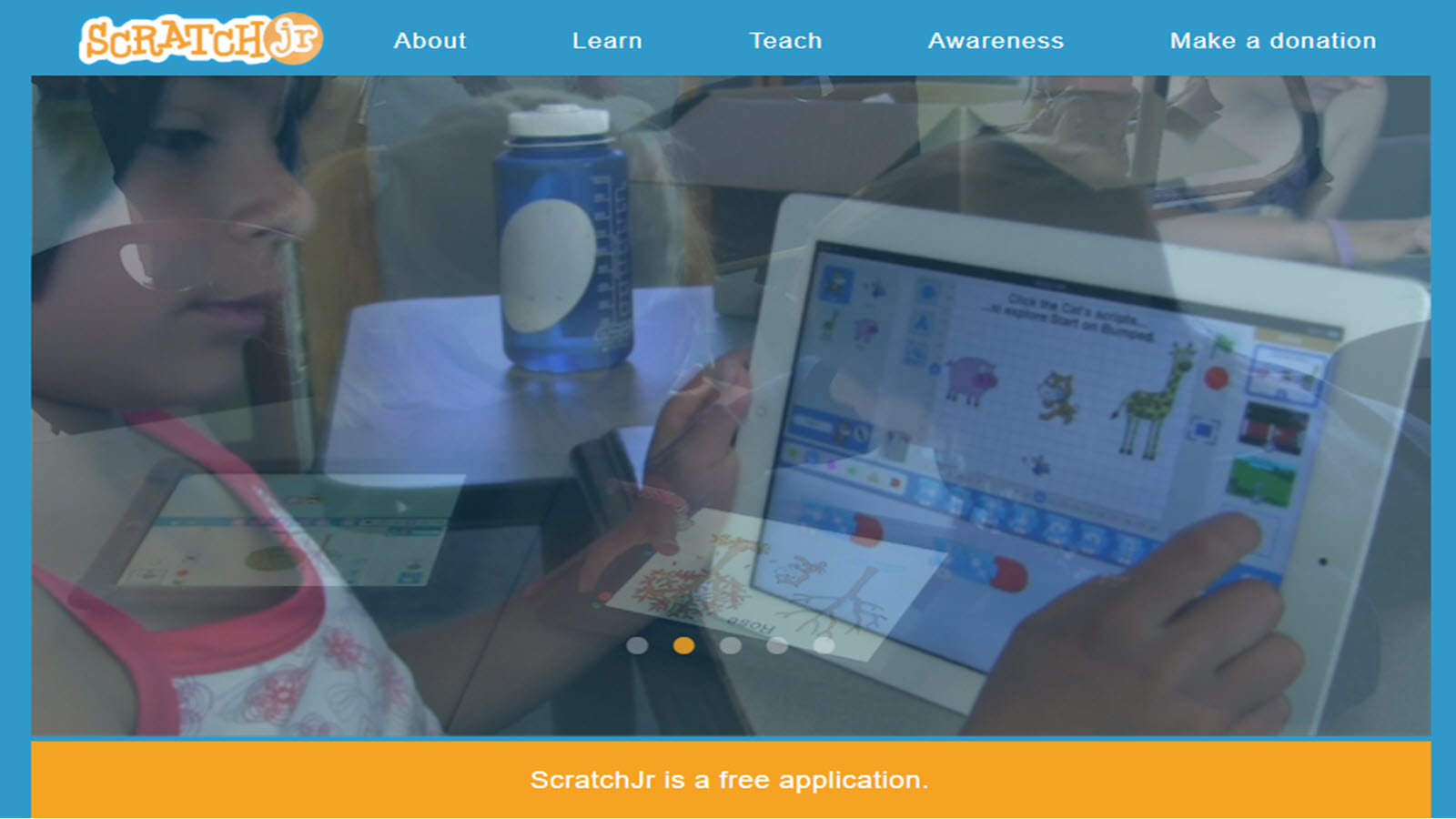
ScratchJr is a free visual coding app for children ages five to seven, developed with researchers from MIT and Tufts. Kids snap together colorful blocks to make characters move, jump, speak, and interact in simple stories and games. No text reading is required for the basic controls. A five year old can create a short animation by placing a few blocks in order. The app includes a paint editor so kids can customize characters. Many parents and teachers use it to introduce sequencing and problem-solving. The design stays simple and offline after download. Sessions can stay short while still letting kids finish a small project. The free access and open creative tools make it easy to try. Some five year olds need a little guidance at first. The overall experience builds early computational thinking through play.
Facts and Information
- Free visual coding app for ages five to seven
- Block-based storytelling and animation
- Created with MIT and Tufts researchers
- Includes paint editor for custom characters
- Works offline after download
- Supports sequencing and creative expression
15. Pok Pok
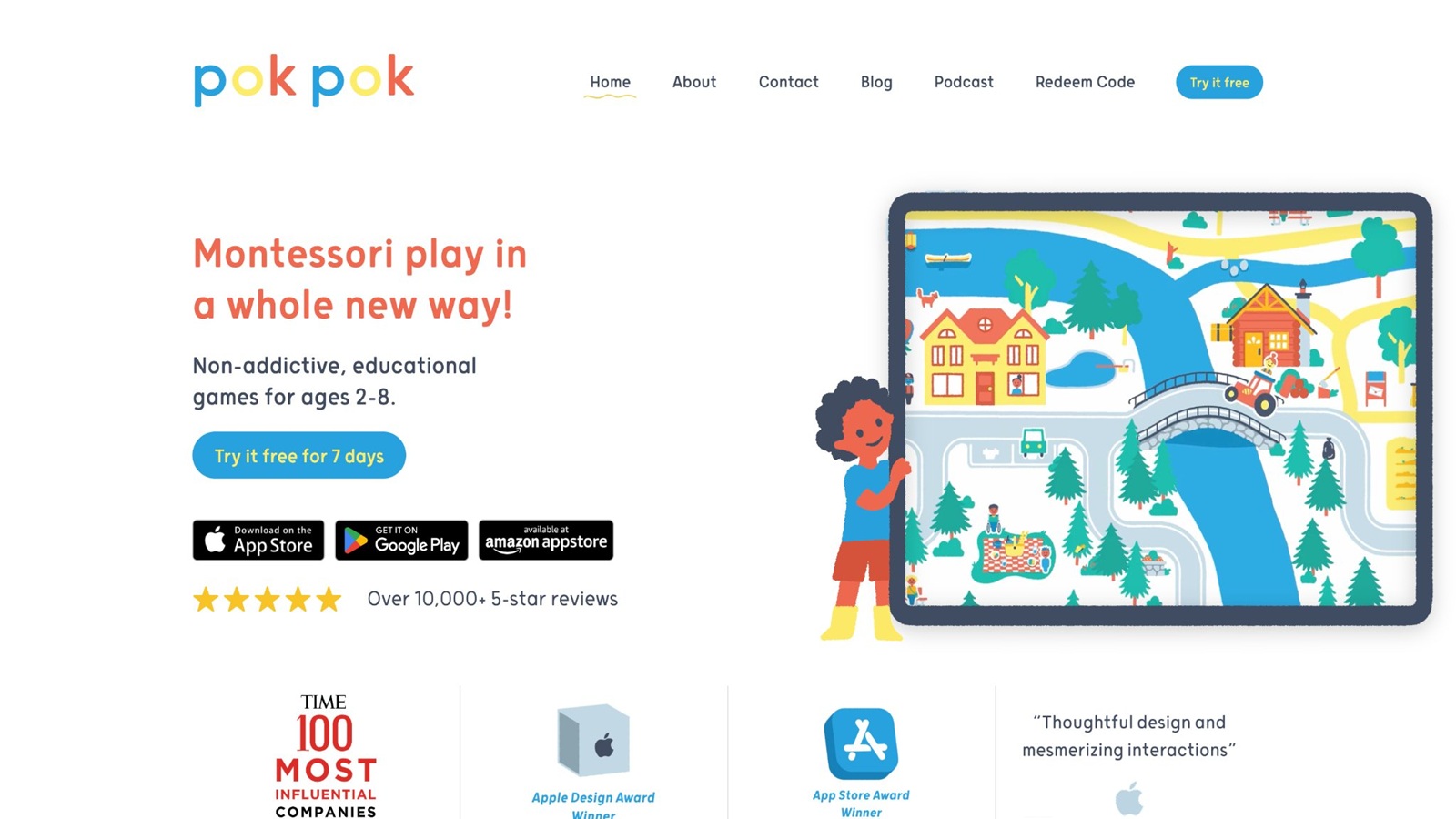
Pok Pok offers a Montessori-inspired digital playroom for children ages two to eight filled with open-ended toys. Kids explore houses, marble machines, dress-up scenes, number journeys, and simple coding factories without levels, timers, or winning conditions. The design stays calm with soft sounds and handcrafted art. A five year old can tinker with shapes, practice counting, or build stories at their own pace. Parent areas include learning prompts. The app works offline after download and stays ad-free. Many families notice calmer play sessions because there is no pressure to finish levels. Creative choice appears in every activity. The open-ended format supports imagination and problem-solving. Some activities introduce early phonics or geometry through exploration. The overall feel stays peaceful and child-led.
Facts and Information
- Montessori-inspired open-ended playroom for ages two to eight
- No levels, timers, or winning conditions
- Includes number, shape, coding, and pretend-play toys
- Ad-free with offline play after download
- Calm art and sound design
- Parent learning prompts available
How to Choose Online Educational Games That Fit a Five Year Old
Choosing the right game starts with a few simple checks. Look for short tasks that end clearly, no ads, no public chats, and parent controls that make it easy to set limits. Age fit matters so the game does not feel too hard or too easy for a five year old. Useful starting points include tablet games for kids when device type is a key factor. Offline play after download adds flexibility when a connection is not available. Games that mix letter practice, simple counting, and gentle care routines tend to keep interest high across the week. Asking the child what they made or helped with after a round shows whether the activity taught something useful. Many parents also prefer one calm library over many separate apps so the child can move between different skills without new menus. Clear pictures and simple rules help the child stay independent. Pages such as the best safe kids games help when safety and parent controls matter most.
How Families Can Use Online Games at Home with Five Year Olds
Short daily rounds work better than one long sitting for most five year olds. Many families set a simple routine such as one or two focused rounds after breakfast or before quiet time. Ideas for building healthy habits appear in a parent’s guide to healthy screen time with educational apps. Rotating different games across the week keeps interest high. Shared play, where a parent joins for part of the time, often adds extra value and makes the session feel more connected. Watching for signs of tiredness and taking natural breaks helps keep the experience positive. Parents can also reinforce the same skills offline with real objects so the practice transfers to everyday life. A calm setting without ads supports focus and makes it easier to stop when the planned time ends. Related offline ideas sit on summer holiday educational games and offline ideas for kids.
FAQ
What makes the best online educational games for 5 year olds in the US 2026 stand out?
The best online educational games for 5 year olds 2026 keep every round short and easy to understand so a child can finish a task and feel successful. Clear pictures, simple rules, and gentle feedback help the child stay focused without getting stuck or frustrated. These games mix early letter practice, simple counting, sorting, and care routines inside play that feels natural rather than like a worksheet. Ad-free designs and clear parent controls keep the experience calm and safe for young children. Many strong options also offer offline play so families can continue learning during travel or busy days without needing a constant connection. A single calm library that covers several early skills saves parents from switching between many separate apps and helps the child build a steady habit. Games that end with a clear finish support focus and make it easier to stop when the planned time is over. Overall, the standout games balance useful skill practice with gentle pretend play that a five year old enjoys coming back to.
How long should a five year old play educational games each day?
Most five year olds do well with short blocks of a few minutes at a time rather than one long sitting. One or two focused rounds work better because attention stays fresh and the child can still finish a clear task before moving on. Many families rotate different games across the week so interest stays high and the same activity does not feel repetitive. Shared play, where a parent joins for part of the time, often adds extra value and makes the session feel more connected and fun. Watching for signs of tiredness and taking natural breaks helps keep the experience positive and prevents the child from getting overwhelmed. Some parents set a simple routine such as one short round after breakfast or before quiet time so the habit feels predictable. Breaking the time into smaller pieces throughout the day usually works better than one long session for this age. The goal is steady practice that fits easily into family life without taking over the day. Guides on apps for preschoolers offer ideas for keeping sessions brief and varied.
Can online games help a five year old get ready for kindergarten?
Yes. Online games help a five year old get ready for kindergarten when they practice letter sounds, simple counting, sorting, and waiting in short, clear rounds. Short care stories and pretend play build patience and the habit of finishing a small task, skills that show up in class when a child must listen or take a turn. Clear pictures and simple rules match what many classrooms use, so the practice feels familiar when school starts. Parents can reinforce the same skills offline with real objects such as sorting toys, naming letters on a book, or counting steps on a walk. Regular short sessions make listening and finishing a task feel more natural and less stressful. Some games also include gentle creative choices that help a child practice making decisions and expressing ideas. Combining the online practice with everyday routines at home gives the child repeated chances to use the same skills in different ways. This steady mix helps many five year olds feel more confident when they enter a classroom setting. Related ideas appear in the best life skill activities for kindergarten.
What should parents check before choosing a game for a five year old?
Parents should check for no ads, no public chats, and clear parent controls so the experience stays safe and private. Look for short tasks with a clear end and skills that match early literacy and number sense, such as letter recognition or simple counting. Offline play after download adds flexibility for busy days or travel when a connection is not available. Age fit matters so the game does not feel too hard or too easy for a five year old and keeps the child engaged. Asking the child what they made or helped with after play shows whether the activity taught something useful. Many parents also look for games that mix academic practice with gentle pretend play so the child stays interested over time. Clear progress reports or simple parent notes can help track what the child is practicing without adding pressure. These simple checks help keep screen time productive, calm, and well matched to the child’s current stage. Useful starting points include educational websites for kids.
What skills do the best online educational games for 5 year olds help build?
The best online educational games for 5 year olds help build letter recognition, early counting, sorting, memory, and the habit of finishing a short task. Care routines and pretend play also support waiting, sharing, and noticing feelings, skills that transfer to home and class. Creative choice in dress-up or building activities can grow confidence and self-expression in a low-pressure way. Many families notice stronger focus after regular short sessions that mix academic practice with gentle pretend play. A balanced weekly mix of reading-focused games, number activities, and care stories keeps practice useful without overwhelming a five year old. Some games also strengthen listening and following simple directions, which helps with classroom routines. Steady practice with these games supports both school readiness and everyday independence in small, enjoyable steps. More detail on skill building appears in educational games for kids - play-based learning.
Read Also:
- Best Educational Games for 5 Year Olds Online 2026
- Best Educational Games For Kids Age 5 in 2026
- Best Kids Educational Games For 5 Year Old in 2026
- Best Life Skill Activities for Kindergarten
- Educational Games for Kids: Play-Based Learning That Works
Start educational games for 5 year olds with a simple family login at TutoClub today!