

Best Emotional Games For Kids in US






Parents across the US look for the best emotional games for kids in US that turn ordinary screen time into useful practice for feelings and kindness. Emotional games and feelings activities help children notice moods, try calm responses, and care for others in short, happy sessions. One popular choice sits in the ad-free educational games for kids that many families use every day.
Parents can expand this practice by exploring the best emotional games for kids that keep sessions short, positive, and focused on real feelings. These pair naturally with the best emotional regulation games for kids that teach calm responses, while the best social-emotional games for kids strengthen empathy and kindness that carry over from screen time into everyday family and school moments.
Discover TutoClub for calm emotional games that kids actually enjoy!
Why Emotional Games Help Kids Grow in Everyday Life

Emotional games give children a low-pressure place to practice skills they need at home and school. A child can feed a virtual pet or comfort a character and see the result right away, much like the care loops in how pet care games teach kids empathy and responsibility. That loop of noticing a need and responding with care builds empathy without a lecture. Many parents notice that kids who play these games start using feeling words more often in real life. Short sessions fit busy US family schedules better than long lessons. Games that stay ad-free and free of surprise purchases keep the focus on the story instead of outside pressure. When a child finishes a care task, they feel proud, and that pride supports confidence in the same way responsibility games for kids turn routines into finished wins. The same gentle practice appears in emotional regulation games for kids that model a pause before a big reaction.
What Makes a Strong Emotional Game for Young Children
A good emotional game matches the child's age and attention span. Preschoolers do best with bright characters, simple taps, and stories they can finish in a few minutes, the kind of clear design found in the best educational games for kids. Older kids can handle longer rooms and more choices. The best options ask a child to notice how someone else feels and then try a kind next step.
Clear faces, body language, and short stories work better than long text for early readers. Safety matters a lot for US families, which is why many parents check the guidance on how to protect kids online before they start. Look for COPPA-compliant apps that keep data private and avoid ads or chat with strangers. Family sharing on a few devices helps when siblings take turns. Games that mix care, creativity, and small challenges keep kids coming back without pressure. The collection of educational games brings many of these pieces together in one safe place that also aligns with the checks in the best safe kids games.
Best Emotional Games For Kids in US
1. TutoClub - Best Emotional Games For Kids in US
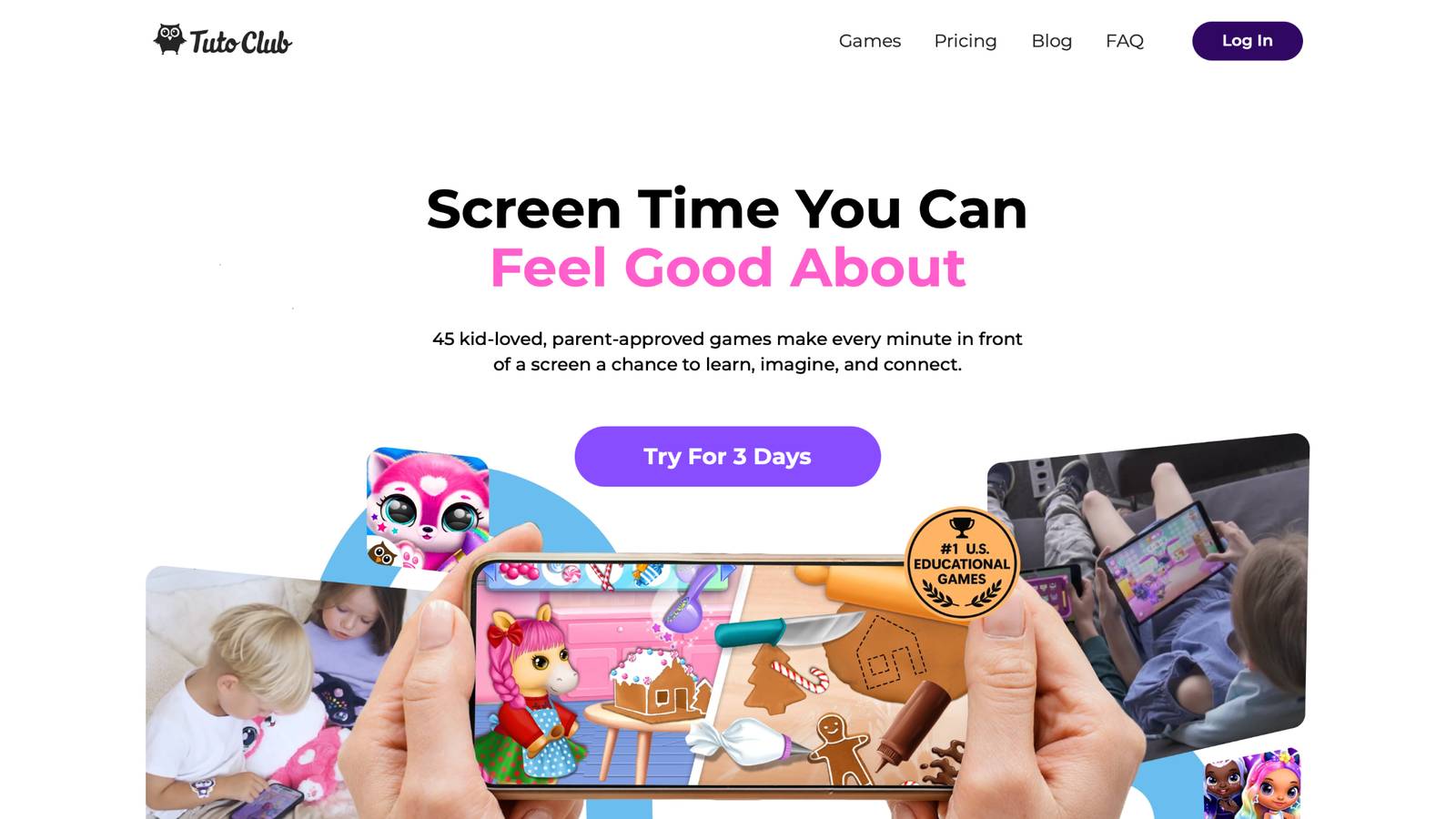
TutoClub educational games for kids deliver a complete subscription with more than 45 ad-free titles from the TutoTOONS studio in Lithuania. Kids care for pets, comfort baby unicorns, tidy rooms, and follow gentle stories that ask for kindness instead of speed. Each scene asks a simple question: what does this character need, and how can I help? That question sits at the heart of emotional growth. The collection covers empathy, routines, creativity, memory, and confidence in one safe place. Family sharing works across up to three devices, so siblings can play on different tablets without extra logins. Most games run offline after download, which helps on car rides or visits. The design stays COPPA-compliant and free of ads or in-app purchase pressure, giving parents real peace of mind. Characters show clear feelings, and children practice noticing those feelings then choosing a caring action. The mix of pet care, cleanup stories, and creative play makes these the best emotional games for kids in US homes that want EQ practice inside normal play. Parents see kids use the same care habits with real siblings or pets after a session.
Facts and information
- A large library of skill-building TutoTOONS games in one membership
- Ad-free play with full games and no extra shop walls during an active plan
- Care, letters, numbers, memory, and tidy-up routines in stories kids ask to replay
- Same account on more than one device, with offline play after download
- Built for balanced screen time that still feels like a game
TutoClub Overview
TutoClub is your gateway to a magical world of educational games designed especially for children.
As part of TutoTOONS, a leading kids' games studio, we offer premium access to over 45 ad-free games.
Our mission is to blend learning and play, helping kids explore, create, and grow in a safe online space.
Thousands of parents trust us for family-friendly content that sparks imagination and builds essential skills.
Key Features
- Unlimited Access: Unlock full content in all games with no interruptions.
- Ad-Free Experience: Enjoy seamless play without any ads or distractions.
- Skill Development: Games foster creativity, social skills, communication, and more through fun activities like pet care and cleanup challenges.
- Regular Updates: Get new releases, exclusive content, and future updates automatically.
- Easy Subscription: Cancel anytime with no obligations, simple and flexible for families.
Explore Our World
TutoClub provides a rich ecosystem of educational games for kids, featuring ad-free experiences that promote creativity, focus, and emotional growth through play.
This platform turns screen time into valuable learning opportunities, with parent-approved content that builds essential skills and sparks curiosity in young minds.
- TutoClub Games: Over 45 educational games, including popular titles like Fluvsies, Smolsies, and the Sweet Baby Girl series
- Blog: Insights, tips, and stories for families on kids' learning and play
- FAQ: Comprehensive answers to frequently asked questions about subscriptions, features, and more
Get TutoClub on Your Device
TutoClub delivers premium kids educational games directly to your mobile devices, making learning accessible anytime, anywhere.
With apps available on major platforms, families can easily download and subscribe for ad-free play that turns screen time into skill-building adventures.
Perfect for parents seeking safe, engaging content on iOS, Android, or Amazon devices.
Why Choose TutoClub?
We're committed to 100% safe, enriching entertainment that kids love and parents approve.
Join the thousands who've seen their children thrive through playful learning.
Ready to start the adventure?
Start calm emotional games for kids with TutoClub and watch care habits grow today!
2. Fluvsies Academy
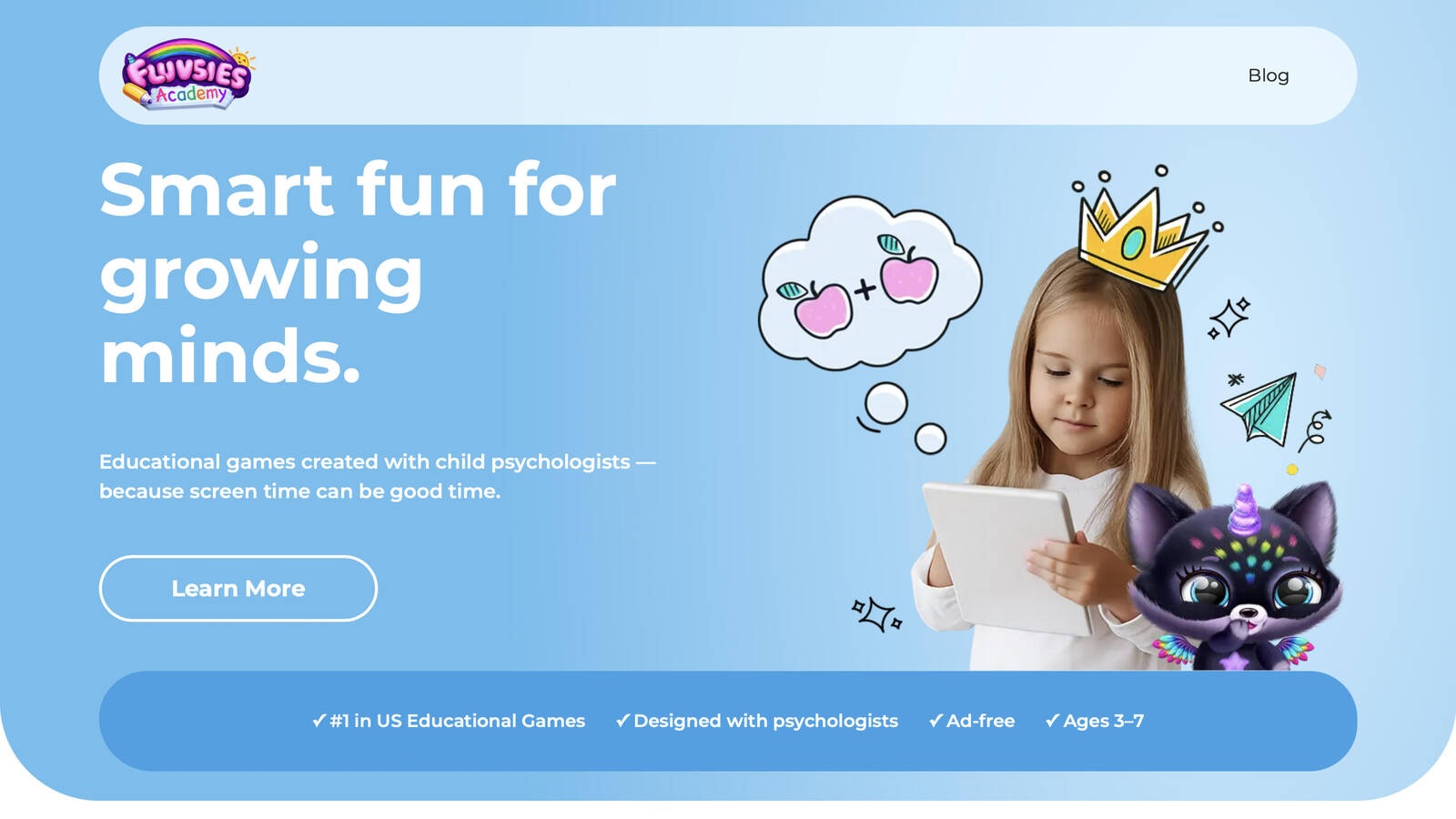
Fluvsies Academy creates a calm and nurturing learning space designed specifically for children ages three to seven. Built in collaboration with child psychologists and early learning specialists, the app blends playful mini-games with real skill building in a fully ad-free environment that parents can trust. Kids explore language and phonics through bright, short activities, practice numbers with simple challenges, and work on logic and attention through sorting and comparison tasks. Life skills appear in everyday scenes such as brushing teeth, cooking a simple meal, or helping at the store, all framed in a way that feels like play rather than a lesson. The professions branch introduces simplified role-play for jobs like firefighter, vet, or baker through gentle, imaginative stories that help children wind down. Parent progress reports show what a child has practiced, and the design includes no chat features or external links. The experience supports emotional safety alongside early academic growth by keeping challenges age-appropriate and sessions short enough for preschool attention spans. Some families find the professions stories especially useful for quiet time, while others note that the focus stays more on foundational learning than fully open-ended creative play. Overall, Fluvsies Academy gives preschoolers a gentle, expert-backed place to practice focus, healthy habits, and simple social awareness without pressure or distractions.
- Key features: Language and phonics games, number activities, logic and attention tasks, sorting, life skills practice, profession role-play, parent progress area, ad-free and COPPA/GDPR compliant.
- Facts and Information: Designed for ages 3–7, available on major app stores, includes a free trial period, and emphasizes both active problem-solving and calmer storytelling modes.
3. Peppy Pals
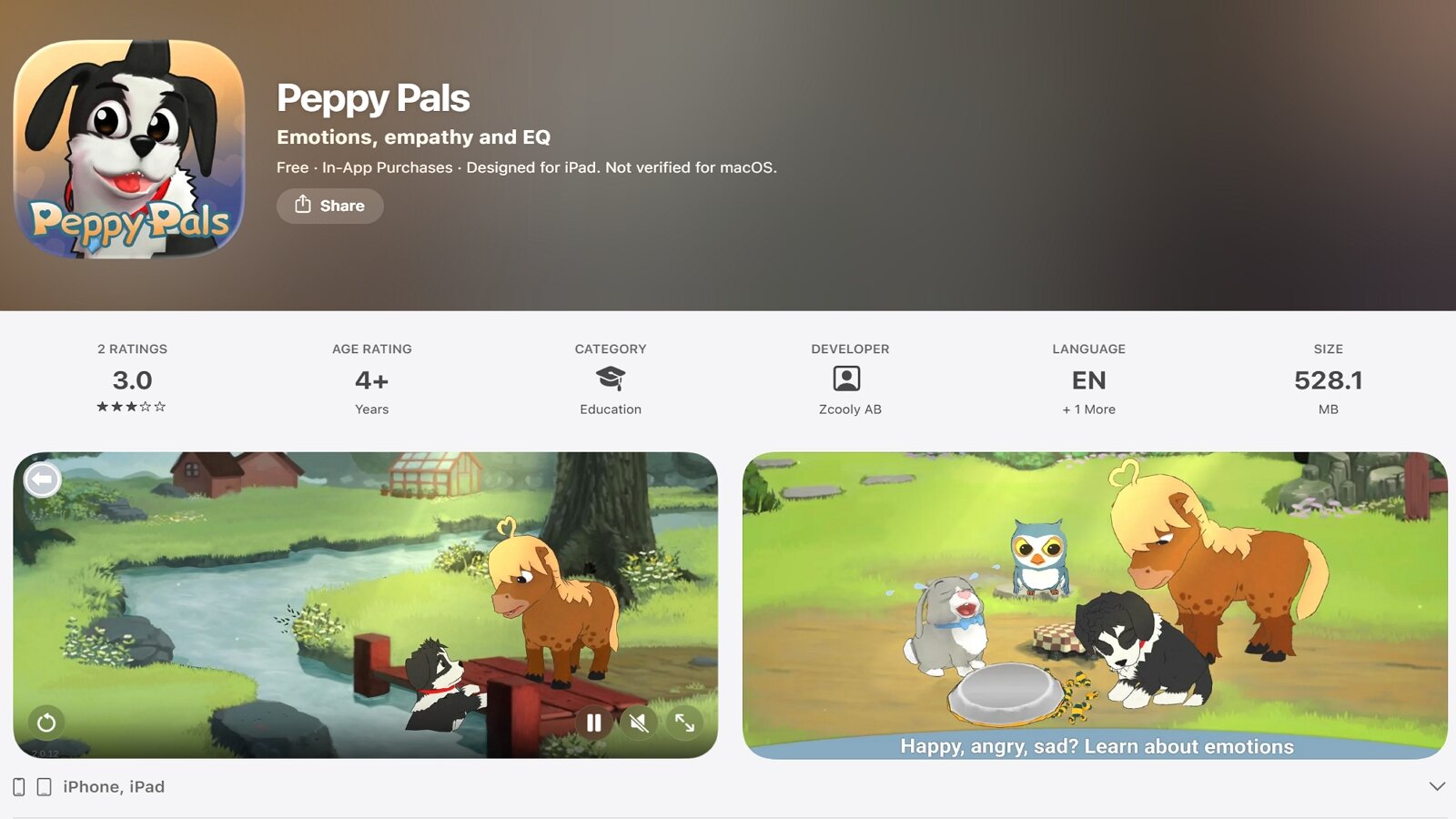
Peppy Pals, developed in Stockholm, Sweden, offers a series of research-based apps and stories that teach empathy, friendship, and feelings to children roughly ages two to eight. Five animal characters with distinct personalities act out everyday social situations such as sharing toys, being left out of a game, and making up after a disagreement. The apps use almost no text, so the lessons work across languages and for early readers or children who prefer visual stories. The design comes from collaboration with psychologists and follows frameworks used in social-emotional learning, with a focus on storytelling and light humor rather than scores or competition. Kids practice noticing how friends feel through clear body language and then choose kind actions in a calm setting. Built-in discussion prompts help parents talk about the stories afterward and connect the ideas to real life. Some families appreciate the language-free approach that works well for children with different learning needs, while others find the number of titles smaller than large subscription libraries that offer more variety. The focus stays tightly on social-emotional themes without mixing in academic drills. Many parents use the short sessions as gentle conversation starters at home.
- Key features: Character stories about everyday social situations, minimal text, empathy practice through animal friends, discussion prompts.
- Facts and Information: Research-informed approach based in Stockholm, suitable for ages 2–8, and available as apps focused on EQ skills.
4. Emotional ABCs
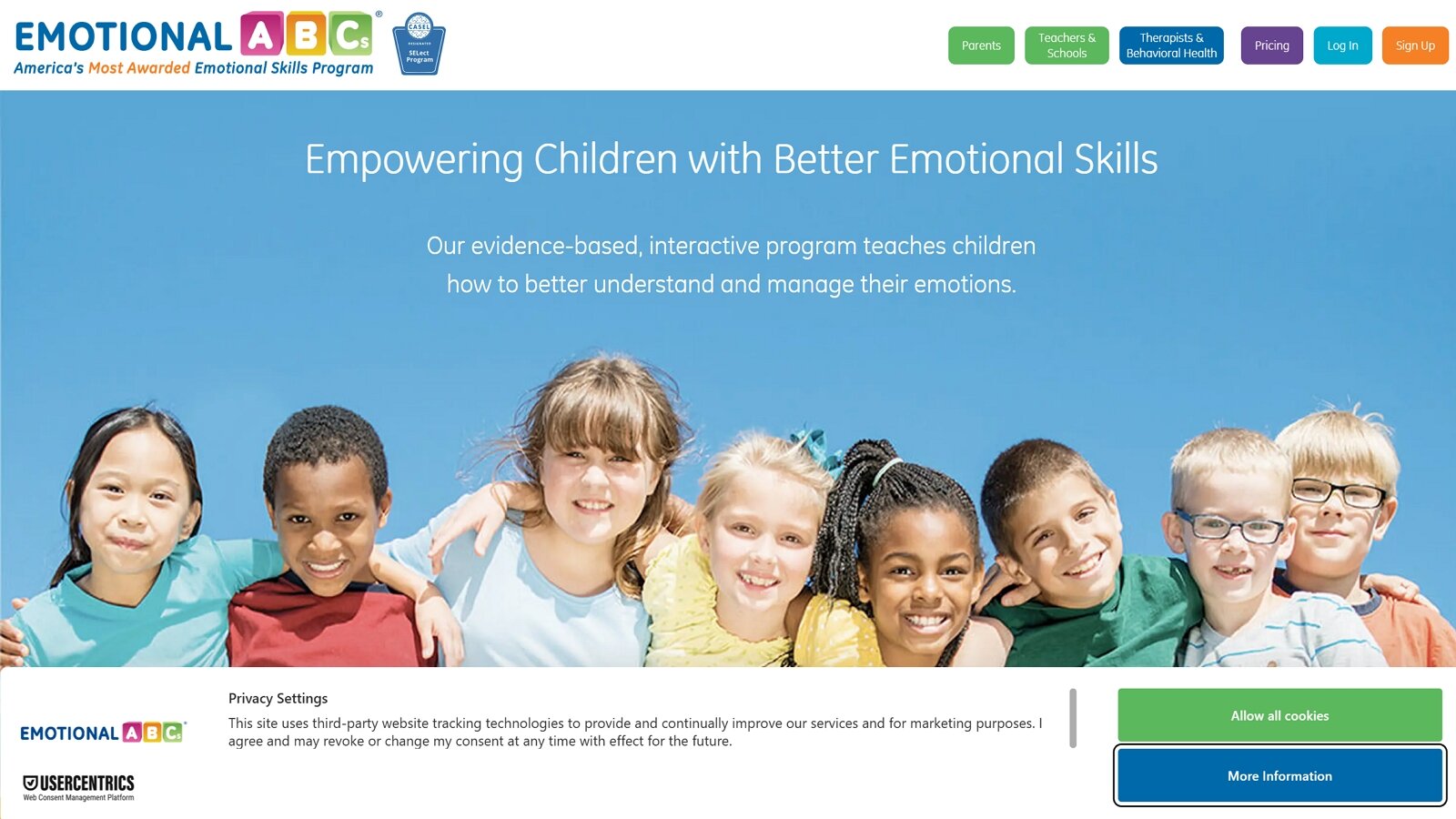
Emotional ABCs provides a structured, evidence-based curriculum for children ages four to eleven that teaches how to name feelings, understand why they happen, and choose a better next step. Learners move through sequenced videos, interactive games, and a simple toolbar that turns a big moment into three clear actions: pause to notice the feeling, rewind to understand the cause, and play to pick a helpful response. The program includes body clue activities, a growing emotion vocabulary, and offline printables so practice can continue away from the screen. It follows guidelines from major social-emotional learning frameworks and has been used in many classrooms as well as at home. Some kids enjoy the clear step-by-step structure that reduces confusion, while others may want more free creative play after finishing the lessons. The content stays positive and focused on building tools children can actually use when they feel frustrated or unsure. Parents and teachers often pair the online parts with short talks to reinforce the ideas and help the skills transfer to real situations.
- Key features: Sequenced lessons, body clue activities, pause-rewind-play tools, videos and games, offline printables.
- Facts and Information: Used by families in many countries and in schools, focused on building social-emotional competencies through a clear path.
5. Avokiddo Emotions
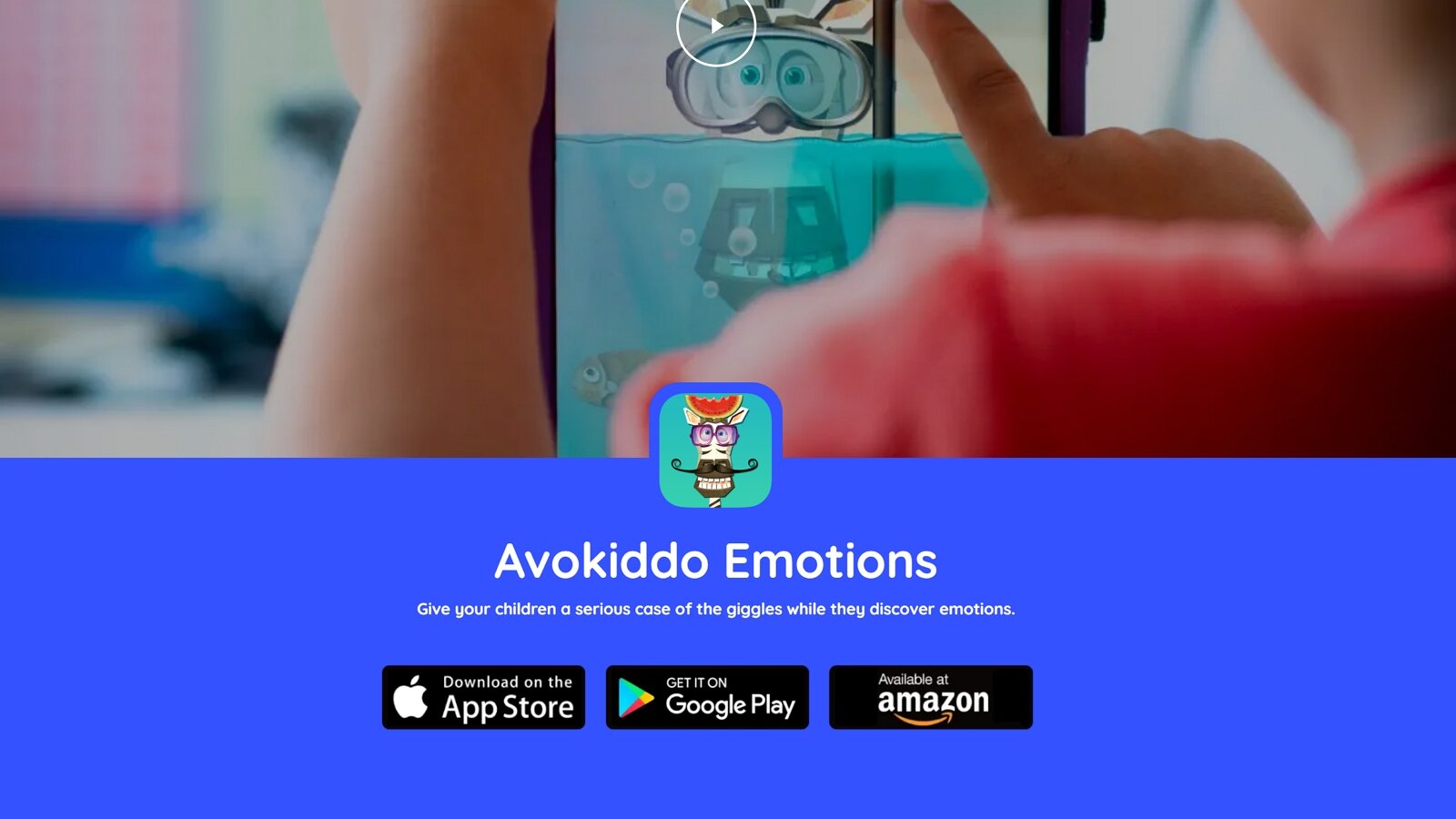
Avokiddo Emotions lets young children ages three and up play with expressive animal characters to identify and create feelings in an open-ended way. Kids dress up, feed, and interact with a zebra, sheep, giraffe, and moose using more than one hundred props, triggering different reactions, facial expressions, and body language. The app stays bright, silly, and free of strict rules beyond having fun, which encourages creativity while building basic emotion awareness. There are no ads or in-app purchases inside the play space, and the interface is simple enough for preschoolers to use with little help. Some parents like the humor and repeatable play that keeps children engaged, while others note that guidance is lighter than in more structured programs and may need adult input to name the feelings and talk about them. It works well as a fun starter for exploring faces and responses through cause and effect. The design comes from a studio focused on playful educational apps for kids and has been praised for its visual style.
- Key features: Animal characters, emotion identification, creative play with feelings, short interactive scenes, no ads.
- Facts and Information: Aimed at preschool ages, available as a paid app, and reviewed positively for early emotion awareness through free play.
6. Wisdom: The World of Emotions
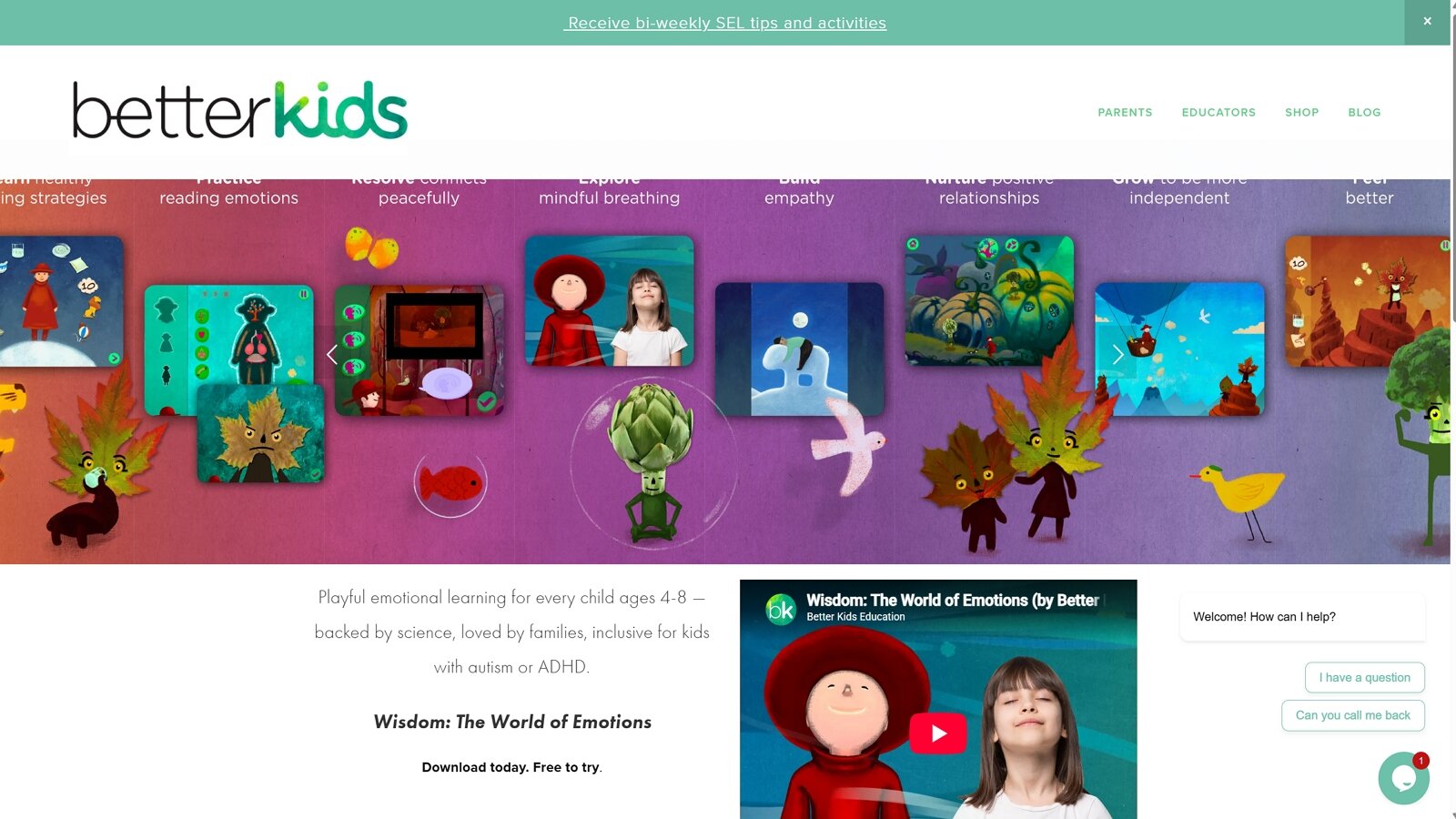
Wisdom: The World of Emotions takes children ages four to eight on interactive adventures that teach emotional vocabulary and simple regulation strategies through colorful stories and mini-games. Kids help characters solve everyday problems while learning words for feelings and practicing calm responses in a whimsical world. The app includes progress tracking so parents can see what has been covered, and the stories are designed to feel like play rather than lessons. Some families find the adventure format engaging for repeated sessions and useful for building a shared language about feelings. Others note that the content may feel limited once a child moves into longer reading or more complex social stories that require deeper discussion. The focus stays on building tools for naming and managing emotions that parents can easily reinforce offline. It pairs well with short family talks after play to help the ideas stick.
- Key features: Interactive stories, emotion vocabulary practice, mini-games, character problem-solving.
- Facts and Information: Aimed at ages 4–8, available on major platforms, and focused on playful emotional learning.
7. Daniel Tiger's Grr-ific Feelings
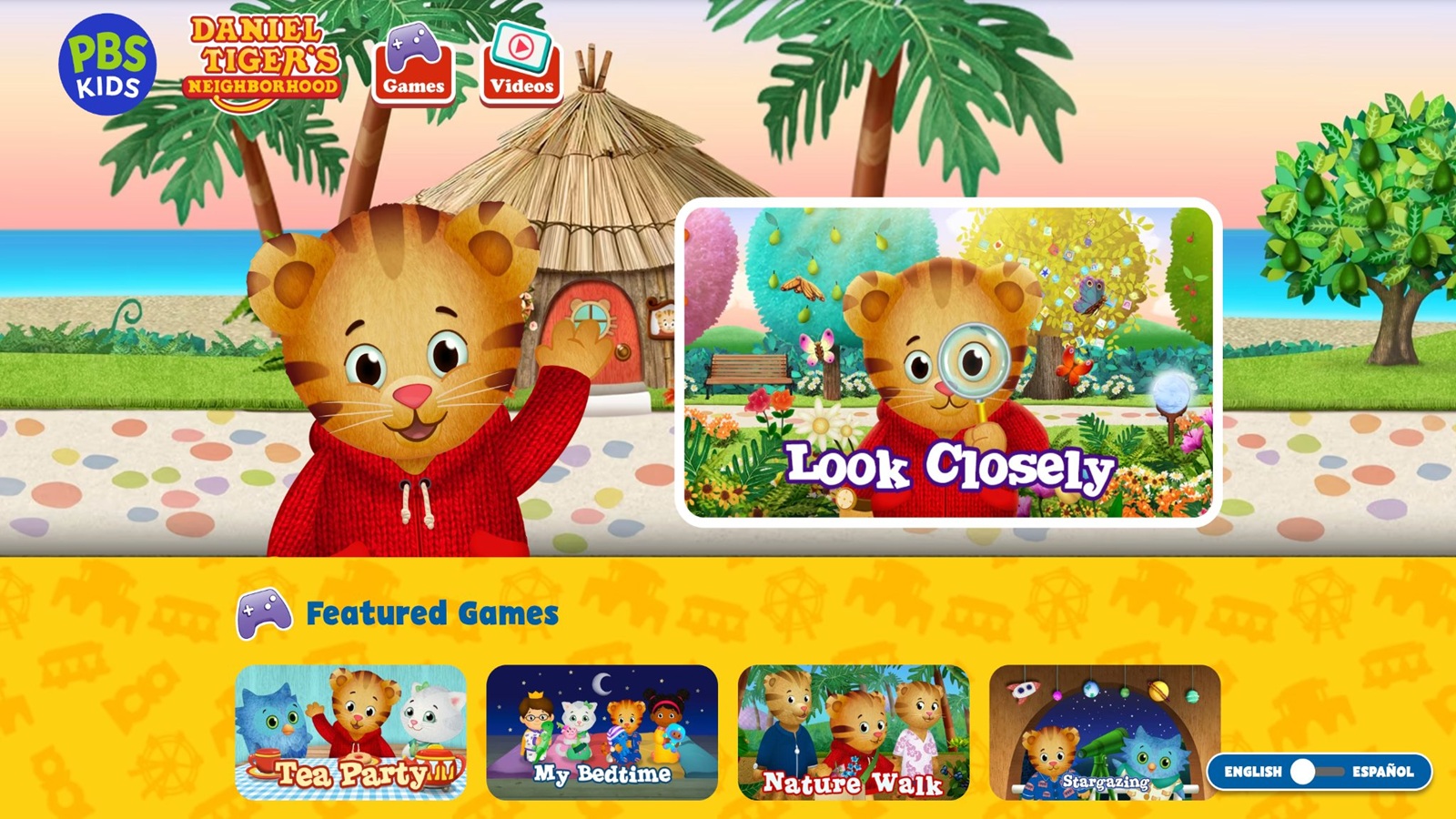
Daniel Tiger's Grr-ific Feelings from PBS Kids uses familiar songs, drawing, and short activities to help preschoolers name and handle feelings. Children sing about being mad, sad, or calm, then try simple strategies shown by characters they already know from the show. The app keeps sessions short and warm, which suits younger attention spans and makes it easy to fit into a busy day. Songs stick in memory and give families easy phrases to reuse offline when real feelings come up. Some parents note that the activities stay fairly simple and may not hold interest as long for older kids who want more open play or longer stories. The content stays positive and free of pressure, making it a gentle entry point for early emotional skills. Many US families already know the characters, which helps children feel comfortable right away.
- Key features: Songs for common feelings, drawing tools, photo-style scenes, short interactive moments tied to the TV show.
- Facts and Information: Aimed at preschool and early elementary ages, available as a paid app, and used by many US families already familiar with the show.
8. Khan Academy Kids
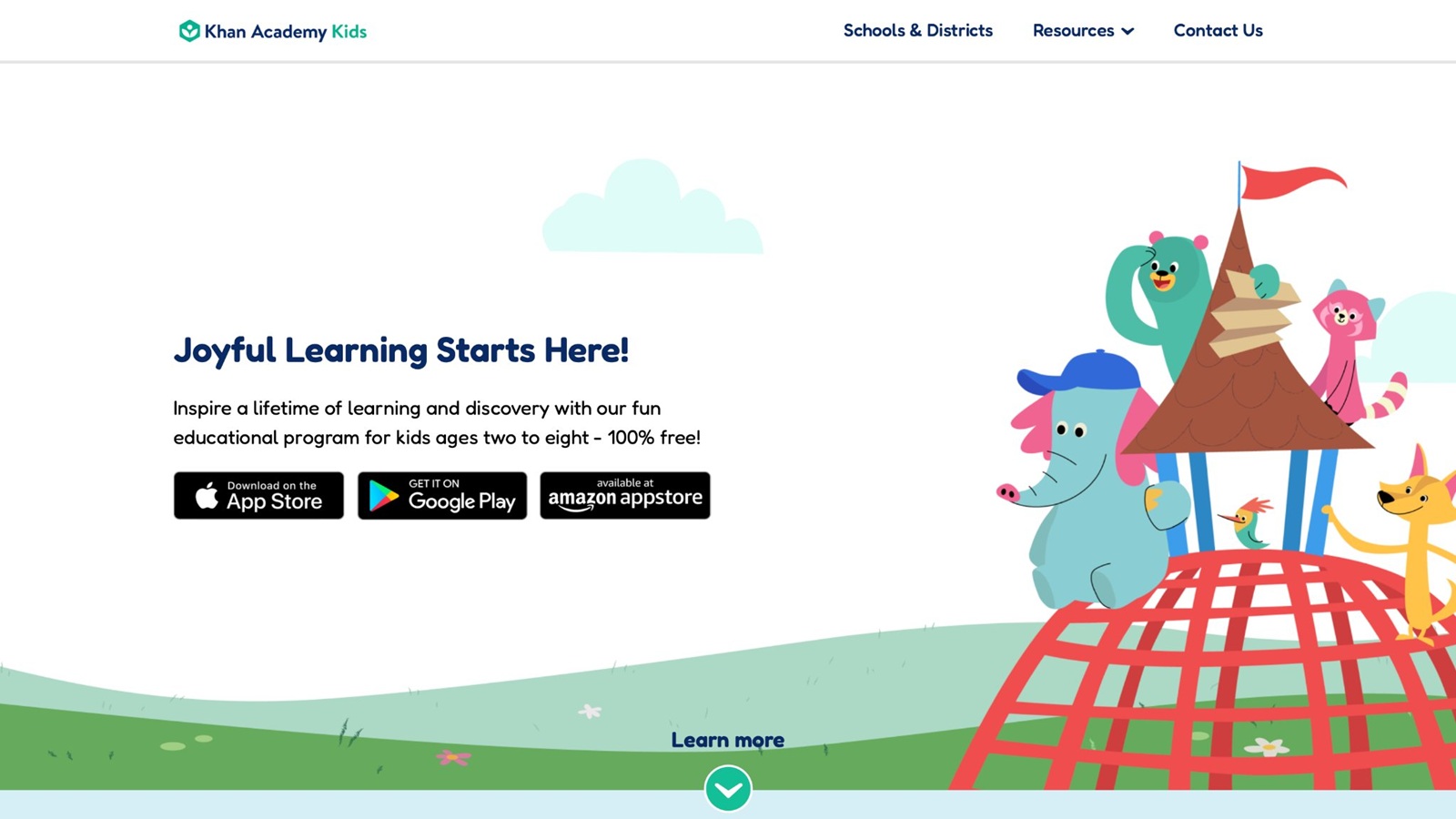
Khan Academy Kids offers free stories, books, and games for ages about two to eight that include social-emotional topics alongside reading and math. Friendly characters guide kids through kind choices, feeling words, and short creative tasks in a bright, ad-free space. Read-aloud support helps pre-readers follow along without getting stuck on text. The content stays high-quality and covers a wide range of early skills. Some parents appreciate the academic mix that makes screen time feel productive, while others find the emotional pieces lighter than dedicated feelings apps that focus only on empathy and regulation. Sessions can feel educational in a classic sense yet still include gentle practice for naming feelings and making kind choices during stories. The free access makes it easy for many families to try.
- Key features: Emotion-based activities, collaborative thinking prompts, books and videos, offline options in many activities.
- Facts and Information: Free access, designed for early childhood, and includes social-emotional elements next to core learning topics.
9. ABCmouse
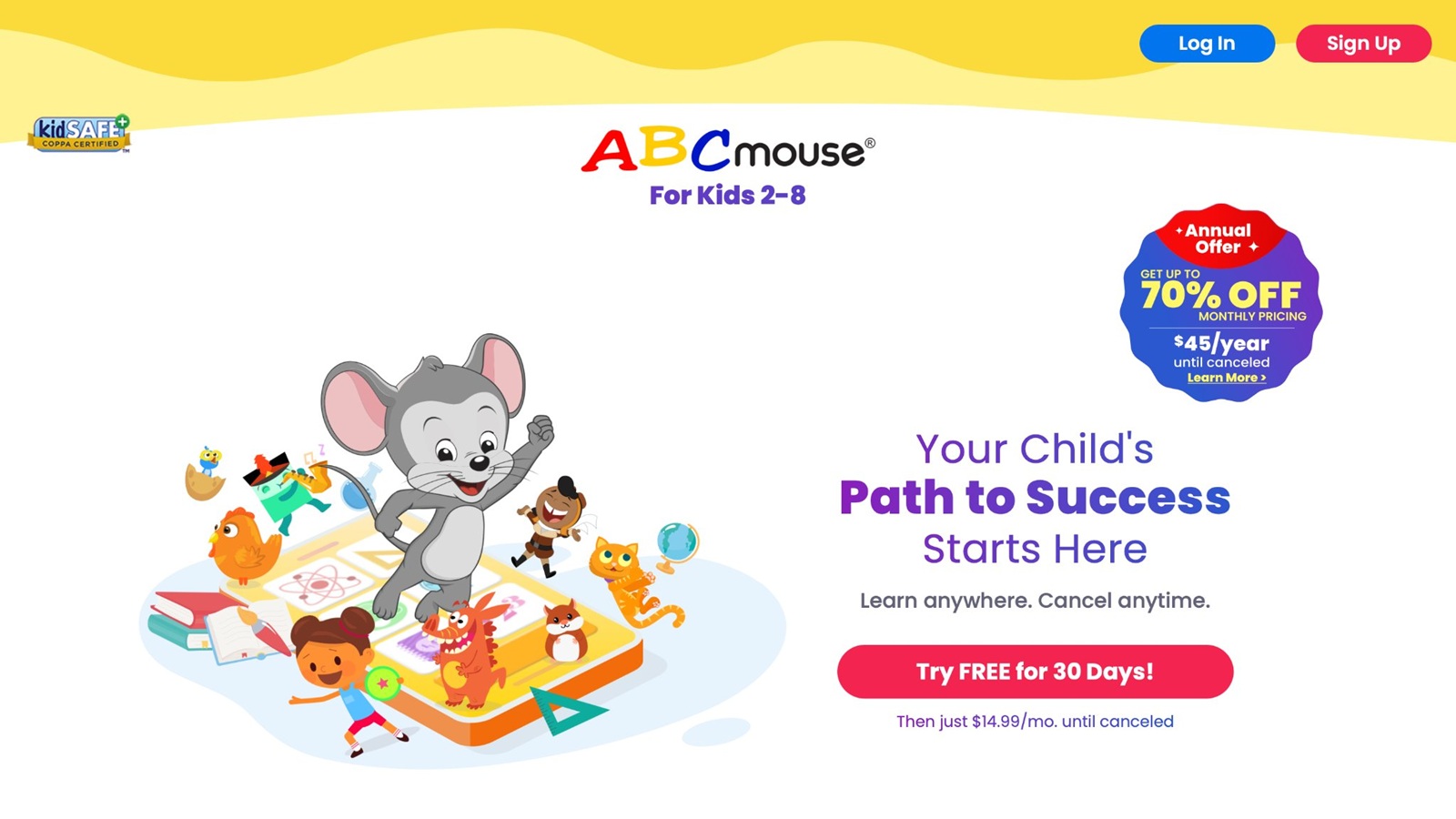
ABCmouse weaves social lessons into reading, math, science, and art activities for early learners in a structured, progress-tracked environment that many US families already know. Friendly character interactions and simple group-style tasks introduce sharing and cooperation alongside letters and numbers, so social skills appear as a natural part of the day rather than a separate lesson. Emotional pieces sit quietly beside academic work, giving children short chances to practice kindness and turn-taking inside familiar routines. Some families find the volume of content useful for covering many skills in one place and appreciate the clear progress tracking that shows what a child has finished. Others prefer a tighter focus on feelings alone and may find the broader mix less ideal when the main goal is deeper empathy practice. The design stays safe and age-appropriate for US preschool and kindergarten children, with bright visuals and short activities that match young attention spans. Activities are built to keep learners engaged without pressure, and parents can often see steady growth across both academic and social areas over time.
- Key features: Character interactions for social skills, integrated activities across subjects, progress tracking.
- Facts and Information: Subscription-based early learning platform popular with many US families, covers social concepts within broader curriculum.
10. Zones of Regulation App
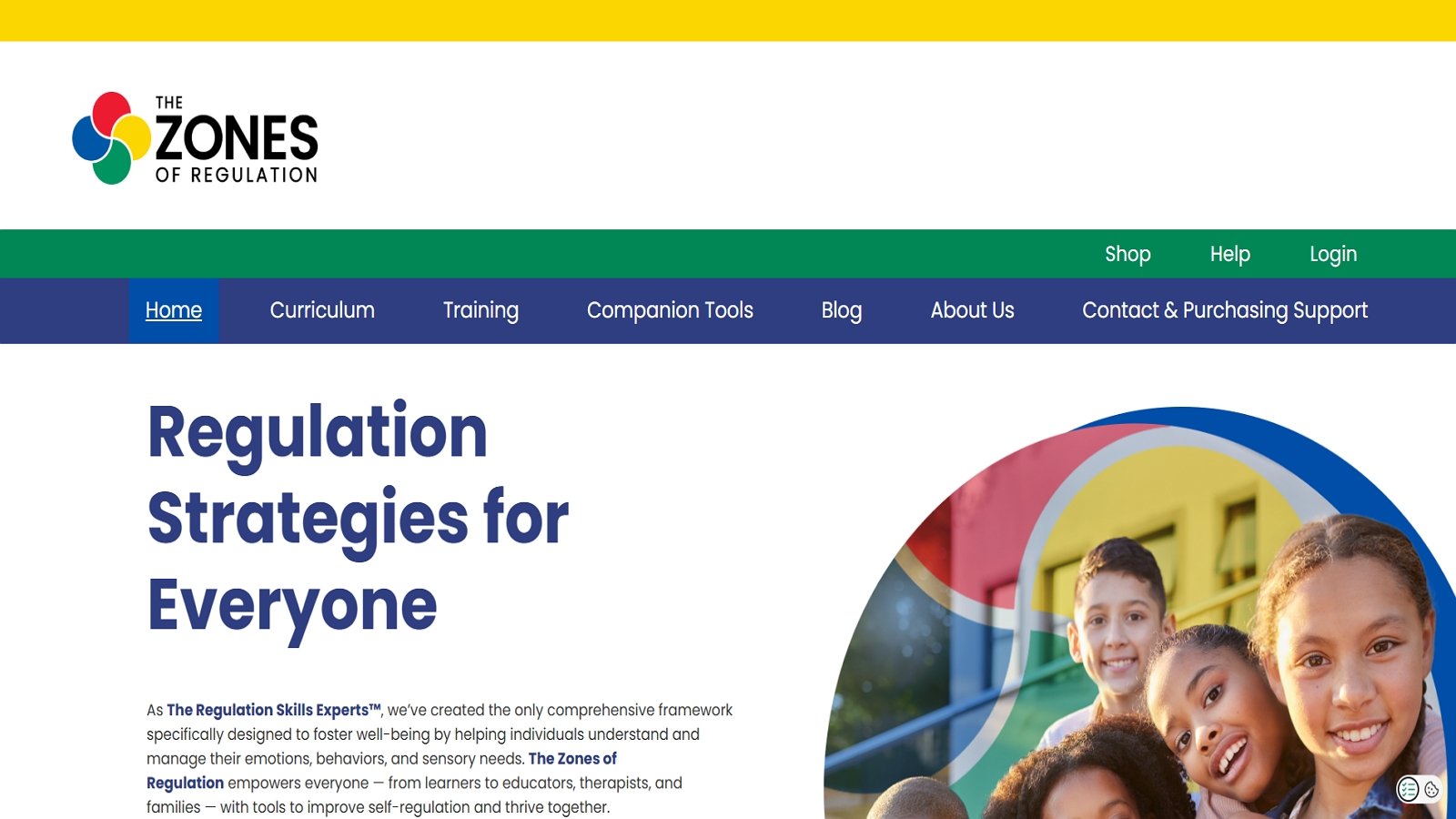
The Zones of Regulation App helps kids ages five to twelve sort feelings into a simple four-color system that makes complex emotions easier to understand and talk about. Learners move through a virtual town filled with short adventures and practice noticing body clues then picking helpful strategies that match each color zone. The color language gives families a shared, concrete way to talk about energy and mood without long explanations or abstract words. It works well for children who like clear categories and visual tools they can point to during the day. Some younger kids may need adult help with the concepts at first, and the focus stays more on regulation than open creative play or long stories. The app supports the well-known Zones framework used in many US schools, which can make it easier to connect home practice with classroom language and reduce confusion. Short sessions fit easily into daily routines, and the strategies can be practiced both on screen and offline when feelings rise.
- Key features: Color-based zones for feelings, body clue practice, strategy cards, virtual town adventures.
- Facts and Information: Based on the Zones of Regulation framework, aimed at elementary ages, and used in classrooms and homes.
11. Smiling Mind
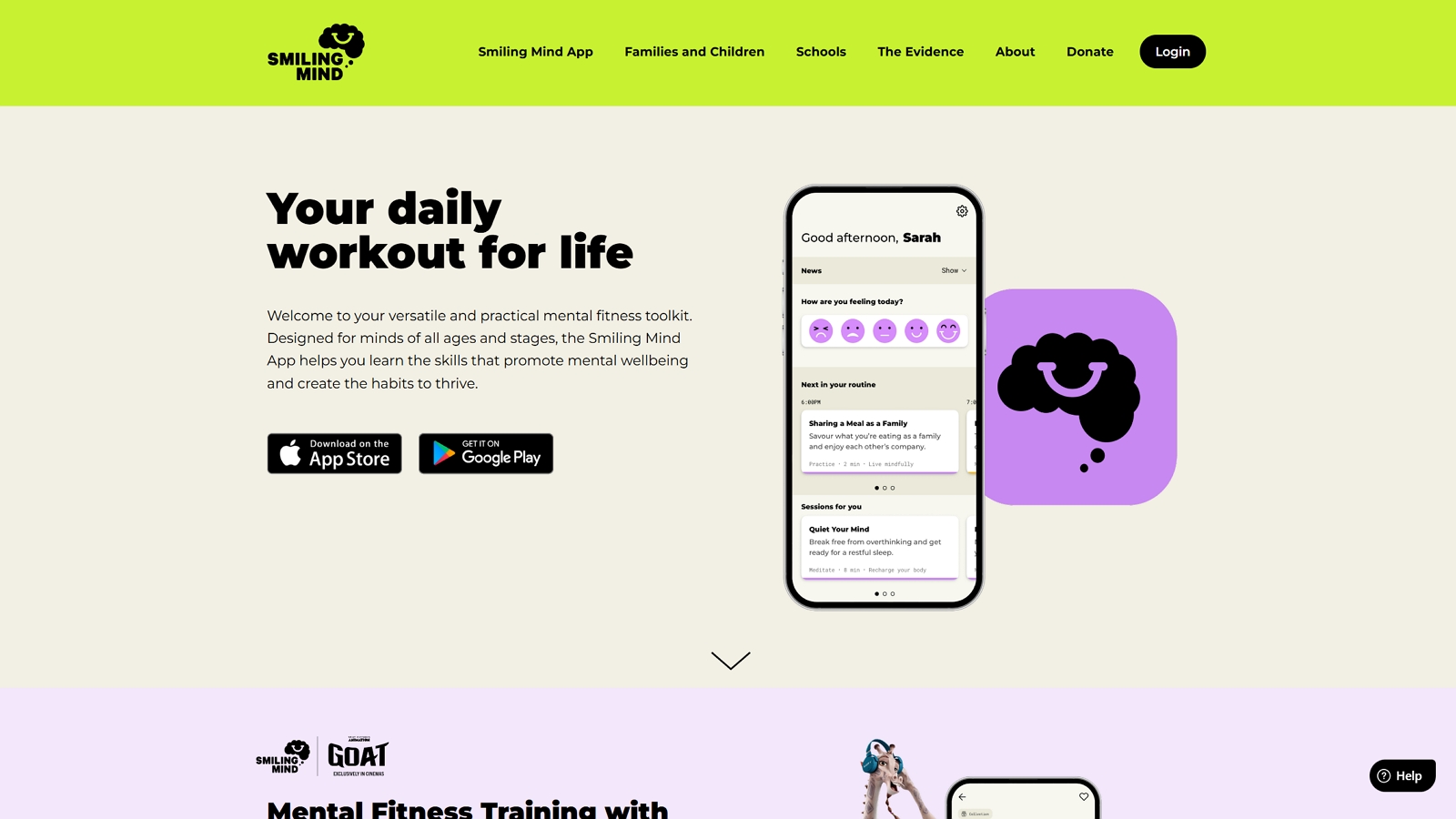
Smiling Mind offers age-filtered mindfulness sessions that help children settle their bodies, notice thoughts, and practice calm before sleep or after a hard day. The sessions are short, gentle, and non-competitive, with calm guidance designed by psychologists and educators for different ages. Some children respond well to the quiet focus and report feeling more relaxed after regular use, while others prefer more story-driven games that include characters and actions. It supports self-regulation through body awareness and simple breathing practices that can be reused offline with little extra effort. The app includes many lessons across different ages and has been used by families looking for simple calm tools without pressure, scores, or competition. Sessions can be done alone or with a parent nearby, and the tone stays supportive rather than instructional. Many parents use the shorter practices as a wind-down routine that fits into busy evenings.
- Key features: Mindfulness and mental-fitness sessions, age filters, calm practices.
- Facts and Information: Contains hundreds of lessons, high acceptability among children who try it regularly, and used for focus and relaxation.
12. Breathe, Think, Do with Sesame
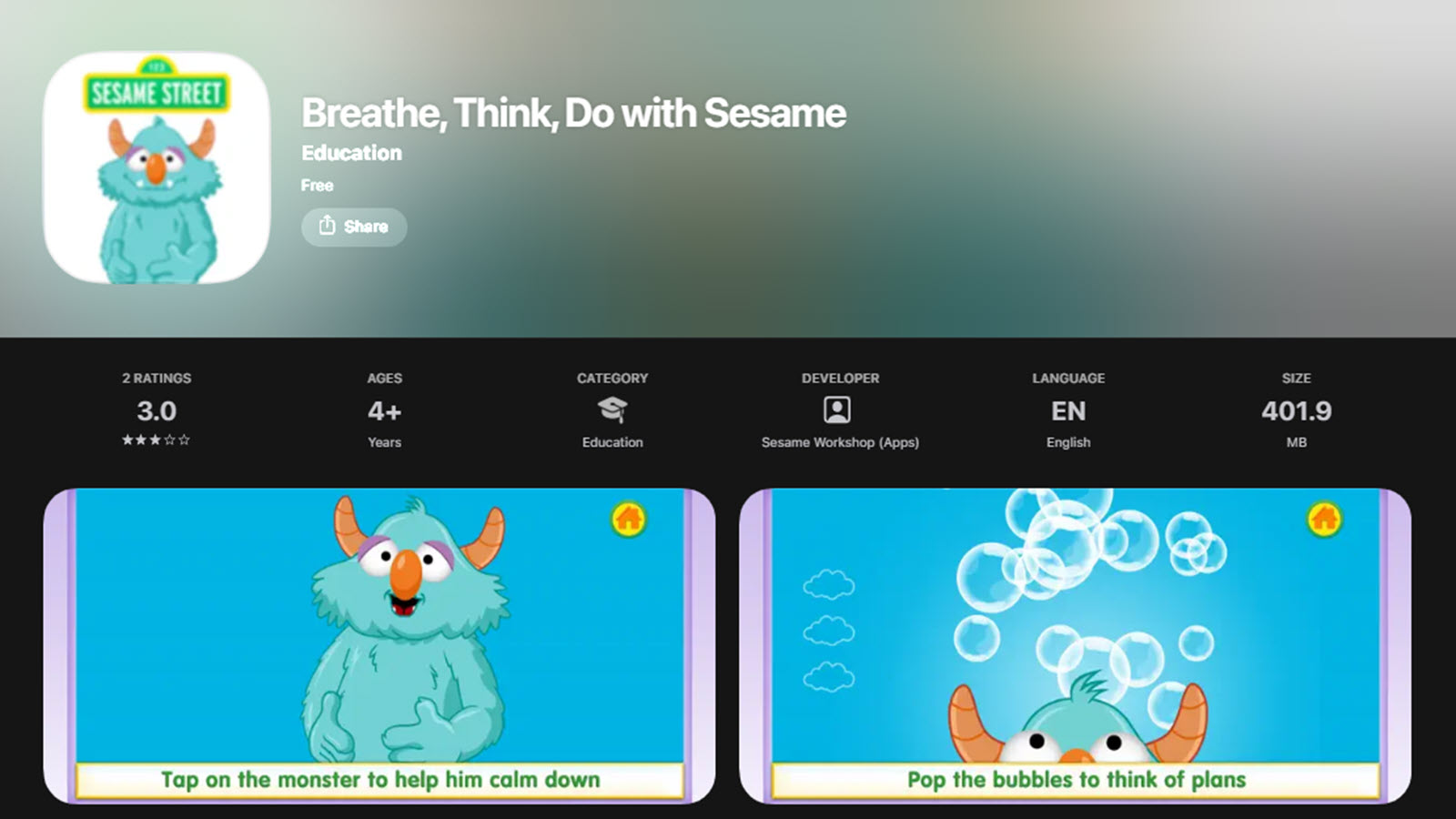
Breathe, Think, Do with Sesame uses familiar Sesame Street characters to teach young children a simple three-step process for handling everyday problems. Kids help a monster character breathe to calm down, think of a plan, and try a solution in short, visual scenes that feel friendly and clear. The app keeps activities brief and easy to follow, which works well for preschool attention spans and makes it simple to fit into a short break. Songs and simple steps make the ideas easy to remember and reuse offline when real frustrations appear at home or school. Some families find it highly effective for one-on-one practice and appreciate the trusted characters that children already know, while others note that the content is more limited than larger libraries with more variety and longer stories. The focus stays on calm problem-solving rather than open creative play, making it a practical tool for early regulation skills that parents can reinforce with the same three words.
- Key features: Three-step calm-down process, Sesame Street characters, short interactive scenes, problem-solving practice.
- Facts and Information: Aimed at ages 2–5, available as a free or low-cost app, and designed for early emotional regulation.
13. Mightier
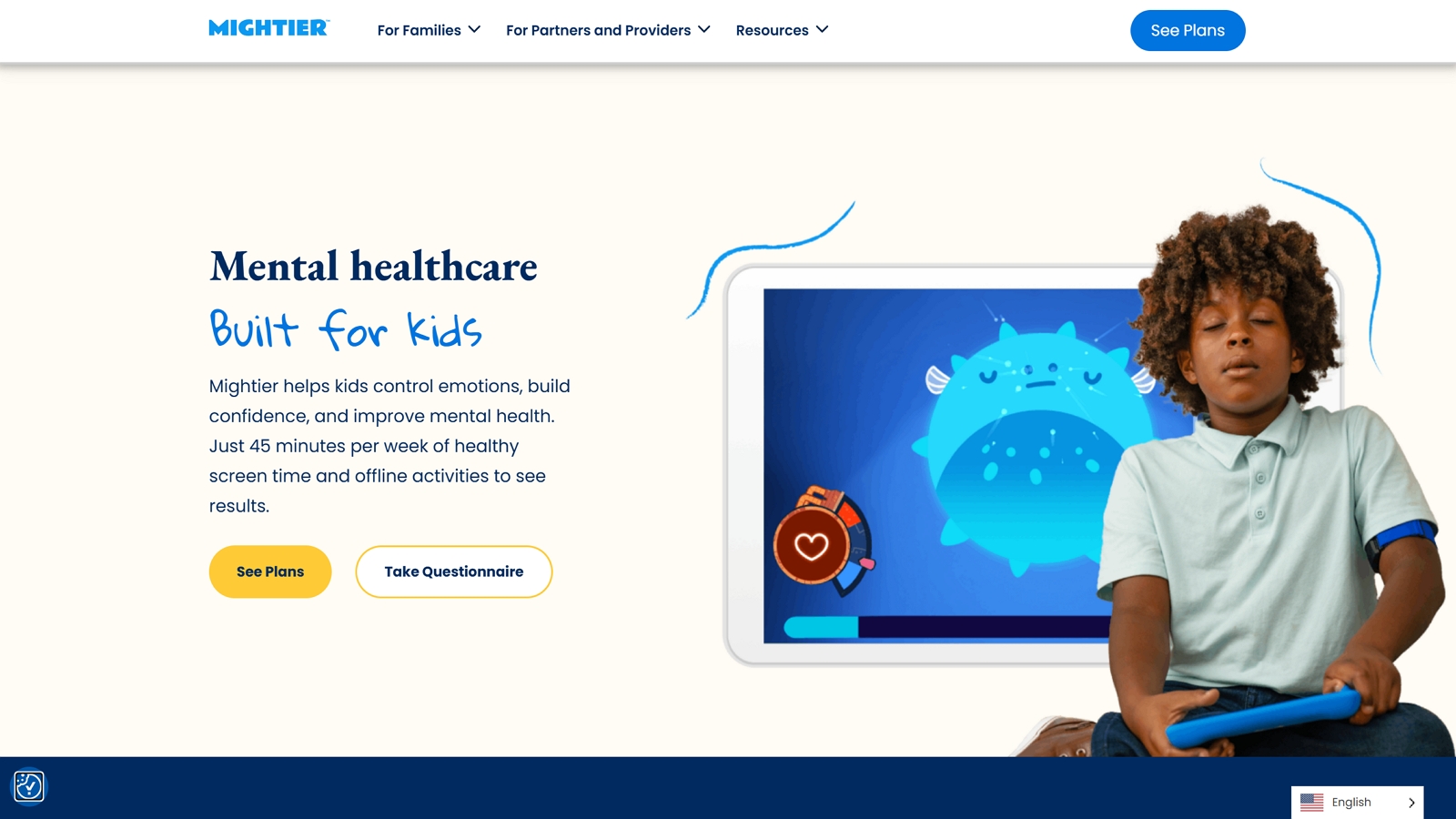
Mightier combines regular video games with a heart rate monitor so children ages six to fourteen can practice calming strategies when their heart rate rises during play. The game slows or changes until the child uses a coping skill, turning regulation into part of the activity rather than a separate lesson that feels like work. Many families see the biofeedback element as helpful for real-time practice that feels relevant to kids who already enjoy games and respond well to clear signals. Some note that the hardware requirement adds a step at the start, and the games may feel more intense than pure care-focused titles that stay fully calm. It works best for kids who like video games and need support with frustration or big feelings that show up during play. The approach gives clear feedback that children can see and feel, which can make the connection between body and emotion easier to understand. Sessions stay engaging because the regulation happens inside the game itself.
- Key features: Heart rate feedback, coping skill practice during play, age-appropriate games.
- Facts and Information: Designed for ages 6–14, uses wearable feedback, and focuses on real-time emotional regulation.
14. Hopster Saturday Club: Empathy

Hopster Saturday Club: Empathy uses dramatically expressive cartoons to help children ages three and up identify feelings and practice empathy. Short episodes and activities focus on recognizing emotions in others through clear faces and body language, then responding with kindness in simple, repeatable scenes. The content stays age-appropriate and free of ads in the core experience, which helps parents feel comfortable during short sessions. Some parents like the clear visual style that makes feelings easy to spot for young children, while others find the sessions shorter than they hoped for longer practice time or more open play. It provides a simple entry into feeling recognition through familiar cartoon formats that many kids already enjoy and can follow without reading. The episodes can spark short talks about the same feelings at home, and the expressive characters give children clear examples to copy when they notice someone else’s mood. The overall tone stays warm and supportive.
- Key features: Expressive cartoons, emotion identification activities, short episodes.
- Facts and Information: Aimed at preschool ages, available as part of a broader kids platform, and focused on empathy practice.
How Parents in the US Use These Games at Home
Many families keep emotional game sessions short, about ten to fifteen minutes, then talk about the same feeling in real life. A parent might ask what the character needed or how the child felt during a puzzle. That short chat helps the skill transfer, the same idea behind learning through play. Pairing a game with a real care task, such as feeding a pet or helping set the table, reinforces the idea. Some parents rotate titles so a child stays interested. The best results often come when adults stay nearby for the first few plays, then step back as the child gains confidence. Safe kids games that stay ad-free make this easier because the session ends when the family chooses. The same approach works well with social emotional games for kids that keep practice calm and short. Families also find practical tips in a parent’s guide to healthy screen time with educational apps.
Safety Checks US Parents Usually Make
US parents often start with COPPA compliance so personal data stays protected. They also check for the absence of ads, in-app purchase prompts, and open chat, the same points covered in the best safe kids games. Family sharing and offline play add convenience for households with more than one child or limited internet. Clear age ratings and simple controls reduce frustration. Many families also look at whether a game matches their child's current stage, from toddler care play to early elementary friendship stories. The FAQ page covers common questions about accounts, devices, and safety in plain language. Additional checks appear in how to protect kids online. Healthy habits around screen use are covered in the best healthy screen habits.
Long-Term Benefits Beyond a Single Session
Regular practice with care-focused games can support school readiness. Children who name feelings more easily often join groups with less conflict. Empathy built through virtual care sometimes shows up as kinder sibling play or better listening. Confidence grows when a child finishes a routine or solves a small challenge, the same gains described in the best confidence building games. Over time, these small wins add up. Parents who mix game play with everyday moments, such as naming moods at dinner, see the strongest carry-over. The same ideas appear in building emotional intelligence with kids educational games that keep the focus on practice rather than perfection. Problem-solving practice in kids helps develop strong critical-thinking skills, while focus skills grow through the best brain games for kids.
FAQ
What age works best for emotional games for kids in the US?
Most emotional games for kids suit ages two through eight. Younger children enjoy simple care tasks with clear faces, short stories, and easy taps that match their attention span and motor skills. Older preschoolers and early elementary kids can handle longer rooms, more choices, and gentle challenges that ask them to notice feelings and try a kind response. The right match depends on whether the child is ready for feeling words and can finish a short activity without getting frustrated or losing interest. Many US families start with brief sessions and adjust as interest and skills grow over time. Age-matched options appear across educational games for kids age 5 and similar guides that keep tasks clear and finishable. Parents can watch how long a child stays focused and switch to a simpler game if attention fades. Starting with shorter sessions also helps children build the habit of finishing an activity with a sense of pride.
How do these games support school readiness?
Emotional games practice skills teachers notice, such as waiting a turn, naming a feeling, and trying again after a miss. Children who can calm down faster often join group activities with less struggle and fewer conflicts during play or classroom routines. Care tasks also build the habit of noticing what someone else needs and responding with kindness instead of grabbing or shouting. These habits transfer to classroom routines and playground moments when parents reinforce them with short talks at home. The educational games that focus on empathy and routines give extra practice in a calm setting that feels like play rather than a lesson, helping skills stick before school starts and making group time smoother for many children. Regular short sessions can make the first weeks of school feel less overwhelming for some kids. The ideas behind what is an emotionally intelligent child show how naming feelings and choosing a kinder step support smoother group time. Regular short sessions can make the first weeks of school feel less overwhelming for some kids.
Are emotional games safe for US kids?
Strong options stay COPPA-compliant, ad-free, and free of stranger chat so personal data stays protected and sessions remain focused. Parents can check data practices and look for family sharing without extra accounts that complicate daily use. Offline play after download adds another layer of control for car rides, visits, or times with limited internet. Many families feel comfortable when the game stays inside a known, closed environment designed for young children with clear age ratings and simple controls. The TutoClub FAQ page covers common questions about accounts, devices, and safety in plain language that helps parents decide with confidence before a child starts playing and keeps screen time worry-free. Checking these points first reduces common concerns about privacy and unexpected content. Clear age ratings and the absence of open chat also help parents feel more relaxed about unsupervised short sessions. Practical checks for young children appear in a parent’s guide to safe skill building apps for toddlers. Checking these points first reduces common concerns about privacy and unexpected content.
Can emotional games replace real-life practice?
Games give safe rehearsal, but real-life moments still matter most for lasting skills. A child who comforts a character can later try the same idea with a sibling or friend when a real feeling shows up. Short parent talks after play help the skill stick and show how the same ideas work offline without a screen. The combination of game practice and everyday care usually works better than either one alone because the child gets both rehearsal and real practice. Many parents notice stronger results when they pair screen time with simple real-world care tasks such as feeding a pet, helping set the table, or naming a mood during a normal family moment, which turns play into lasting habits. The same transfer appears in chore games for real life skills through play. Over time, the mix of both helps children feel more confident when big feelings appear in everyday situations.
How do parents usually fit emotional games into a busy day?
Many families keep sessions short and place them after a meal or before quiet time so the practice feels natural rather than like an extra task. A parent might ask one simple question about the character’s feeling once the screen turns off to connect the game to real life. Pairing the game with a real task, such as feeding a pet or tidying a small space, helps the idea transfer into daily life without adding more screen time. Rotating titles keeps interest high and matches different moods or energy levels. The social emotional games for kids approach works well when practice stays calm and brief, making it easy to fit into a normal family schedule without pressure. Short sessions work well on shared devices, as described in tablet games for kids. A few minutes of focused play often works better than longer sessions that become hard to stop.
Read Also:
- Best Emotional Regulation Games For Kids In 2026
- Best Emotional Intelligence Kids Game
- Best Social Emotional Games For Kids In 2026
- What Is an Emotionally Intelligent Child
- Building Emotional Intelligence With Kids Educational Games
Discover TutoClub for calm emotional games that kids actually enjoy!