

Best Social Emotional Games For Kids in US






Parents across the US look for ways to help kids name feelings and show care for others. The best social emotional games for kids in US turn everyday screen time into practice for empathy, patience, and kind choices. These social emotional games for kids blend fun stories with gentle challenges so children grow skills that carry over to real playdates and school days.
Families can deepen this practice by exploring the best social-emotional games for kids that strengthen empathy and connection. Pairing them with the best emotional regulation games for kids gives children clear tools to pause and choose calmer responses, while the best emotional games for kids keep the learning light, story-driven, and easy to carry into real-life playdates and school days.
Start calm SEL play with TutoClub games your family can enjoy today!
Why Social Emotional Games Matter for Kids

Social emotional games give children a safe space to try feelings words and helpful responses. Many kids learn to notice when a friend looks sad or when they feel frustrated themselves. Through play, they practice waiting a turn, sharing space, and offering comfort. These moments build the same habits that support stronger friendships and calmer days at home. Families who add short sessions of social emotional games for kids often see children use the same kind actions with siblings and classmates. The games make the practice feel natural instead of like a lesson.
Play-based practice helps children connect what they feel inside with what they see on the outside. A child who feeds a virtual pet or helps a character clean up learns that small actions matter to others. Over time, many children start using feeling words more clearly during real conversations. They also grow better at pausing before they react when something does not go their way. These skills show up in everyday places, from the breakfast table to the playground. When the games stay gentle and focused on care, children stay engaged longer and carry the lessons further into their day. Many families also pair this play with learning through play activities that reinforce the same care habits offline.
Emotional games for kids often include simple character stories that make empathy practice feel like an adventure. Parents looking for ways to support empathy and responsibility in kids from pet care games find that regular sessions help children transfer kind actions into real family routines.
How to Choose Social Emotional Games for Kids in the US
Look for games that match your child’s age and current interests. Younger children do best with clear pictures and simple care tasks. Older preschoolers enjoy stories that ask them to help a character feel better. Safety matters, so choose options that stay free of ads and outside links. Short sessions work well for most families. Pair digital play with real conversations so the skills move from the screen into daily life. Many parents also check that the games support offline use after the first download.
Start by watching how your child already plays. Some children love caring for animals or babies, while others prefer building or storytelling. Match the game to that interest so the social emotional practice feels like play instead of work. Check that the characters model kind responses and that the challenges stay low-pressure. Games that let children try again after a small miss help build confidence. Also look for options that work across devices so more than one child can use them. When a platform offers both care stories and gentle puzzles, families often find it easier to keep the practice going day after day without boredom setting in.
Families seeking the best educational games for kindergarten often look for titles that combine simple care tasks with early social skills. Safe apps for kids give parents peace of mind while children practice empathy. Checking the FAQ section helps with questions about device support and offline play.
Many parents also review a parent’s guide to healthy screen time with educational apps when deciding how long sessions should last. The educational games collection includes age-matched options that support these choices.
Best Social Emotional Games For Kids in US
1. TutoClub - Best Social Emotional Games For Kids in US
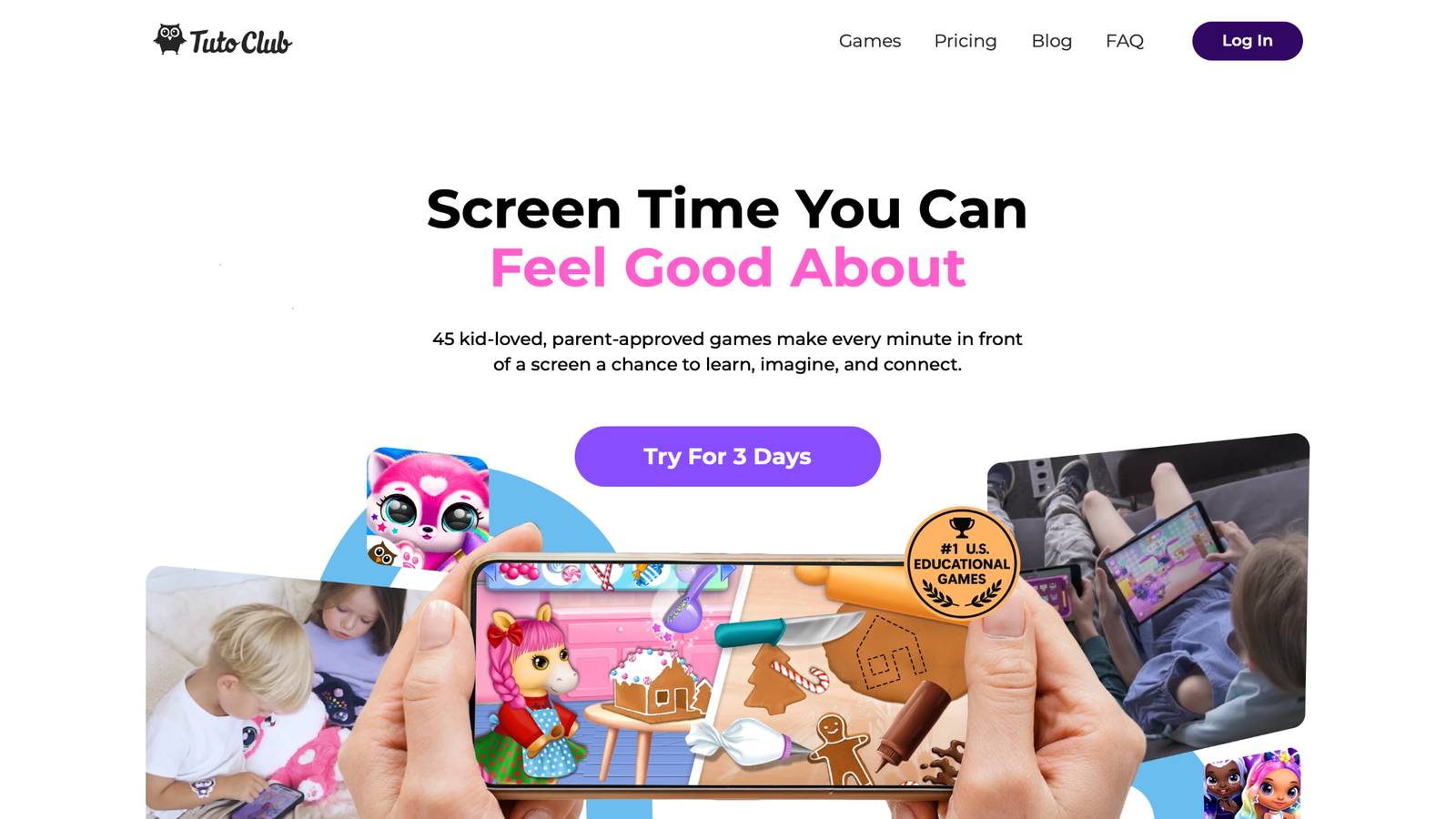
TutoClub social emotional games deliver a complete subscription with over 45 ad-free titles created by the TutoTOONS studio in Kaunas, Lithuania. Kids practice empathy by caring for baby unicorns, hatching fluffy pets, and following cleanup stories that mirror real daily moments. The games mix creativity, gentle puzzles, and character care so children notice feelings while they play. Many parents see kids grow more patient and kind after regular sessions. The platform supports family sharing on up to three devices and stays free of ads or in-app buys. It focuses on ages from toddlers to early school years with activities that build confidence and social awareness through fun adventures. Standout titles include My Baby Unicorn for kindness practice and Fluvsies pet care for curiosity and responsibility. These open-ended stories let children try again after a small setback, which builds resilience in a low-pressure way.
Key features
- Over 45 ad-free educational games focused on care, empathy, and creativity
- Family sharing on up to three devices
- Age-tailored activities for toddlers through early elementary years
- COPPA-compliant safe playground with regular updates
Facts and information
- Developed with child psychologists and educators
- Many families report fewer meltdowns and more patient play after consistent use
- Games weave social awareness into pet care, storytelling, and daily routine tasks
TutoClub Overview
TutoClub is your gateway to a magical world of educational games designed especially for children.
As part of TutoTOONS, a leading kids' games studio, we offer premium access to over 45 ad-free games.
Our mission is to blend learning and play, helping kids explore, create, and grow in a safe online space.
Thousands of parents trust us for family-friendly content that sparks imagination and builds essential skills.
Key Features
- Unlimited Access: Unlock full content in all games with no interruptions.
- Ad-Free Experience: Enjoy seamless play without any ads or distractions.
- Skill Development: Games foster creativity, social skills, communication, and more through fun activities like pet care and cleanup challenges.
- Regular Updates: Get new releases, exclusive content, and future updates automatically.
- Easy Subscription: Cancel anytime with no obligations, simple and flexible for families.
Explore Our World
TutoClub provides a rich ecosystem of educational games for kids, featuring ad-free experiences that promote creativity, focus, and emotional growth through play.
This platform turns screen time into valuable learning opportunities, with parent-approved content that builds essential skills and sparks curiosity in young minds.
- TutoClub Games: Over 45 educational games, including popular titles like Fluvsies, Smolsies, and the Sweet Baby Girl series
- Blog: Insights, tips, and stories for families on kids' learning and play
- FAQ: Comprehensive answers to frequently asked questions about subscriptions, features, and more
Get TutoClub on Your Device
TutoClub delivers premium kids educational games directly to your mobile devices, making learning accessible anytime, anywhere.
With apps available on major platforms, families can easily download and subscribe for ad-free play that turns screen time into skill-building adventures.
Perfect for parents seeking safe, engaging content on iOS, Android, or Amazon devices.
Why Choose TutoClub?
We're committed to 100% safe, enriching entertainment that kids love and parents approve.
Join the thousands who've seen their children thrive through playful learning.
Ready to start the adventure?
Give your child a gentle place to practice empathy and kindness with TutoClub!
2. Fluvsies Academy
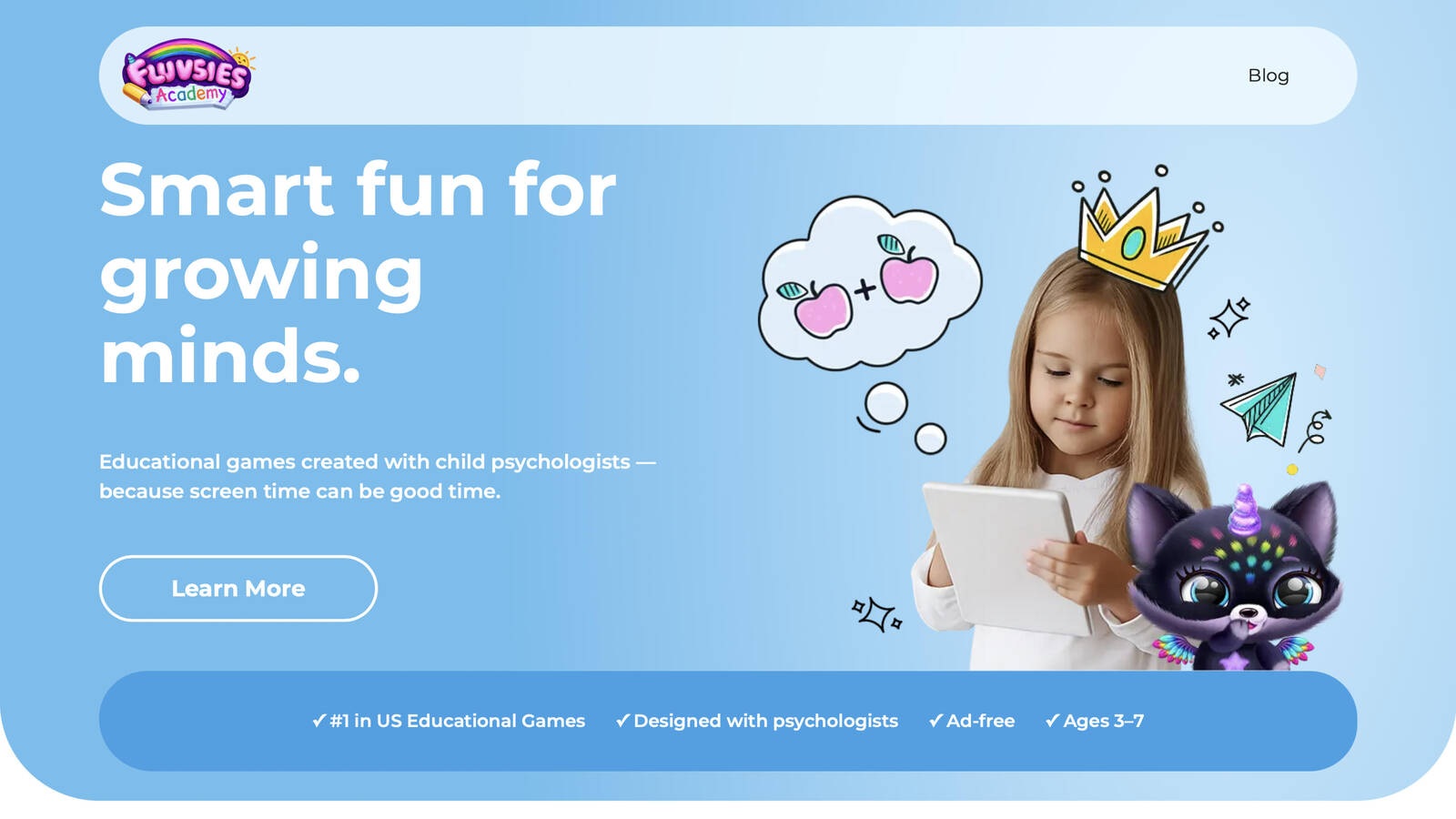
Fluvsies Academy creates a calm learning space for children ages three to seven, built with child psychologists. Kids explore language, logic, and real-world professions through short mini-games while also practicing focus and self-regulation. The activities include life skills such as healthy habits and role-play that encourage empathy and independence. Many children enjoy the familiar fluffy characters and the mix of active challenges with quieter stories. The design keeps emotional safety at the center so play stays balanced and never overwhelming. Some families find the structured learning focus helpful for daily routines, while others prefer more open-ended creative play for pure social practice. The platform includes mindfulness elements and profession-based stories that help children understand different roles and feelings. Parents appreciate the progress reports that show growth in attention and social skills over time. While the content stays age-appropriate and gentle, some children may want more free creative time after finishing the guided activities. The overall experience supports emotional balance through short, focused sessions that fit into busy preschool days without adding stress. Children practice self-regulation while exploring everyday professions and healthy habits in a nurturing digital space. The combination of active mini-games and calmer storytelling helps many preschoolers build both focus and empathy. Families often note that the emotional safety built into the design makes it easy to leave children playing independently for short periods. The progress tracking gives parents a clear view of how attention and social skills develop week by week.
Key features
- Ad-free mini-games covering language, math, logic, and life skills
- Progress reports for parents
- Mindfulness and emotional balance activities
- Designed for preschool and early elementary ages
Facts and information
- Created in partnership with child development experts
- Supports social skills and self-regulation through guided, gentle play
- Available on major mobile devices with age-appropriate visuals
3. ABCmouse
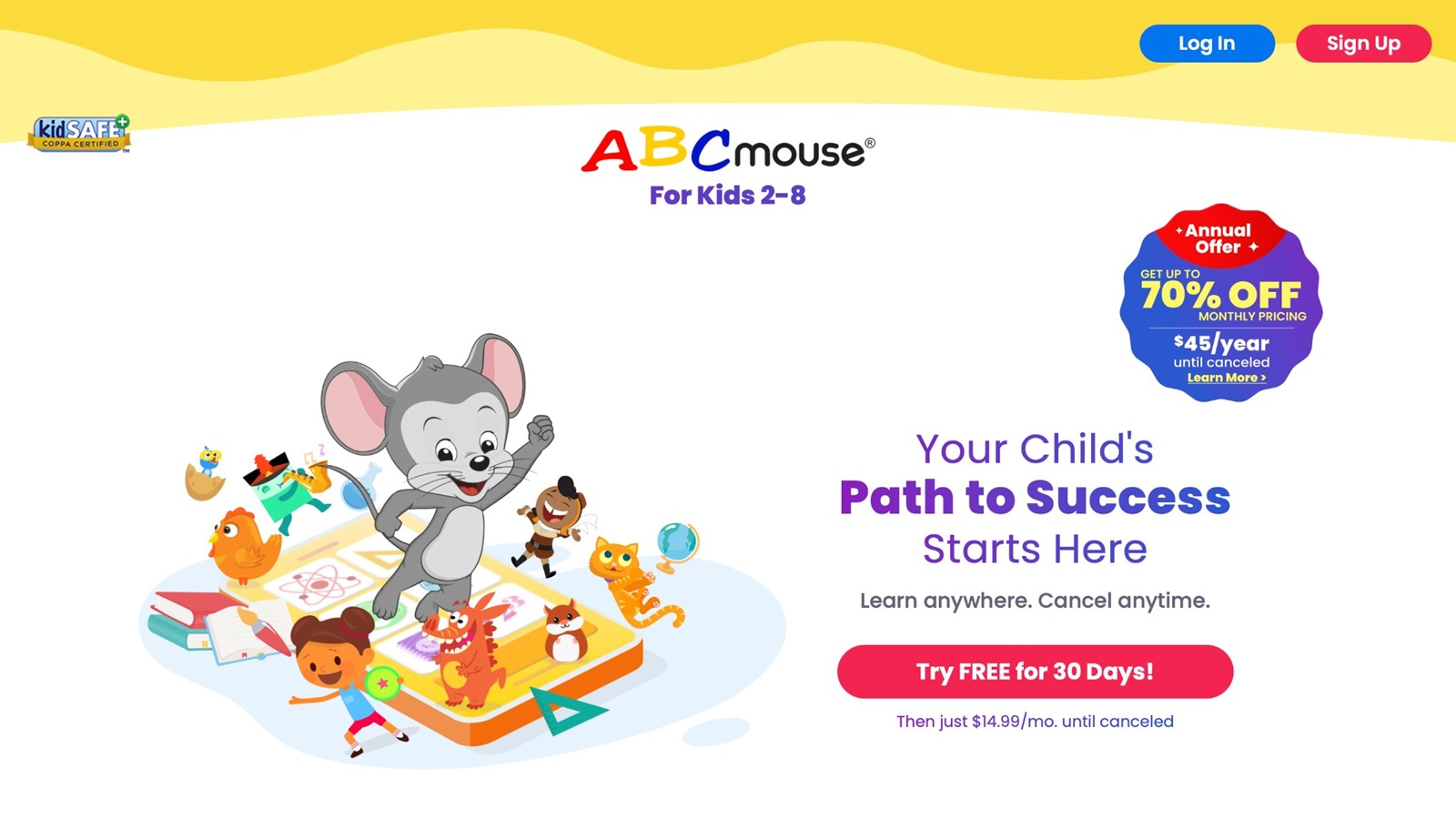
ABCmouse offers a broad early learning platform that weaves social lessons into reading, math, and art activities. Friendly character interactions introduce ideas like sharing and cooperation through guided tasks. Many children enjoy the colorful paths and the sense of progress across subjects. The social elements appear naturally inside the academic activities rather than as standalone emotion practice. Some families appreciate the structured path, while others note that the focus stays more on academic skills than pure social emotional growth. The platform includes thousands of activities that cover multiple subjects while embedding simple social scenarios. Children practice taking turns and helping characters complete goals inside the lessons. Many parents like the clear progress tracking that shows how skills develop over weeks. The content works well for children who enjoy structured learning paths. Some children may find the academic focus takes priority over pure emotion practice, so pairing it with other games helps balance the experience. Overall, it provides a solid foundation for combining early academics with basic social awareness in a safe digital space. The character-driven lessons give children repeated chances to see kind actions modeled in context. Progress reports help parents track both academic and social growth over time. The structured format suits children who like clear goals and rewards.
Key features
- Activities spanning multiple subjects with character interactions
- Progress tracking for parents
- Group-style tasks that introduce sharing and teamwork
Facts and information
- Used by many families for preschool and early elementary support
- Social lessons appear inside academic content
- Available across devices with offline options after download
4. Khan Academy Kids
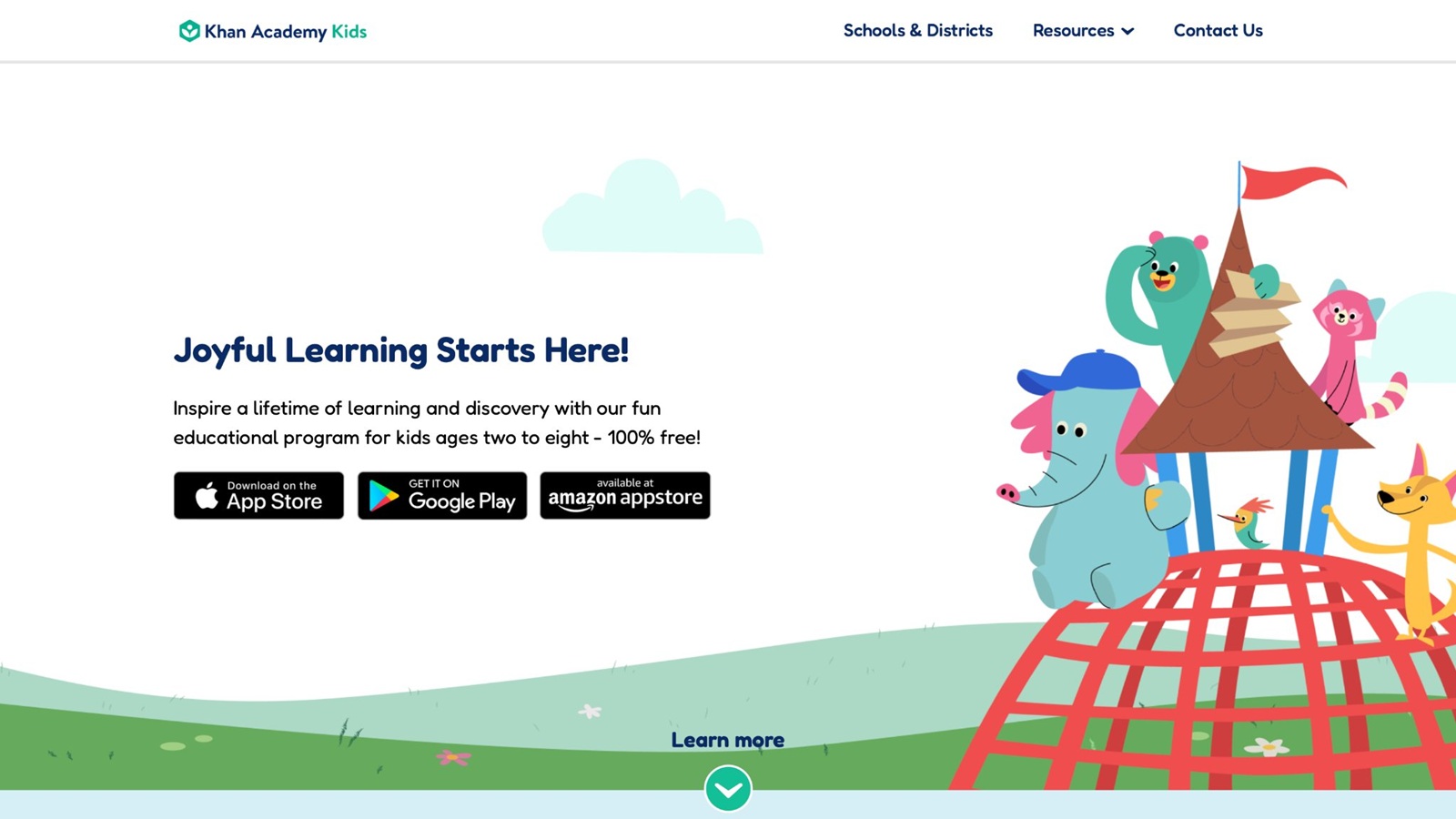
Khan Academy Kids provides free access to videos, games, and stories that cover numbers, literacy, and basic interpersonal skills. Emotion-based activities and simple prompts help children practice naming feelings and thinking about others. Many parents like the no-cost entry point and the clear educational goals. The social content sits alongside core academic practice, so it works well as a supplement. Some children may want more open creative play after finishing the guided lessons. The platform includes interactive stories where characters face small challenges and model kind responses. Children can practice identifying emotions through simple matching and discussion prompts. Many families use it for short daily sessions that reinforce both academic and social skills. The content aligns with early learning standards and remains free of ads. Some children prefer longer narrative adventures once they complete the core lessons, so combining it with other titles keeps interest high. It offers a practical starting point for families looking for accessible social emotional practice mixed with foundational learning. The free access makes it easy for families to try the content without commitment. Short videos and games fit well into busy schedules. Emotion prompts appear naturally within the academic activities. Some children finish the core paths quickly and look for more open-ended options.
Key features
- Free videos, games, and stories for early learners
- Emotion and cooperation prompts
- Offline access after download
Facts and information
- Focuses on foundational skills with light social elements
- Many families use it for daily short sessions
- Content aligns with early learning standards
5. Daniel Tiger’s Grr-ific Feelings
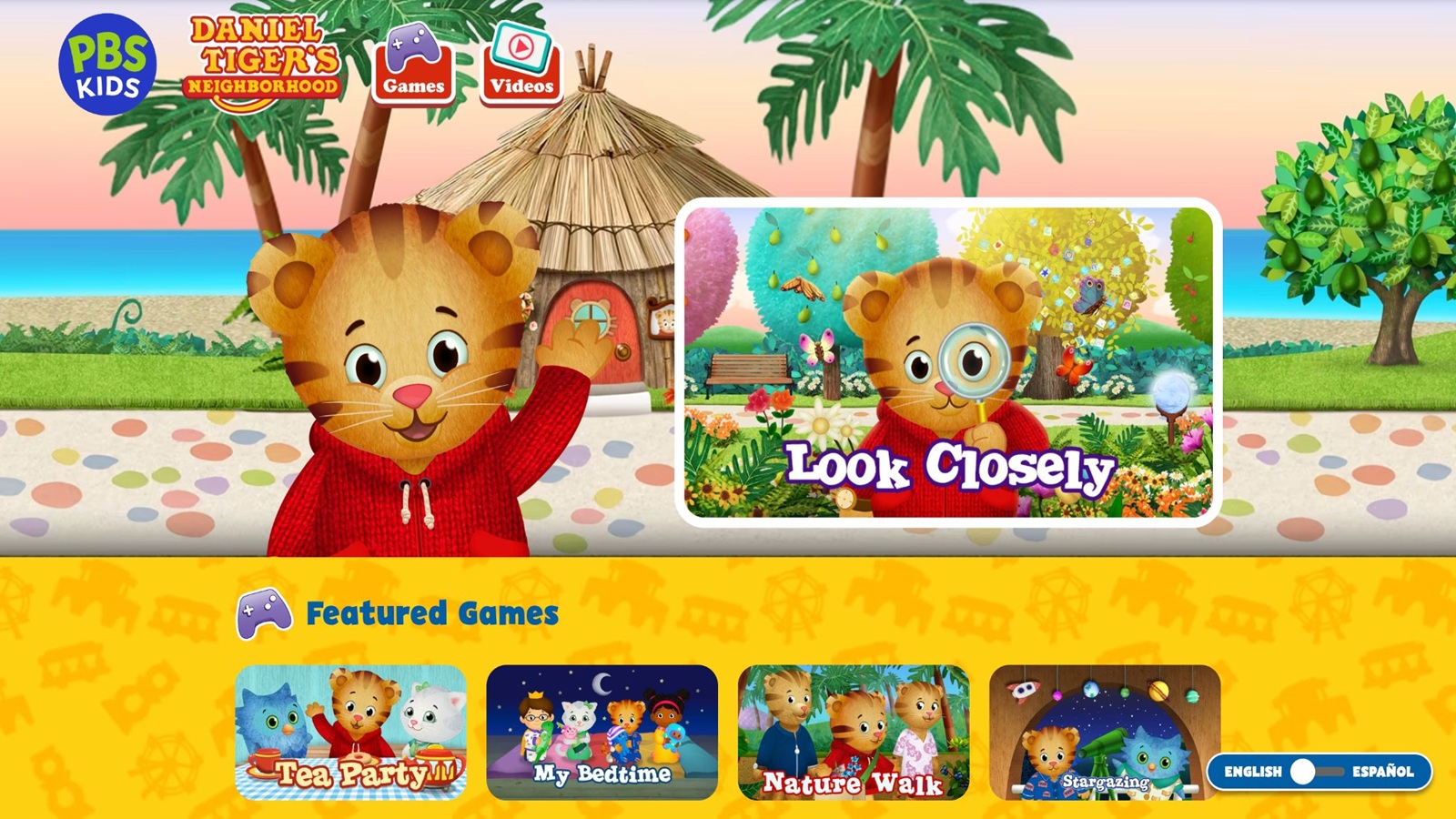
Daniel Tiger’s Grr-ific Feelings uses familiar songs and simple games to help young children recognize and express emotions. Characters model calm responses and kind actions that kids can copy. Many preschoolers already know the characters from the show, which makes the practice feel comfortable. The activities stay short and song-based. Some families find the limited number of scenarios means they move to other games after a while for fresh stories. The app includes interactive songs that teach specific strategies for handling big feelings. Children can practice the steps along with the characters in short animated scenes. Many parents appreciate how the familiar voices and songs make emotion practice feel like play rather than instruction. The content focuses on preschool ages and stays simple enough for independent use after a few guided sessions. Some children outgrow the limited scenarios quickly, so rotating with other games helps maintain engagement. It remains a helpful entry point for introducing feeling words and calm strategies in a gentle, recognizable format. The songs give children memorable ways to remember calm steps. Short animated scenes keep attention focused on the emotion lesson. Familiar characters lower the barrier for children who are just starting to name feelings. Some families use it mainly as a supplement once children know the core strategies.
Key features
- Songs and activities for emotion identification
- Character modeling of calm strategies
- Designed for preschool ages
Facts and information
- Based on the popular children’s show
- Helps many children learn simple feeling words
- Works well for short family play sessions
6. Breathe, Think, Do with Sesame
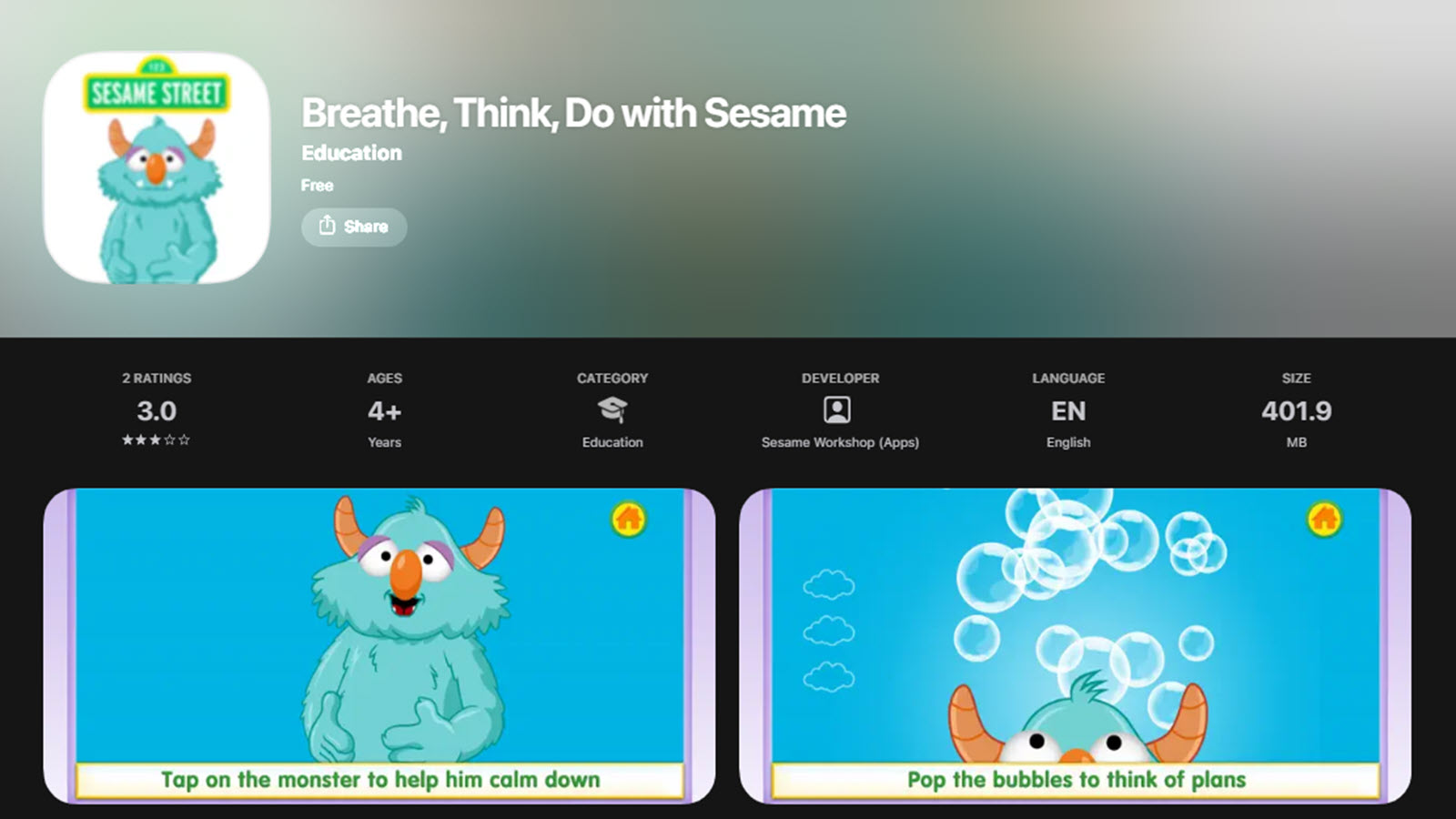
Breathe, Think, Do with Sesame guides children through a simple three-step process for handling big feelings. Kids practice breathing, thinking of options, and choosing a next action inside short animated stories. Many families use it when a child feels frustrated or worried. The clear steps make it easy to revisit in real life. Some children prefer longer story adventures once they master the basic calm-down routine. The app uses familiar Sesame Street characters to model the three steps in everyday situations. Children can follow along and practice the sequence during short sessions. Many parents report that children start using the steps independently after a few weeks of consistent play. The content stays focused on self-regulation for young children and includes visual supports. Some children want more open-ended stories after learning the core strategy, so pairing it with narrative games adds variety. It provides a practical tool that many families return to during busy or emotional moments throughout the day. The three-step structure gives children a clear sequence they can remember. Visual supports help younger children follow the process. Familiar characters make the calm strategy feel approachable. Some families use the app mainly during specific moments such as bedtime or transitions.
Key features
- Three-step calm strategy taught through stories
- Short animated scenes
- Focus on self-regulation for young children
Facts and information
- Created with Sesame Workshop
- Many parents report children use the steps offline
- Suitable for preschool through early elementary ages
7. Zones of Regulation
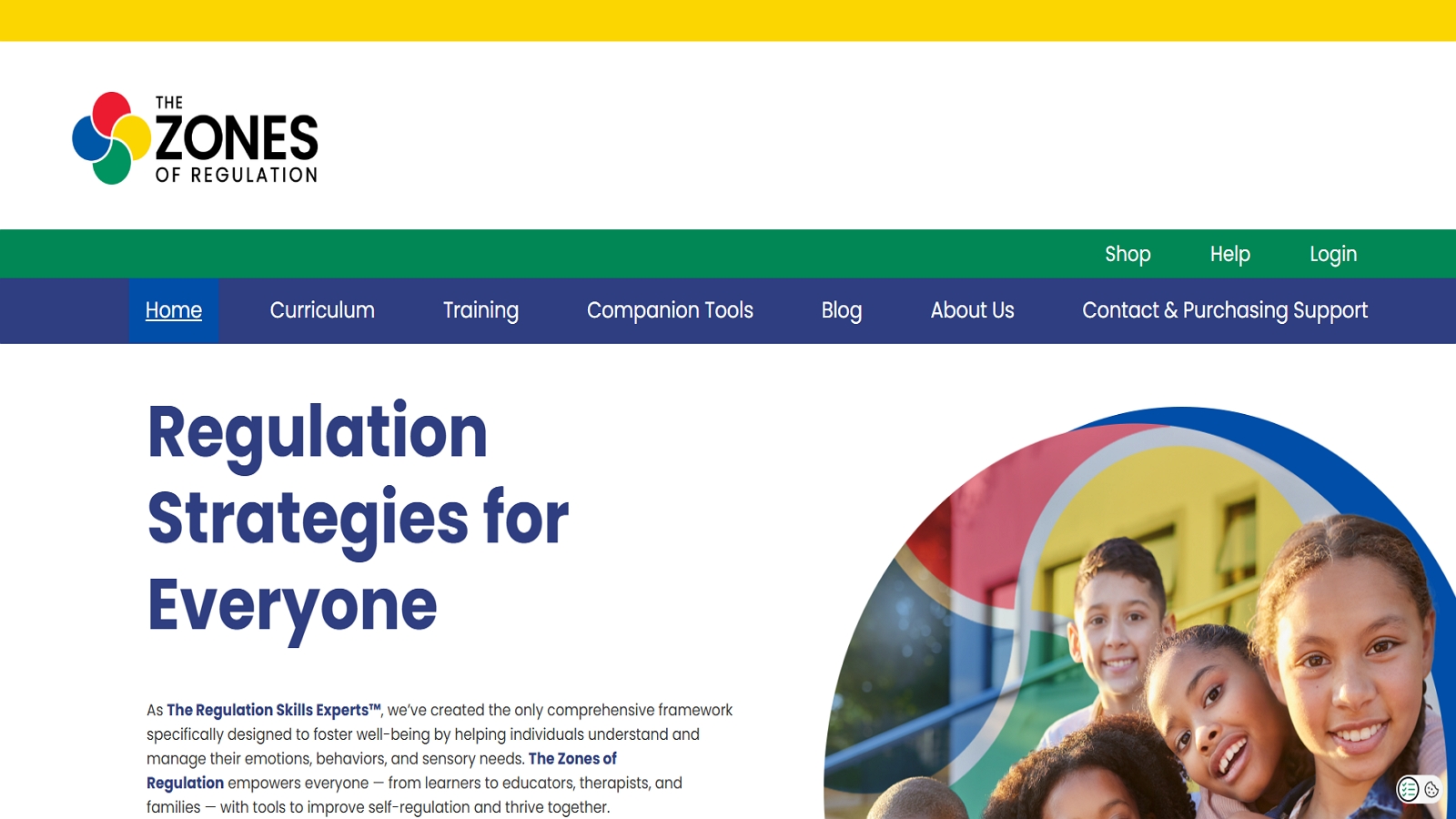
The Zones of Regulation framework appears in several apps and activities that use a color system to help children name their energy and feelings. Kids learn to notice body clues and pick strategies to return to a calm state. Many schools and families use the visual approach for children who need concrete tools. The system works across ages when adults join the practice. Some children need extra support connecting the colors to real daily moments. The approach includes digital tools and printable resources that help children identify which zone they are in and choose matching strategies. Many classrooms integrate the colors into daily check-ins so children practice throughout the day. Parents often use the same language at home to create consistency between school and family life. The visual system helps many children who struggle with abstract feeling words. Some children need more guided practice to apply the zones outside of structured activities. It remains a widely used framework that supports self-awareness and regulation across different settings. The color system gives children a simple way to talk about their energy levels. Classroom use helps children practice the language with peers. Home consistency strengthens the connection between school and family. Some children need adult support to link the colors to real situations.
Key features
- Color-based zones for feelings and energy
- Strategy practice for self-regulation
- Visual tools that work for varied learners
Facts and information
- Widely used in classrooms and homes
- Helps many children notice body signals
- Supports both individual and group practice
8. Peppy Pals
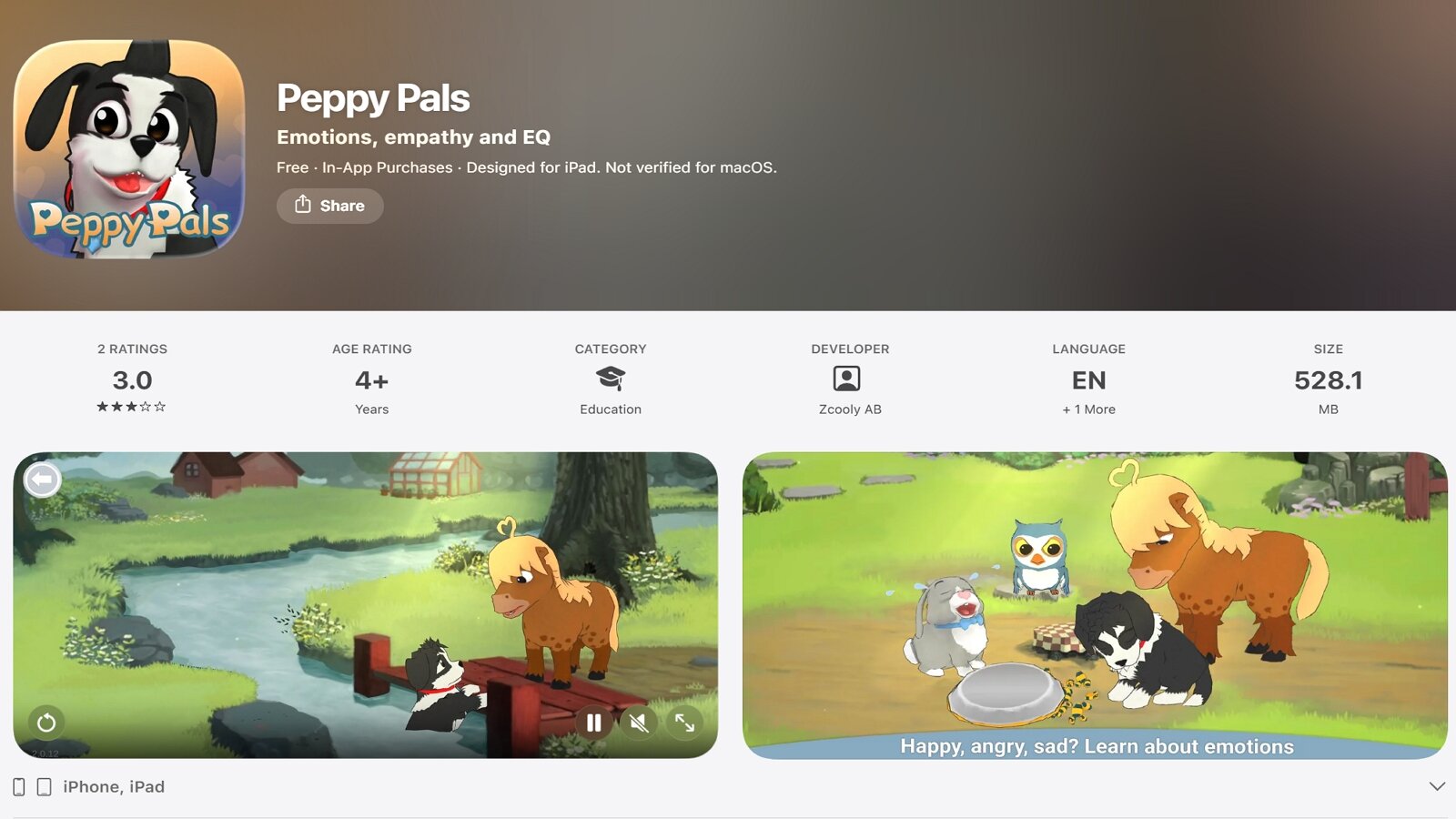
Peppy Pals uses animal characters and short stories to practice emotion recognition and cooperation. Children match feelings, solve gentle social problems, and discuss outcomes. Many parents like the research-backed approach and the calm pace. The games focus tightly on social emotional skills rather than academic subjects. Some families note the content stays best for younger elementary ages and may feel simple for older children. The platform includes interactive stories where animals face everyday social challenges and children choose responses. Many children enjoy the animal characters and the clear visual feedback after each choice. The activities include matching games and discussion prompts that help build emotional vocabulary. Parents often use the stories as starting points for family conversations. Some children may want more complex challenges as they grow, so rotating with other titles keeps the practice fresh. It offers focused social emotional practice in a calm, character-driven format that many families find easy to fit into daily routines. The animal stories keep the tone light while addressing real social situations. Clear feedback after choices helps children understand the impact of their decisions. Discussion prompts give families easy ways to continue the conversation offline.
Key features
- Animal stories focused on feelings and friendship
- Matching and problem-solving activities
- Discussion prompts for families
Facts and information
- Built around evidence-based emotional intelligence practices
- Many children enjoy the animal characters
- Suitable for ages two through nine
9. Wisdom Social Emotional Learning App
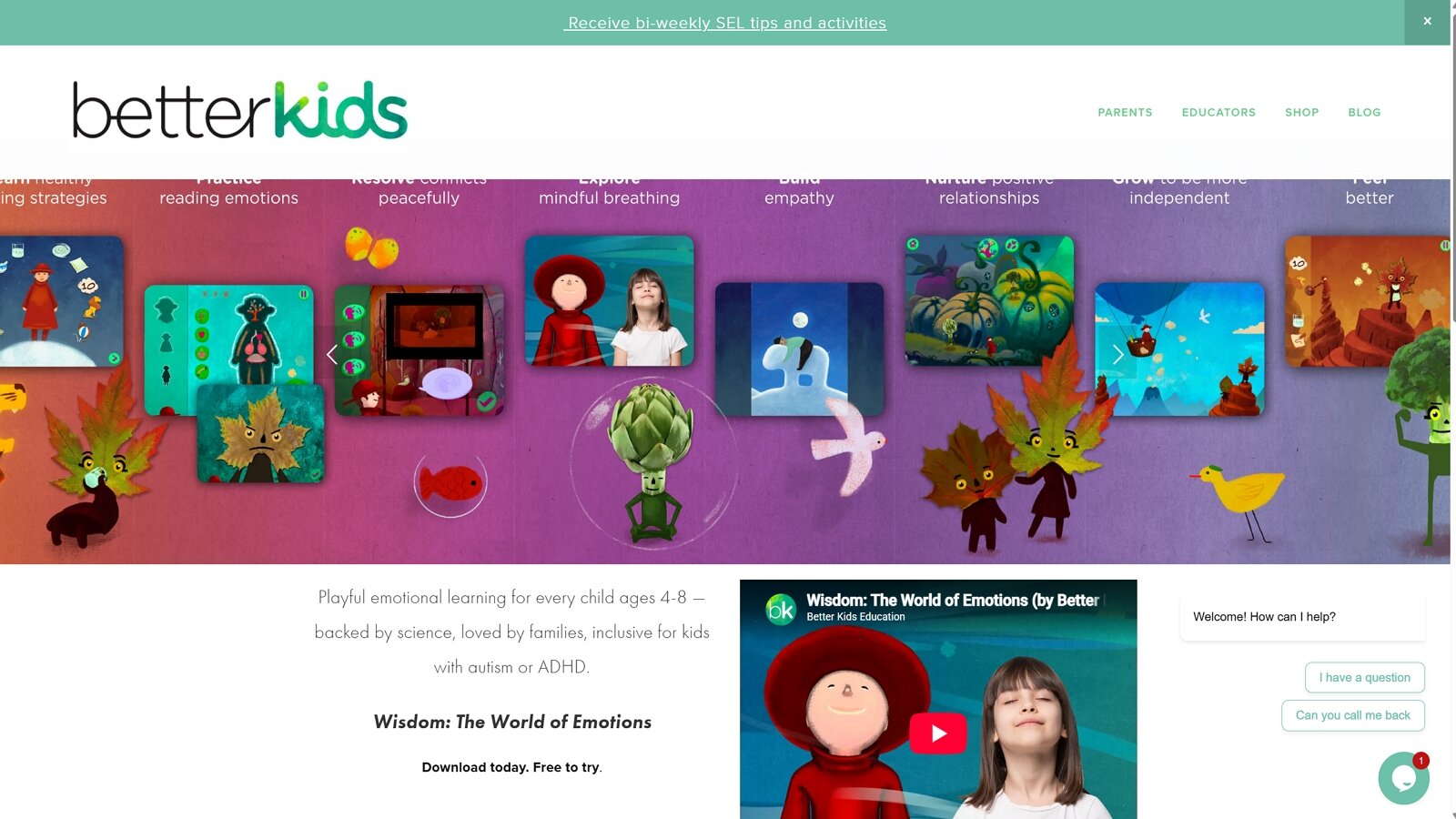
Wisdom turns social emotional practice into short story adventures for children about four to eight. Learners meet challenges, choose responses, and see how choices affect others. Many families appreciate the clear emotional vocabulary practice. The stories include options for children who learn best with extra structure. Some children want more open creative play after completing the guided paths. The app presents scenarios where characters face common social situations and children select from different responses. Each choice shows a different outcome so children can see the impact of their decisions. Many parents like the built-in reflection moments that follow each story. The content includes supports for children who benefit from clear structure and visual cues. Some children prefer longer free play after finishing the guided adventures, so combining it with open-ended games adds balance. It provides a structured way for children to practice empathy and problem-solving in a story format that keeps them engaged. The choice-based stories give children a chance to see different outcomes. Reflection moments help lock in the lesson after each scenario. Supports for structured learners make the content accessible to a wider range of children. Some children complete the paths and look for more open creative options.
Key features
- Story-based choices for empathy and problem-solving
- Emotional vocabulary building
- Options for structured learners
Facts and information
- Designed for early elementary ages
- Many parents use it for daily short sessions
- Includes reflection moments after choices
10. Positive Penguins

Positive Penguins offers simple coping activities and positive self-talk practice through short games and stories. Children learn to notice negative thoughts and shift toward helpful ones. Many families like the light tone and the focus on resilience. The activities stay brief and easy to repeat. Some children may look for longer narrative adventures once they know the basic tools. The platform uses penguin characters to model helpful thinking patterns in everyday situations. Children practice identifying unhelpful thoughts and replacing them with more positive ones through short interactive activities. Many parents appreciate the simple language and visual supports that make the concepts easy to understand. The games can be repeated as needed without losing engagement for younger children. Some children want more story depth after mastering the core tools, so pairing it with narrative titles keeps interest high. It serves as a practical supplement for building resilience and positive self-talk in a playful way. The penguin theme keeps the tone light and approachable. Short activities make it easy to return to the same skills multiple times. Visual supports help younger children follow the thinking patterns. Some children master the core tools quickly and look for longer stories. The focus on helpful thinking gives children practical language they can use in real situations. Many families use the activities as a quick reset during the day.
Key features
- Coping strategy practice
- Positive self-talk activities
- Short, repeatable games
Facts and information
- Focuses on resilience and helpful thinking
- Many children respond well to the animal theme
- Works as a supplement to other play
11. myPeekaville
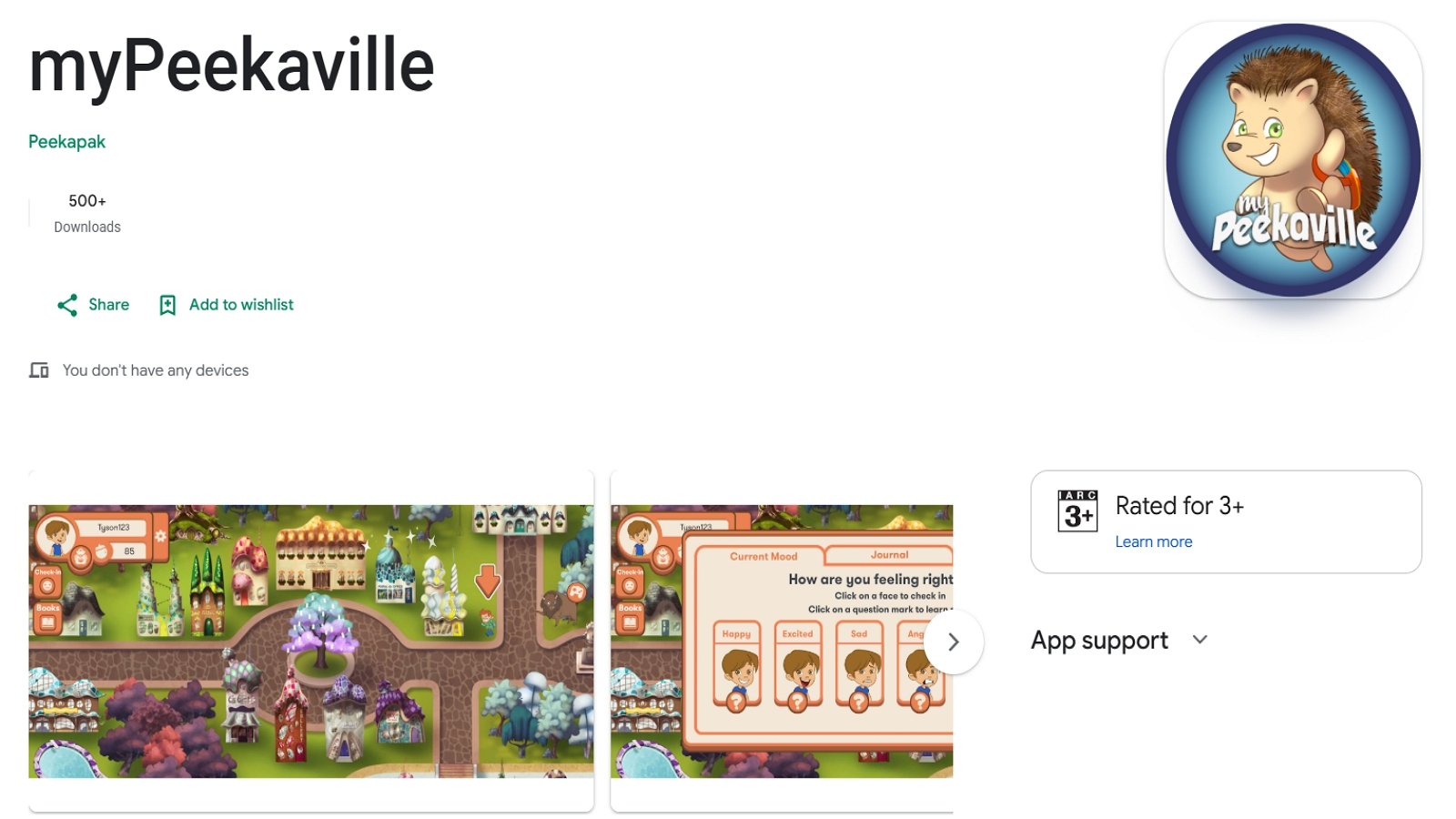
myPeekaville combines a virtual world with missions that ask children to cooperate, regulate emotions, and communicate kindly. Kids complete quests that reinforce identifying feelings and resolving small conflicts. Many classrooms use it for group practice. The story-driven format keeps engagement high. Some families prefer simpler apps for independent preschool play. The platform includes a range of missions where children work with virtual characters to solve social challenges. Many teachers use the extension activities to continue the lessons during classroom time. Children practice cooperation and emotional regulation inside the quests while exploring the virtual world. The content aligns with common social emotional frameworks used in schools. Some younger children may need more guidance to navigate the missions independently. It works well for elementary-aged children who enjoy story-based challenges and group-style activities that connect to classroom learning. The virtual world gives children a space to practice skills with peers. Extension activities help teachers carry the lessons into other parts of the day. The quest format keeps children engaged while they work on cooperation and regulation. Some preschoolers need more support to move through the missions on their own. The alignment with school frameworks makes it useful for families whose children use similar language at school. Many classrooms return to the same missions across multiple sessions.
Key features
- Story quests focused on cooperation and feelings
- Teacher-friendly extension activities
- Virtual world exploration
Facts and information
- Aligned with common social emotional frameworks
- Many schools incorporate the missions
- Suitable for elementary ages
12. Smiling Mind
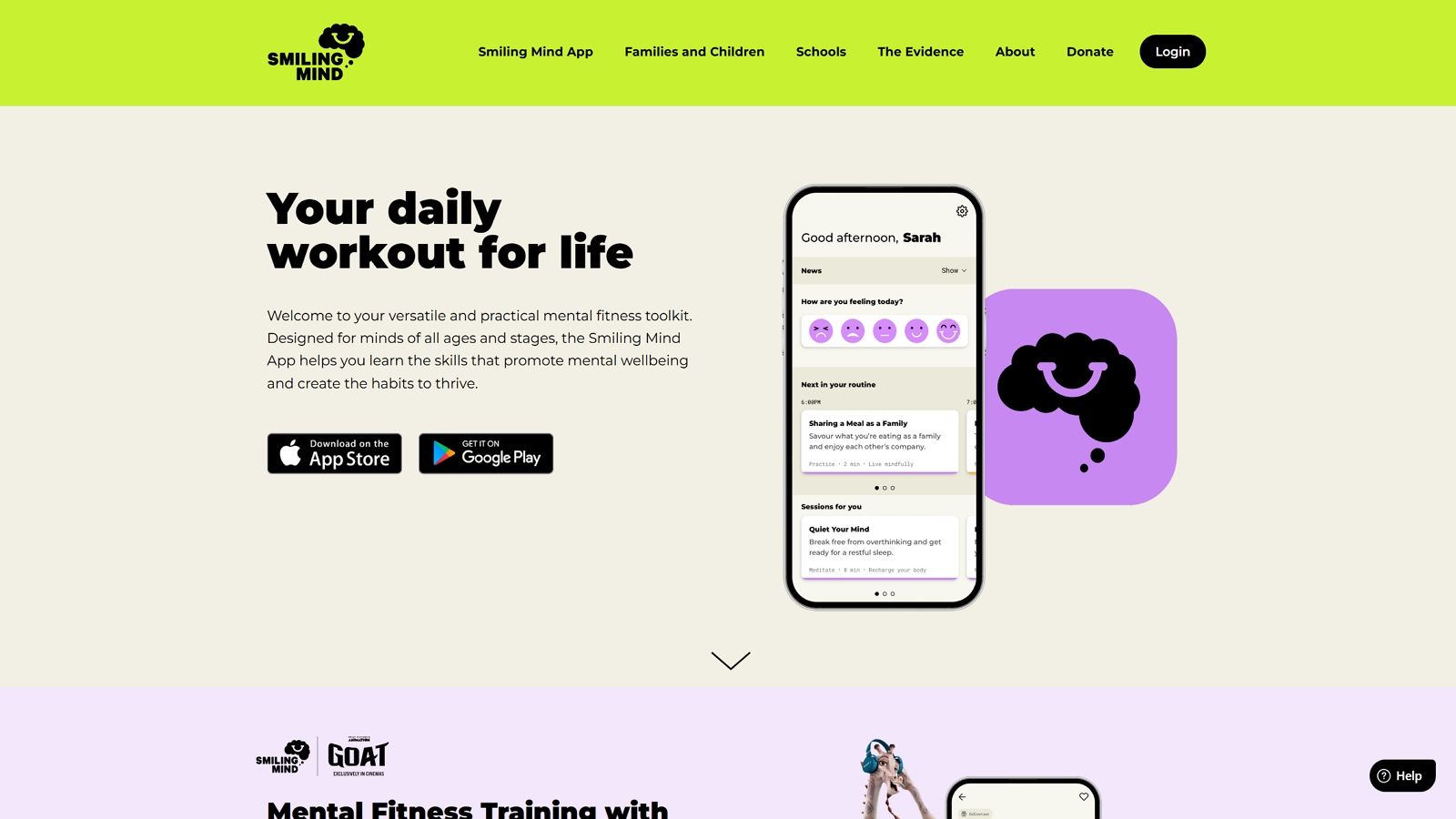
Smiling Mind offers age-filtered mindfulness sessions that help children settle their bodies and notice their thoughts. The activities include guided breathing and simple body scans designed for different ages. Many families use the sessions before bedtime or after a busy day. The content stays calm and free of pressure so children can practice at their own pace. Some children prefer more active games once they learn the basic mindfulness tools. The platform includes short audio sessions that children can follow along with on their own or with a parent. Many parents notice that regular use helps children return to a calmer state more quickly during the day. The sessions cover a range of ages and situations, from school stress to general relaxation. Some children want more interactive elements after a few weeks, so combining it with story-based games adds variety. It provides a gentle way to practice self-regulation that many families incorporate into evening routines. The audio format makes it easy to use without looking at a screen. Age-filtered sessions match the content to the child’s stage. Calm pacing helps children settle without pressure. Some children prefer more active options after learning the basics. The focus on body awareness supports self-regulation in daily life. Many families keep the sessions as part of a consistent bedtime routine.
Key features
- Guided mindfulness and breathing sessions
- Age-specific content
- Short sessions suitable for daily use
Facts and information
- Focuses on calm and self-awareness
- Many families use it for bedtime routines
- Available on mobile devices with offline access
13. The Social Express
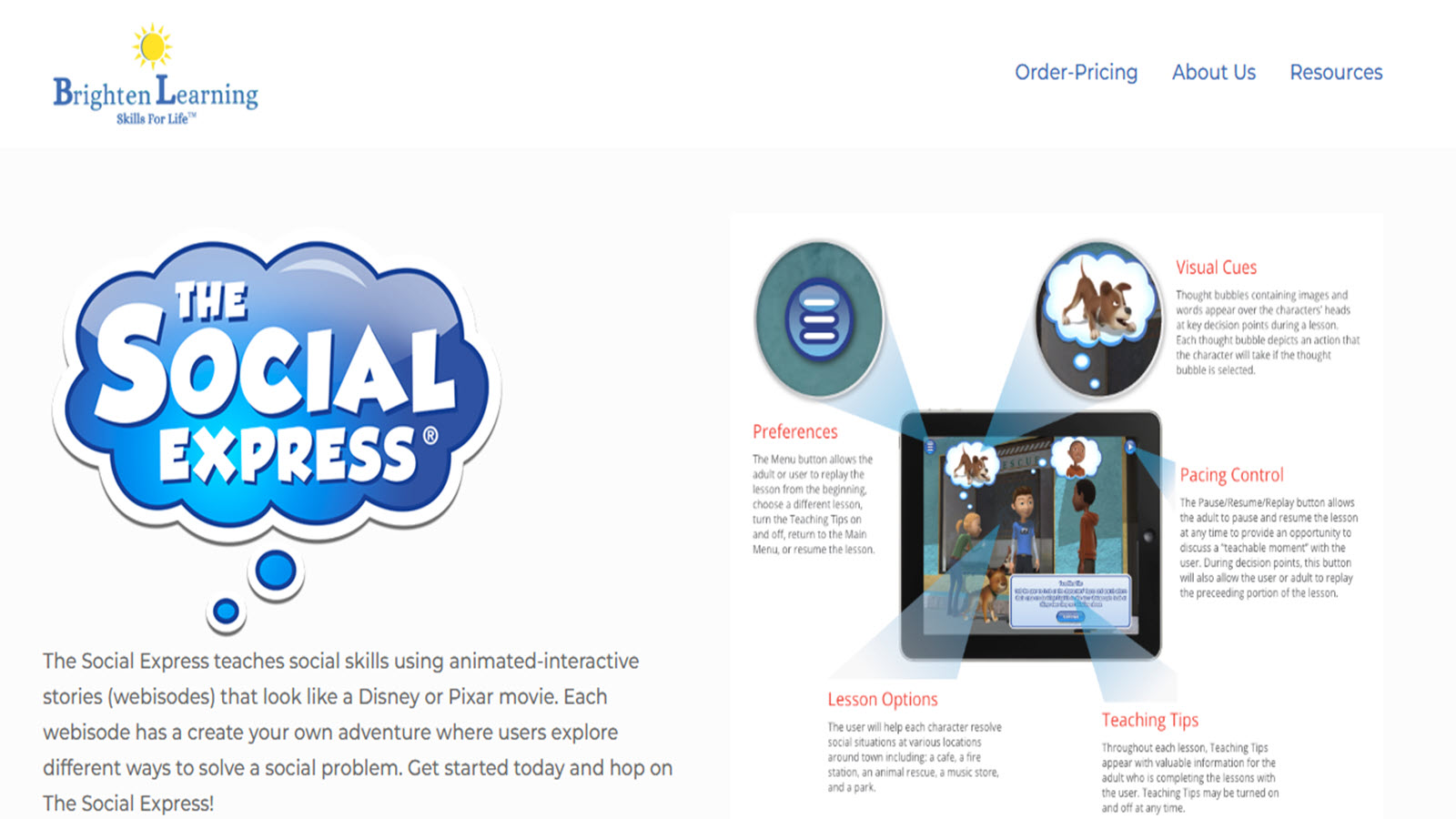
The Social Express uses animated stories and interactive scenes to help children practice social skills and emotion recognition. Children watch short scenarios and choose responses that show understanding of others’ feelings. Many parents and educators like the clear visual format that makes abstract social concepts easier to grasp. The content covers a range of common social situations that children encounter at school and with friends. Some children may need additional support to transfer the skills from the screen to real interactions. The platform includes multiple levels that build on previous lessons so children can progress at their own speed. Many classrooms use it as part of small group instruction. The stories model both helpful and less helpful responses so children can see the difference. Some children prefer more open-ended play after completing the structured lessons. It offers focused practice for social awareness and decision-making in a format that works well for elementary-aged children. The animated format helps children see social situations clearly. Progressive levels let children move forward as they master each skill. Classroom use gives children a chance to discuss the scenarios with peers. Some children need extra practice to apply the skills outside the app. The choice points show the results of different responses. Many educators use the stories as starting points for group discussions.
Key features
- Animated social scenarios with choice points
- Progressive levels
- Visual supports for social understanding
Facts and information
- Designed for elementary and middle school ages
- Many educators use it in small groups
- Focuses on perspective-taking and social decision-making
14. Classcraft
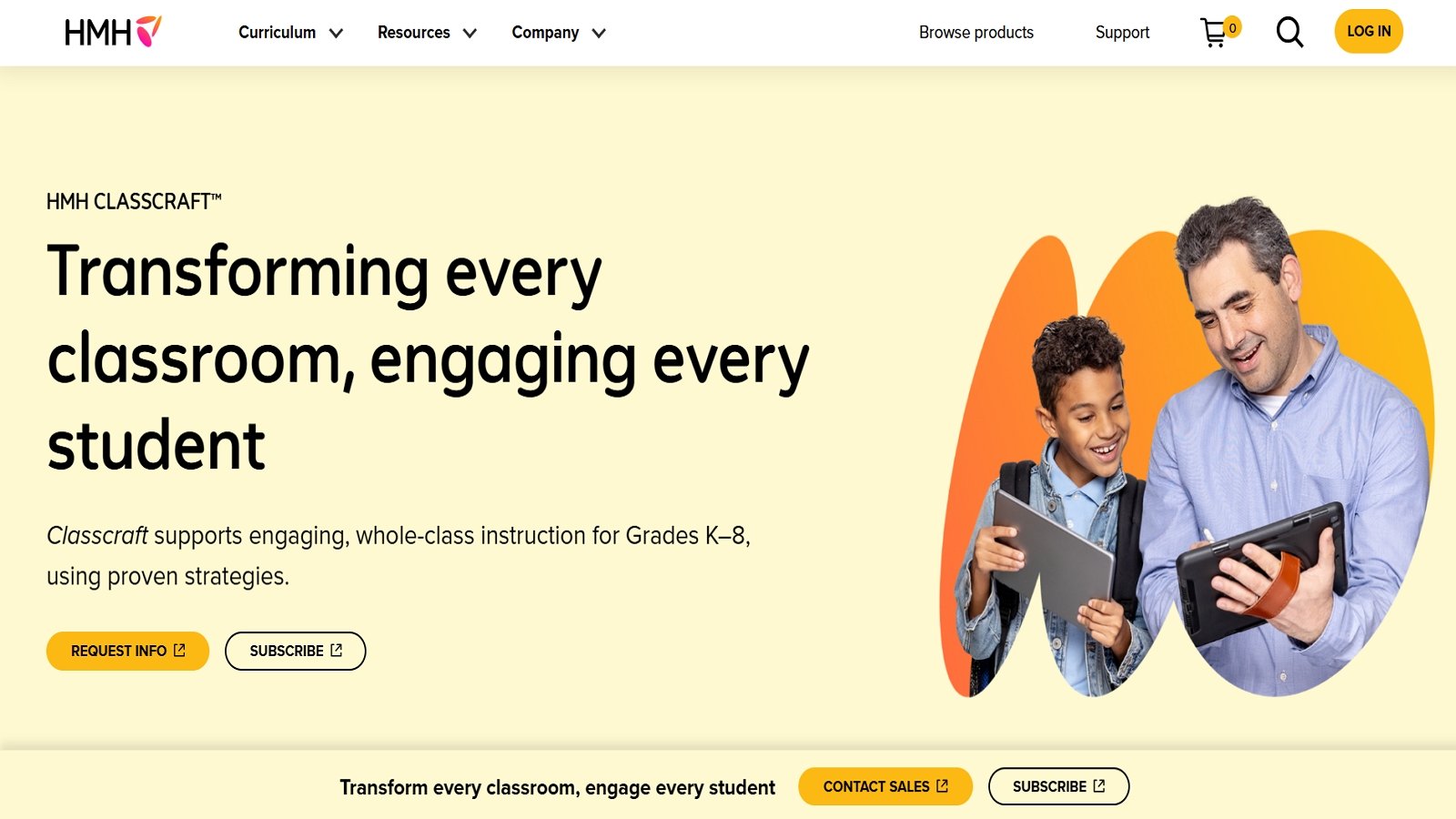
Classcraft turns classroom activities into a game where students earn points for positive social behaviors and teamwork. Children work together on quests that reward cooperation and kind choices. Many teachers use it to reinforce social emotional skills during regular lessons. The platform includes character progression and team challenges that keep students engaged. Some families find it works best when used in a school setting rather than at home. The game tracks behaviors such as helping others and staying focused, then rewards the whole team. Many students enjoy the role-playing elements and the chance to level up their characters. The system can be customized by teachers to match classroom goals. Some children may need guidance to connect the in-game rewards with real-life social skills. It provides a structured way to practice relationship skills and responsible decision-making inside a classroom environment. Team quests encourage children to work together toward shared goals. Character progression gives students a sense of growth over time. Teacher customization lets schools match the rewards to their specific goals. Some children focus more on the game elements than the underlying social skills. The classroom setting provides natural opportunities for peer practice. Many schools continue using the system across multiple grades because it stays flexible.
Key features
- Team-based quests and character progression
- Rewards for positive social behaviors
- Customizable by educators
Facts and information
- Used in many classrooms for behavior support
- Encourages cooperation and teamwork
- Suitable for elementary through middle school ages
15. Lingokids
Lingokids offers interactive activities that combine language learning with social emotional themes for young children. Children practice speaking, listening, and simple social scenarios through songs, games, and stories. Many parents like the focus on early language skills alongside emotion practice. The platform includes character-driven activities that model sharing and kindness. Some children may want more pure social emotional content without the language focus. The activities cover a range of topics including feelings, friendship, and daily routines. Many families use the short sessions to build both language and social awareness. The content stays age-appropriate and includes visual supports for younger learners. Some children prefer longer story adventures after completing the language-based activities. It provides a practical option for families looking to combine early language practice with basic social emotional skills in one platform. Songs and stories give children repeated exposure to feeling words in context. Visual supports help younger children follow the activities. The combination of language and social themes fits well into preschool routines. Some children focus more on the language elements than the emotion practice. Short sessions make it easy to include in daily play. Many families keep the app as a regular part of their early learning mix.
Key features
- Language activities with social emotional themes
- Songs, games, and stories
- Age-appropriate content for preschoolers
Facts and information
- Combines language learning with social practice
- Many families use it for daily short sessions
- Available on mobile devices
Benefits of Regular Social Emotional Play
Regular play with social emotional games helps many children notice their own feelings sooner and respond with more patience. The practice also strengthens the ability to see a situation from another person’s view. Over time, these small moments add up to calmer family routines and easier peer interactions. Children who practice care tasks inside games often transfer the same helping habits to real chores and playdates. Pairing the games with offline talk makes the growth stick longer.
Many children also grow more confident when they successfully help a character or finish a gentle challenge. That confidence shows up when they try new things with friends or speak up in a group. Families often notice fewer sudden tears or arguments during transitions once children have practiced calm responses in a game. The skills support better focus during other activities too, because children learn to pause and reset when something feels hard. When the play stays fun and free of pressure, children return to it willingly and keep building the same habits day after day.
The best confidence building games often include the same low-pressure challenges that appear in social emotional titles. Children who practice how to build social skills in kids through regular play tend to use those skills more naturally with peers.
Problem solving games for kids complement social emotional practice by adding gentle decision-making. Many families also explore learning through play examples to extend the same ideas offline. The best emotional intelligence kids game options give children extra chances to name feelings during short sessions.
Tips for Getting the Most from Social Emotional Games
Match the game to your child’s current interest so the session stays fun. Keep most sessions short, around ten to fifteen minutes, then talk about one moment from the play. Ask simple questions like “How did the character feel?” or “What could we try next time?” Mix the digital practice with real-life moments such as waiting in line or sharing a snack. Many families notice stronger results when they join the first few sessions and then step back.
Watch for the moments when your child lights up or leans in closer. Those signals show which activities build the strongest social emotional practice. Some children respond best to pet care stories, while others prefer cleanup quests or creative storytelling. Rotate between a few favorites so the skills stay fresh. When a child finishes a session, invite them to retell one small part of the story. This simple step helps lock in the feeling words and kind choices. Over several weeks, many parents see the same ideas appear during real play without any prompting. The combination of short digital sessions and quick follow-up talks gives children steady practice without taking over the whole day.
The best educational games for toddlers include simple matching activities that support early emotion practice. Checking how to protect kids online helps parents set safe limits around screen time. Many also review healthy screen habits when planning daily play.
Pairing Digital Games with Everyday Moments
Social emotional skills grow fastest when games connect to real life. After a care story, invite your child to help with a small chore at home. When a game shows a character waiting, practice the same wait during a real activity. Many children remember the feeling words better when they use them both on screen and offline. Emotional regulation games for kids often include the same calm steps that work during a busy morning. Short, consistent practice beats long rare sessions for most families.
Try linking one game moment to one real moment each day. If a character shared a toy, look for a chance for your child to share something small at home. If a story showed someone feeling left out, talk about a time your child felt the same way and what helped. These connections make the skills feel useful instead of abstract. Many families keep a simple list of feeling words that come up in the games and use those same words during meals or car rides. The practice stays light and fits into routines that already exist. When digital play and real life support each other, children build stronger habits that last beyond the screen.
Parents who explore chore games for real life skills through play find easy ways to connect screen stories with home tasks. The best learning through play ideas help families extend empathy practice into everyday routines.
FAQ
What age works best for social emotional games for kids in the US?
Most social emotional games for kids work well for children from about two to eight years old. Younger toddlers often do best with simple care tasks and matching activities that help them notice basic feelings and practice gentle responses in a low-pressure way. Preschoolers usually enjoy short stories where they help a character feel better, wait a turn, or share space while learning to name simple emotions. Early elementary children can handle slightly longer challenges that include choices, problem-solving, and more detailed emotion words that support growing self-awareness. Many families start with the suggested age range for each game and then adjust the length of play as their child grows more confident with feeling words and kind actions. The best memory games for kids often include matching activities that support early emotion practice for younger children. Matching the game to a child’s current stage helps the skills feel natural and keeps children interested in returning to the activities.
How do these games help with real friendships?
Social emotional games give children low-pressure practice with noticing feelings and choosing kind actions during play. When a child helps a character feel better or shares space inside a story, the same idea becomes easier during a real playdate or group activity with peers. Many parents notice that children first use the new words and habits with siblings before trying them with friends at school or in the neighborhood. The skills transfer more smoothly when adults talk about one small moment from the play afterward and connect it to everyday situations that come up at home. Consistent short sessions over weeks help children build the patience and empathy that support smoother peer interactions and fewer small conflicts. Pairing the games with everyday talk about feelings strengthens the connection between screen practice and real relationships, making social emotional growth feel natural. Over time, many children begin to use the same calm responses and kind choices they practiced in games when they spend time with friends. Responsibility games for kids often reinforce the same care habits that show up in peer interactions.
Are social emotional games safe for young children?
Most quality social emotional games stay free of ads, outside links, and chat features so young children can play in a controlled and secure space. Platforms that follow child safety rules and offer family controls give parents more ways to manage time, content, and device access without constant supervision. Many games can be used offline after the first download, which adds another layer of control for families who want to limit internet use during play. Parents can also set time limits and join the first few sessions to guide the experience and talk about what happens on screen. The focus on gentle care stories, clear visuals, and age-appropriate challenges keeps the content suitable for young children while supporting emotional learning. These safety features help families feel more comfortable adding social emotional games into regular routines. A parent’s guide to safe skill building apps for toddlers offers additional details on choosing age-appropriate options with strong safety controls.
Can these games replace other ways of teaching feelings?
Social emotional games work best as one tool alongside real conversations, books, and everyday practice rather than a full replacement. They give children extra chances to try feeling words and kind choices in a fun setting, but live moments with people remain important for deeper growth and real connection. Many families use a short game session to introduce a new feeling word, then practice the same word during a meal, car ride, or playtime so the skill moves offline. The combination supports stronger growth than either approach alone and helps children see how the skills apply in different places throughout the day. Short, regular play plus real-life talk gives most children steady practice without replacing other important experiences. The games help reinforce skills that children are already learning through daily interactions at home and with peers, making emotional learning more consistent. When the two approaches work together, many children show clearer self-awareness and more patient responses in everyday situations. The best brain games for kids can complement social emotional practice by adding gentle focus challenges that support overall growth.
How can parents support emotional growth through everyday play?
Parents can support emotional growth by connecting short game sessions with small real-life moments throughout the day. After a care story, a child can help with a simple chore or share a snack while using a feeling word from the game to talk about the experience. Many families keep a short list of feeling words that appear during play and use those same words during daily routines such as getting ready or cleaning up. This approach helps children remember the skills without adding extra lessons or pressure into the family schedule. When digital practice and everyday talk work together, children build stronger habits that show up in friendships, family time, and other daily activities. The connection between game moments and real moments makes social emotional learning feel practical and easy to continue over time. Educational games for kids often include care and sharing activities that pair well with these everyday connections.
Read Also:
- Best Emotional Regulation Games For Kids In 2026
- How to Build Social Skills in Kids
- Best Emotional Intelligence Kids Game
- Best Problem Solving Games For Kids In 2026
- Best Educational Games For Kindergarten in 2026
Start calm SEL play with TutoClub games your family can enjoy today!