
Why Social Development Is Important in Childhood





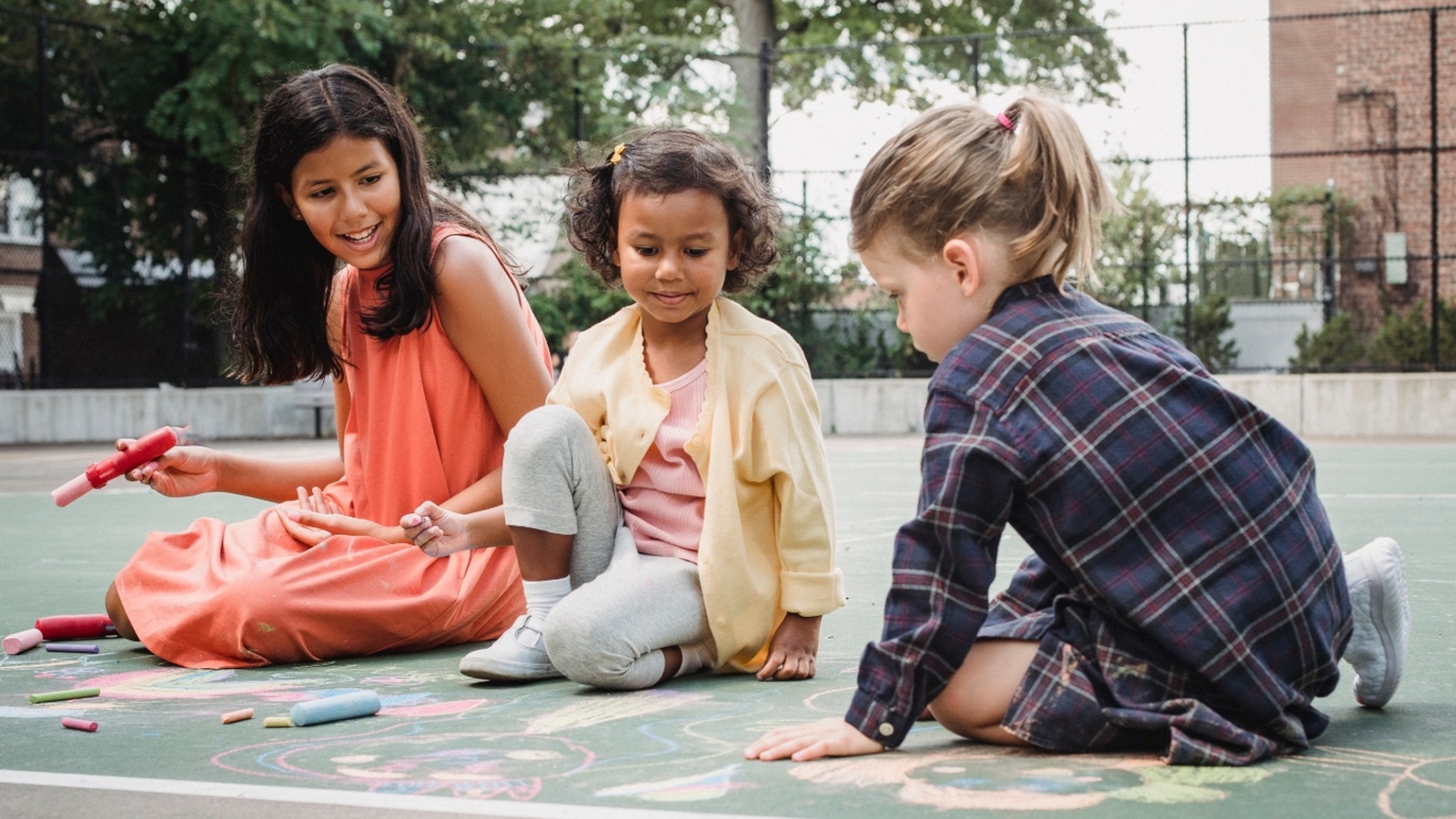
Social development in childhood is how kids learn to share, take turns, notice feelings, and get along with others. Those skills support language, school readiness, and calmer conflict. Daily play with family and friends builds them.
Daily play with family and friends is the main way social development grows, and a short game can add a safe extra try. The best social emotional games for kids rehearse sharing, turn-taking, and getting along, while the best emotional regulation games for kids practice a calmer response when conflict starts. Pairing those with the best emotional games for kids helps children notice feelings and carry those habits into language, school, and real meetups.
See how playful practice can support social growth at home!
What Social Development in Childhood Actually Means
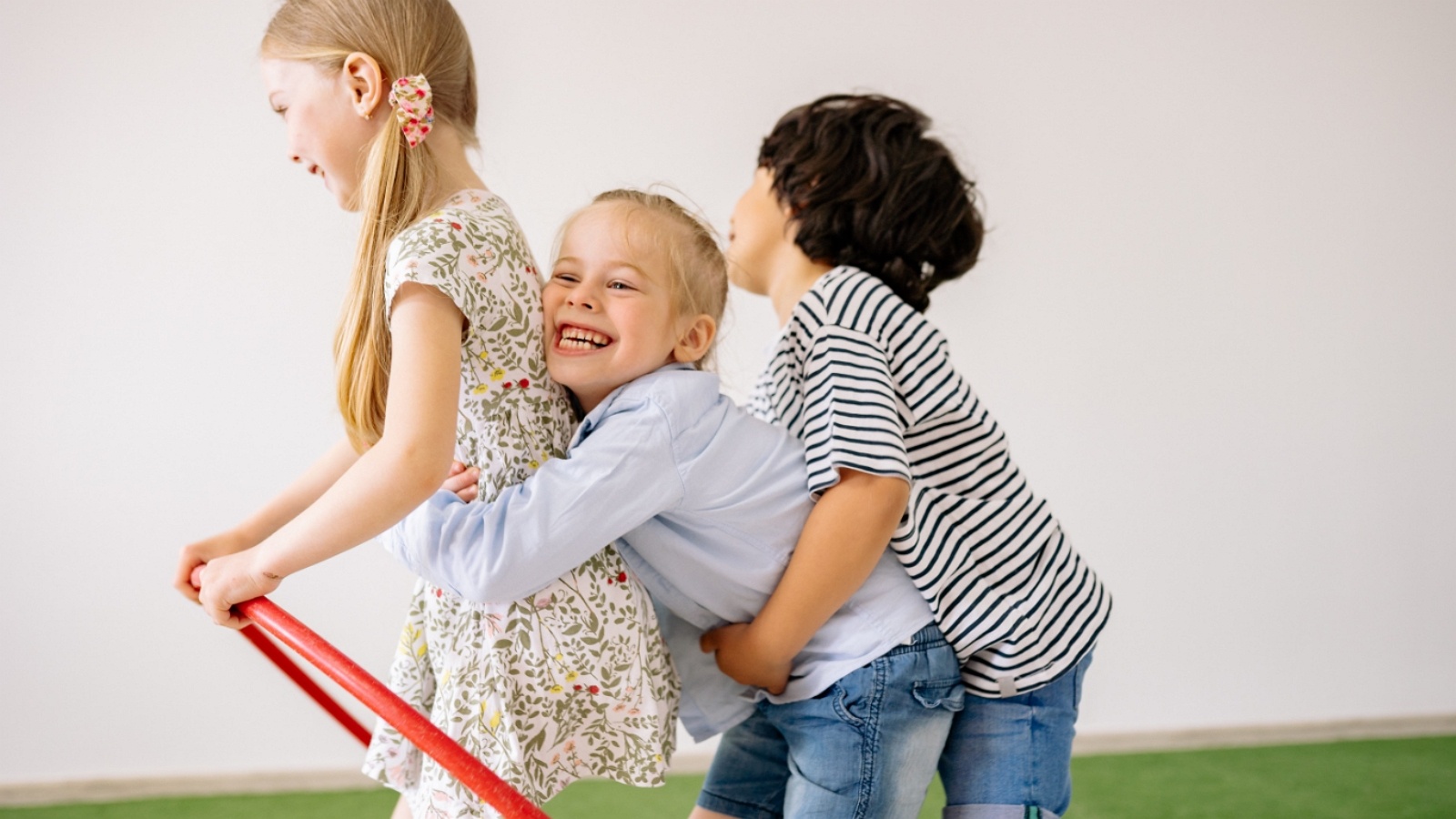
Social development is the growth of skills children use with other people. It covers sharing attention, reading a face, waiting a turn, joining a game, and fixing a small fight. It is not the same as being outgoing. A quiet child can still have strong social skills. A loud child can still struggle to notice a friend’s feelings.
Social growth starts with a safe bond. A baby who is fed, held, and answered learns that people can be trusted. That early back-and-forth, often called serve and return, is the first social lesson. The child makes a sound or a look. A caregiver answers. The child tries again. The Center on the Developing Child describes this pattern as a core way young brains learn about people.
Later, the circle widens. Siblings, cousins, neighbors, and classmates become practice partners. Culture and family rules shape what “polite” looks like. A child in one home learns to greet with a hug. A child in another home learns a quiet hello. Both paths can be healthy.
Social development also sits next to emotional growth. A child who can name “mad” or “left out” has a better chance of asking for help instead of hitting. That mix is often called social-emotional development. It includes self-control, empathy, and relationship skills. Social emotional games for kids put those skills into short stories a child can replay.
Learning through play examples show the same skills in kitchens, blocks, and pretend care. Pet care games ask a child to notice hunger, comfort, and a finished job. Fun educational games work best when the next step depends on another character’s need, not only on a score.
Why Social Development Is Important for Friendships and School
The reason why social development is important in childhood shows up fast once group life begins. Preschool and early grade school ask kids to sit near others, follow a group plan, and handle a “no.” A child who can do those things spends more energy on learning. A child who spends the day in conflict has less room for letters and numbers.
Friendships add practice that adults cannot fully copy. Peers are closer in power. A friend can walk away. A friend can also invite you back. That push and pull teaches repair. Saying sorry, offering a turn, and trying a new game are small acts with a big payoff. Games for preschoolers often rehearse that join-and-wait pattern before kindergarten starts.
Language grows in the same loop. More talk with other children means more chances to hear new words and try them. Better words then make the next talk easier. English learning apps for kids can add words, while real peer talk teaches when to use them. SCAN of Northern Virginia notes that healthy peer contact supports speech practice, self-esteem, school adjustment, and conflict skills together.
School teams and group work later rely on the same base. Listening to a different idea, sharing a job, and including a child who was left out are classroom skills and life skills. Educational games for kindergarten and educational games for 5 year olds line up with that first school year, when group rules feel new. Many teachers say the child who can join a group calmly learns more, even when the lesson is hard. Self-worth grows here too. A child who is often left out may start to think, “I am the problem.” A child who has even one steady friend gets proof that they belong. Belonging makes it easier to try, fail, and try again.
Signs of Healthy Social Growth, and Signs to Watch
Healthy social development does not look the same in every child. Look for direction, not perfection.
Helpful signs include:
- The child seeks people they trust when hurt or proud.
- They can play with one peer for a stretch without an adult running every turn.
- They notice when someone looks sad, even if the response is clumsy.
- They recover after a fight, a lost game, or a “not today.”
- They follow simple group rules most of the time, like hands to yourself.
Watch points are different from personality. A shy child who warms up is not the same as a child who never joins and seems lost. Patterns that last across settings are worth a closer look:
- Play that stays stuck on one script and breaks if a peer changes it.
- Hitting, biting, or grabbing as the main way to get a turn, past the age when words are available.
- Very few back-and-forth talks, even with a familiar adult.
- Strong fear of all peers, not just new rooms.
- Friends who often look confused by the child’s cues.
One hard week does not define a child. Sleep, hunger, a new baby, or a school change can shrink social skills for a while. If the same worry shows up at home and at school for many weeks, a pediatrician or early childhood specialist can help sort what is typical and what needs support. Acting early is kinder than waiting for a label.
Some children need a quieter path into group play. Games for autistic kids can offer clear cues and a predictable scene. Emotional regulation games for kids give a low-pressure place to pause, name a feeling, and try a kinder response. Safe apps for kids matter here, because a confusing chat room is not useful practice. Apps for preschoolers should still leave room for a real peer nearby.
How Families and Caregivers Build Social Skills Day to Day
Children copy what they live. A home where people greet, wait, and repair teaches more than a lecture on manners. Practical tips for new parents often start with that simple reply: see the cue, answer it, then pause.
Useful habits are small:
- Narrate the social world. “Sam looked away. He may want a break.”
- Practice one skill at a time. This week, turns. Next week, asking to join.
- Keep groups small. Two children learn more than a loud party of eight.
- Coach the repair, not only the rule. “You grabbed the truck. You can give it back and ask.”
- Protect a yes. If every play idea is blocked, kids stop offering ideas.
Play is the main classroom. Blocks, dolls, kitchens, and outdoor games all force negotiation. Adults do not need to direct every minute. Step in when someone is unsafe or stuck, then step back. A family weekly planner can hold one short play block so it does not get lost in the week. Paper doll printables add offline pretend when screens are off.
Screen time can help or hurt. Fast, ad-heavy videos often ask nothing of the child. Shared, calm play can ask for care, turn-taking, and talk. A parent guide to healthy screen time and healthy screen habits both point to short sessions with a parent nearby for the first few minutes. Summer educational games and offline ideas help when school friends are away and practice still needs a place.
Outside the home, libraries, faith groups, sports, and neighbor play add new rules. A child who only plays with adults misses peer practice. A child who only plays in huge groups may never learn a one-to-one friendship. Mix both. Caregivers also need a break. Self-care tips for moms keep the adult steady enough to model calm repair.
How TutoClub Supports Social Development Through Play
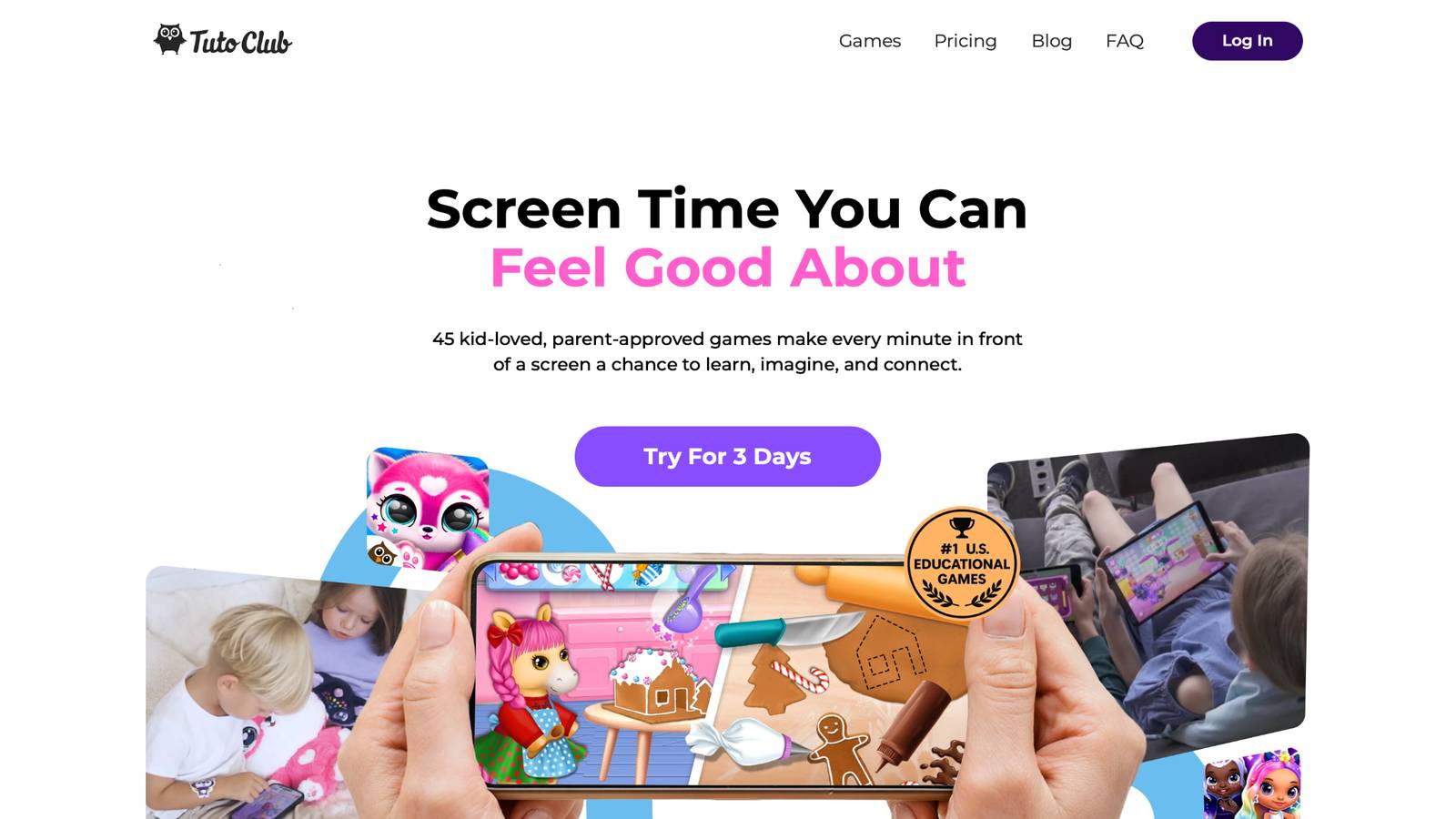
TutoClub is a family subscription built around ad-free educational games from TutoTOONS. The set includes more than 45 games aimed at creativity, focus, and social and emotional skills. That mix matters for childhood social development because kids learn people skills by doing, not by hearing a speech.
Pet care, baby care, and cleanup stories ask a child to notice a need. A hungry pet, a messy room, or a sad character is a simple social problem. The child chooses a kind act and sees a result. That loop is close to real friendship, with less risk of a peer walking away. Parents who want a calmer option than open video apps often like that the games stay on care, puzzles, and pretend instead of ads and endless scrolls. Responsibility games for kids use that same care loop.
Compared with many free kids’ apps, TutoClub keeps the session free of ad breaks that yank attention away from the social moment. Compared with a busy multiplayer chat game, it keeps young children in a closed, family-friendly world. Safe games for kids are a better match for early social practice than open servers. Siblings can still share a device and talk through choices, which is where a lot of real turn-taking happens. The games collection includes titles such as pet houses, baby-care play, and princess care stories that line up with empathy and responsibility.
Families also get room to play together. A parent can sit for one round, name a feeling, and then let the child continue. That is the same serve-and-return pattern, moved into a modern play setting. Regular short sessions tend to beat rare long ones. A few calm minutes after school can be enough practice for the day. Questions about plans sit on the subscription FAQ, and setup help sits with support. Dress-up games add another social layer when a child plans an outfit for a character and talks through the choice.
TutoClub Overview
TutoClub is your gateway to a magical world of educational games designed especially for children.
As part of TutoTOONS, a leading kids' games studio, we offer premium access to over 45 ad-free games.
Our mission is to blend learning and play, helping kids explore, create, and grow in a safe online space.
Thousands of parents trust us for family-friendly content that sparks imagination and builds essential skills.
Key Features
- Unlimited Access: Unlock full content in all games with no interruptions.
- Ad-Free Experience: Enjoy seamless play without any ads or distractions.
- Skill Development: Games foster creativity, social skills, communication, and more through fun activities like pet care and cleanup challenges.
- Regular Updates: Get new releases, exclusive content, and future updates automatically.
- Easy Subscription: Cancel anytime with no obligations, simple and flexible for families.
Explore Our World
TutoClub provides a rich ecosystem of educational games for kids, featuring ad-free experiences that promote creativity, focus, and emotional growth through play.
This platform turns screen time into valuable learning opportunities, with parent-approved content that builds essential skills and sparks curiosity in young minds.
- TutoClub Games: Over 45 educational games, including popular titles like Fluvsies, Smolsies, and the Sweet Baby Girl series
- Blog: Insights, tips, and stories for families on kids' learning and play
- FAQ: Comprehensive answers to frequently asked questions about subscriptions, features, and more
Get TutoClub on Your Device
TutoClub delivers premium kids educational games directly to your mobile devices, making learning accessible anytime, anywhere.
With apps available on major platforms, families can easily download and subscribe for ad-free play that turns screen time into skill-building adventures.
Perfect for parents seeking safe, engaging content on iOS, Android, or Amazon devices.
Why Choose TutoClub?
We're committed to 100% safe, enriching entertainment that kids love and parents approve.
Join the thousands who've seen their children thrive through playful learning.
Ready to start the adventure?
Kind social play at home can start with a simple subscription trial!
Common Social Bumps, and Steady Ways to Respond
Every child hits rough social patches. The response matters more than the patch.
Sharing fights are common from about age two to five. “Mine” is a thinking stage, not a moral failure. Offer choices with two acceptable ends. “You can give Maya a turn now, or when the timer ends.” Avoid forcing a share that teaches only resentment. Chore games can turn a shared job into practice before the fight starts.
Exclusion hurts in grade school. A child left out of a game may come home angry at everyone. Start with the feeling. Then plan one concrete next step, such as asking a different classmate or inviting one friend home. Do not promise that every peer will be kind. Do promise that home is a safe base. Confidence building games give a small win on a hard day, then the real invite still needs a person.
Bossy play often means a child is scared the game will fall apart. Give them a job with a clear edge. “You pick the first role. Then Jordan picks.” Bossiness fades when the child trusts the structure.
Teasing can slide into harm. Teach a bright line. Jokes stop when the other person is not laughing. Role-play a short line: “That is not funny to me. Stop.” Practice at home so the words are ready at school. How to protect kids online covers the same line when teasing moves into chats.
Big feelings can block social skills even when the child “knows” the rule. Hunger, noise, and fatigue shrink patience. A snack and a quiet reset often do more than a talk in the heat of the moment. Emotional games for kids can be a reset that still teaches, if the game stays slow and the child is willing. Problem solving games for kids help after the feeling drops, when the child can plan the next step. If bullying is ongoing, or if a child seems unsafe, talk with the school and, when needed, a clinician. Play tips are not a substitute for protection.
How Social Development Links to Learning, Confidence, and Later Life
Social skill is not a side topic next to academics. It is part of how learning happens. Group reading, lab partners, and class jobs all assume a child can share space. Many children who struggle early with peers also struggle to settle into school tasks. Support on the social side often frees attention for the lesson. Educational games for 4th grade still need that group skill, because projects get longer.
Confidence grows from successful reps. A child who joins a game and stays in it collects proof. A child who only hears “be nice” without practice does not. Short, repeatable wins beat rare perfect moments. Brain games for kids build focus, and focus makes it easier to stay in a group task. Later childhood adds peer pressure. A child with a few real friends and a clear family line is better placed to say no. Empathy helps here too. Kids who can imagine another person’s view are less likely to join in the cruelty, though they still need adults to set limits. Learning apps for 8 year olds can support talk and planning at the age when clubs and teams get louder.
The U.S. Department of Education’s early childhood materials on feelings note that a strong social and emotional base in the early years is tied to later attitudes, school performance, and adult health. The point for parents is practical. Time spent on turns, repair, and kindness is not time stolen from learning. It is part of learning.
Benefits of learning through play show the same link in daily life. Shared roles, negotiated turns, and care for a character build cooperation that shows up again at the kitchen table and in class. Games for learning English add words children can use in those repairs. Online educational games help most when a sibling can talk over the choice.
What Parents Can Do This Week
Pick one setting and one skill. Maybe after-school play, and the skill is asking to join. Script it once: “Can I play?” Practice with a sibling. Then try it with a neighbor. Praise the ask, not only the yes. Educational games at home can be the warm-up before that real ask. Add one shared play block that is not a screen battle. Ten minutes of blocks, a board game, or a care game is enough. Put phones away for that block so the child gets a real reply. Learning through play activities and easy educational games keep that block simple enough to repeat.
Watch one peer interaction without jumping in. Note what the child already does well. Tell them later, in plain words. “You waited while Noor finished. That helped the game keep going.”
If worry stays high, write down what you see, where, and how often. Bring that note to the pediatric visit. Clear examples get better help than a general “they are shy.” For younger children, a guide to safe skill-building apps for toddlers can sit beside that note, not replace it. Tablet games for kids and iPad games for kids should stay in the same short window as the live play.
FAQ
Why is social development important in early childhood?
Early childhood is when children first learn that people respond. A baby’s smile, a toddler’s point, and a preschooler’s pretend game all train the brain for later friendship. These years also feed language, because talk grows fastest inside real interaction. A child who feels safe with caregivers is freer to try peers, new rooms, and simple group rules. Missed practice can be caught up, but the early reps make school entry smoother. A child who has already waited a turn at home has an easier first week of circle time. A child who has never shared space may spend that week just learning where to stand. Games for young kids can add a few calm reps beside live play. The goal is not a perfect sharer. It is a child who expects people to answer and who tries again after a small miss. Warm daily replies do more for that habit than a long lesson. A named feeling, a handed toy, and a chance to try again are enough for most days.
How is social development different from emotional development?
Emotional development is about a child’s own feelings: naming them, calming them, and bouncing back. Social development is about the space between people: joining, sharing, reading cues, and repairing. They overlap every day, but they are not the same skill. A child can name “mad” and still grab a toy. Another child can share and still melt down once the friend leaves. A child who cannot calm down will struggle to share, because the feeling takes the whole body. A child who never plays with peers gets fewer chances to practice calm in a group. Home can feel easy, then a birthday party feels impossible. That gap is a clue, not a flaw. Learning games for kids support both when they ask for a feeling and a next act. Strong support works on both at once, with the feeling named first and the social step right after. Name the feeling, wait until the body is quieter, then offer one small move such as a turn or a sorry.
Can games really help childhood social skills?
Yes, when the game asks for a response to someone else’s need. Care games, turn-based play, and simple stories do that. Passive video does less, because the child never chooses a kind act. The useful moment is the choice: feed, wait, comfort, or try again. If the game only rewards speed, the social lesson stays thin. Educational kids games help most in a short session, with a parent nearby at the start to name what happened. Talk during the round matters more than a perfect score. A simple line like “the pet looked sad, so you brought water” ties the click to a person's skill. Skills still need real peers. A game can rehearse a sorry or a turn. It cannot replace a friend who answers in their own words. Games are practice, not a full replacement for friendship. Use them as a warm-up, then move the same words into the yard or the classroom.
What if my child prefers to play alone?
Solo play can be healthy. Many children recharge alone and still have solid social skills with one trusted friend. Quiet taste is not the same as distress. Some kids do their best thinking away from noise, then join when they are ready. That pattern can last into school and still be fine. The flag is a total lack of back-and-forth, fear of every peer, or play that falls apart whenever another child changes the script. Watch that pattern at home and in group care, not only at a loud party. A child who plays well with one cousin and freezes in a class of twenty may need a smaller setting, not a push into the crowd. Offer one low-pressure peer chance a week, such as a short playdate with a clear end time. Keep solo play too. Mobile games for kids can stay solo, then a sibling joins for one turn. Forcing large groups often backfires for a child who learns best in pairs. One steady friend usually teaches more than a room full of new faces.
When should families ask for extra help with social skills?
Ask when the same problem shows up at home and in group care for many weeks, or when safety is an issue. One shy week after a move is not the same as months of no peer play. A new baby, poor sleep, or a school change can shrink skills for a while. If that shrink does not lift, it is time to ask. Bring examples: what happens, with whom, and what you already tried. A pediatrician can check hearing, language, and development, because social trouble sometimes rides along with those. A child who cannot hear a cue can look like a child who will not share. Write down the setting, the time of day, and what helped even a little. Those notes make the visit clearer than a general worry. Educational websites for kids can fill practice time while you wait for that visit, but they do not replace it. Ask the school what they see at lunch and recess, not only during lessons. Early support, including play-based practice, is usually easier than waiting until friendships feel closed.
Read Also:
- Building Emotional Intelligence With Kids Educational Games
- Best Social Emotional Games for Kids
- How Pet Care Games Teach Kids Empathy and Responsibility
- Best Benefits of Learning Through Play
- Best Emotional Regulation Games for Kids