
How Safe Kids Games Help Child Growth






Safe kids games help child growth by turning play into practice for focus, creativity, empathy, and problem-solving. The right games protect children from ads and pressure while building real skills. Families find that carefully chosen educational games for kids create balanced, useful screen time.
To keep that screen time truly safe and productive, parents can follow practical guides on how to protect kids online while choosing from the best apps for kids learning. Many families also rely on the best safe apps for kids that block ads and distractions, and they strengthen self-esteem with the best confidence-building games designed to encourage positive growth.
Discover safe kids games that support real growth and confident play for your child at TutoClub.
Why Play Matters for Growing Kids

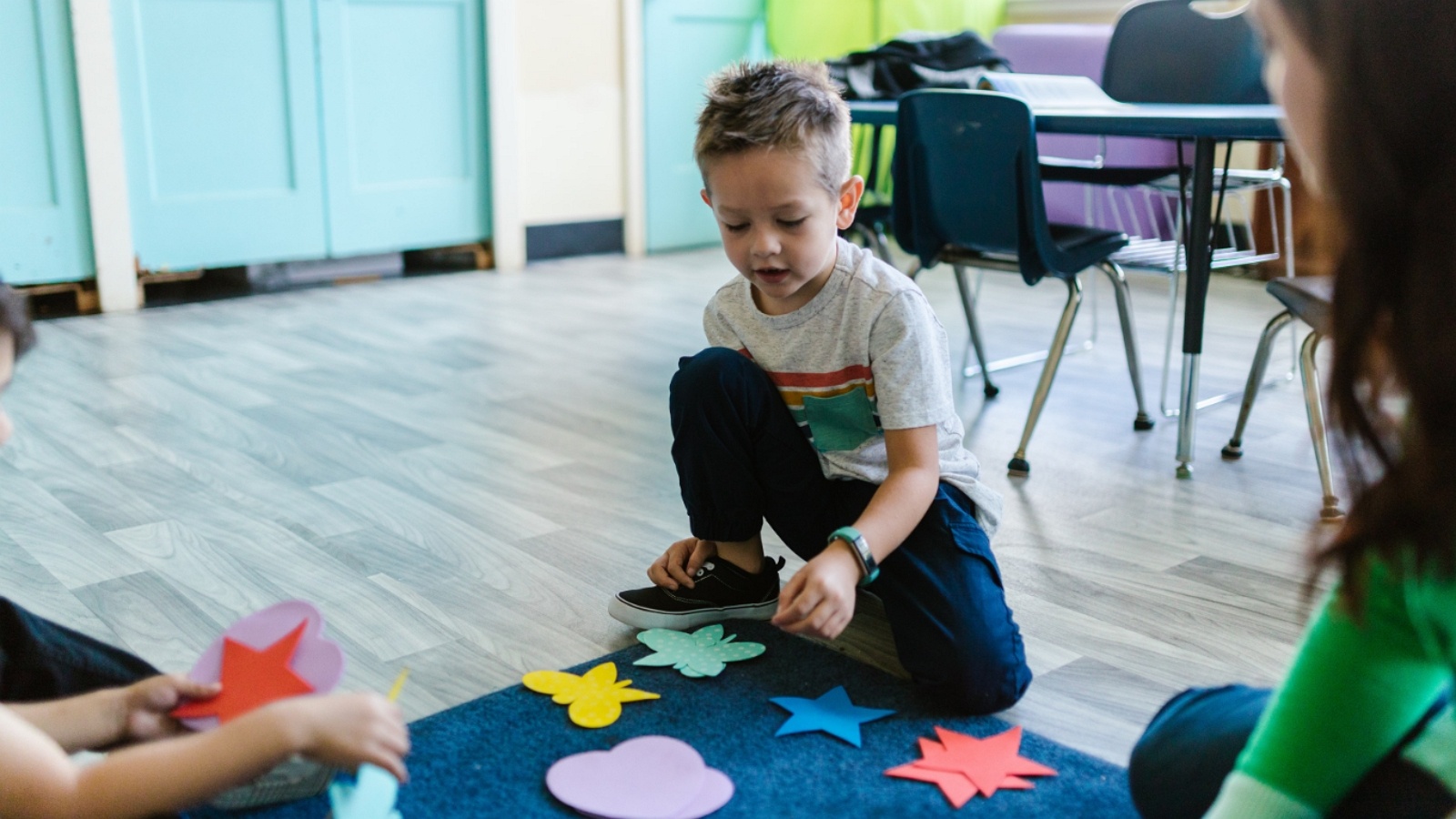
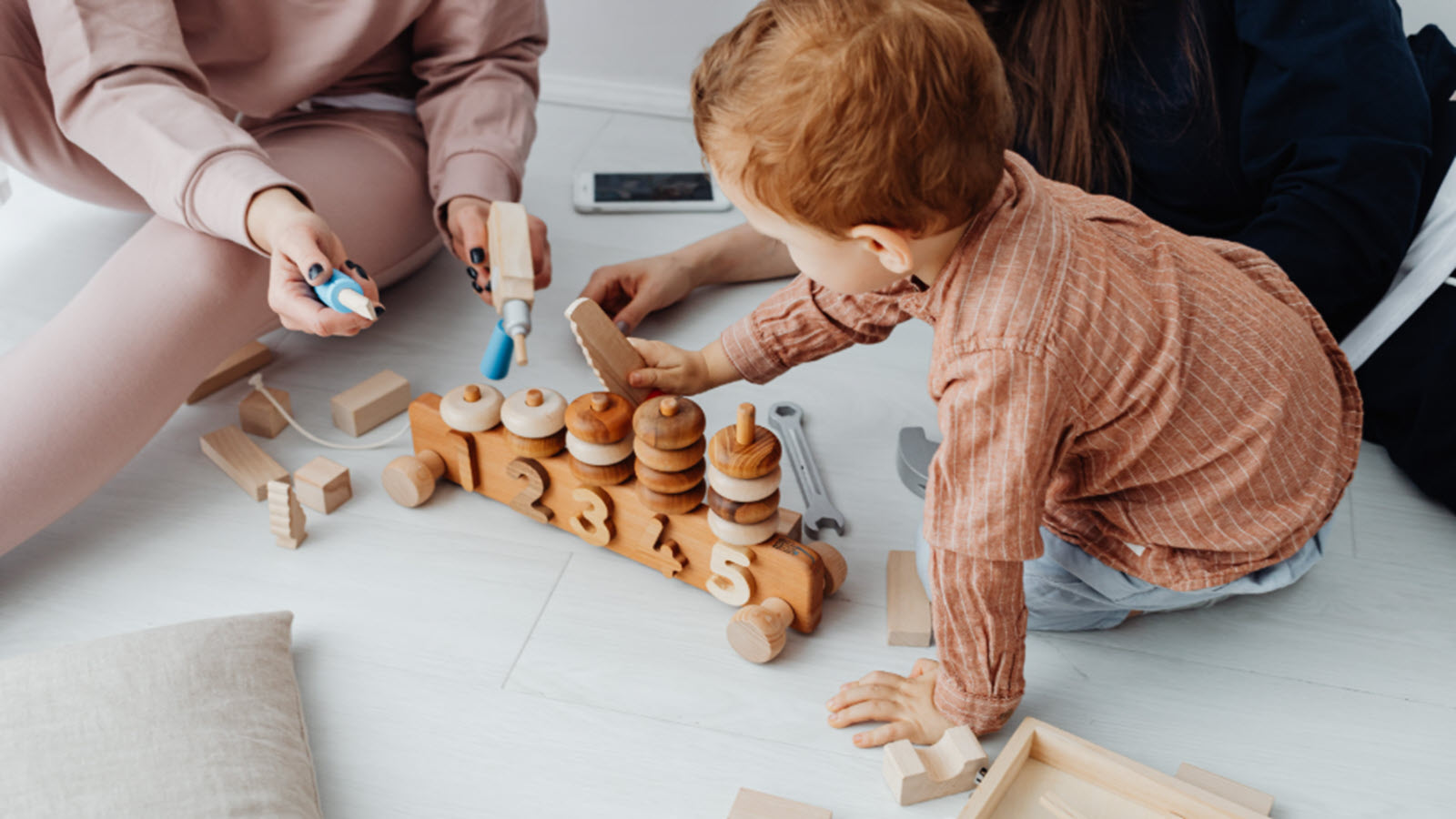
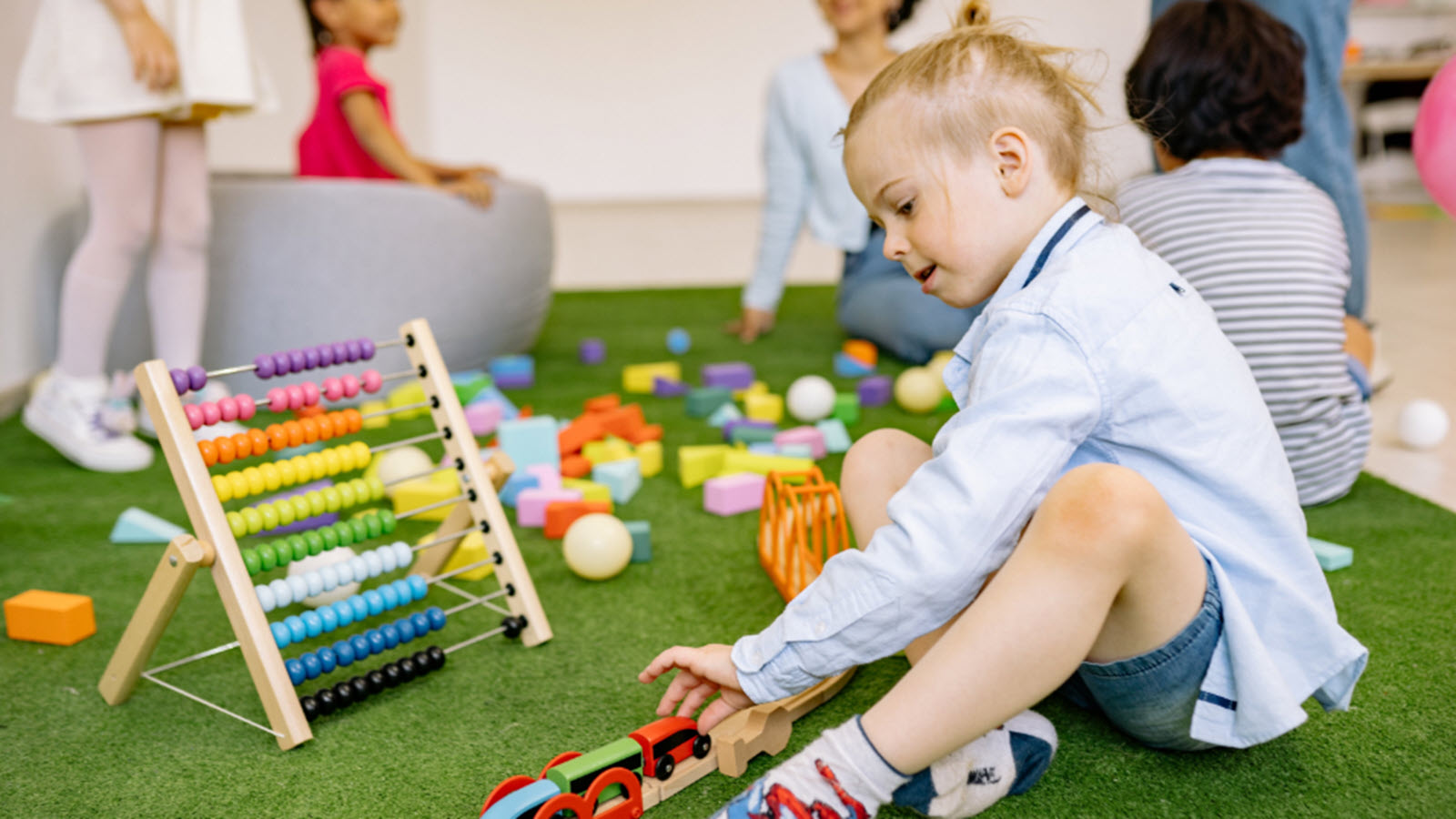
Children learn through play long before they sit in a classroom. Simple games teach them how to plan, try again after a mistake, and notice how others feel. Play builds the brain, body, and social bonds at the same time. Kids practice language when they talk through a story in a game. They practice math when they count items or match shapes. They practice patience when a puzzle takes time to solve.
Safe kids games add an extra layer of protection. They remove ads that interrupt focus. They avoid chats or content that does not belong in a child’s world. This lets kids stay in the flow of play instead of getting pulled toward distractions. The result is screen time that feels calm and useful rather than overstimulating. Many families find value in learning through play activities and learning through play examples that turn everyday moments into growth opportunities. Parents often notice stronger attention when children play fun educational games.
Cognitive Benefits of Safe Kids Games
Safe kids games sharpen thinking skills in natural ways. Puzzle and matching activities help children notice patterns and remember details. Story-based play lets them follow sequences and predict what might happen next. These moments strengthen working memory and flexible thinking.
When a child cares for a virtual pet or designs an outfit, they make small decisions and see the results right away. That feedback loop builds problem-solving without stress. Kids learn that trying a different approach often works better than giving up. Over time these habits support school readiness and everyday independence. Open-ended creative games encourage children to invent their own ideas. They mix colors, invent stories, or rearrange rooms. This kind of free exploration supports imagination and original thinking. Families looking for focused practice often turn to the best memory games for kids and the best learning games for kids. Collections of kid educational games make these skills easy to practice at home.
Social and Emotional Growth Through Play
Many safe kids games center on caring for characters. Feeding, bathing, or comforting a digital friend helps children practice empathy. They notice when a character looks sad or happy and respond with kindness. These small acts build emotional awareness that carries into friendships and family life.
Games that involve taking turns or completing gentle tasks also teach patience and responsibility. Children learn that consistent care leads to positive outcomes. They feel proud when they finish a routine or solve a challenge. That sense of competence grows self-confidence. Emotional regulation gets quiet practice too. When a puzzle feels hard or a character needs extra attention, kids stay calm and keep going. The safe, low-pressure setting lets them experience mild frustration and then success.
Over time this builds resilience. Shared play between parent and child adds another layer. Sitting together while a child explains a game or shows a creation creates warm connection. These moments strengthen bonds and give parents a window into how their child thinks and feels. Helpful options appear in social emotional games, emotional regulation games, and emotional games.
Physical and Motor Skill Support
Even digital games can support physical development when designed with care. Simple tapping, dragging, and tracing movements refine fine motor skills and hand-eye coordination. Children gain better control over small finger actions that later help with writing and drawing.
Some games encourage standing or moving along with on-screen prompts. These active moments balance quieter screen time and support overall body awareness. Outdoor play and physical games remain essential, yet safe digital options can complement them on rainy days or busy schedules. The key is balance. Short, purposeful sessions leave room for running, climbing, and free movement. Safe kids games fit best when they sit alongside real-world activity rather than replace it. Many parents combine these with tablet games and age-specific choices such as educational games for toddlers or games for preschoolers.
What Makes a Game Truly Safe for Kids
Not every colorful app qualifies as a safe kids game. True safety includes several clear features. Age-appropriate content that matches developmental stages comes first. Games built for young children avoid complex violence, scary images, or adult themes. Privacy protection matters deeply. Strong platforms follow rules that keep personal data private and block unwanted contact. Ad-free design removes commercial pressure and constant interruptions. No in-app purchases or surprise paywalls keep the experience calm and parent-controlled. Educational value turns play into growth. Games that intentionally support creativity, focus, kindness, or early learning skills deliver more than entertainment. Clear parent controls and easy cancellation options give families real authority over screen time. When these elements come together, children enjoy play that feels free and parents feel confident about the time spent. Guidance on choosing well appears in the best safe apps for kids and how to protect kids online.
Choosing the Right Safe Kids Games for Different Ages
Younger children thrive with simple, open-ended play that focuses on colors, shapes, caring routines, and gentle stories. Games that respond to their choices without time pressure work best. Slightly older kids enjoy more challenges through light puzzles, memory activities, and creative projects that let them design and invent.
Look for games that grow with the child. A good collection offers variety so interest stays high without jumping between random apps. Multi-device support helps families use the same safe library on phones, tablets, or other devices. Reading reviews from other parents and checking for clear safety commitments saves time. Platforms that update content regularly keep the experience fresh while staying true to educational goals. Age-matched options appear in educational games for 5 year olds, educational games for 6 year olds, and educational games for 7 year olds.
How TutoClub Delivers Safe Kids Games That Support Growth
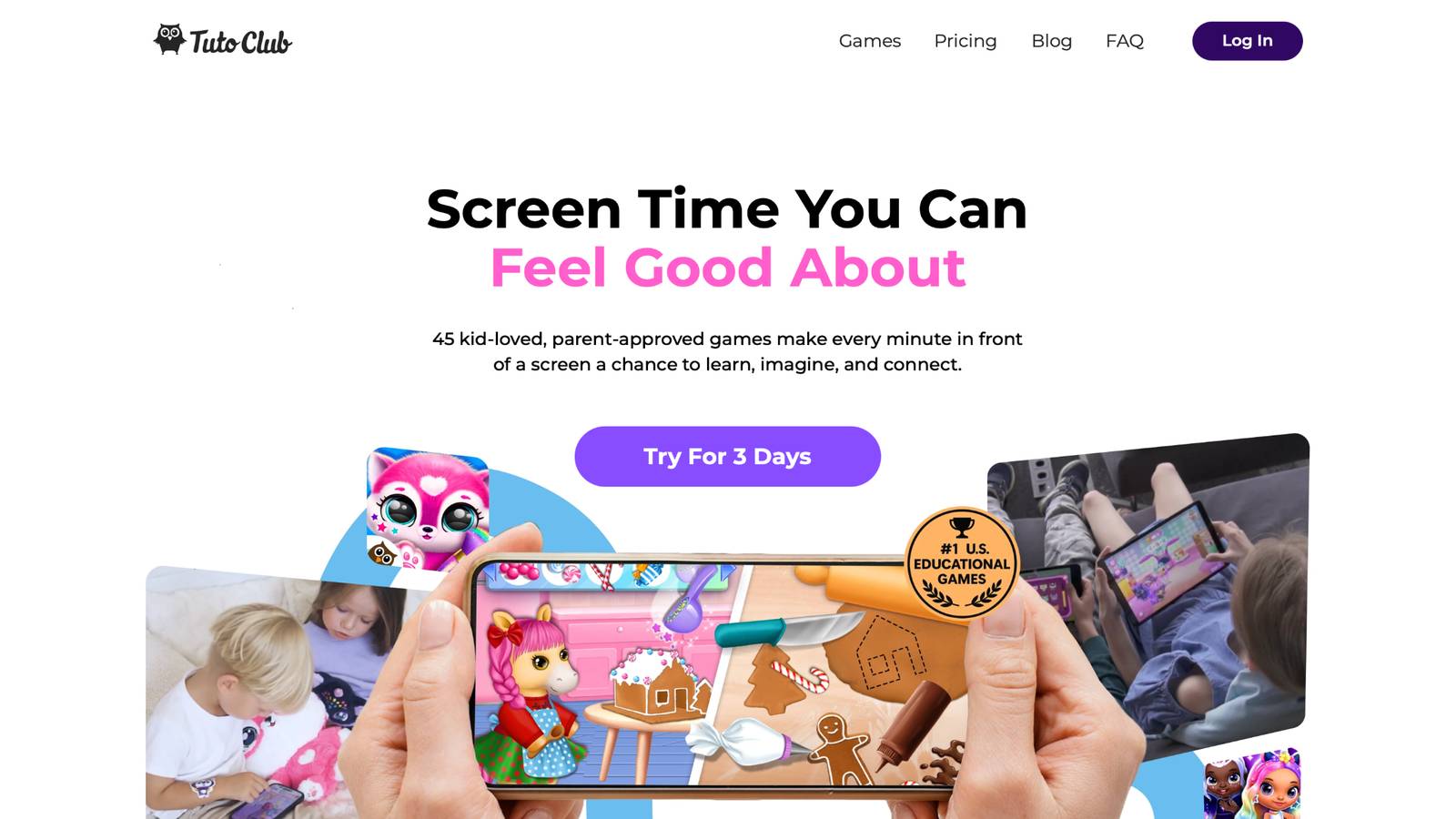
Tutoclub offers a curated collection of more than 45 educational games designed specifically for young children. Every title stays completely ad-free and free from in-app purchases. Kids can care for virtual pets, design outfits, solve gentle puzzles, and practice early learning skills in colorful, calm worlds.
Games such as Fluvsies and My Baby Unicorn focus on empathy and responsibility through everyday care routines. Fashion and creative titles encourage self-expression and confidence. Puzzle and memory activities sharpen focus and problem-solving. Early learning games support letters, numbers, and storytelling in playful ways. The platform follows strict privacy standards so children stay protected. One subscription unlocks the full library across multiple devices.
Parents gain peace of mind knowing screen time supports creativity, emotional growth, and real skills rather than empty distraction. Regular updates keep the collection fresh while maintaining the same safe standards. Families appreciate the free trial that lets them experience the full set of games before deciding. The simple setup works for busy households that want quality options without constant management of individual apps.
TutoClub Overview
TutoClub is your gateway to a magical world of educational games designed especially for children.
As part of TutoTOONS, a leading kids' games studio, we offer premium access to over 45 ad-free games.
Our mission is to blend learning and play, helping kids explore, create, and grow in a safe online space.
Thousands of parents trust us for family-friendly content that sparks imagination and builds essential skills.
Key Features
- Unlimited Access: Unlock full content in all games with no interruptions.
- Ad-Free Experience: Enjoy seamless play without any ads or distractions.
- Skill Development: Games foster creativity, social skills, communication, and more through fun activities like pet care and cleanup challenges.
- Regular Updates: Get new releases, exclusive content, and future updates automatically.
- Easy Subscription: Cancel anytime with no obligations, simple and flexible for families.
Explore Our World
TutoClub provides a rich ecosystem of educational games for kids, featuring ad-free experiences that promote creativity, focus, and emotional growth through play.
This platform turns screen time into valuable learning opportunities, with parent-approved content that builds essential skills and sparks curiosity in young minds.
- TutoClub Games: Over 45 educational games, including popular titles like Fluvsies, Smolsies, and the Sweet Baby Girl series
- Blog: Insights, tips, and stories for families on kids' learning and play
- FAQ: Comprehensive answers to frequently asked questions about subscriptions, features, and more
Get TutoClub on Your Device
TutoClub delivers premium kids educational games directly to your mobile devices, making learning accessible anytime, anywhere.
With apps available on major platforms, families can easily download and subscribe for ad-free play that turns screen time into skill-building adventures.
Perfect for parents seeking safe, engaging content on iOS, Android, or Amazon devices.
Why Choose TutoClub?
We're committed to 100% safe, enriching entertainment that kids love and parents approve. Join the thousands who've seen their children thrive through playful learning.
Ready to start the adventure?
Practical Tips for Making the Most of Safe Kids Games
Set clear time limits that feel fair to both parent and child. Short, focused sessions often work better than long open-ended ones. Join the play when possible. Ask questions about what the child is doing or celebrate small successes together.
Balance digital play with outdoor time, books, and hands-on activities. Use the games as a starting point for real-world extensions. A pet-care game can lead to talks about real animals. A design game can inspire drawing or building at home. Watch how your child responds. Notice improved focus, new vocabulary, or greater willingness to try hard tasks. Adjust the selection if certain games no longer hold interest. The goal remains joyful growth rather than forced learning. Helpful related resources include the best educational games for kids online and th best mobile games for kids.
Safe Games That Support Independent Play
Some children want a close parent. Others want to tap through a routine on their own. Independent play grows when the screen is quiet and the next step is easy to see. A child feeds a pet, picks an outfit, or finishes a tiny cleanup path without waiting for a pop-up. That quiet loop builds a “I can do this” feeling. The best games for toddlers use the same idea: one job, then the next, with a clear finish.
Independent play stays healthy when the game is closed-ended enough to complete. Open chat or surprise shops pull kids out of that flow. The best apps for toddlers keep the path inside the activity itself.
Signs a child is ready for a short solo session:
- They can finish one care routine without help
- They know how to pause or close the app
- They can tell a parent what they just did
- They return to toys after the session ends
Educational games for toddlers stay simple for first solo tries. Games for young kids and educational games for kids age 3 add a little more choice once those short finishes feel easy.
Quiet, closed-ended play is easier to find in the best safe games for kids that stay on one simple path after download. Parents who want a first solo session can start with the best safe kids games that let a child finish one care routine, close the app, and go back to toys without extra shops or chat.
Language Growth During Calm Digital Play
Talk grows when a child names what they see. A safe game shows a color, a snack, or a feeling. The child says the word. A parent nearby can add one short line. That is enough. English learning apps for kids pair pictures with spoken labels. The child hears a word while dragging a bow. Hearing plus doing helps the word stick. Story rooms help too. Fashion play and doll houses invite kids to say where a character goes next. An educational game app for kids gives that talk without public chat.
Useful language moments:
- Naming colors while mixing outfits
- Counting treats for a pet
- Describing a sad or happy face
- Retelling the game story at dinner
Apps for preschoolers and games for preschoolers keep words short and pictures clear. Educational games for kindergarten add early letters and story talk once those first words feel easy.
Interest-Based Play: Unicorns, Dolls, and Puzzles
Kids stay with a game longer when the theme already matters to them. A child who loves rainbows wants unicorn care. A child who loves unboxing wants doll style play. A child who likes order wants puzzles. Dress up games for girls online give fashion and collecting energy. Memory games for kids give quiet matching for kids who like pieces that fit. Confidence-building games use open choices so the look or story belongs to the child. Interest-based play still needs the same safety rules. The theme can be sparkly. The app still stays ad-free and private. Kid educational games and kids games educational lists show how cute themes can sit next to skill practice.
Theme matching in practice:
- Unicorn games for kids who like animals and color
- Doll fashion for kids who like style and stories
- Cleanup quests for kids who like tidy rooms
- Memory cards for kids who like matching pairs
Fun games that are educational for kids keep those themes inside one session so interest and growth share the same screen.
Using One Library Across Phones and Tablets
Families rarely use one device. A tablet stays in the living room. A phone comes on a car ride. Kids lose the thread when every device has a different app list. One account across devices keeps favorites ready. A child can start pet care on a tablet and open the same world later on a phone. The FAQ section explains how one login works after games are downloaded. Store notes on the App Store FAQ, Google Play FAQ, and Amazon FAQ cover how that same plan appears on each platform. Tablet games for kids, mobile games for kids, and educational games for kids on iPad all point to the same need: familiar play on whatever screen the family has that hour.
Device habits that stay simple:
- Same account on each family device
- Favorites downloaded before a trip
- Play in a shared room when possible
- One game at a time, even if many titles sit in the library
Rainy-Day and Travel Play That Stays Safe
Weather and travel shrink options. Parks close. Waiting rooms drag on. A safe game can fill a short gap without opening a feed of random videos. Indoor days work well with educational games for kids at home. A Fluvsies paper doll printable can sit beside the screen so style play continues with scissors and paper. Learning through play activities turn a pet-care session into a real tidy-up or a drawing of the same character.
Rainy-day play works best in short blocks:
- One care routine during a storm
- One puzzle during a wait
- Crayons or stickers after the screen rests
- A planner slot so the day still has off-screen time
A family weekly planner can mark both indoor play and outdoor plans. How to protect kids online still applies in hotels and cars: shared screens, known apps, no extra downloads mid-trip. Free online games for kids help only when the title is already known and calm.
Latest News In 2026
Families in 2026 keep looking for screen time that feels calm. News around TutoClub this year has focused on one plan that opens a large set of educational games for kids rather than many separate shops. Early 2026 reports described a subscription model for kids’ games with no ads and no extra in-app buys inside the library. Later pieces in the same year pointed to privacy-minded design, multi-device use, and play made for young children who like pet care, fashion, and gentle puzzles. Privacy details sit in the privacy FAQ section, and plan details sit in the subscription FAQ section.
Those updates keep naming familiar care and style titles families already know. Parents who read that coverage often open the best safe apps for kids next to match a title to a child. Online educational games for kids and learning games for kids online sit beside that same 2026 conversation about calm, useful play.
FAQ
What makes some kids games safer than others?
Safe games prioritize age-appropriate content that matches a child’s developmental stage and avoids themes or images that do not belong in young play. They stay free of ads and unexpected purchases so focus stays on the activity itself rather than interruptions or pressure. Strong privacy protections keep personal information private and block unwanted contact. Clear parent controls and consistent educational purpose further support calm, purposeful play that helps children grow without unnecessary distractions, as outlined in guides on the best safe apps for kids.
How do safe kids games help with emotional skills?
Many safe kids games center on caring for characters through simple routines like feeding or comforting. These moments give children natural practice noticing feelings and responding with kindness. Gentle challenges also let kids experience mild frustration and then success in a low-pressure setting. Over time this builds emotional awareness, empathy, and the ability to stay calm. Shared play with a parent adds real conversation that deepens these skills even more through activities like those in the best social emotional games for kids.
Can safe educational games support school readiness?
Yes. Games that involve memory matching, pattern recognition, early letters, numbers, and light problem-solving help build foundations children later use in school. Creative design and storytelling activities support flexible thinking and self-expression. Responsibility routines found in cleanup or pet care games encourage independence and focus. These skills develop through enjoyable play rather than formal lessons, helping many children approach structured learning with greater confidence via collections such as learning games for kids online.
How much time should kids spend with safe games?
Short, regular sessions usually work best so children stay engaged without overstimulation. Quality of the experience matters more than long stretches of time. Pairing digital play with outdoor movement, books, and hands-on activities keeps overall balance. Watching a child’s energy and mood helps parents adjust limits so screen time remains positive and supportive of growth, similar to advice in tablet games for kids.
Why choose a subscription collection of safe kids games?
A curated collection brings many educational games together under the same safety and quality standards. Children gain variety in creativity, focus, empathy, and early learning activities without jumping between random apps. Multi-device support and consistent ad-free design make management simpler for families. Regular updates keep the experience fresh while maintaining the same protective environment that supports real skill-building through options like brain games for kids.
Can two siblings share the same safe game library?
Yes. One family library can hold gentle pet-care play for a younger child and longer fashion or puzzle play for an older sibling. Educational games for 2 year olds stay simple, with big actions and short routines, while older kids can take titles with more steps. The theme can differ while the safety rules stay the same: no ads, no surprise shops, and no stranger chat. Each child can open a known world on the family’s phones and tablets. Independent play still works when each sibling gets a title they can finish on their own.
What if a child only wants the same game every day?
Repeating a favorite is common and can still support growth. The same care routine still practices kindness, order, and finishing a job. The same dress-up room still practices choice, color words, and short stories. Learning games for kids show how a familiar task can still build focus when the child cares about the character. A new theme can wait until interest shifts. The habits inside the game matter more than switching apps every session.
How do safe games work on a trip with weak Wi-Fi?
Many families download known titles at home before they leave. The FAQ section notes that a connection is used to get games and check the plan. After that, a lot of play can continue with less internet in cars, waiting rooms, or rented rooms. Rainy days and holiday travel work the same way when the list stays small, such as pet care or a short puzzle. Familiar play is easier than searching for a new app under time pressure.
Which games help a child who loves style but also needs quiet focus?
Fashion play can be slow and complete. Picking colors, finishing an outfit, and telling a short story is a full task with a clear end. Dress up games for girls give that style energy without public chat. The child makes the look, names the colors, and decides the mood. A short matching or cleanup task after the outfit adds a second kind of focus. Design first, then a small puzzle, keeps the session calm and finished.
Do holiday-themed games stay useful after the season ends?
Yes. Holiday wrapping can be Santa, lights, or gifts, while the skills stay the same. Kids still sort items, care for characters, and finish small stories. Learning through play examples show how those same habits move to crayons, blocks, or a tidy-up at home. Families can return to everyday pet care and puzzles once the season passes. A holiday game remains useful when the child still wants the routine inside it, even after the decorations come down.
Read Also:
- Best Learning Through Play Activities in 2026
- Best Learning Through Play Examples
- Best Memory Games for Kids
- Best Fun Games That Are Educational for Kids
- Best Social Emotional Games for Kids
Discover safe kids games that support real growth and confident play for your child at TutoClub.