
Benefits of Memory Games for Kids





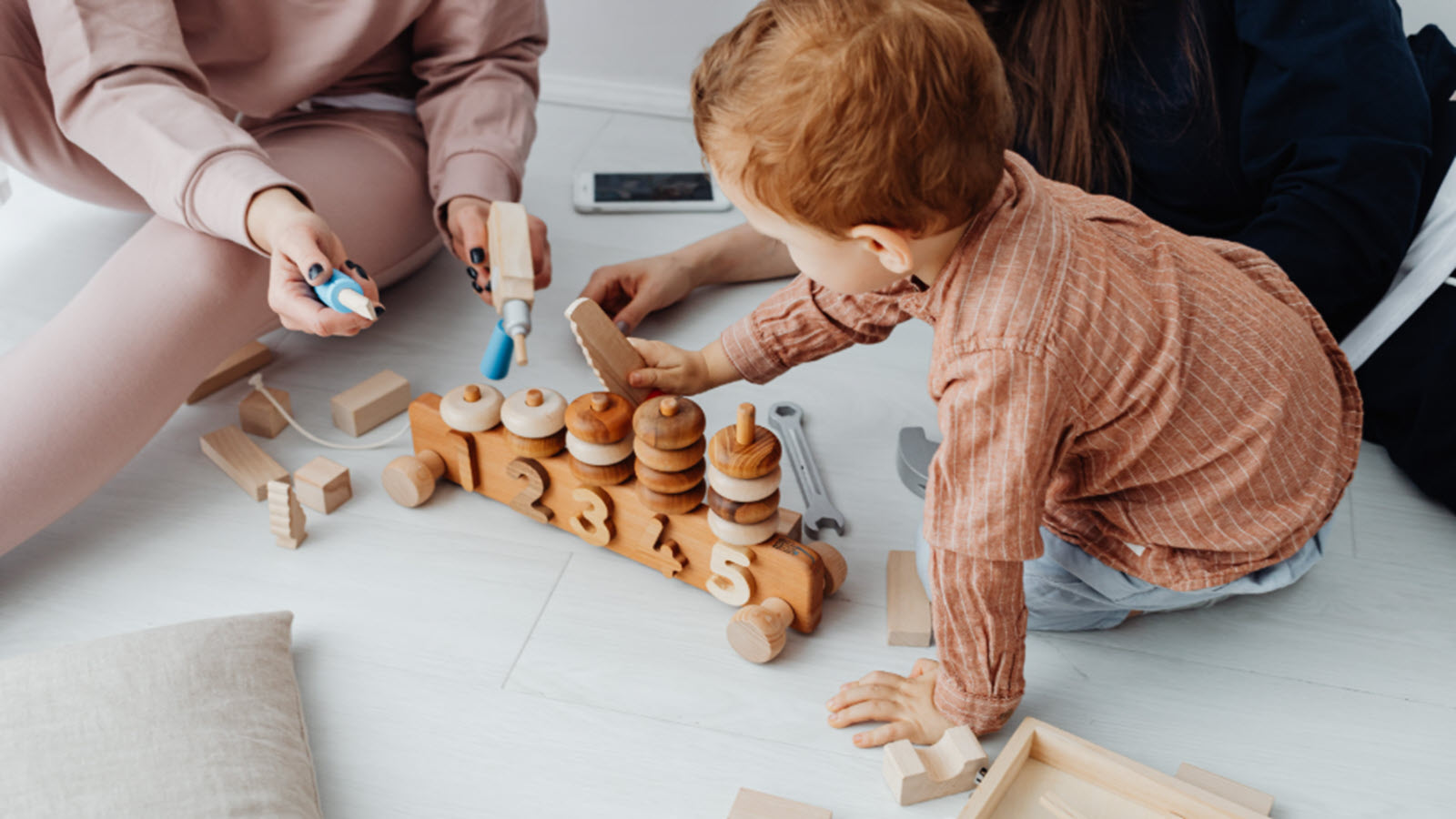
Memory games for kids turn play into powerful brain training. These activities help children strengthen focus, improve recall, and build skills that support school and daily life. Kids practice holding information, spotting patterns, and thinking ahead through matching cards and digital options.
Beyond pure memory practice, parents can expand these benefits with the best emotional games for kids that teach self-awareness and empathy. The best confidence-building games help children trust their growing abilities, while the best responsibility games for kids encourage ownership and follow-through. For broader cognitive gains, the best brain games for kids combine focus, memory, and flexible thinking in one engaging package.
Discover how quality memory games support your child’s development.
Social and Emotional Gains from Playing Together

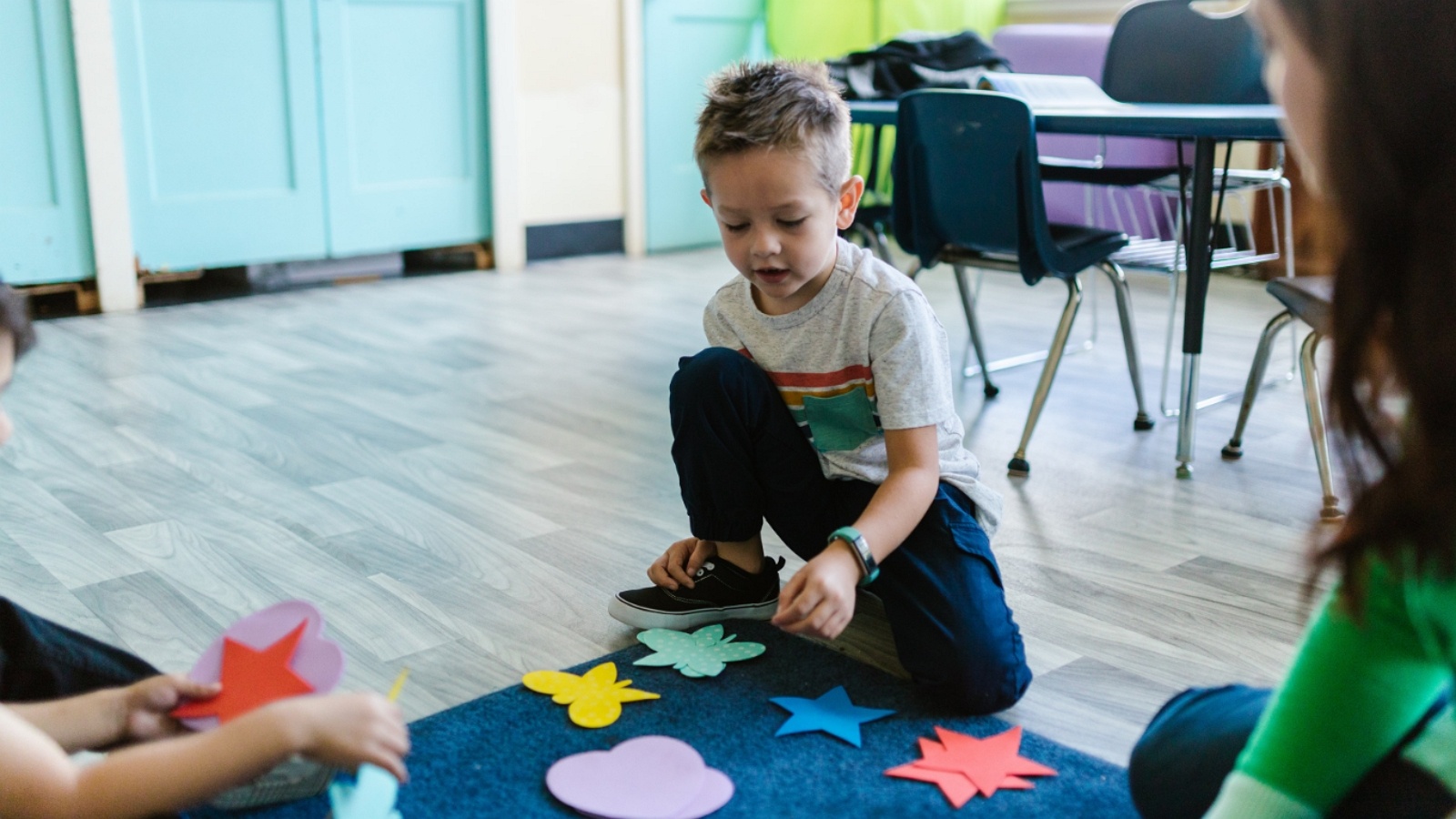
Memory games often involve turn-taking. Children learn to wait, share attention, and cheer for others. These moments build patience and fairness. Group play teaches teamwork when kids work toward a shared goal or compete in a friendly way. Confidence rises with success. Finding a match or completing a sequence gives a real sense of achievement. Kids who struggle with other tasks often feel capable here. They learn that practice leads to improvement. Handling a missed turn or wrong guess builds resilience. Children see that mistakes are part of learning and keep trying. Emotional regulation gets practice too. Staying calm during a challenging round helps kids manage frustration. Celebrating wins and supporting friends strengthens positive social habits. These experiences connect directly to the growth offered by social emotional games, emotional regulation games, and confidence building games.
Cognitive Benefits That Support Learning
Memory games build several thinking skills at once. Focus improves because players must ignore distractions and stay on the task. A child searching for matching cards learns to concentrate longer. This attention carries over to homework and group activities. Problem-solving develops as children plan moves. They decide which card to flip next based on what they remember. Logical thinking grows when they connect clues and test ideas. Spatial awareness also gets stronger. Remembering where items sit on a board helps kids understand positions, directions, and how things fit together. These skills support math and science later on. Pattern recognition becomes sharper through the kinds of challenges found in the best learning games for kids. Over time, children get better at moving details from short-term memory into longer-term storage. They recall facts and stories more easily while developing abilities also.
Why Memory Games Matter for Young Minds
Kids use memory constantly. They remember instructions, track stories, and connect new ideas to what they already know. Memory games train this ability in a playful way. Short sessions help children hold details in mind, then pull them back when needed. Working memory acts like a mental workspace. It lets kids follow multi-step directions, solve simple math problems, and keep track of what happens in a story. When children play matching games or sequence challenges, they practice this skill without pressure. The brain forms stronger connections through repeated use, so the benefits show up in classroom tasks and daily routines. These gains align closely with the foundations built through learning through play activities and learning through play examples.
Types of Memory Games Kids Enjoy
Classic card matching remains popular. Players flip cards to find pairs. The simple rules work for many ages and need only a deck of cards or homemade pictures. Simon Says trains listening and following directions. Kids remember commands and act only when the right phrase is used.
Object games work well at home. Place several items on a tray, let children look, then remove one and ask what is missing. Sequence games ask kids to repeat a pattern of claps, colors, or movements that grow longer. These build both memory and focus. Digital versions add variety. Many options from online educational games and educational games for kids at home offer colorful matching, pattern recall, and progressive challenges.
Some include themes kids love, like animals or characters, which keep motivation high. Look for options that adjust difficulty so children stay challenged without feeling overwhelmed. Puzzle-style memory activities combine visual search with recall and pair well with the best games for preschoolers.
How Memory Games Fit into Daily Life
Short daily sessions work best. Ten to fifteen minutes of focused play can strengthen skills without tiring young attention spans. Mix traditional and digital options to keep interest fresh. Play together when possible. Adults model strategies and celebrate effort, which reinforces learning. Choose games that match the child’s age and interests. Younger kids do well with simple pairs and clear pictures. Older children enjoy longer sequences or strategy elements. Balance screen play with outdoor time, reading, and free play so memory practice stays part of a healthy routine. These habits fit naturally alongside the approaches in healthy screen habits. Watch for signs of progress. A child who once struggled with multi-step instructions may start following them more easily. Better focus during stories or chores often follows regular practice.
Choosing Quality Options for Lasting Benefits
Quality matters. Fun educational games should feel fun first and educational second. Clear rules, positive feedback, and gradual challenge levels help children stay engaged. Avoid options full of ads or distractions that pull attention away from the skill-building part. Safe platforms designed for kids offer an advantage. They remove unwanted interruptions and focus on growth. Parents can feel more confident about the time spent. Many educational collections include memory elements inside larger play experiences, such as pet care or creative activities that require recalling details and planning steps. When selecting, check that the content supports focus, recall, and problem-solving. Age-appropriate design keeps frustration low and success high. Playing alongside your child lets you see what works and share strategies.
How Tutoclub Supports Memory Skills Through Play
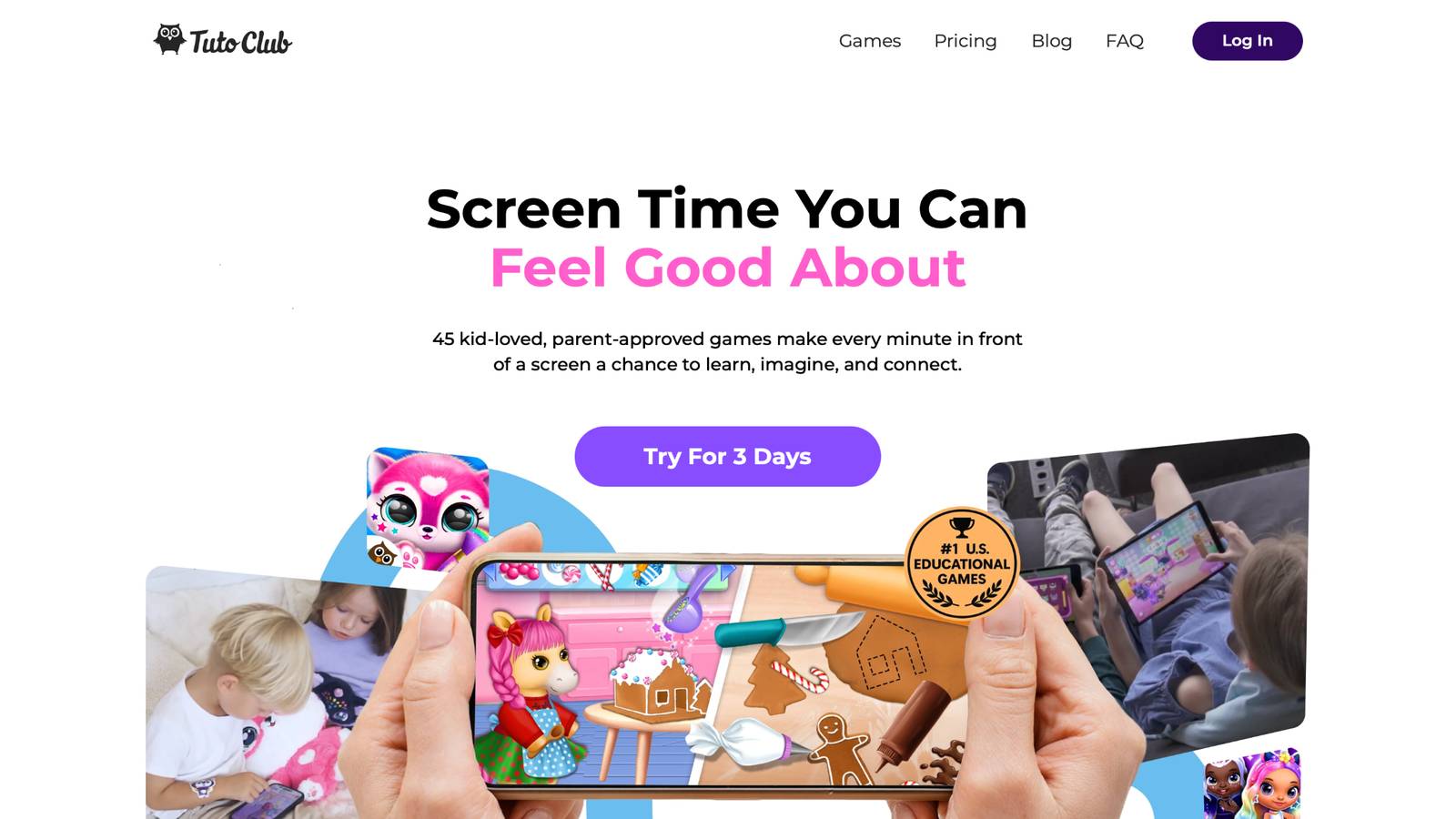
Tutoclub offers a subscription that unlocks more than 45 educational games created for young children. Many of these experiences include memory challenges mixed with creativity, care routines, and problem-solving. Games like Floof – My Pet House combine puzzles, memory matching, and decorating tasks that ask kids to remember locations and details while having fun. Other titles encourage focus through sequences, pattern play, and interactive stories. The collection stays completely ad-free and safe. Parents get peace of mind knowing screen time builds real skills instead of filling time with empty entertainment.
Children practice holding information, spotting matches, and thinking ahead inside engaging worlds they already love. The games support early learning goals around focus, confidence, and social-emotional growth. One subscription covers multiple devices and regular updates. Families can try the full set risk-free for a short period and see how the activities fit their child’s interests through the full range available on the games page.
TutoClub Overview
TutoClub is your gateway to a magical world of educational games designed especially for children.
As part of TutoTOONS, a leading kids' games studio, we offer premium access to over 45 ad-free games.
Our mission is to blend learning and play, helping kids explore, create, and grow in a safe online space.
Thousands of parents trust us for family-friendly content that sparks imagination and builds essential skills.
Key Features
- Unlimited Access: Unlock full content in all games with no interruptions.
- Ad-Free Experience: Enjoy seamless play without any ads or distractions.
- Skill Development: Games foster creativity, social skills, communication, and more through fun activities like pet care and cleanup challenges.
- Regular Updates: Get new releases, exclusive content, and future updates automatically.
- Easy Subscription: Cancel anytime with no obligations, simple and flexible for families.
Explore Our World
TutoClub provides a rich ecosystem of educational games for kids, featuring ad-free experiences that promote creativity, focus, and emotional growth through play.
This platform turns screen time into valuable learning opportunities, with parent-approved content that builds essential skills and sparks curiosity in young minds.
- TutoClub Games: Over 45 educational games, including popular titles like Fluvsies, Smolsies, and the Sweet Baby Girl series
- Blog: Insights, tips, and stories for families on kids' learning and play
- FAQ: Comprehensive answers to frequently asked questions about subscriptions, features, and more
Get TutoClub on Your Device
TutoClub delivers premium kids educational games directly to your mobile devices, making learning accessible anytime, anywhere.
With apps available on major platforms, families can easily download and subscribe for ad-free play that turns screen time into skill-building adventures.
Perfect for parents seeking safe, engaging content on iOS, Android, or Amazon devices.
Why Choose TutoClub?
We're committed to 100% safe, enriching entertainment that kids love and parents approve. Join the thousands who've seen their children thrive through playful learning.
Ready to start the adventure?
Experience memory games that turn play into lasting learning.
Practical Tips for Parents
Start with what your child enjoys. If animals interest them, choose pet care games or nature scene games. Keep sessions short and positive. End on a success so the experience feels rewarding. Talk about strategies out loud. “I remember seeing the blue one over here” models useful thinking. Celebrate effort more than perfect scores. This builds a growth mindset that helps beyond games. Combine memory play with other activities. After a matching session, ask your child to recall a story from the day or help with a simple sequence of chores. Real-world practice strengthens the skills further. Rotate games so novelty stays high. A mix of cards, spoken sequences, and digital options prevents boredom. Watch your child’s energy and stop before frustration appears. These approaches work especially well alongside ideas from the best problem solving games.
FAQ
What age can children start playing memory games?
Many children begin enjoying simple matching or object games around age three or four, when they can follow basic rules and notice differences between pictures or items. Younger kids can try peek-a-boo style activities that introduce the idea of things existing even when hidden. Adjust the number of items or length of sequences to match their current ability so success feels reachable and frustration stays low. These early experiences help build the foundation for stronger focus and recall that support later learning, much like the activities found in educational games for toddlers. Parents often notice that starting with familiar themes, like animals or everyday objects, keeps young children engaged longer.
How often should kids play to see benefits?
Regular short sessions work better than long occasional ones for strengthening memory and attention skills. A few times a week for ten to fifteen minutes gives the brain steady practice without tiring young attention spans. Consistency helps skills stick and transfer to school tasks and daily routines such as following multi-step instructions. Mixing traditional card matching with spoken sequences or options from the best memory games for kids keeps interest high over time. Watching for real-life improvements, like better focus during stories or chores, shows how the practice is taking hold.
Do digital memory games work as well as traditional ones?
Both can support growth when designed well and matched to a child’s age and interests. Digital versions often add colorful feedback and progressive levels that keep children motivated while practicing recall and pattern recognition. Traditional games offer hands-on interaction and easy family participation that builds turn-taking and communication at the same time. A balance of both usually gives the strongest results because each format trains slightly different aspects of focus and visual memory. Quality collections that include memory challenges inside larger play experiences, such as those highlighted in the best educational games, help children practice holding information in engaging ways.
Can memory games help with school performance?
Yes. Stronger working memory and focus support reading, following directions, and solving multi-step problems in the classroom. Children who practice these skills through play often find classroom tasks easier because the mental tools feel more familiar and automatic. Pattern recognition and visual discrimination developed in matching games also help with early letter recognition and math concepts. The confidence that comes from succeeding in a game can carry over into a more positive approach to school challenges, similar to gains seen with the best confidence building games. Over time, these gains contribute to smoother learning across subjects without the pressure of formal drills.
Are there ways to make memory games more social?
Playing in pairs or small groups turns memory practice into a chance to build cooperation and patience. Take turns, share observations about where cards might be, and cheer each other on after successful matches. Team versions where players work together to find pairs encourage communication and shared problem-solving. Family game nights create warm shared moments that deepen connections while strengthening recall skills. These social experiences also help children practice handling wins and losses gracefully.
Read Also:
- Best Benefits Of Learning Through Play in 2026
- Chore Games for Real-Life Skills Through Play
- Parents Guide to Safe Skill-Building Apps for Toddlers
- Best Healthy Screen Habits In 2026
- Summer Holiday: Educational Games and Offline Ideas for Kids
Discover how quality memory games support your child’s development.