
How The Best Brain Games for Kids Improve Focus Fast






Kids face constant distractions, yet the right brain games for kids can sharpen focus fast by training attention, working memory, and self-control through play. These activities turn fun into real practice that helps children stay on task during school and daily routines. Safe, skill-building options make screen time more purposeful.
Parents can build on these focus gains by exploring the best problem-solving games for kids that strengthen logical thinking under gentle challenge. Emotional regulation improves with the best emotional games for kids, while the best confidence-building games help children trust their abilities. Strong working memory also grows through the best memory games for kids, turning everyday play into lasting cognitive support.
Discover educational games that help kids improve focus and creativity through play.
Why Brain Games Build Focus So Effectively

Focus is not fixed. It grows with practice, much like a muscle. When children play brain games or memory games for children, they repeatedly practice selecting what matters and ignoring what does not. This strengthens the brain networks that handle attention and executive function.
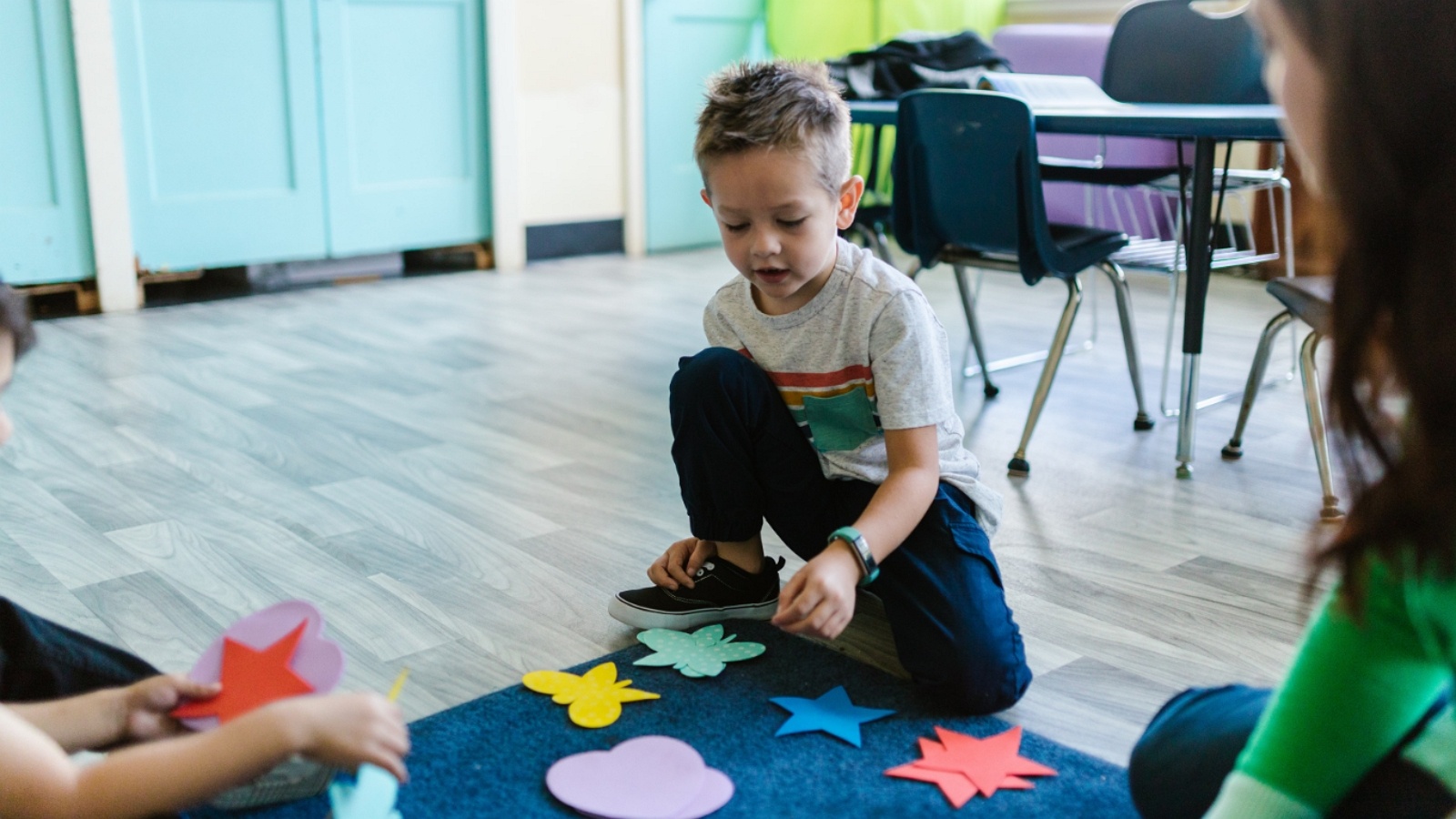
Many activities demand sustained effort. A child matching cards must hold locations in mind while scanning the board. A puzzle requires keeping the big picture in view while placing individual pieces. These repeated challenges improve the ability to stay with a task even when it gets tricky. Learning through play activities and learning through play examples make this practice feel natural and enjoyable.
Play also feels rewarding. Positive feelings during games help children stick with the practice longer. Over time, the skills transfer to real life: listening more carefully in class, finishing chores without constant reminders, or reading for longer stretches. Social emotional games for kids further support the emotional side of staying focused.
Digital Brain Games and Safe Screen Options
Digital versions can offer adaptive difficulty and instant feedback. Well-designed apps adjust challenges so the child stays in the optimal learning zone, neither too easy nor frustrating. Look for games that emphasize problem-solving, memory, or pattern recognition without constant ads or in-app purchases that interrupt flow. Short sessions work best. Many families find that structured play in curated collections produces better outcomes than open-ended scrolling. Helpful starting points include online games for kids, tablet games for kids, and safe apps for kids.
Platforms that remove distractions help children stay immersed in the skill-building activity. When games are created with developmental goals in mind, they support creativity, emotional skills, and focus at the same time. Best learning games for kids online and best educational kids games offer many options that fit this approach.
Types of Brain Games That Sharpen Attention Fast
Different games target different parts of focus. Matching the game to the skill helps results appear sooner.
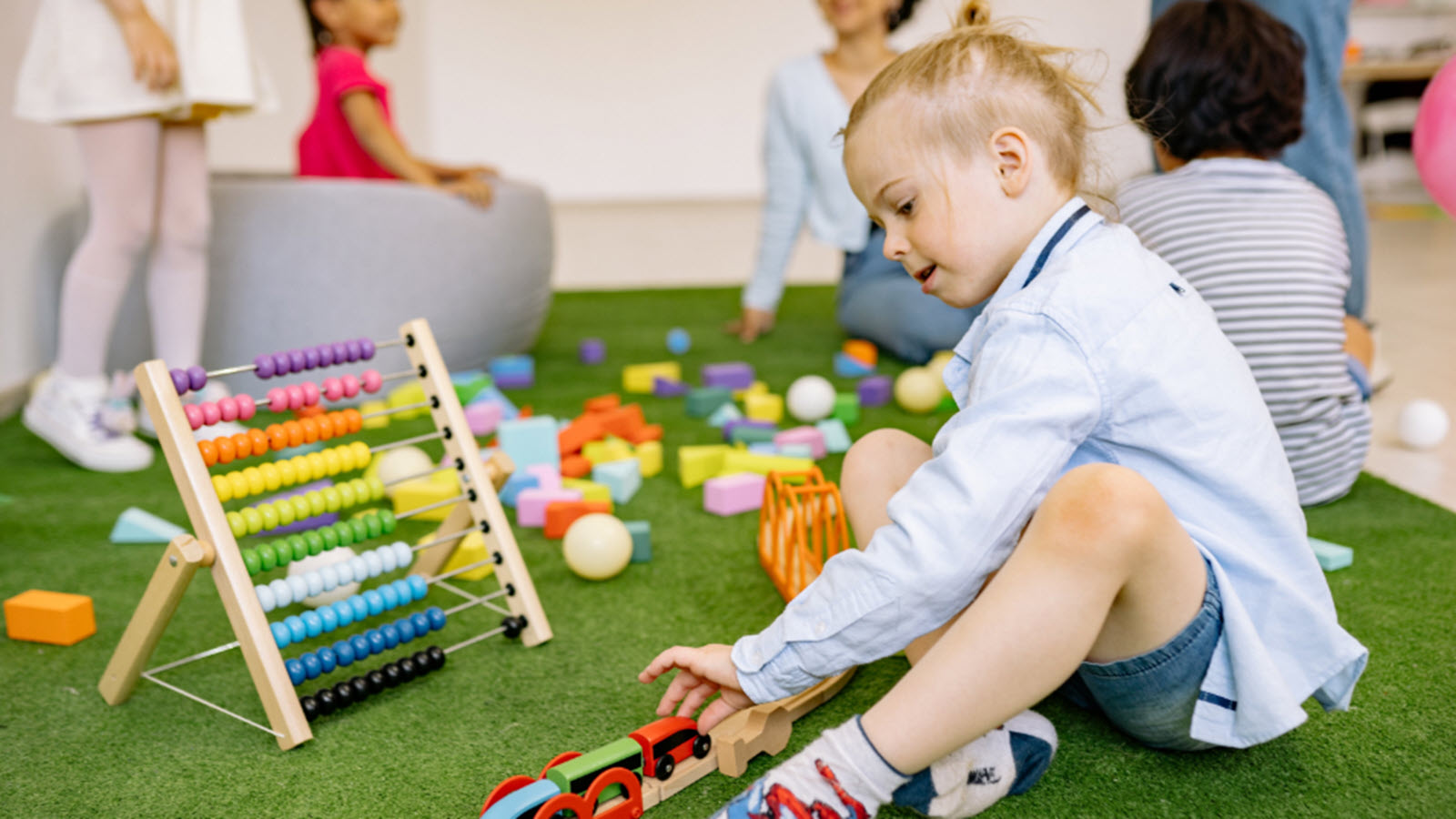
- Matching and memory games train visual attention and short-term recall. Kids flip cards or remember object locations. Each successful match reinforces the habit of careful looking and mental updating.
- Sequence and pattern games build auditory and sequential focus. Following a growing pattern of sounds or movements forces the child to listen closely and hold information while acting.
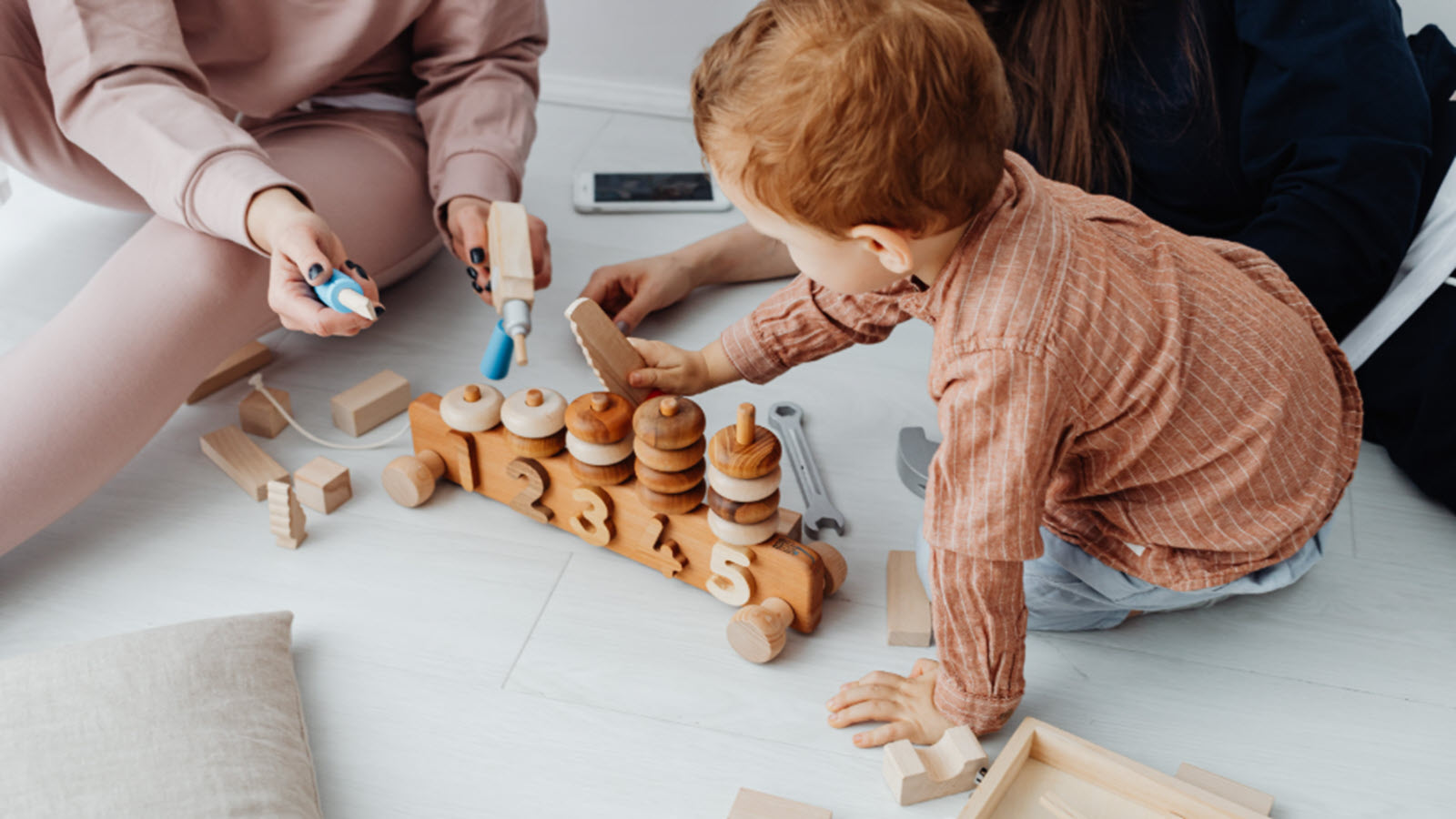
- Puzzle and spatial games develop sustained attention. Completing a jigsaw or arranging shapes keeps the mind locked on one goal for longer periods. Progress feels visible, which encourages persistence.
- Strategy games like simple board games strengthen planning and impulse control. Children learn to pause, think ahead, and resist the first idea that pops up.
- Inhibitory control games teach kids to stop and think. These skills pair well with emotional regulation games and confidence building games.
A mix of these types works best. Short daily sessions of varied educational games for kids keep the brain engaged without boredom.
Classic Games That Deliver Quick Focus Gains
Several time-tested games stand out for their simplicity and effectiveness. Simon Says requires careful listening. The child acts only when the phrase begins with the key words. This builds selective attention and the ability to filter instructions. Memory matching cards exercise visual tracking and working memory. Start with fewer pairs for younger kids and add more as skill grows. The act of searching and remembering locations trains concentration under light pressure.
Jigsaw puzzles demand sustained focus. Children must hold the overall image while testing individual pieces. Larger puzzles for older kids extend the practice time naturally. Spot-the-difference activities sharpen visual scanning. Finding small changes between two pictures trains the eyes and mind to notice details that matter. Freeze dance or similar movement games combine physical energy with sudden stops. Kids learn to control their bodies on cue, which supports better classroom behavior.
Word or number chain games keep older children engaged. Each player adds to a sequence while remembering previous contributions. This builds both memory and flexible thinking. These games need little equipment. Many can be played with household items or free printable versions, making them easy to start today alongside fun educational games for kids.
How Tutoclub Helps Kids Improve Focus Through Play
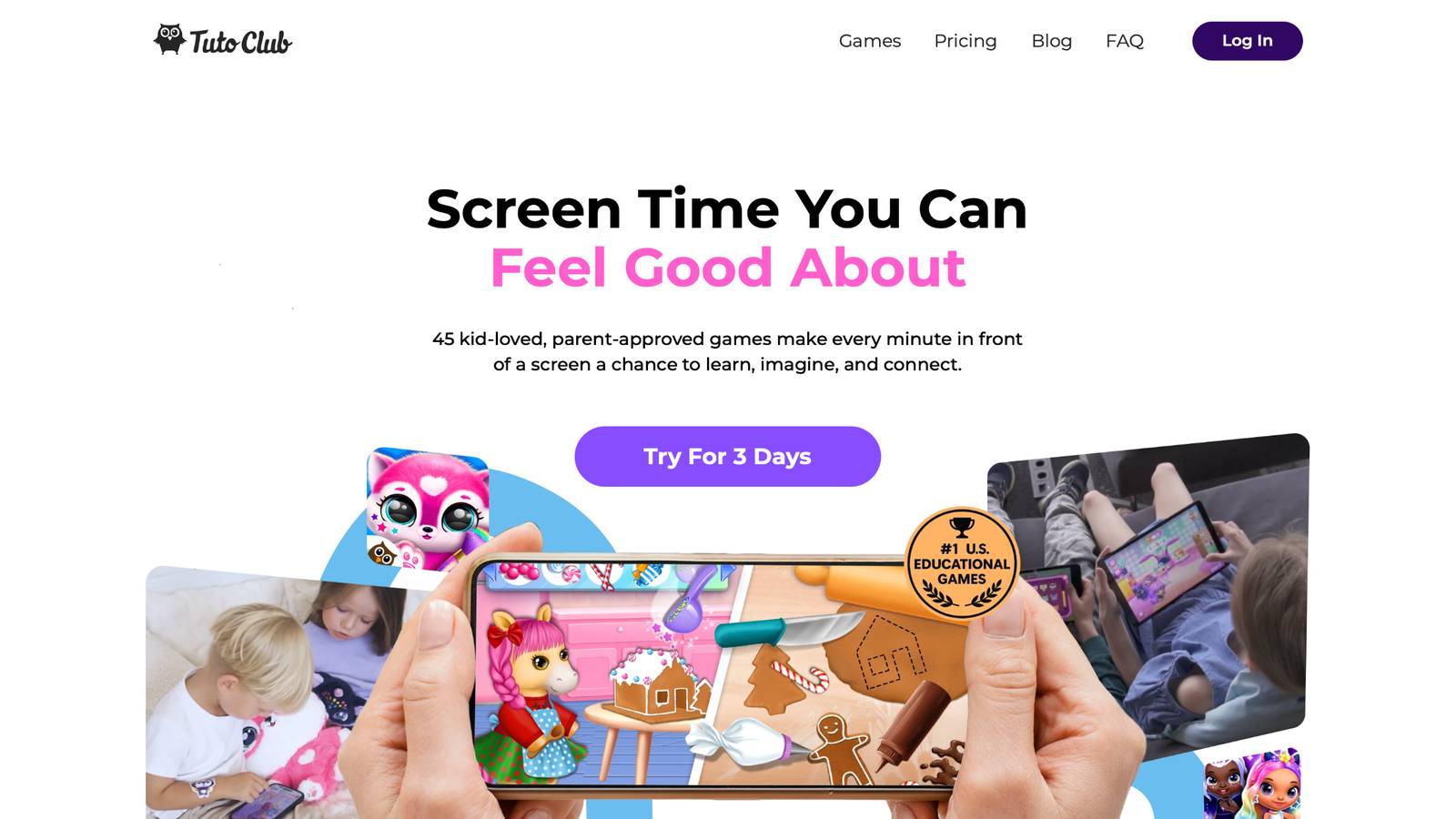
Tutoclub offers a subscription that unlocks more than 45 ad-free educational games designed for young children. The collection focuses on creativity, problem-solving, focus, and social-emotional growth through engaging play.
Games such as pet-care adventures include memory challenges and simple puzzles that encourage careful attention. Decorating and caring activities ask kids to plan steps, remember preferences, and stay with a task until it feels complete. Other titles invite storytelling, fashion design, or early learning of letters and numbers in playful contexts. Because the experience stays free of ads and interruptions, children can settle into deeper concentration. Parents gain peace of mind knowing the content is age-appropriate and built to support healthy development rather than just hold attention.
Many families use the games as short daily sessions that feel like fun rather than work. The variety lets parents match activities to a child’s current interests while still targeting focus skills. Multi-device access and offline play after download add flexibility for busy households. The approach aligns with the idea that learning through play builds lasting skills. Children practice patience, observation, and persistence while caring for characters or completing creative challenges.
TutoClub Overview
TutoClub is your gateway to a magical world of educational games designed especially for children.
As part of TutoTOONS, a leading kids' games studio, we offer premium access to over 45 ad-free games.
Our mission is to blend learning and play, helping kids explore, create, and grow in a safe online space.
Thousands of parents trust us for family-friendly content that sparks imagination and builds essential skills.
Key Features
- Unlimited Access: Unlock full content in all games with no interruptions.
- Ad-Free Experience: Enjoy seamless play without any ads or distractions.
- Skill Development: Games foster creativity, social skills, communication, and more through fun activities like pet care and cleanup challenges.
- Regular Updates: Get new releases, exclusive content, and future updates automatically.
- Easy Subscription: Cancel anytime with no obligations, simple and flexible for families.
Explore Our World
TutoClub provides a rich ecosystem of educational games for kids, featuring ad-free experiences that promote creativity, focus, and emotional growth through play.
This platform turns screen time into valuable learning opportunities, with parent-approved content that builds essential skills and sparks curiosity in young minds.
- TutoClub Games: Over 45 educational games, including popular titles like Fluvsies, Smolsies, and the Sweet Baby Girl series
- Blog: Insights, tips, and stories for families on kids' learning and play
- FAQ: Comprehensive answers to frequently asked questions about subscriptions, features, and more
Get TutoClub on Your Device
TutoClub delivers premium kids educational games directly to your mobile devices, making learning accessible anytime, anywhere.
With apps available on major platforms, families can easily download and subscribe for ad-free play that turns screen time into skill-building adventures.
Perfect for parents seeking safe, engaging content on iOS, Android, or Amazon devices.
Why Choose TutoClub?
We're committed to 100% safe, enriching entertainment that kids love and parents approve. Join the thousands who've seen their children thrive through playful learning.
Ready to start the adventure?
Try the collection of skill-building games that turn screen time into focused, joyful learning.
Practical Tips to See Faster Results
Consistency matters more than long sessions. Ten to fifteen minutes most days produces better gains than one long session on weekends. Match the difficulty to the child. Start easy enough for success, then gradually increase the challenge. Visible progress keeps motivation high.
Play together sometimes. Shared games create positive associations and let parents model focused behavior. Pair games with real-life applications. After a matching game, notice details on a walk. After a sequence game, follow multi-step instructions for a simple recipe. Watch for signs of frustration. Switch activities or take a short break if needed. Positive feelings support longer-term habit building.
Combine digital and physical options. A card game one day and a tablet puzzle the next keeps novelty high. Resources such as educational games for kids at home offer more ideas. Track small wins. Celebrate longer attention during homework or better listening at dinner. These real-world transfers reinforce the value of practice.
Age-Appropriate Choices for Steady Progress
Younger children (ages 2-5) benefit most from short, highly visual or movement-based games. Simple matching, freeze activities, and caring for virtual pets build foundational attention without overwhelming working memory. Start with educational games for toddlers, educational games for kids age 3, games for preschoolers, and educational games for 5 year olds.
School-age kids (6-8 and beyond) can handle longer puzzles, strategy elements, and multi-step challenges. Sequence games, more complex matching grids, and creative problem-solving titles extend focus time naturally. Helpful options include educational games for 6 year olds, educational games for 7 year olds, and best learning apps for kids 8 years old.
Observe the child’s engagement. If interest drops quickly, shorten the session or change the format. If they ask for more time, the activity is hitting the right level of challenge. Rotate games weekly so multiple brain systems stay active. Variety prevents plateaus and keeps practice enjoyable.
Supporting Focus Beyond Games
Sleep, movement, and nutrition all influence attention. Brain games work best when basic needs are met. Create a calm environment for practice. Reduce background noise and other screens during game time. Guidance on how to protect kids online helps keep digital play safe and balanced.
Use games as brain breaks during longer tasks. A quick matching round or freeze dance can reset attention before returning to homework. Talk about the skills. Simple comments like “You really stayed focused on that puzzle” help children notice their own growth. For families seeking structured support, curated collections of fun educational games and learning games remove the guesswork of finding quality options. Safe, purposeful play becomes part of the daily routine rather than another decision to make.
FAQ
How quickly can brain games improve a child’s focus?
Brain games for kids improve focus by giving the brain repeated practice in holding attention, filtering distractions, and updating information in working memory. Many children notice better concentration during the games themselves after only a few short sessions. Real-world gains, such as staying with homework longer or following multi-step instructions more easily, usually appear after steady daily practice over several weeks. Consistency with short sessions tends to produce steadier progress than occasional longer ones.
Are digital brain games as effective as physical ones?
Both digital and physical brain games can strengthen attention when they require sustained effort, memory, or impulse control. Physical games often add movement and social interaction that support self-regulation in younger children. Digital versions offer adaptive challenges and clear feedback that keep the difficulty just right. A mix of both types usually works well because variety keeps practice interesting and engages different brain systems. Choosing ad-free digital options helps maintain focus on the skill rather than interruptions, which is why many families turn to the best online educational games for children.
What if my child loses interest quickly?
Start with very short sessions and games that feel easy enough for quick success. Celebrate small wins so the child feels capable. Rotate activities regularly so novelty stays high and different attention skills get practiced. Match the game to something the child already enjoys, such as caring for characters or creating designs. Interest often grows once the child experiences competence and visible progress, especially with the best learning through play examples.
Can brain games help children who struggle with attention more than others?
Games that practice inhibitory control, working memory, and sustained attention support the same skills many children with focus challenges need. Matching, sequence, and freeze-style activities train the ability to pause, remember, and stay with a task. These games offer a low-pressure way to build capacity through enjoyable repetition. They work best as part of a balanced routine that also includes movement, sleep, and calm environments. Positive, consistent experiences help children develop confidence alongside the skills.
How do I choose the best brain games for my family?
Look for activities that match your child’s age and current abilities, give clear feedback, and stay free of heavy distractions. Memory matching for children, sequence games, puzzles, and simple strategy activities cover the main attention skills. Collections that combine multiple skill areas in one safe platform make it easier to keep practice varied and ongoing. Observe engagement levels and adjust difficulty so the child stays challenged but successful. Rotating formats between digital and physical options helps maintain long-term interest, which is why age-specific options are helpful starting points.
Read Also:
- Best Memory Games for Kids
- Best Learning Through Play Activities
- Best Social Emotional Games for Kids
- Best Educational Games for Kids
- Best Learning Through Play Examples
- Best Emotional Regulation Games for Kids
- Best Kids Educational Games
- Best Safe Apps for Kids
Discover educational games that help kids improve focus and creativity through play.