
Kids Learning Through Play With a Balanced Daily Routine





Kids learning through play works best via a balanced daily routine. Free play, short learning moments, movement, meals, and rest help children feel secure, build skills, and stay curious. Simple structure turns everyday time into growth without pressure.
Within that balanced routine, parents can weave in the best educational games for kids during short learning windows and the best learning games for kids that keep curiosity high. Creative free-play slots also benefit from the best dress up games for girls online, while the best problem-solving games for kids turn everyday challenges into confident skill practice.
Discover how play-focused tools support kids learning through play with a balanced daily routine.
Why Play Matters Most for Young Learners
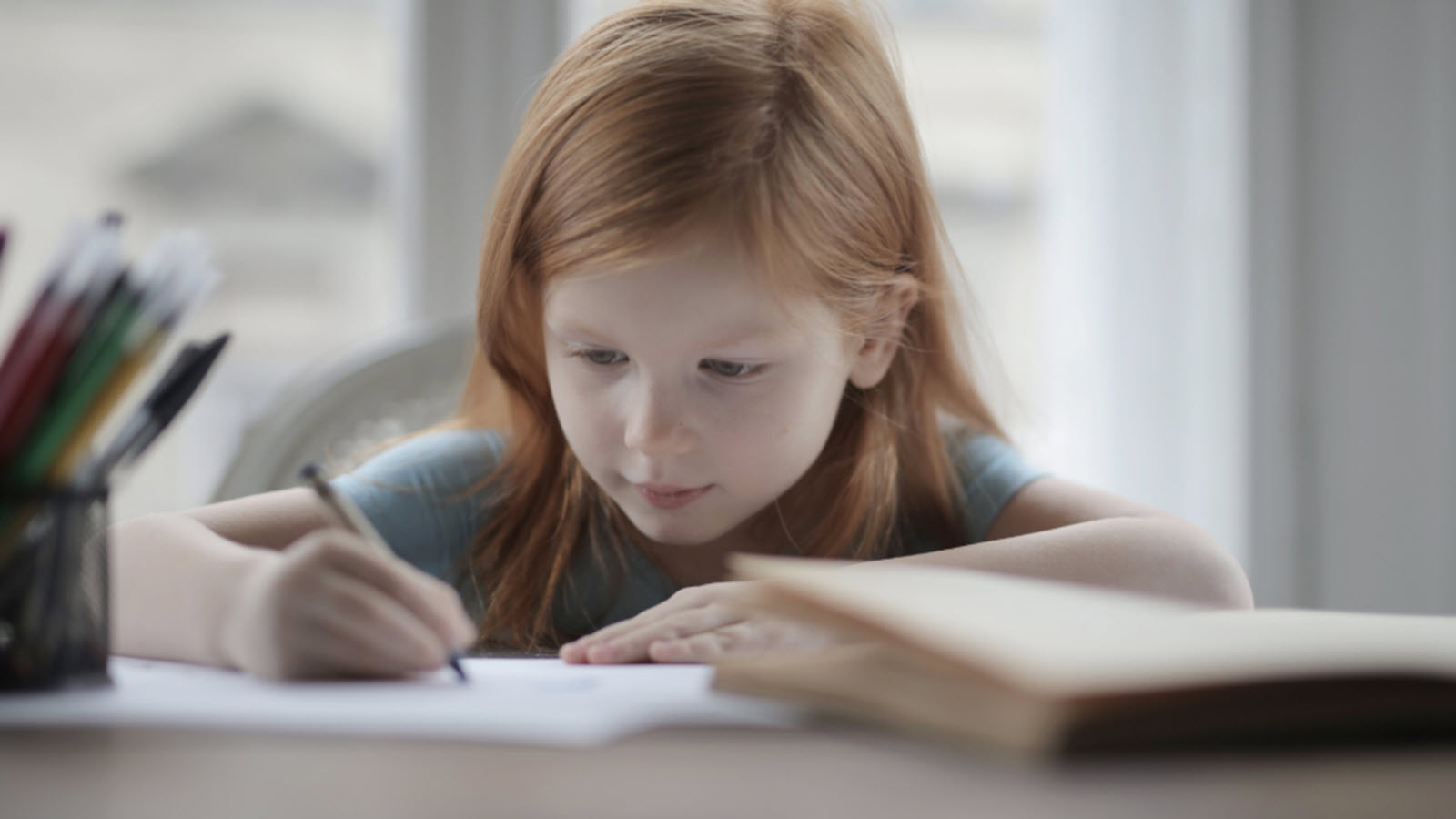
Play is how children make sense of the world. Through play they practice language, try out ideas, solve small problems, and learn to manage feelings. Free play lets kids lead. They invent stories, build with blocks, or pretend to run a store. This builds creativity and independence, much like the approaches found in the best learning through play activities.
Guided play adds gentle support. An adult might join a game or set out materials that invite counting, sorting, or storytelling. Both kinds work well together. Playful experiences support brain growth, social skills, and emotional strength. Children who get regular play time often show stronger focus and better cooperation with others. Ideas that strengthen these areas appear in the best brain games and the best social-emotional games.
Physical play develops large muscles and coordination. Quiet play with puzzles or drawing strengthens small hand muscles and concentration. Outdoor play adds fresh air and space to move freely. Indoor play works just as well with simple household items. The key is variety and enough time for kids to settle into an activity without constant interruption. Collections of educational games and memory games offer additional ways to support these skills through play.
How a Balanced Daily Routine Supports Learning Through Play
A balanced daily routine gives children a sense of what comes next. Predictable patterns reduce worry and free up energy for exploration. The day flows better when active times alternate with quieter ones, and when free play sits beside short periods of more focused activity. Practical examples of this balance can be seen in the best learning through play examples.
Core parts of a helpful routine include:
- Consistent wake-up and bedtime times
- Regular meals and snacks
- Blocks of free play
- Short learning or creative sessions
- Outdoor or active movement time
- Quiet rest or nap periods
- Family connection moments
Many parents notice fewer struggles during transitions once the rhythm becomes familiar. Kids start to anticipate the next step and often join in more willingly. Flexibility remains important. A routine should bend for special days, weather, or a child’s energy level without losing its overall shape. A family weekly planner free download can help keep that structure clear and adaptable.
Sample Daily Flow for Different Ages
Younger children need shorter activity blocks and more frequent rest. Older preschoolers can handle slightly longer focus times. The order below works as a flexible guide rather than a strict clock.
- Morning: Start with a calm wake-up, hygiene, and breakfast. Follow with free indoor play or outdoor time while energy is high. Add a short circle of songs, stories, or simple games.
- Midday: Include a learning or creative activity such as drawing, building, or pretend play with a gentle goal. Then move to lunch and rest or quiet time.
- Afternoon: Offer more free play, outdoor movement, or sensory activities. Keep transitions smooth with simple signals like a song or timer.
- Evening: Focus on family time, dinner, bath, and a calm bedtime routine with books or soft talk. This wind-down helps bodies and minds prepare for sleep.
Adjust the flow to fit your household. Some children thrive with visual schedules that show pictures of each part of the day. Others do well with verbal reminders. The goal is predictability mixed with room for play to lead. Options that support learning at home, such as educational games for kids at home, fit easily into these blocks.
Practical Ways to Weave Learning Into Everyday Play
Learning through play does not require special equipment. Everyday moments offer rich chances. During meals, count pieces of fruit or talk about colors and textures. While getting dressed, practice sequencing by naming each step. Outdoor walks become scavenger hunts for shapes or sounds. Chores turn into games when kids sort laundry by color or match socks.
Pretend play builds language and social skills. A cardboard box becomes a spaceship or store. Dolls and stuffed animals invite caretaking stories that practice empathy. Building materials support planning and problem solving as towers rise and fall. These everyday approaches align with the ideas in the best learning through play and the best confidence building games.
Short focused sessions work best. Follow the child’s interest. If they dig into mud, talk about textures and tools. If they line up cars, count them together. Screen time can fit into a balanced routine when it supports learning. Carefully chosen games that invite creativity, problem solving, and emotional skills can add value when used in limited, purposeful ways, including those highlighted in brain games for kids.
Creating Space for Free Play and Rest
Unstructured free play deserves protected time. Many children need stretches of uninterrupted play so ideas can develop fully. Adults can stay nearby without directing every move. This builds confidence and independence. Guidance on supporting emotional balance during these times appears in emotional regulation games for kids.
Rest is equally important. Quiet time, naps, or calm activities recharge bodies and minds. After active play, a slower pace helps children process what they experienced. Consistent rest supports better mood and focus later in the day. Balance also means mixing social play with alone time. Some children need space to recharge after group activities. Others seek more interaction. Watching your child’s cues helps you adjust. Resources focused on social-emotional games for kids and memory games for kids can complement both free play and quieter moments.
Common Challenges and Simple Solutions
Busy households sometimes struggle to keep routines steady. Start small. Choose two or three anchors such as meal times and bedtime, then add play blocks around them. A simple planning tool can make this easier. Transitions can bring resistance. Give gentle warnings a few minutes ahead. Use the same short phrase or song each time so the signal becomes familiar.
Energy levels vary. On high-energy days, lean into outdoor or active play. On quieter days, offer more sensory or creative options. Involve children in planning when possible. Letting them choose between two play activities builds cooperation. Collections such as the best educational games for kids and the best games for preschoolers provide ready ideas that keep the play portions engaging.
Weather or space limits need creative solutions. Indoor obstacle courses, dance parties, or pillow forts keep movement alive. Simple materials like paper, crayons, and household objects open endless play possibilities.
How Tutoclub Fits Into a Balanced Daily Routine
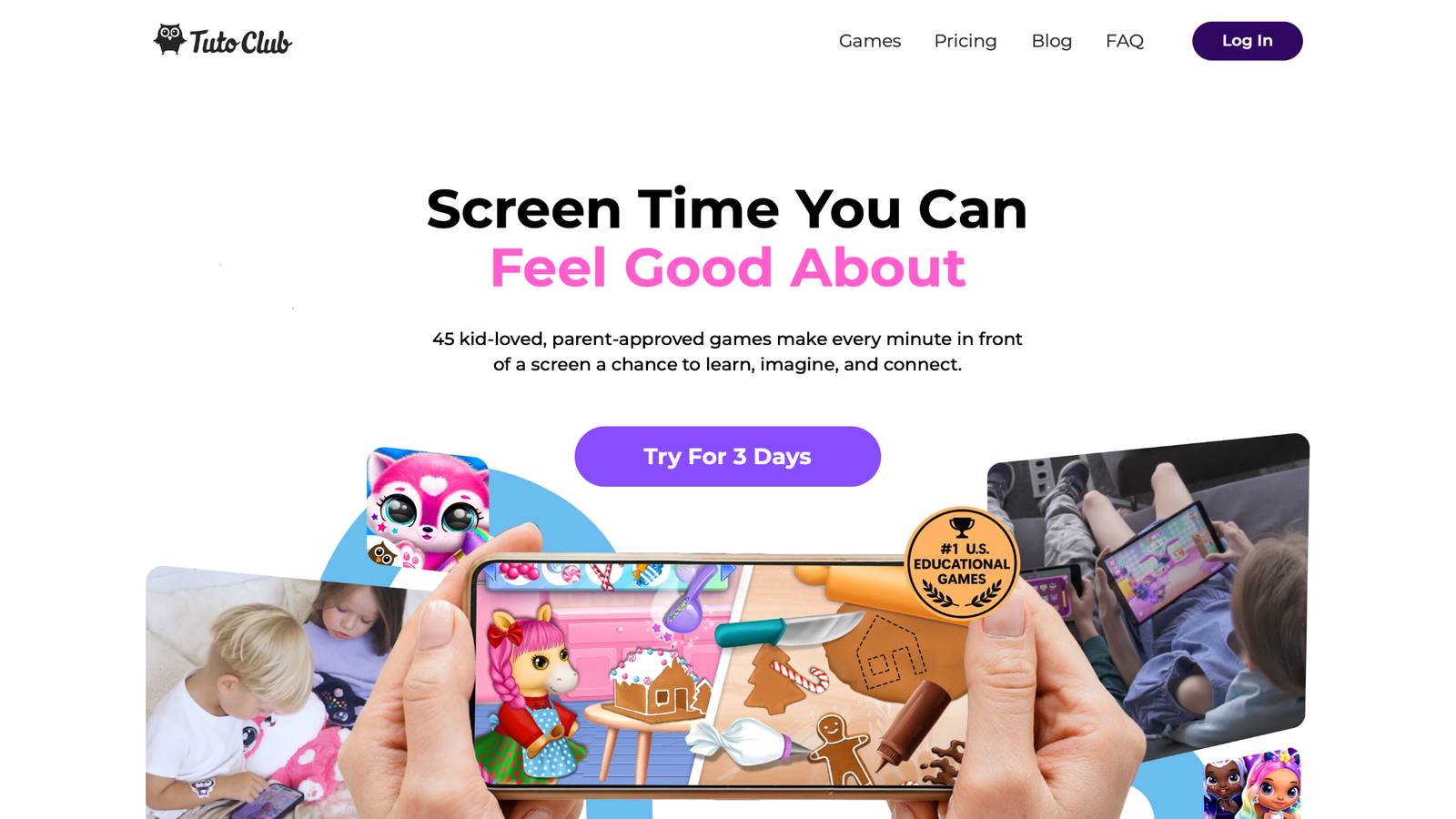
Tutoclub offers a collection of educational games designed for kids. The games focus on creativity, focus, problem solving, and social-emotional skills through playful experiences. Families use them as one part of a larger routine that also includes free play, outdoor time, rest, and family connection.
Many parents appreciate the ad-free design and the way the games encourage learning while kids have fun. The subscription unlocks access across multiple devices so play can happen at home in short, intentional sessions. Games cover themes like caring for characters, building, sorting, and storytelling that align with real-world skill building.
When screen time is limited and purposeful, it can complement hands-on play rather than replace it. A short session with thoughtful games can sit between outdoor time and quiet reading, for example. This keeps the overall day balanced and rich in different kinds of learning. Parents looking for safe, skill-building digital play often find that options like these support the same goals as traditional toys and outdoor exploration. The full range is available through TutoClub’s games.
TutoClub Overview
TutoClub is your gateway to a magical world of educational games designed especially for children.
As part of TutoTOONS, a leading kids' games studio, we offer premium access to over 45 ad-free games.
Our mission is to blend learning and play, helping kids explore, create, and grow in a safe online space.
Thousands of parents trust us for family-friendly content that sparks imagination and builds essential skills.
Key Features
- Unlimited Access: Unlock full content in all games with no interruptions.
- Ad-Free Experience: Enjoy seamless play without any ads or distractions.
- Skill Development: Games foster creativity, social skills, communication, and more through fun activities like pet care and cleanup challenges.
- Regular Updates: Get new releases, exclusive content, and future updates automatically.
- Easy Subscription: Cancel anytime with no obligations, simple and flexible for families.
Explore Our World
TutoClub provides a rich ecosystem of educational games for kids, featuring ad-free experiences that promote creativity, focus, and emotional growth through play.
This platform turns screen time into valuable learning opportunities, with parent-approved content that builds essential skills and sparks curiosity in young minds.
- TutoClub Games: Over 45 educational games, including popular titles like Fluvsies, Smolsies, and the Sweet Baby Girl series
- Blog: Insights, tips, and stories for families on kids' learning and play
- FAQ: Comprehensive answers to frequently asked questions about subscriptions, features, and more
Get TutoClub on Your Device
TutoClub delivers premium kids educational games directly to your mobile devices, making learning accessible anytime, anywhere.
With apps available on major platforms, families can easily download and subscribe for ad-free play that turns screen time into skill-building adventures.
Perfect for parents seeking safe, engaging content on iOS, Android, or Amazon devices.
Why Choose TutoClub?
We're committed to 100% safe, enriching entertainment that kids love and parents approve. Join the thousands who've seen their children thrive through playful learning.
Ready to start the adventure?
Bring more purposeful play into your child’s balanced daily routine today.
Tips for Making the Routine Stick
Keep the structure simple and consistent. Visual aids help many children understand the flow of the day. Celebrate small successes with specific praise such as “You built that tower carefully” rather than general comments.
Review the routine every few weeks. As children grow, their needs change. What worked for a toddler may need adjustment for a preschooler. Stay flexible while holding the core pattern. Support for growing skills can be found in the best responsibility games, the best problem solving games, and the best confidence building games.
Involve the whole family when possible. Shared play and calm evenings strengthen bonds and model healthy habits. Remember that perfection is not the goal. A mostly steady rhythm with room for fun and rest already gives children strong support for learning through play. Additional practical ideas continue to appear across the broader set of resources on the TutoClub blog.
FAQ
What makes a daily routine balanced for kids learning through play?
A balanced daily routine mixes free play, short guided activities, movement, meals, rest, and family connection so children feel secure while still following their curiosity. Predictable patterns help kids know what comes next, which frees energy for exploration and reduces everyday stress. Active periods alternate with quieter ones to match natural energy levels throughout the day. Free play stays central because it lets children practice language, problem solving, and emotional skills in ways that feel natural. Flexibility remains part of the structure so the routine can adjust to a child’s interests or the family’s needs without losing its helpful rhythm, as shown in learning through play activities.
How much free play time do young children need each day?
Young children benefit from generous stretches of free play spread across the day so ideas can develop fully without constant interruption. These open periods support creativity, independence, and social growth as kids invent stories, build, or pretend. Outdoor movement and indoor exploration both count toward this time and help develop physical skills alongside thinking skills. Adults can stay nearby to offer materials or join gently while letting the child lead. Protecting these blocks within a larger routine keeps play as the main path for learning rather than filling every moment with directed tasks, with clear examples available in learning through play examples.
Can educational games support learning through play in a routine?
Fun educational games can support learning through play when they invite creativity, problem solving, caring for characters, or storytelling in short, purposeful sessions. They work best as one element inside a day that also includes hands-on free play, outdoor time, rest, and family interaction. Quality options focus on skill building while remaining calm and engaging. Limited use keeps screen experiences aligned with the same goals as traditional toys and outdoor exploration. This approach helps maintain overall balance so digital play complements rather than replaces other valuable activities.
How can parents handle resistance to routines?
Parents can start with only a few consistent anchors such as meal times and bedtime, then gradually add play and rest blocks around them. Clear, calm warnings a few minutes before transitions help children prepare and reduce pushback. Offering limited choices between two play activities gives kids a sense of control while keeping the structure intact. Specific praise for cooperation, such as noticing careful building or helpful cleanup, encourages positive habits over time. Familiarity usually softens resistance as children learn what to expect and feel more secure in the daily flow, and age-friendly ideas appear in mobile games for kids.
What if our schedule changes often?
Families can build a core pattern that travels with them by keeping wake-up, meal, and bedtime times as steady as possible even when locations shift. Portable play materials and simple signals work across different settings so the overall rhythm stays familiar. Explaining changes ahead of time in clear, simple language helps children adapt more easily. Visual cues or short verbal reminders can replace a fixed clock when days look different. Holding onto these steady elements supports learning through play even during busy or unpredictable periods.
Read Also:
- Best Learning Through Play Activities
- Best Learning Through Play Examples
- Best Brain Games For Kids
- Family Weekly Planner Free Download
- Best Educational Games for Kids
Discover how play-focused tools support kids learning through play with a balanced daily routine.