
Why Kids Educational Games Boost Learning






Kids educational games boost learning by turning play into real skill building. Children pick up focus, problem solving, creativity, and emotional awareness when lessons hide inside fun activities. Parents find these games help kids practice letters, numbers, and kindness without pressure.
Parents looking to expand on these benefits can explore targeted options like the best English learning apps for kids, which strengthen vocabulary and reading through interactive play, alongside the best problem-solving games for kids that sharpen logical thinking. For emotional growth, the best social-emotional games for kids encourage empathy and self-regulation, while the best memory games for kids improve concentration and recall in engaging ways.
Start building stronger learning habits with safe educational play today.
How Educational Games Support Brain Development
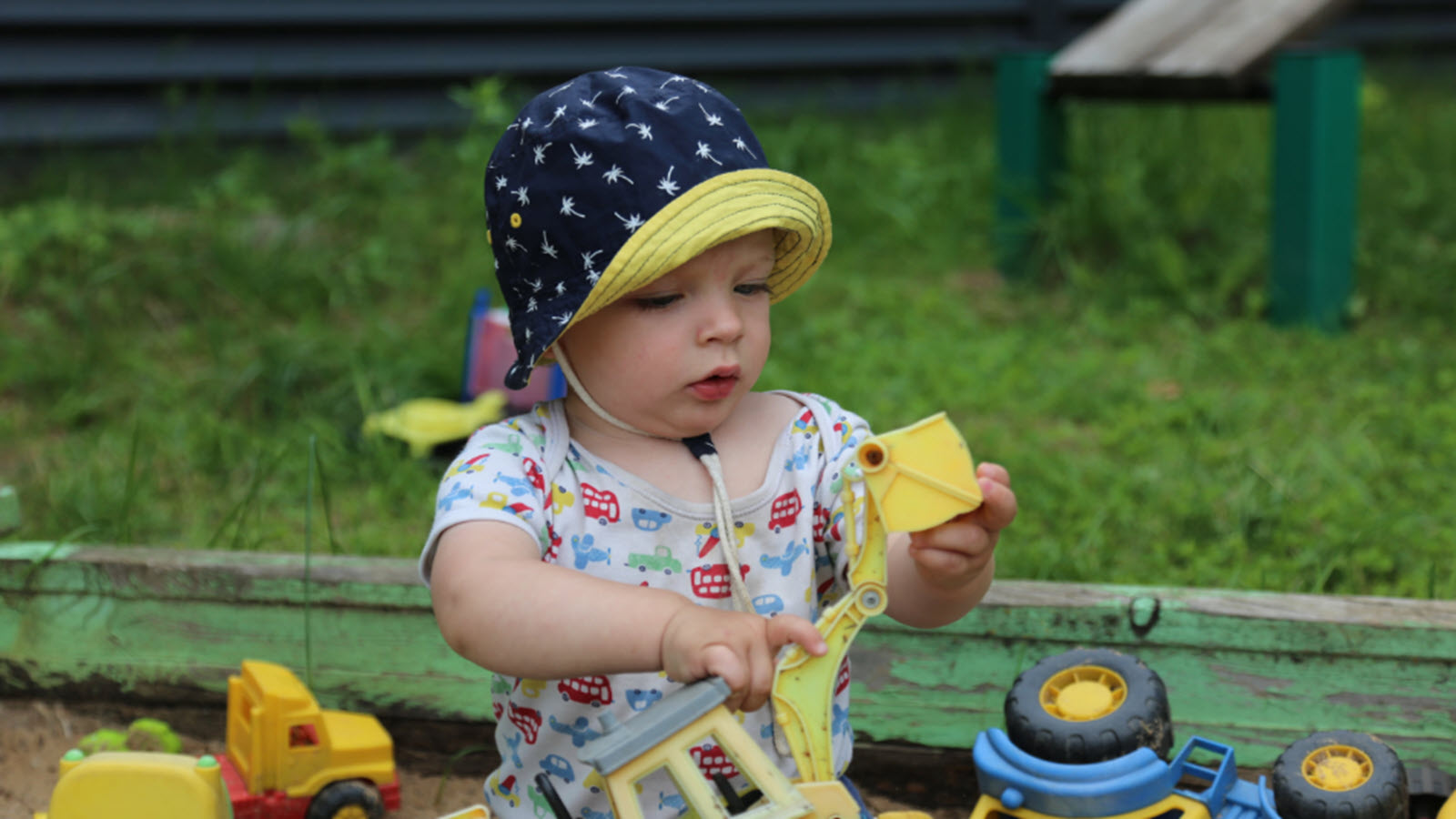
Young brains grow through active use. Kids educational games ask children to make choices, remember patterns, and adjust plans. This strengthens working memory and attention in ways quiet worksheets often miss. When a child matches shapes or cares for a virtual pet, the brain forms stronger connections around those tasks. Puzzle style games improve spatial thinking, as seen in many memory games for kids. Story and care games build sequencing skills found across educational games. Play also creates a safe place to fail. Children try, adjust, and try again without fear of a red mark. That cycle builds persistence. Over time the same habits help with school tasks that need concentration and flexible thinking, similar to approaches highlighted in learning through play activities and learning games for kids.
Building Motivation and a Love of Learning
Traditional lessons can feel like work. Educational games online change the feeling. Rewards, levels, and colorful feedback keep kids coming back. The drive comes from inside the activity rather than from adult reminders. A child who struggles with counting may keep playing a pet care game that uses numbers in natural ways. The same child who resists letter practice may happily spell words to unlock new characters. This positive loop matters. Children who enjoy the process develop a lasting interest in learning. They approach new challenges with more confidence because success feels possible and fun, a benefit shared with many fun educational games for kids.
Strengthening Problem Solving and Critical Thinking
Every good educational game presents a small challenge. Kids must figure out the next step. They test ideas, notice what works, and change course when needed. Care routines teach cause and effect. Cleaning or organizing games show how order solves everyday problems, much like the real-life practice in chore games for real-life skills through play. Fashion or design activities ask children to plan and revise. These experiences train the same thinking skills used in math word problems or science experiments. Many parents notice their children start solving real life puzzles with more patience after regular play. The games give repeated low stakes practice that builds flexible thinking, supported by collections such as the best online educational games for kids and the best problem solving games for kids.
Supporting Social and Emotional Growth
Play is how children practice feelings and relationships. Kids educational games often center on caring for characters, sharing spaces, or showing kindness. Babysitting style games let kids practice empathy by responding to needs. Pet care games encourage responsibility and gentle handling. Group or character interaction features help children notice emotions in others, as explored in social emotional games for kids. These moments support emotional awareness and self regulation. Children learn to wait, take turns in shared play, and recover from small setbacks. The skills transfer to family life and classroom friendships. Parents often report calmer responses and better understanding of feelings after consistent use of well designed games, including those focused on emotional regulation games and confidence building games.
Improving Focus and Attention Skills
Screens can scatter attention when content jumps quickly. Thoughtful educational games work the opposite way. They ask children to stay with one task long enough to finish it. Memory matching, pattern following, and multi step care routines train sustained attention. The brain practices filtering distractions and holding information. Over repeated sessions many children show better ability to concentrate on non digital tasks as well. This focus practice proves especially useful for younger kids still developing the ability to stick with an activity, and it aligns with the design of many educational games for toddlers and educational games for kindergarten.
How Tutoclub Delivers These Benefits
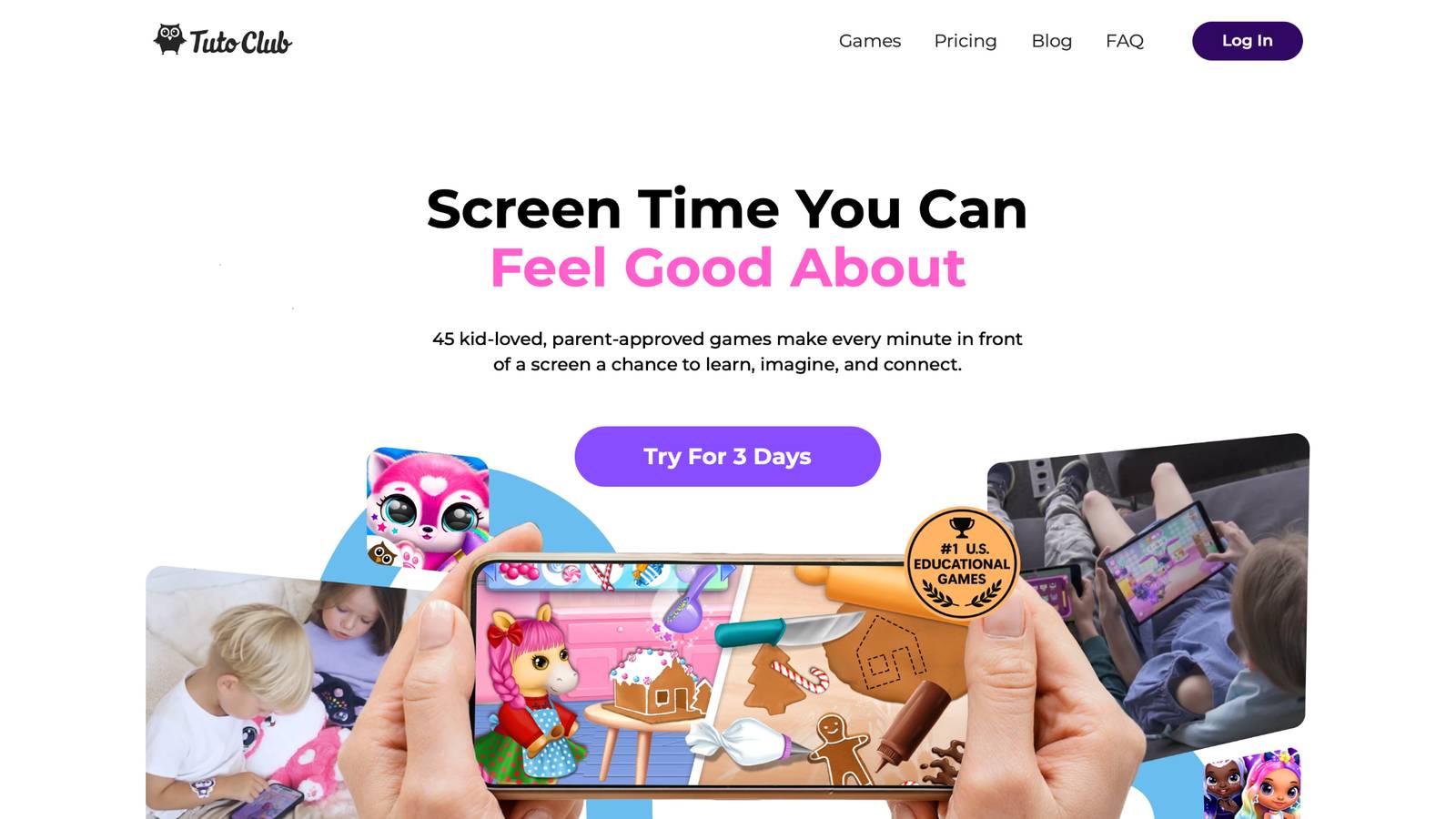
Tutoclub offers one subscription that unlocks more than 45 ad free educational games designed for young children. Each title focuses on practical growth areas such as creativity, focus, problem solving, empathy, and early academic skills.
Games like pet care adventures, cleaning routines, fashion play, and babysitting stories give kids hands-on practice in a calm, family friendly environment. Parents get multi-device access, offline play after download, and content free from ads or in app purchases. The approach matches what research shows works best: joyful, active, meaningful play that supports both cognitive and emotional development. Families use the collection to replace passive screen time with purposeful activity that children request again and again.
TutoClub Overview
TutoClub is your gateway to a magical world of educational games designed especially for children.
As part of TutoTOONS, a leading kids' games studio, we offer premium access to over 45 ad-free games.
Our mission is to blend learning and play, helping kids explore, create, and grow in a safe online space.
Thousands of parents trust us for family-friendly content that sparks imagination and builds essential skills.
Key Features
- Unlimited Access: Unlock full content in all games with no interruptions.
- Ad-Free Experience: Enjoy seamless play without any ads or distractions.
- Skill Development: Games foster creativity, social skills, communication, and more through fun activities like pet care and cleanup challenges.
- Regular Updates: Get new releases, exclusive content, and future updates automatically.
- Easy Subscription: Cancel anytime with no obligations, simple and flexible for families.
Explore Our World
TutoClub provides a rich ecosystem of educational games for kids, featuring ad-free experiences that promote creativity, focus, and emotional growth through play.
This platform turns screen time into valuable learning opportunities, with parent-approved content that builds essential skills and sparks curiosity in young minds.
- TutoClub Games: Over 45 educational games, including popular titles like Fluvsies, Smolsies, and the Sweet Baby Girl series
- Blog: Insights, tips, and stories for families on kids' learning and play
- FAQ: Comprehensive answers to frequently asked questions about subscriptions, features, and more
Get TutoClub on Your Device
TutoClub delivers premium kids educational games directly to your mobile devices, making learning accessible anytime, anywhere.
With apps available on major platforms, families can easily download and subscribe for ad-free play that turns screen time into skill-building adventures.
Perfect for parents seeking safe, engaging content on iOS, Android, or Amazon devices.
Why Choose TutoClub?
We're committed to 100% safe, enriching entertainment that kids love and parents approve. Join the thousands who've seen their children thrive through playful learning.
Ready to start the adventure?
Give your child access to skill building educational games that make every play session count.
Choosing Games That Truly Support Learning
Not all digital activities deliver the same results. Look for games that embed learning inside the core play loop rather than adding quizzes on top. Clear goals, immediate feedback, and room for experimentation mark stronger options. Age appropriate design matters. Games for younger children should use simple controls and short sessions. Safety features such as no external links and privacy protections keep the experience secure. A single subscription that covers many titles reduces the need to manage separate purchases and keeps content consistent. Parents can rotate games to match current interests while still hitting key skill areas, drawing from guides like educational games for kids at home and learning through play examples.
Practical Ways to Use Educational Games at Home
Set a short daily window and join the play when possible. Talking about what the child discovers strengthens the learning. Connect game moments to real life, such as counting toys after a number game or talking about feelings after a care activity. Balance digital play with outdoor time, books, and free play. Use the games as one tool among several rather than the only activity. Track which skills improve over weeks and adjust the selection accordingly, using insights from learning through play activities and fun educational games for kids.
FAQ
Do educational games really help with school readiness?
Kids educational games boost learning by practicing the same early skills teachers look for in school readiness, such as letter and number recognition, focus, and following multi-step directions. Through playful activities like matching patterns or caring for characters, children build working memory and sequencing abilities that transfer to classroom tasks. The low-pressure setting lets them experiment and improve without the stress of formal tests, which often strengthens confidence around learning. Many parents notice smoother transitions into structured activities after regular play with well-designed titles. These experiences support both academic foundations and the emotional readiness needed for group settings.
How much time should kids spend on educational games?
Short, focused sessions work best for turning screen time into meaningful skill practice with educational kids games. Ten to fifteen minutes of intentional play often produces stronger results than longer unstructured periods because children stay engaged and process the activity fully. Pairing digital play with books, outdoor time, and hands-on activities keeps overall balance and prevents overstimulation. Consistency matters more than length, so daily or near-daily use of games that target focus and problem solving, helps habits form gradually. Parents can adjust based on the child’s age and energy while keeping the experience positive and purposeful.
Are ad free educational games safer for young children?
Ad-free educational games create a calmer environment free from interruptions, commercial messages, and unexpected content that can distract or overwhelm young players. Without ads or in-app purchase prompts, children stay focused on the learning elements such as puzzles, care routines, or creative challenges found across safe apps for kids. This setup also reduces privacy risks and keeps the experience aligned with family-friendly goals. Platforms that remove these elements make it easier for parents to trust the content and support healthy digital habits. The result is screen time that prioritizes growth in creativity, empathy, and attention skills.
Can educational games help children who struggle with traditional lessons?
Yes, educational games often reach children who find worksheets or lectures challenging by presenting the same concepts through interactive play and immediate feedback. Kids can retry levels at their own pace, which builds persistence and reduces anxiety around mistakes. Visual and hands-on formats support different learning styles, helping visual or kinesthetic learners grasp ideas more easily. Activities that embed letters, numbers, or problem solving inside stories and care tasks make practice feel natural rather than forced. Over time this approach rebuilds confidence that carries into other learning situations, much like the support found in confidence building games.
What skills grow most from regular play with educational games?
Regular use of kids educational games strengthens focus, problem solving, creativity, and emotional awareness through repeated, low-stakes practice. Puzzle and pattern activities improve attention and flexible thinking, while care and role-play games develop empathy and responsibility as seen in the best emotional regulation games for kids. Creative tools such as decorating or designing encourage self-expression and original ideas. Many children also gain better persistence because they learn to adjust after small setbacks inside the game. These combined abilities support both school tasks and everyday interactions in a natural way.
Read Also:
- Best Educational Games for Kids
- Chore Games for Real-Life Skills Through Play
- Parents Guide to Safe Skill-Building Apps for Toddlers
- Best Learning Games for Kids
- Best Social Emotional Games for Kids
Start building stronger learning habits with safe educational play today.