
Turning Educational Online Games for Kids into Real Learning






Educational online games for kids turn screen time into real learning when skills like problem-solving, creativity, focus, and empathy sit inside the play itself. Kids grow while caring for characters or solving simple challenges. The curated collection of skill-building games keeps everything ad-free and purposeful.
Parents looking for age-appropriate options can start with the best educational games for 2-year-olds, then move on to the best educational games for kids age 3, the best educational games for kids 4 years old online, and the best educational games for 5-year-olds to match each developmental stage with purposeful, skill-building play.
Discover how quality educational online games for kids turn everyday play into lasting learning.
What Separates Real Learning Games from Simple Edutainment

Not every app labeled “educational” helps kids grow. Some wrap basic drills in bright colors and sounds. The child answers a question, then gets a short reward. The learning stays separate from the fun.
Real educational kid games work differently. The skill itself becomes the way to play. When a child cares for a virtual pet, they practice routines, notice needs, and make choices. When they decorate a space or finish a simple puzzle, they plan steps and try new ideas. The feedback comes right away from the game world, not from a separate quiz.
Look for games that let kids create or decide something meaningful. Open activities where children build, care, or explore beat closed loops that only ask for the same answer again and again. Games that support early learning through playful care and simple challenges often help children practice kindness, memory, and focus without feeling like schoolwork. Ideas like those in learning through play activities and fun educational games show how the play itself carries the skill.
Parents can check a few clear signs. Does the child keep playing after the first few minutes because the activity itself feels good? Can they talk about what they did and why? Those moments show the game is building something that lasts.
Skills Kids Build When Learning Stays Inside the Play
Good educational online games for kids support more than one area at once. Creativity grows when children design looks, invent stories, or choose how to care for a character. They try ideas, see what happens, and adjust. This matches the open play style found in learning games for kids and kids educational games.
Problem-solving for kids appears in small daily tasks inside the game. Sorting items, following steps to clean a space, or figuring out what a pet needs next teaches planning and flexibility. Focus improves because the child stays with one activity long enough to finish a goal. Many games keep the pace calm so attention can stretch without overload. Memory games often support this steady attention.
Social and emotional skills develop when kids care for characters. They notice feelings, practice gentle responses, and learn that actions have results. Empathy starts in these simple interactions. Strong examples live in the best social emotional games for kids, the best emotional regulation games for kids, the best emotional games for kids, and the best confidence building games.
Early literacy and number sense can appear naturally. Matching letters, counting objects, or following simple sequences happens while the child plays rather than in a separate lesson. These gains feel strongest when the game stays free of interruptions. Ads and sudden pop-ups break the flow and pull attention away from the learning moment. Safety-focused options help keep the space clear.
How Parents Can Guide Play Toward Deeper Learning
Playing together changes everything. Sit nearby for a few minutes and ask simple questions. “What is your pet doing now?” “How did you decide to clean that room first?” Short talks help the child put the experience into words and connect it to real life. Guidance on shared moments appears in learning through play examples.
Extend the play offline. After a cleaning game, invite the child to help with a real tidy-up task and notice the same steps. After a care game, talk about how people and animals need kindness. These links turn screen moments into family habits. Set a clear start and end. Agree on a time, then switch to something physical or creative. Many families find that a short, focused session works better than long open-ended screen time.
Choose games that match the child’s age and interests. Younger children often enjoy care and simple matching. Slightly older kids may like more choices and small challenges. Watch how your child responds and switch when interest fades. Age-matched ideas include educational games for toddlers, games for preschoolers, educational games for 5 year olds, and educational games for 6 year olds. Keep the device in a shared space when possible. This makes it easy to join in and keeps the experience social instead of isolating. Tips for safer screen habits appear in how to protect kids online.
How Tutoclub Turns Educational Online Games for Kids into Real Learning
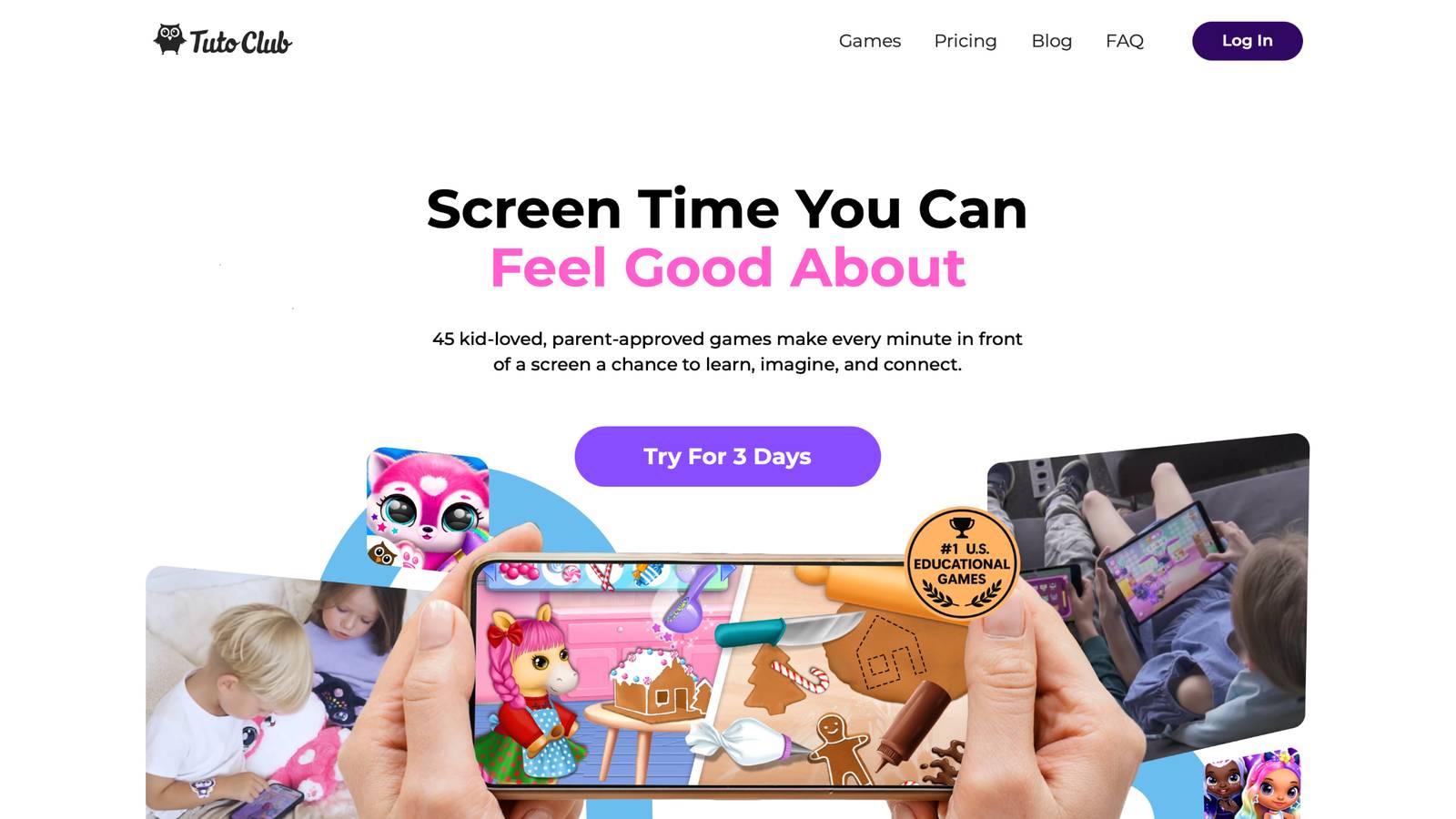
TutoClub gives families one simple way to make screen time useful. One subscription unlocks more than forty-five educational games created for young children. Every game stays completely ad-free. In-app purchases stay unlocked. Kids can play offline after the first download, and parents manage access from a single account on several devices.
The games focus on creativity, focus, emotional growth, and everyday problem-solving. Pet care adventures teach routines and kindness. Cleaning games turn daily tasks into practice for real habits. Unicorn care activities support empathy. Fashion and design play encourage self-expression. Early learning games mix letters, numbers, and playful tasks so skills grow alongside the fun.
Unlike many single free apps that interrupt with ads or limited content, this curated collection keeps the environment calm and consistent. Children stay with the activity itself instead of chasing the next reward screen. Parents often notice that screen time feels calmer and more purposeful. The collection receives regular updates, so new experiences appear while the safe style stays the same.
This approach favors the child. Instead of searching for one good app at a time and fighting distractions, families open one trusted space and let the games quietly build real skills through play.
TutoClub Overview
TutoClub is your gateway to a magical world of educational games designed especially for children.
As part of TutoTOONS, a leading kids' games studio, we offer premium access to over 45 ad-free games.
Our mission is to blend learning and play, helping kids explore, create, and grow in a safe online space.
Thousands of parents trust us for family-friendly content that sparks imagination and builds essential skills.
Key Features
- Unlimited Access: Unlock full content in all games with no interruptions.
- Ad-Free Experience: Enjoy seamless play without any ads or distractions.
- Skill Development: Games foster creativity, social skills, communication, and more through fun activities like pet care and cleanup challenges.
- Regular Updates: Get new releases, exclusive content, and future updates automatically.
- Easy Subscription: Cancel anytime with no obligations, simple and flexible for families.
Explore Our World
TutoClub provides a rich ecosystem of educational games for kids, featuring ad-free experiences that promote creativity, focus, and emotional growth through play.
This platform turns screen time into valuable learning opportunities, with parent-approved content that builds essential skills and sparks curiosity in young minds.
- TutoClub Games: Over 45 educational games, including popular titles like Fluvsies, Smolsies, and the Sweet Baby Girl series
- Blog: Insights, tips, and stories for families on kids' learning and play
- FAQ: Comprehensive answers to frequently asked questions about subscriptions, features, and more
Get TutoClub on Your Device
TutoClub delivers premium kids educational games directly to your mobile devices, making learning accessible anytime, anywhere.
With apps available on major platforms, families can easily download and subscribe for ad-free play that turns screen time into skill-building adventures.
Perfect for parents seeking safe, engaging content on iOS, Android, or Amazon devices.
Why Choose TutoClub?
We're committed to 100% safe, enriching entertainment that kids love and parents approve. Join the thousands who've seen their children thrive through playful learning.
Ready to start the adventure?
Subscribe to TutoClub today and unlock endless fun!
Practical Ways to Use Games for Stronger Results
Pick one skill focus for a week. If the goal is empathy, choose care-based games and talk about feelings afterward. If the goal is focus, choose activities that ask the child to finish a short sequence. Skill-focused options appear in social emotional games for kids.
Mix digital and offline play on the same theme. After a building or decorating game, set out real blocks or paper for free creation. The skills transfer more easily when both worlds feel connected. Notice what the child invents. Some children invent new stories for the characters. Others invent new ways to solve a puzzle. Celebrate those moments. They show the child is thinking beyond the screen.
Limit the number of games available at one time. Too many choices can scatter attention. A smaller set of quality games often leads to deeper play. Curated lists such as the best educational games for kids and the best learning games for kids online help keep the selection focused. Review progress lightly. Ask what the child enjoyed most and what felt hard. Their answers give useful clues about which games help most right now.
Common Mistakes That Limit Real Learning
Treating every colorful app as educational is the most frequent error. Check whether the learning is required to move forward or only appears as a side task. Clear differences are outlined in fun educational games for kids. Leaving the child alone for long stretches without any conversation reduces the benefit. A few shared minutes multiply the value.
Expecting instant school-style results can create pressure. Skills from play often show up later in everyday behavior, confidence, or willingness to try new things. Ignoring the child’s signals leads to frustration. When interest drops, switch activities or take a break. Forced play rarely builds lasting habits. Skipping safety checks leaves gaps. Look for clear privacy practices, no third-party ads, and age-appropriate content. A subscription model that removes purchases and distractions solves many of these issues at once. Helpful guidance appears in safe apps for kids.
FAQ
How do educational online games for kids support emotional growth?
Educational online games for kids support emotional growth by letting children notice what a character needs and respond with care. This simple loop builds empathy and emotional awareness as kids practice gentle actions and see the results. Over time the same attention can transfer to real people around them. Talking about the game afterward helps strengthen those connections. Strong examples of this approach appear in emotional games for kids.
What age works best for these kinds of games?
Most of the strongest results with educational online games for kids appear with younger children who still learn mainly through play. Games that mix care, simple choices, and gentle challenges suit ages where imagination and routine practice matter most. Parents can adjust by watching how long the child stays engaged and how they talk about the activity afterward. The right match helps the learning stay natural instead of feeling forced. Collections suited to early ages include educational games for toddlers.
Can parents use these games without feeling guilty about screen time?
Yes, parents can use educational online games for kids without guilt when the games stay purposeful and free of interruptions. Short shared sessions that connect to offline activities turn the time into active learning rather than passive watching. Choosing a calm ad-free collection removes many common worries and lets the focus stay on positive moments. The experience feels balanced when the play itself builds skills like focus and creativity. Guidance on keeping things safe appears in safe games for kids.
How can families keep the learning going after the game ends?
Families keep the learning going after educational online games for kids by asking one or two open questions about what the child did. Inviting a related real-world action, such as helping with a small chore or drawing a favorite character, creates a natural bridge. These simple links make the skills stick and keep the experience feeling shared. The conversation helps the child put the play into words and connect it to everyday life. This extension turns a short play session into lasting understanding.
Why does an ad-free subscription help more than free single games?
An ad-free subscription helps more than free single games because it removes interruptions that break focus and pull attention away from the learning. A single collection of quality educational online games for kids keeps the environment calm and consistent so the skill stays inside the play every time. Children can move between different activities without leaving a protected space. Parents manage everything from one account across devices, which simplifies the experience. This steady setup supports deeper engagement with creativity, problem-solving, and emotional skills through the curated collection of skill-building games.
Read Also:
- Educational Games For Kids App In 2026
- Best Games For Kids Educational in 2026
- Best Learning Through Play Activities in 2026
- Balancing Self-Care and Parenting: 7 Tips for Moms
- Key Advice for New Parents: What No One Tells You
- Educational Games For Kids App In 2026
Discover how quality educational online games for kids turn everyday play into lasting learning.