
How Educational Games for Kids Make Learning Fun





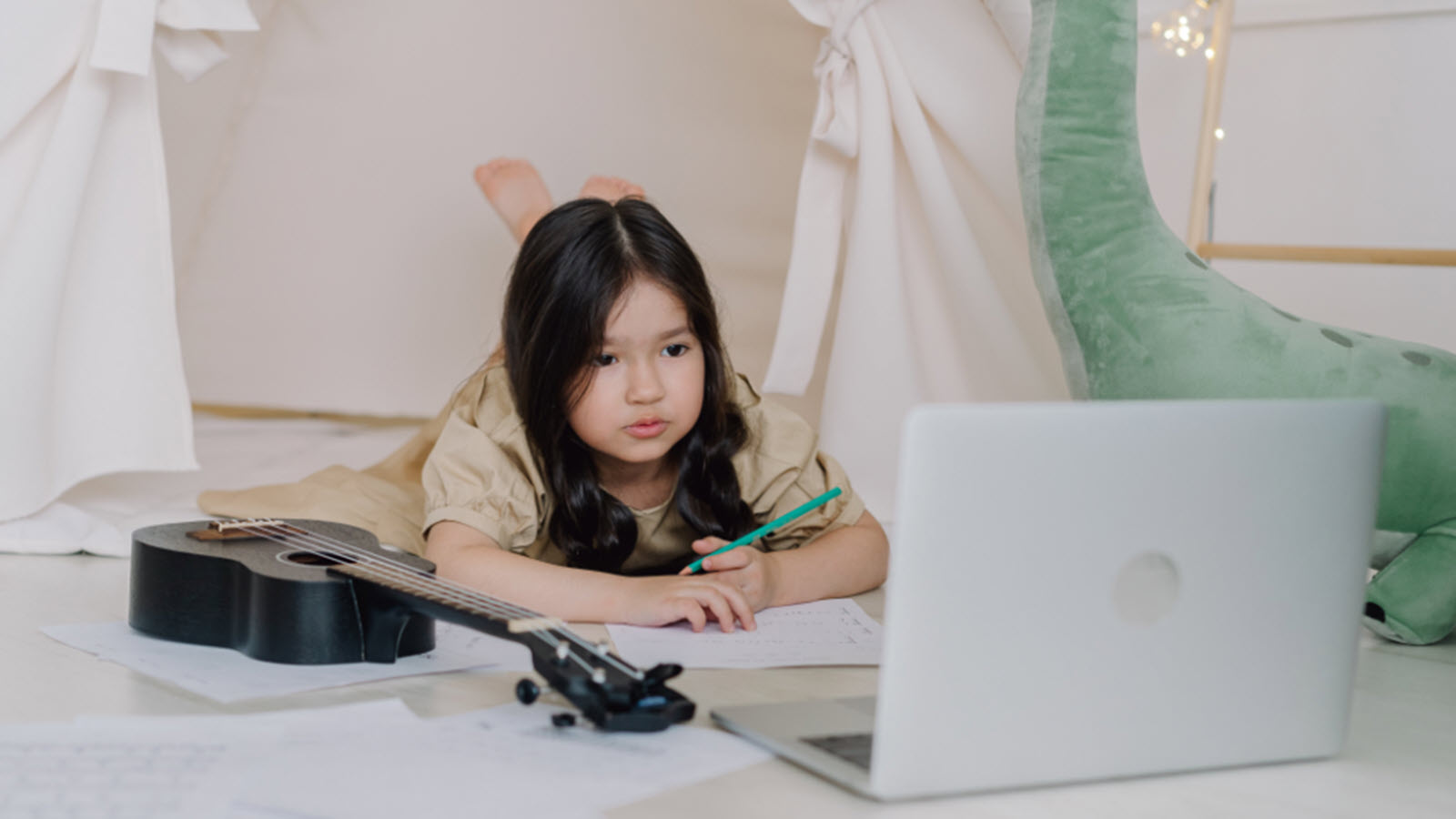
Kids love to play. Educational games for kids make learning fun by mixing challenges, stories, and rewards so children solve problems without feeling forced. Parents notice better focus and more willingness to try new skills.
This playful approach shines in the best learning games for kids online that keep engagement high. Younger children benefit from the best apps for toddlers, while creative options like the best dress up games for girls online spark imagination, and the best games for preschoolers build foundational skills through joyful challenges.
Try educational games for kids that turn screen time into skill-building play at TutoClub.
What Makes a Game Educational
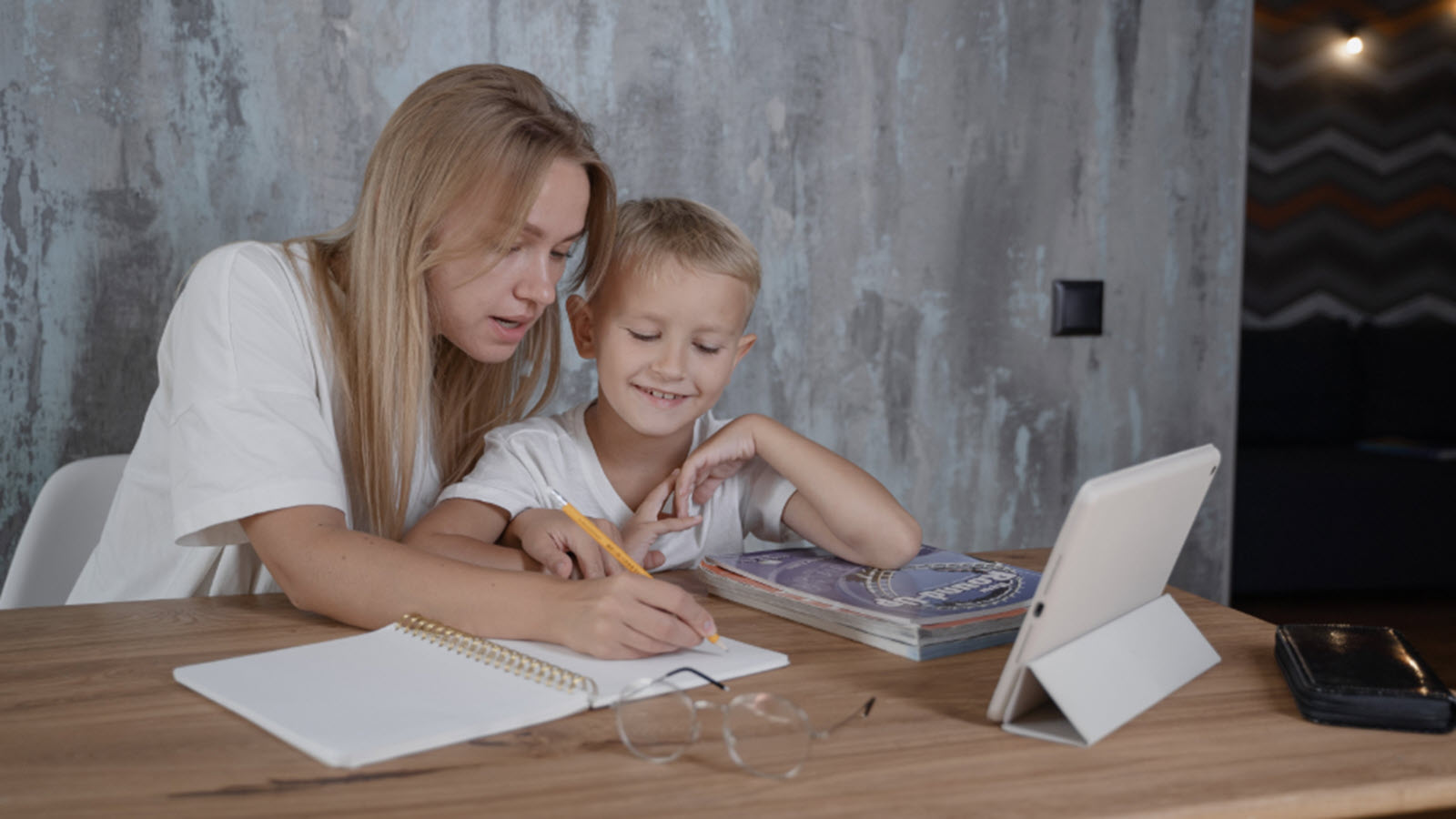
An educational game teaches a skill or idea while the child plays. The learning sits inside the rules, the story, or the goals. Kids practice counting by feeding pets, match letters while dressing characters, or build stories by choosing what happens next. The game gives quick feedback. Right answers move the story forward. Wrong ones let the child try again without shame.
This approach works because children already know how to play. They stay curious longer when the activity feels playful. Traditional worksheets can feel dry. Games hide the practice inside fun choices, so kids often keep going past the point where a paper lesson would end.
Good educational games for kids match the child’s age. Early games focus on colors, shapes, and simple routines. Later ones add reading, numbers, and problem solving. The best ones also build soft skills such as patience, kindness, and trying again after a mistake. Families often look at collections of the best learning games for kids, the best kids games educational, and the best English learning apps for kids that keep the focus on growth through play.
How Games Turn Practice into Play
Games create a loop of try, see result, and try again. Kids get an immediate response. That keeps attention high. Many children enter a focused state where time passes quickly because the challenge fits their skill level.
Stories and characters pull kids in. Caring for a virtual pet or helping a princess teaches routines and empathy while the child enjoys the scene. Rewards such as new items or levels give a sense of progress. Children feel proud when they finish a task, and that feeling makes them want to return.
Competition stays light. Kids can beat their own score or unlock the next part of a story. The pressure stays low, so mistakes become part of the fun instead of something to fear. This helps children build resilience. They learn that trying different ways often leads to success. Parents who want more ideas can explore the best fun educational games for kids and the best problem solving games for kids that keep the joy front and center.
Skills Kids Build Through Educational Games
Educational games for kids support many areas of growth at the same time.
Cognitive Skills
Games strengthen memory, attention, and flexible thinking. Matching patterns or solving simple puzzles trains the brain to notice details and plan steps. Children practice sorting, sequencing, and basic logic without noticing the effort. The best memory games for kids offer especially strong practice in this area.
Language and Early Literacy
Word games, storytelling adventures, and letter matching help kids connect sounds to symbols. Listening to characters and choosing replies builds vocabulary and comprehension in a natural way.
Math Foundations
Counting objects, comparing sizes, and simple addition appear inside care routines or building activities. Kids handle numbers while they play, so the ideas stick more easily.
Social and Emotional Growth
Many games ask children to care for characters, share items, or handle small setbacks. These moments practice empathy, emotional awareness, and self-control. Kids learn to wait their turn or try a new strategy when the first one fails. Collections of the best social emotional games for kids and the best emotional regulation games for kids focus on these exact skills.
Creativity and Problem Solving
Open-ended parts of games let kids design rooms, invent stories, or invent solutions. They test ideas, see what happens, and adjust. This builds confidence in their own thinking. Parents often notice that children who play these games talk more about what they learned and show more willingness to practice similar skills offline. For younger ages, the best educational games for toddlers and the best games for preschoolers provide gentle entry points.
Why Play Works Better Than Drill Alone
Children learn best when they feel safe to experiment. Games lower the fear of being wrong. A missed answer simply means the character needs another try. That freedom encourages longer practice sessions and deeper understanding.
Play taps into natural curiosity. When kids enjoy the process, they return to the activity on their own. Over time, the repeated practice builds stronger skills than short forced lessons. Learning through play activities and learning through play examples show how this approach works in daily life.
Games also support different learning styles. Visual kids respond to bright scenes and animations. Hands-on kids like tapping and dragging. Story lovers stay engaged through characters and plots. One well-designed game can reach many children at once.
Choosing Safe Educational Games for Kids
Safety matters as much as the learning. Look for games free of ads, pop-ups, and in-app purchases that interrupt play. Age-appropriate content keeps experiences calm and positive. Privacy protections that limit data collection about children give parents peace of mind.
A good collection offers variety so kids can switch between pet care, creative play, and skill practice without leaving the safe space. Offline play after download helps when internet access is limited. Multi-device access lets the family use the same account on different tablets or phones. Parents can review the best safe apps for kids and the best apps for kids learning when building their own lists. Parents should watch how their child reacts. The best games leave kids happy and ready to talk about what they did, not overstimulated or frustrated.
How Tutoclub Supports Learning Through Play
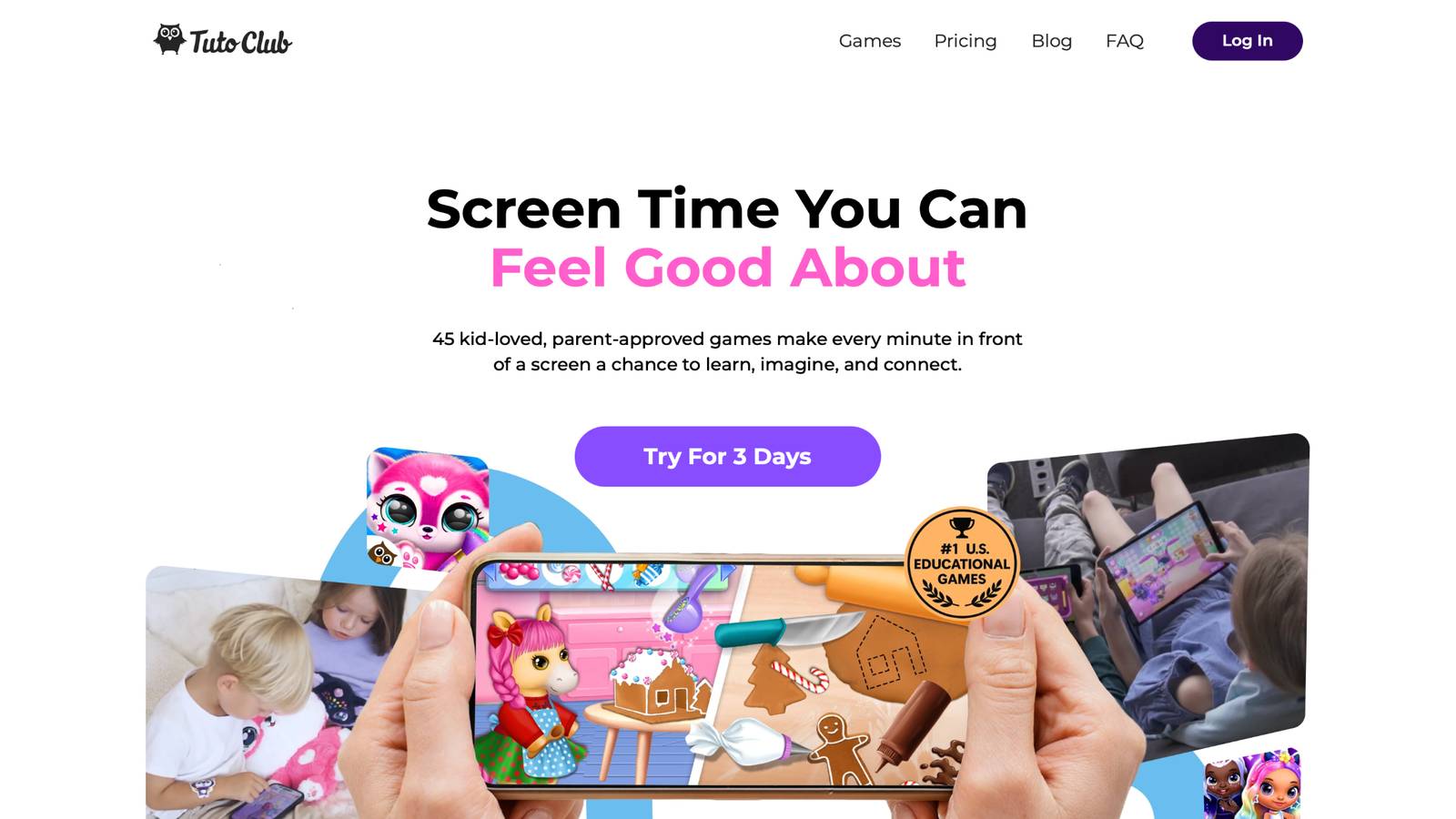
Tutoclub offers families a simple way to give kids high-quality educational games. One subscription unlocks a curated collection of TutoTOONS games designed for young children. Every title stays completely ad-free and free of in-app purchases. Kids can focus on play and learning without interruptions or pressure to buy extra items.
The games target early skills through caring for characters, solving light puzzles, and creative activities. Titles help children practice empathy by looking after virtual pets or babies, build focus through simple routines, and spark creativity with decorating and storytelling moments. Parents report that screen time feels more purposeful because the activities support real growth in confidence, kindness, and problem solving.
The service works across multiple devices with one account. Most games can be played offline after the first download. Regular updates keep the collection fresh. A short free trial lets families test the full experience before deciding. COPPA and GDPR compliance add another layer of trust for privacy-conscious parents.
This approach stands out because it removes the common frustrations of free kids’ apps. No ads mean calmer play. No purchases mean no surprise requests. The focus stays on skill-building fun that parents can feel good about. See the full collection of educational games for kids available with one simple subscription.
Many families use the games for quiet independent play or for shared moments where parent and child play side by side. The design supports both.
TutoClub Overview
TutoClub is your gateway to a magical world of educational games designed especially for children.
As part of TutoTOONS, a leading kids' games studio, we offer premium access to over 45 ad-free games.
Our mission is to blend learning and play, helping kids explore, create, and grow in a safe online space.
Thousands of parents trust us for family-friendly content that sparks imagination and builds essential skills.
Key Features
- Unlimited Access: Unlock full content in all games with no interruptions.
- Ad-Free Experience: Enjoy seamless play without any ads or distractions.
- Skill Development: Games foster creativity, social skills, communication, and more through fun activities like pet care and cleanup challenges.
- Regular Updates: Get new releases, exclusive content, and future updates automatically.
- Easy Subscription: Cancel anytime with no obligations, simple and flexible for families.
Explore Our World
TutoClub provides a rich ecosystem of educational games for kids, featuring ad-free experiences that promote creativity, focus, and emotional growth through play.
This platform turns screen time into valuable learning opportunities, with parent-approved content that builds essential skills and sparks curiosity in young minds.
- TutoClub Games: Over 45 educational games, including popular titles like Fluvsies, Smolsies, and the Sweet Baby Girl series
- Blog: Insights, tips, and stories for families on kids' learning and play
- FAQ: Comprehensive answers to frequently asked questions about subscriptions, features, and more
Get TutoClub on Your Device
TutoClub delivers premium kids educational games directly to your mobile devices, making learning accessible anytime, anywhere.
With apps available on major platforms, families can easily download and subscribe for ad-free play that turns screen time into skill-building adventures.
Perfect for parents seeking safe, engaging content on iOS, Android, or Amazon devices.
Why Choose TutoClub?
We're committed to 100% safe, enriching entertainment that kids love and parents approve. Join the thousands who've seen their children thrive through playful learning.
Ready to start the adventure?
Start a free trial of safe educational games that make learning fun for young kids.
Practical Ways to Use Educational Games at Home
Set a clear time limit so games stay balanced with other activities. Short sessions often work better than long ones for young children. Sit with your child at first to talk about the characters and choices. Ask simple questions such as “What do you think happens next?” or “How did you figure that out?”
Connect game skills to real life. After a counting game, count toys together. After a caring routine, practice the same steps with a real pet or stuffed animal. Celebrate effort more than perfect scores. When kids see that trying hard matters, they keep a positive attitude toward learning.
Rotate games so interest stays high. Offer a mix of creative, skill, and story-based titles. Watch for signs that a game no longer fits, such as frustration or boredom, and switch to something new. Helpful starting points include the best online educational games for kids and the best fun educational games for children. Use the games as a bridge to offline play. Many children invent their own versions of the activities with toys or paper after they finish a digital session.
FAQ
Do educational games really help kids learn better than regular play?
Educational games add clear goals and guided practice to the natural fun of play. Free play builds imagination and social skills on its own, while games focus that energy on specific ideas such as counting, letters, or problem solving. Children often stay engaged longer because the learning happens inside stories, challenges, and rewards rather than as separate drills. This mix helps many kids pick up skills more readily and with less resistance. Parents frequently notice stronger focus and a greater willingness to practice similar ideas offline after time spent with educational games for kids online.
What age works best for educational games?
Most educational games for kids suit children from the toddler years through early elementary school. Titles for the youngest players center on colors, sounds, shapes, and simple cause-and-effect actions. As children grow, the games introduce letter matching, number practice, storytelling choices, and light problem solving that match their developing abilities. The key is matching the game to the child’s current interests and skill level rather than relying on age alone. Families often find the greatest success when they choose educational games for toddlers that feel just right for where their child is right now.
How much time should kids spend on educational games?
Short, regular sessions tend to work best for most young children. Many families find that focused play several times a week supports learning without taking the place of outdoor time, reading, or free play. Watching the child’s energy and mood helps decide when to stop so the experience stays positive. Connecting the digital activity to real-life follow-up, such as counting toys after a number game, stretches the value of each session. Balanced use keeps the best learning through play activities as a helpful part of the day rather than the main activity.
Are digital educational games better than board games or physical toys?
Digital educational games and physical toys each bring different strengths. Screen-based games offer instant feedback, adaptive challenges, and rich stories that hold attention while building skills. Board games and hands-on toys strengthen fine motor skills and encourage face-to-face interaction. The strongest approach often combines both so children experience the benefits of interactive digital play alongside real-world building and sharing. Many families rotate between the two to keep learning varied and engaging with help from educational games for kids at home.
How can parents check if a game is truly educational?
Look for games where the skill practice is built into the play itself rather than added as separate quizzes. Safe design without ads or pressure to make purchases is another strong indicator of quality. Age-appropriate content that supports creativity, focus, or emotional growth also signals thoughtful design. Trying a short free period and observing whether the child stays engaged and talks about what they learned helps confirm the fit. Collections that focus on these qualities, such as those found on the TutoClub games page, make it easier for parents to choose experiences that support real growth.
Read Also:
- Best Educational Computer Games For Kids in 2026
- Benefits of Memory Games for Kids
- Kids Learning Through Play With a Balanced Daily Routine
- How The Best Brain Games for Kids Improve Focus Fast
- Key Advice for New Parents: What No One Tells You
Try educational games for kids that turn screen time into skill-building play at TutoClub.