
Creating Screen Time That Builds Academic and Life Skills






Screen time builds academic and life skills when it is active, purposeful, and tied to growth instead of passive scrolling. Thoughtful digital play strengthens focus, problem-solving, creativity, empathy, and early learning foundations in young children. Educational games for kids that invite creation and care help turn everyday device time into useful skill practice.
Families seeking device-specific options can explore the best educational games for kids iPad alongside the best mobile games for kids and engaging tablet games for kids. For language growth, the best English learning apps for kids further support vocabulary and communication through playful practice.
Discover how quality screen time can support your child’s growth at TutoClub today!
Why Quality Matters More Than Minutes

Not all screen time works the same way. Active use, where kids create, decide, and respond, supports learning far better than sitting and watching. When children care for virtual pets, solve gentle puzzles, or design outfits through the best educational games for kids, they practice the same thinking skills used in school and daily life.
Passive content can crowd out conversation and hands-on play. Interactive experiences do the opposite. They invite kids to notice details, plan next steps, and feel proud of what they finish. This kind of digital time feels less like a distraction and more like guided practice. Many families notice better focus and fewer battles when the content itself has a clear purpose, especially with learning through play activities, fun educational games for kids, and responsibility games for kids.
The goal is not zero screens. It has better screens. Choose activities that ask kids to think, care, and try again. That shift alone turns screen time into a tool for academic readiness and life skills.
Skills Kids Can Build Through Purposeful Digital Play
Good screen experiences support both school readiness and everyday abilities. Here are some of the strongest connections.
Academic Foundations
Early games that mix letters, numbers, sorting, and memory help children practice the building blocks of reading and math. Matching shapes, counting objects, or following simple sequences feels like play while strengthening working memory and attention. These are the same mental muscles used for classroom tasks later on. The best memory games for kids and the best learning games for kids online offer gentle ways to build these skills. When kids explain what they just did in a game or retell a short story they created, they practice language skills. Talking about the game after playtime extends the benefit offline.
Problem-Solving and Focus
Puzzles, multi-step care routines, and light challenges train kids to stick with a task. They learn to try a different approach when the first idea does not work. This kind of gentle persistence transfers to homework and real-world problems. Many parents notice improved concentration during short, engaging sessions with problem-solving games for kids.
Life Skills and Emotional Growth
Caring for characters teaches empathy and responsibility. Kids practice kindness, notice needs, and feel the satisfaction of helping. Fashion and design games support self-expression and confidence. Cleaning or organizing mini-games make everyday chores feel more familiar and less overwhelming. The best social emotional games, the best emotional regulation games, and the best confidence building games help grow these abilities through play. Social-emotional skills grow when children talk about how a character feels or decide how to respond in a simple story. These moments prepare kids for friendships and classroom cooperation.
Creativity and Curiosity
Open-ended activities let children invent, decorate, and explore. They ask questions, make connections, and enjoy the process of trying new ideas. This sparks a love of learning that lasts beyond any single game. Learning through play examples show how curiosity develops naturally in these settings.
Practical Ways to Make Screen Time Skill-Building
You do not need complicated rules. Small, consistent habits make a big difference.
- Choose content that requires action. Prefer games where kids hatch, care for, build, or solve over pure watching. The best educational games for toddlers and the best games for preschoolers are strong starting points.
- Play together when you can. Sit nearby, ask simple questions, and notice what your child enjoys. Co-engagement turns solo time into shared learning.
- Keep sessions short and purposeful. Pair digital play with offline follow-up, like drawing a favorite character or talking about a problem solved in the game.
- Set clear expectations. Agree on times and types of content. When the activity itself feels rewarding, limits feel easier.
- Look for calm design. Ad-free spaces with gentle pacing reduce overstimulation and help kids stay focused longer. Families also value the best safe apps for kids and guidance on how to protect kids online.
- Connect digital and real life. After a pet-care game, let your child help with a real pet or plant. After a cleaning game, invite them to tidy a small space together.
These steps keep screen time balanced and useful. They also model healthy habits for the long term. Tablet games for kids can fit easily into everyday routines when chosen carefully.
How Families Choose Better Digital Experiences
Parents often look for three things: safety, skill growth, and real engagement. Safe means no ads, no unexpected purchases, and age-appropriate content. Skill growth means clear links to creativity, focus, problem-solving, or emotional awareness. Engagement means kids return to the activity because it feels fun, not forced.
A single subscription that unlocks many carefully chosen games can simplify decisions. Instead of managing separate purchases and ads, families get a consistent, calm library. Multi-device support also helps, so the same positive experience works on different screens at home. The best online educational games for kids and the best kids educational games make this process easier. Look for platforms that update regularly and stay focused on early childhood needs. When the design puts development first, parents feel more confident about the time spent.
Turning Everyday Play into Growth with Tutoclub
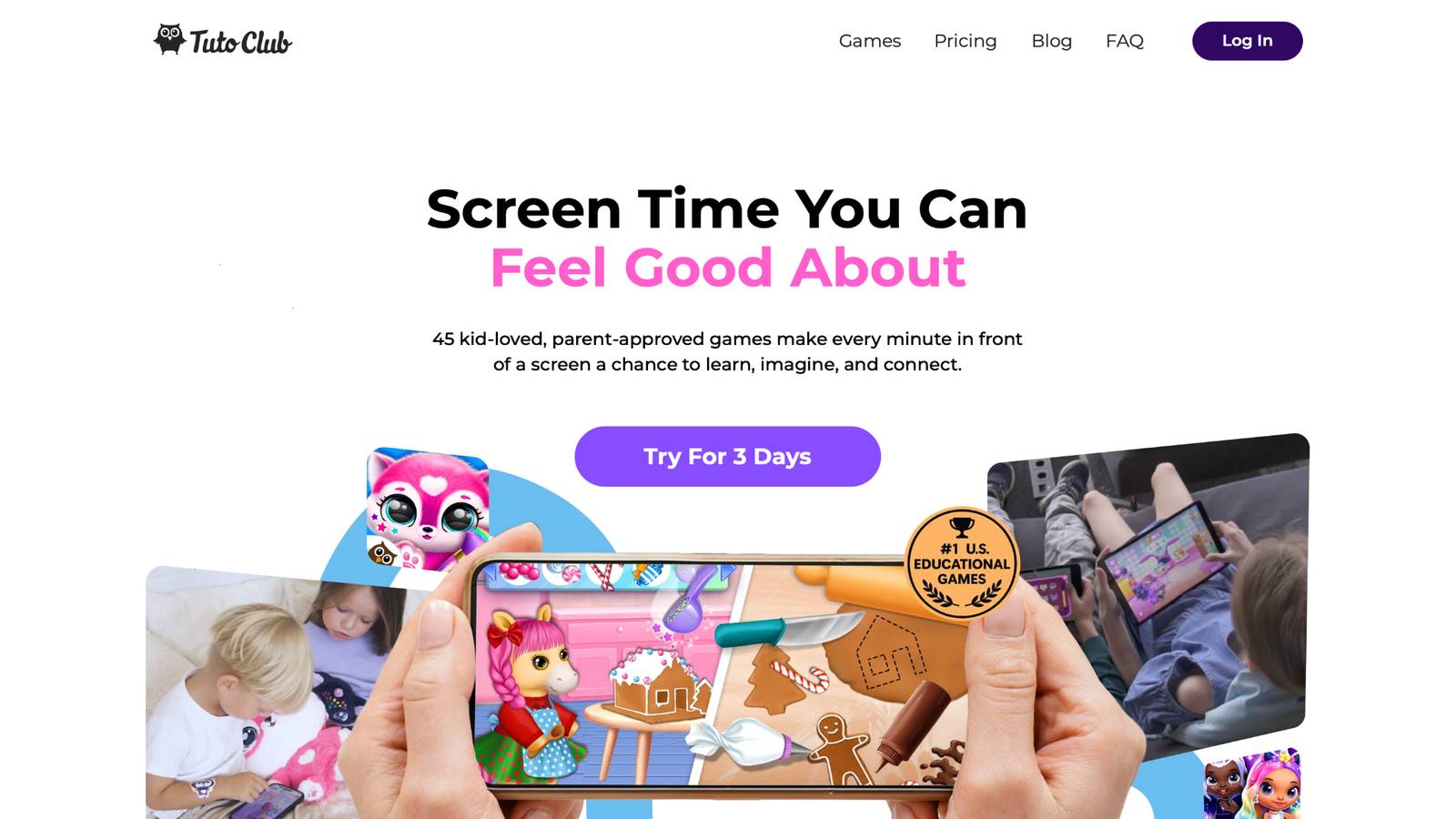
Tutoclub offers a practical answer for families who want screen time that actually helps. One subscription gives access to more than 45 ad-free educational games created for young children. The games focus on creativity, focus, problem-solving, empathy, and early learning through playful care and exploration.
Titles involving virtual pet care invite kids to hatch, feed, and look after characters, building responsibility and kindness. Cleaning and organizing games turn daily routines into fun practice. Fashion and design activities support self-expression and confidence. Memory and puzzle elements sharpen attention and logic. Early learning games gently introduce letters, numbers, and sequencing. Explore the full collection of educational games for kids.
Everything stays free of ads and in-app purchases. The experience is calm, family-friendly, and designed so parents can feel good about the time their children spend playing. Many games work offline after download, and the subscription supports multiple devices for easy family use. Parents can also find answers in the TutoClub FAQ.
Parents often share that the shift reduces guilt and arguments. Kids stay engaged while practicing useful skills. Shared play becomes possible on weekends or quiet evenings. The collection grows with regular updates, giving fresh options without new purchases. For families seeking safe educational games that mix fun with real growth, this approach keeps screen time purposeful.
TutoClub Overview
TutoClub is your gateway to a magical world of educational games designed especially for children.
As part of TutoTOONS, a leading kids' games studio, we offer premium access to over 45 ad-free games.
Our mission is to blend learning and play, helping kids explore, create, and grow in a safe online space.
Thousands of parents trust us for family-friendly content that sparks imagination and builds essential skills.
Key Features
- Unlimited Access: Unlock full content in all games with no interruptions.
- Ad-Free Experience: Enjoy seamless play without any ads or distractions.
- Skill Development: Games foster creativity, social skills, communication, and more through fun activities like pet care and cleanup challenges.
- Regular Updates: Get new releases, exclusive content, and future updates automatically.
- Easy Subscription: Cancel anytime with no obligations, simple and flexible for families.
Explore Our World
TutoClub provides a rich ecosystem of educational games for kids, featuring ad-free experiences that promote creativity, focus, and emotional growth through play.
This platform turns screen time into valuable learning opportunities, with parent-approved content that builds essential skills and sparks curiosity in young minds.
- TutoClub Games: Over 45 educational games, including popular titles like Fluvsies, Smolsies, and the Sweet Baby Girl series
- Blog: Insights, tips, and stories for families on kids' learning and play
- FAQ: Comprehensive answers to frequently asked questions about subscriptions, features, and more
Get TutoClub on Your Device
TutoClub delivers premium kids educational games directly to your mobile devices, making learning accessible anytime, anywhere.
With apps available on major platforms, families can easily download and subscribe for ad-free play that turns screen time into skill-building adventures.
Perfect for parents seeking safe, engaging content on iOS, Android, or Amazon devices.
Why Choose TutoClub?
We're committed to 100% safe, enriching entertainment that kids love and parents approve. Join the thousands who've seen their children thrive through playful learning.
Ready to start the adventure?
Simple Habits That Multiply the Benefits
Once you have quality content, a few routines amplify the results. Talk about the play afterward. Ask what was hard, what felt good, or what the character needed. These short conversations strengthen language and reflection.
Balance digital time with movement and hands-on activities. A short game session can lead into drawing, building with blocks, or outdoor play that continues the same theme. Watch for signs of true engagement versus restless switching. When kids settle into a game and complete small goals, the time is usually working well.
Involve siblings or friends when possible. Explaining a game or taking turns builds social skills naturally. Review the experience together every so often. Notice which activities spark the most curiosity or calm focus, and lean into those. These habits cost little time yet create lasting value. They turn isolated screen minutes into part of a broader learning day.
FAQ
What makes screen time helpful instead of harmful for young children?
Helpful screen time centers on active participation where children create, decide, and respond rather than simply watch. Interactive experiences that involve caring for characters, solving gentle puzzles, or designing simple projects build focus and thinking skills in a natural way. Calm, ad-free content matched to a child’s age reduces overstimulation and keeps the experience positive. When parents stay nearby or talk about the activity afterward, the digital time connects more strongly to real learning and everyday growth through options like educational kids games.
How can digital games support academic skills at early ages?
Digital games that include sorting, matching, simple counting, letter recognition, and sequencing give children low-pressure practice with the same mental skills used in school. Completing multi-step tasks strengthens attention and working memory while the playful setting keeps motivation high. Early learning games introduce foundational concepts through enjoyable routines that feel natural rather than forced. Talking about what happened in the game afterward extends the practice into language and reflection with the help of the best brain games for kids.
Which life skills grow most easily through good educational games?
Empathy and responsibility often develop when children care for virtual pets or characters and notice their needs. Problem-solving and focus improve through light puzzles and multi-step routines that reward steady effort. Creativity expands in open-ended design and decoration activities that let kids invent freely. Confidence grows as children finish tasks and express their own ideas. These everyday abilities appear in friendships, home routines, and later school cooperation when supported by emotional games for kids.
How do parents keep screen time balanced while still using it for learning?
Parents set clear times and choose content that requires action rather than passive viewing. Short sessions paired with offline follow-up activities, such as drawing a favorite character or helping with a real task, extend the value beyond the screen. Staying nearby or joining in turns solo play into shared moments that strengthen connection. Reviewing which activities spark calm focus or curiosity helps families lean into what works best, including guidance found in protecting kids online.
Is a subscription model better for consistent skill-building play?
A curated subscription removes ads, unexpected purchases, and the need to search repeatedly for safe options. Children gain steady access to a library of purposeful games that support creativity, focus, problem-solving, and emotional growth. Parents enjoy simpler management across multiple devices and regular updates that keep experiences fresh. The consistent environment helps skill-building become a regular part of play rather than an occasional find through a collection of educational games for kids.
Read Also:
- Best Learning Games for Kids Online
- Best Educational Games For Kids That Are Fun in 2026
- Best Educational And Fun Games For Kids in 2026
- Balancing Self-Care and Parenting: 7 Tips for Moms
- Best Learning Through Play Activities in 2026
Discover how quality screen time can support your child’s growth at TutoClub today!