
Educational Apps with Printables for Preschool Development






Preschool years shape how children learn letters, numbers, feelings, and movement. Educational apps with printable activities mix interactive games that build focus and creativity with hands-on tracing, cutting, and coloring that strengthen small muscles. Together they support early literacy, math ideas, fine motor skills, and social growth for ages 3 to 5.
Age-specific collections make matching play to each developmental stage simple, starting with the best educational games for 2 year olds that introduce gentle interactions. Progress continues through the best educational games for kids age 3, the best educational games for kids 4 years old online, and the best educational games for 5 year olds that deepen literacy, math, and creative skills.
How Educational Apps Support Preschool Learning

Good educational apps for preschoolers stay simple, safe, and playful. They use bright colors, clear voices, and short activities. Many focus on one skill at a time so children feel success quickly. Apps can adapt to a child’s pace. If a letter game feels hard, the next level stays easier. Progress feels natural. Offline play options help during travel or quiet time without Wi-Fi.
Look for apps that limit ads and in-app pressure. Clean design keeps attention on learning instead of pop-ups. Games that invite parent participation create shared moments. A child can care for a virtual pet while a parent talks about kindness.
Research-backed play design matters. Apps built around curiosity and real skill goals help more than pure entertainment. Children practice memory, following directions, and cause-and-effect through fun characters and stories. Collections of the best memory games for kids, the best learning games for kids, and the best responsibility games for kids demonstrate these qualities in action.
Why Pair Educational Apps and Printables
Young children learn best when they use more than one sense. Digital games show bright pictures and respond to touches. Printables let kids hold paper, grip crayons, and move scissors. This combination helps ideas stick longer.
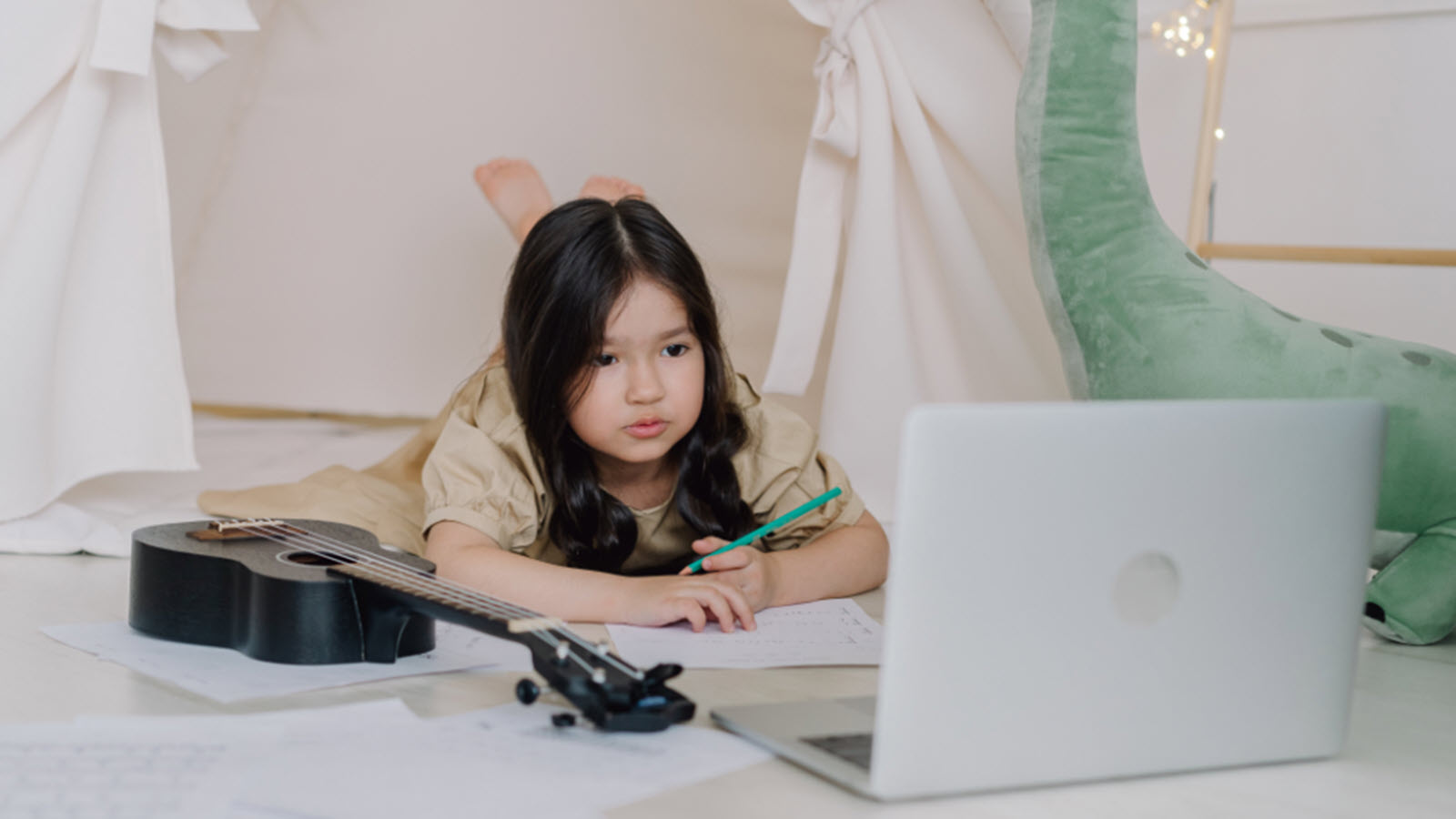
Learning apps can teach letter sounds through songs and matching games. A matching printable then lets the child practice the same letters with stickers or markers. The change from screen to paper keeps attention fresh. It also gives eyes and hands a rest from devices.
Many families notice better focus when digital play is followed by a short paper activity. The app introduces a concept. The printable lets the child own it through drawing or sorting. This back-and-forth supports preschool development across thinking, moving, and feeling skills. Resources on the best games for preschoolers and the best apps for preschoolers show how this mix works in daily routines.
Key Skills Supported by This Approach
Preschool development covers several connected areas. Educational apps and printables work on all of them.
- Language and literacy grow when apps read stories aloud and highlight words. Printables add letter tracing and simple word matching. Children hear the sound, then form the shape with a pencil.
- Early math appears in counting games on screens and number puzzles on paper. Kids count virtual objects, then place stickers or color groups on a sheet. Patterns and shapes follow the same path.
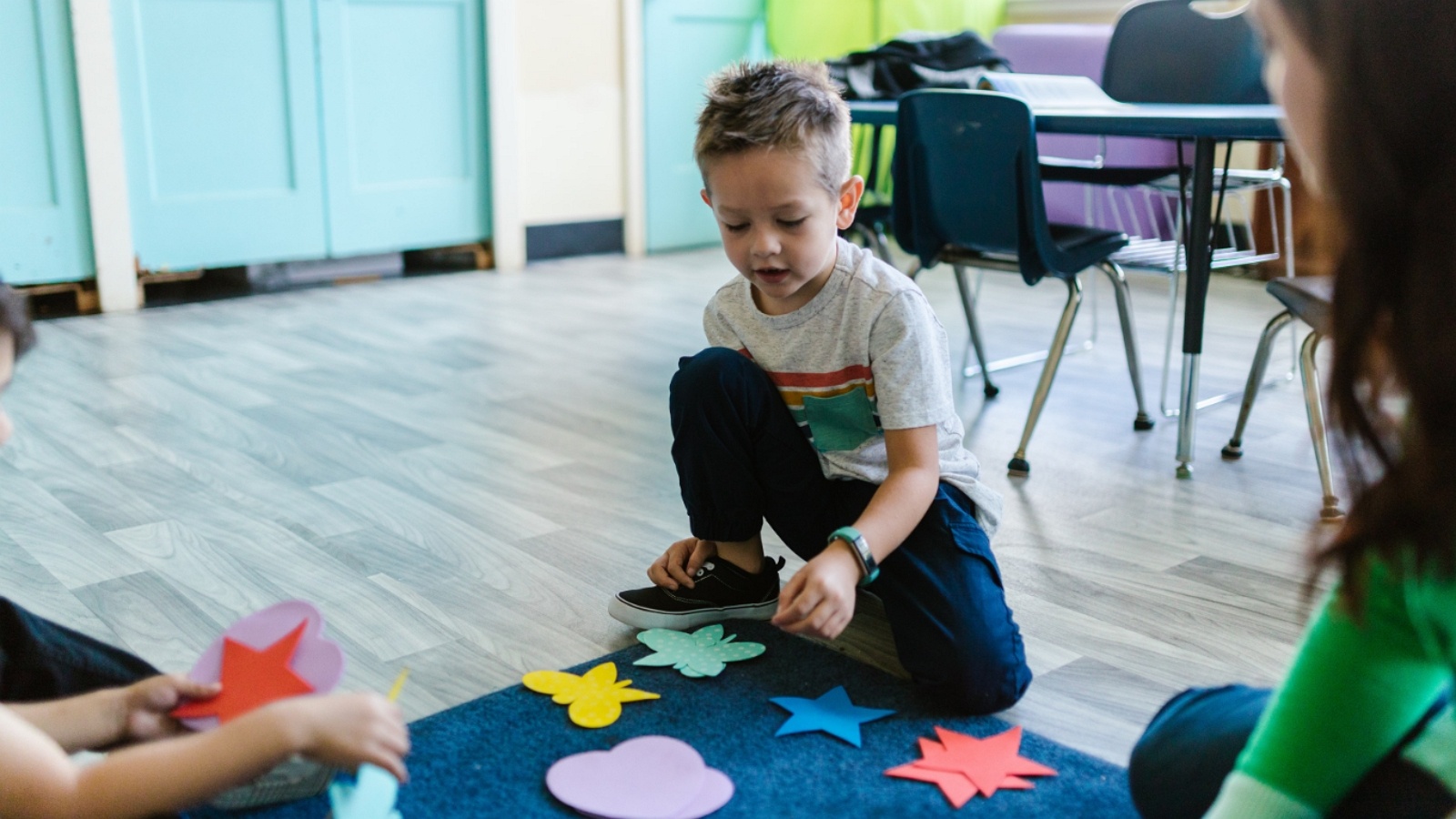
- Fine motor skills improve through touch-screen dragging and real-world cutting or coloring. Apps train finger control. Printables build hand strength needed for writing.
- Social and emotional growth comes from care-taking games where children feed characters or solve feelings stories. Printables can show emotional faces to color or role-play cards. Kids practice kindness and self-control in both places. See more on the best social emotional games for kids and the best emotional regulation games for kids.
- Creativity and problem solving shine in open design apps and free-draw printables. Children invent stories on screen, then continue them with paper puppets or sequenced pictures. Resources on problem solving games for kids show these features.
These skills link together. Stronger hands help with writing. Better focus from games helps with listening to stories. The mix builds the whole child. Guides like learning through play activities highlight similar connections.
How Printables Strengthen Hands-On Practice
Printables turn ideas into something a child can touch and keep. Tracing lines prepare hands for writing. Cutting strips build scissor control. Dot markers or sticker pages strengthen pincer grasp. Themed sheets make practice feel like play. Alphabet pages with animals, number trains, or seasonal coloring keep interest high. Sequencing cards teach order and story sense. Pattern strips introduce early logic.
Many printables need almost no prep. Print, grab crayons or glue, and start. Laminating allows reuse with dry-erase markers. This saves paper and lets kids try again. Print work also creates quiet focus time. Children sit at a table, choose colors, and finish a page. That sense of completion builds confidence. Parents can display finished sheets to celebrate effort. Printable examples such as Fluvsies paper doll printable and the family weekly planner free download fit naturally after app sessions.
Choosing the Right Educational Apps for Preschoolers
Start with age fit. Apps for ages 2 to 5 use big buttons and simple stories. They avoid small text or complex menus. Check safety features. Ad-free design and privacy protections matter most. Parent dashboards that show progress help families stay involved without constant watching. Content should cover more than letters and numbers. Look for games that build empathy through caring for characters, creativity through free design, and focus through short challenges. Variety keeps children returning with interest.
Multi-device access and offline play add flexibility. A subscription that unlocks many games at once reduces the need to buy single titles. Regular updates bring new activities so the experience stays fresh. Test a free trial when possible. Watch how your child reacts. Does the game hold attention without frustration? Does it invite talk or shared play? Those signs point to a strong fit. Helpful overviews appear in the best safe apps for kids, the best apps for preschoolers, and the best educational games for kids at home.
Balancing Screen Time with Print Activities
Set clear, short sessions. Fifteen to twenty minutes of app play can pair with a matching printable afterward. The switch feels natural and prevents overstimulation. Create simple routines. Morning app time for a letter game, then a tracing sheet at the table. Afternoon free play on a creative app, followed by cutting and gluing the same theme. Consistency helps children know what comes next.
Involve the whole family. Play a game together, then print a related activity to finish as a team. Shared moments turn screen time into connection. Watch for signs of fatigue. Rubbing eyes or restlessness means it is time to move to paper or outdoor play. Printables offer a calm next step that still feels productive.
Keep a small folder of ready printables near the device. When the app session ends, the next activity is already waiting. This smooth transition supports healthy habits. Insights from learning through play examples and memory games for kids support the same balanced approach.
Tutoclub: Educational Games That Pair Perfectly with Printables
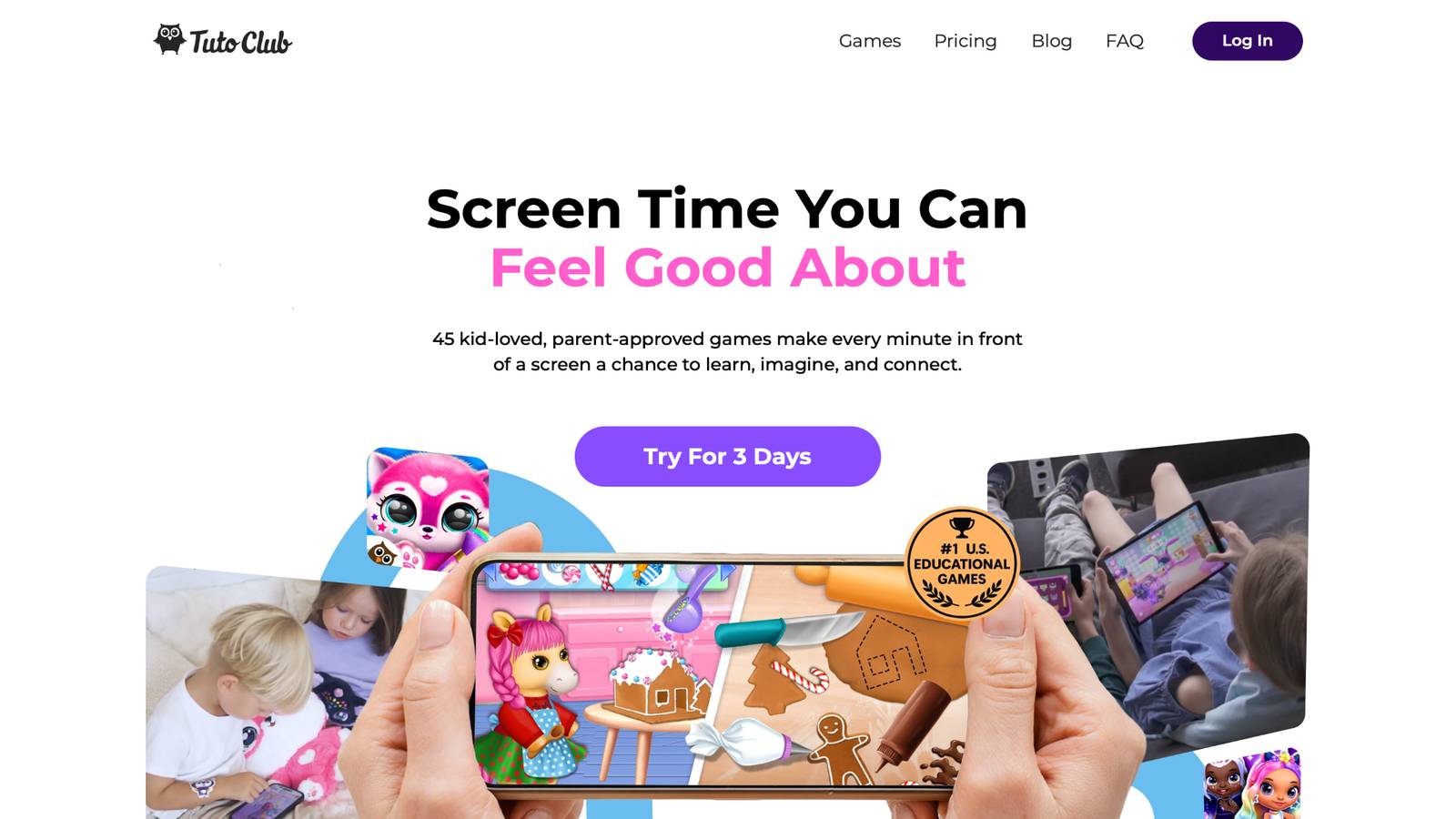
Tutoclub offers a subscription that unlocks more than 45 research-backed educational games designed for young children. The collection focuses on creativity, focus, problem solving, and social-emotional skills through playful stories and characters. Games stay completely ad-free and free of in-app purchases, giving parents peace of mind.
Children care for virtual pets, decorate spaces, solve simple puzzles, and practice kindness in everyday scenes. These activities build empathy and responsibility while keeping play joyful. Many games support early learning of letters, numbers, and sequencing in natural ways. Because the games encourage imagination and calm focus, they pair especially well with printables. After a pet-care session, a child can color matching animal pages or practice cutting shapes from the same theme. After a decorating game, a free-draw printable lets the ideas continue on paper.
The full games collection works across devices and includes offline options after download. A free three-day trial lets families try the experience risk-free. Parents manage everything from one account, making it simple to keep screen time purposeful. Tutoclub stands out by turning necessary screen moments into genuine skill practice. The calm, positive design supports the same preschool goals that printables target. Families gain both digital tools and a clear path to hands-on follow-up.
TutoClub Overview
TutoClub is your gateway to a magical world of educational games designed especially for children.
As part of TutoTOONS, a leading kids' games studio, we offer premium access to over 45 ad-free games.
Our mission is to blend learning and play, helping kids explore, create, and grow in a safe online space.
Thousands of parents trust us for family-friendly content that sparks imagination and builds essential skills.
Key Features
- Unlimited Access: Unlock full content in all games with no interruptions.
- Ad-Free Experience: Enjoy seamless play without any ads or distractions.
- Skill Development: Games foster creativity, social skills, communication, and more through fun activities like pet care and cleanup challenges.
- Regular Updates: Get new releases, exclusive content, and future updates automatically.
- Easy Subscription: Cancel anytime with no obligations, simple and flexible for families.
Explore Our World
TutoClub provides a rich ecosystem of educational games for kids, featuring ad-free experiences that promote creativity, focus, and emotional growth through play.
This platform turns screen time into valuable learning opportunities, with parent-approved content that builds essential skills and sparks curiosity in young minds.
- TutoClub Games: Over 45 educational games, including popular titles like Fluvsies, Smolsies, and the Sweet Baby Girl series
- Blog: Insights, tips, and stories for families on kids' learning and play
- FAQ: Comprehensive answers to frequently asked questions about subscriptions, features, and more
Get TutoClub on Your Device
TutoClub delivers premium kids educational games directly to your mobile devices, making learning accessible anytime, anywhere.
With apps available on major platforms, families can easily download and subscribe for ad-free play that turns screen time into skill-building adventures.
Perfect for parents seeking safe, engaging content on iOS, Android, or Amazon devices.
Why Choose TutoClub?
We're committed to 100% safe, enriching entertainment that kids love and parents approve. Join the thousands who've seen their children thrive through playful learning.
Ready to start the adventure?
Start building balanced preschool skills with purposeful educational games.
Practical Tips for Using Apps and Printables Together
Match themes. If the app features animals, print animal counting or letter pages. The connection feels exciting for the child. Keep sessions short and success-focused. Celebrate effort more than perfect results. A finished printable after a game builds pride. Store printables in labeled folders by skill or season. Grab-and-go readiness removes barriers on busy days.
Talk about learning. After a game, ask what the child liked. While coloring, name the colors and shapes. Conversation deepens understanding. Rotate activities. New app levels and fresh printables keep curiosity high. Variety prevents boredom. Observe and adjust. Some children need more motor practice. Others thrive on story-based games. Follow the child’s lead while offering both formats. Additional ideas appear in the best learning games for kids online and the best educational games for kids that are fun.
FAQ
What age works best for educational apps with printables?
Most children ages 3 to 5 gain the strongest benefits from combining educational apps with printables for preschool development. At this stage kids handle simple interactive games while also building the hand strength needed for tracing and cutting. Younger toddlers may enjoy basic matching apps paired with large-motor print activities, while older preschoolers can move into longer sessions with more detailed letter or number sheets. The mix supports language, early math, fine motor skills, and social growth in ways that match typical preschool readiness goals. Watching a child’s interest and energy helps fine-tune the balance between screen play and paper practice, as shown in resources on the best educational games for children.
How much screen time is okay when using educational apps?
Short, focused sessions work best when pairing educational apps with printables. Fifteen to twenty minutes of purposeful app play can lead smoothly into a matching tracing or coloring activity that gives eyes and hands a break. Quality matters more than exact length, so choose calm, skill-building games that invite focus rather than rapid switching. Following digital time with hands-on print work keeps the overall experience balanced and supports healthy habits. Parents can adjust based on the child’s attention and the family’s daily rhythm using ideas from the best learning through play activities.
Can printables replace educational apps?
Printables build fine motor control, hand-eye coordination, and quiet concentration that screens cannot fully match. Educational learning apps add interactive feedback, adaptive challenges, and engaging stories that help introduce new ideas quickly. Using both formats together gives children a wider range of learning experiences for preschool development. The digital side sparks curiosity and practice with letters or numbers, while the paper side lets kids own the skill through drawing, cutting, or sequencing. This combination keeps learning playful and multi-sensory.
Do I need special materials for the printables?
Basic supplies are enough for most preschool printables that pair with educational apps. Paper, crayons, scissors, glue sticks, and stickers cover tracing, coloring, and simple matching activities. Dot markers or playdough can add extra sensory fun for certain sheets, but they are optional. Many families keep a small folder of ready-to-use pages near the device so the switch from app to paper stays easy. Laminating popular sheets allows reuse with dry-erase markers and reduces paper use over time, just like the simple options in the Fluvsies DIY paper doll printable.
How do I know if an educational app is high quality?
Strong educational apps for preschool development show clear learning goals, stay free of ads, and use calm, age-appropriate design. Look for games that build creativity, focus, empathy, and problem-solving through caring for characters or simple challenges. Features such as offline play after download and parent progress views add practical value. A free trial period lets families see how a child responds before committing. Apps that invite shared play and connect naturally to hands-on printables tend to support the fullest range of early skills, as outlined in the best safe kids games.
Read Also:
- Family Weekly Planner Printables
- Best Benefits Of Learning Through Play in 2026
- Benefits of Memory Games for Kids
- Kids Learning Through Play With a Balanced Daily Routine
- How The Best Brain Games for Kids Improve Focus Fast