
Benefits of Expert-Backed Learning Games for Ages 3-7






Parents want screen time that helps kids grow. Expert-backed learning games for ages 3-7 deliver focused play that builds real skills in letters, numbers, empathy, and problem solving without pop-ups. Kids this age learn best through safe, fun play, and Tutoclub games create a calm space where creativity and focus grow together.
Expanding these benefits comes from selecting the best safe games for kids that protect young users while encouraging growth. Pairing them with the best brain games for kids and the best memory games for kids strengthens focus and recall, all guided by the best learning through play philosophy that turns every session into joyful skill-building.
Discover ad-free learning games that support early skills for ages 3–7 at TutoClub.
Why Ad-Free Matters for Young Learners

Young children cannot tell ads from game content. Ads break focus and can lead to accidental clicks or frustration. Learning games let kids stay with the task. They finish a puzzle or care for a pet without sudden interruptions. Research shows distracting features lower learning. Safe apps for kids and clean educational games for toddlers keep the mind on the skill. For ages 3–7, this means better practice with shapes, colors, counting, and early words through games for preschoolers. Ad-free play also feels calmer. Overstimulated kids may struggle with attention later. A clean screen supports healthy habits and pairs well with the best online educational games for kids.
How Expert-Backed Design Supports Brain Growth
Expert-backed games follow what child development specialists know. They match the way young brains learn. Ages 3–7 bring rapid growth in language, logic, and feelings. Games built with educators target these areas through play, as seen in the educational games for kids and learning apps for kids.
Many well-designed options help early math and reading. Gains show strongest for simple skills like letter sounds or counting when the design stays clear. Expert input keeps activities age-right. Buttons fit small hands. Steps move at a pace young kids can follow. Feedback feels kind and encouraging in many kid educational games.
These games often mix senses. Kids see bright pictures, hear sounds, and move pieces with their fingers. This multi-way approach helps ideas stick. Social and emotional skills grow too through social emotional games and emotional regulation games. Caring for a character teaches kindness. Solving a small challenge builds confidence with confidence building games.
Key Skills Built Through Quality Learning Games
Ad-free, expert-backed games target core early skills without pressure.
- Early literacy and language. Matching letters, hearing sounds, and simple storytelling grow vocabulary and phonics readiness in educational games for kindergarten.
- Number sense and logic. Counting, sorting, and pattern games lay groundwork for later math via educational games for 5 year olds and educational games for 6 year olds.
- Fine motor and focus. Dragging, tapping, and careful matching strengthen hand control and attention spans with memory games for kids.
- Creativity and imagination. Open play with colors, dress-up, or building sparks new ideas in fun games that are educational for kids.
- Social-emotional growth. Caring for pets or friends teaches empathy, patience, and responsibility through emotional games for kids.
Play feels natural. Kids practice the same skills they meet in preschool or kindergarten, yet the setting stays joyful. Progress happens in short sessions that fit busy family days and support learning through play activities.
How These Games Compare to Everyday Screen Options
Many popular apps fill screens with ads, in-app buys, or fast rewards that push longer play. Expert-backed options remove those layers. The focus stays on the child and the skill in games for young kids. Regular cartoons or random videos often stay passive. Learning games ask kids to act. They choose, solve, and see results. This active role supports stronger memory and thinking through tablet games for kids and mobile games for kids. Calm design avoids the overstimulation common in flashy free apps. Parents notice the difference. Kids return to the same games because the play itself feels rewarding. No need for constant new content to hold attention. The experience stays steady and safe across devices with educational games for kids at home.
Practical Ways Families Use These Games
Short daily sessions work best. Fifteen to twenty minutes of focused play often beats longer, distracted time. Parents can sit nearby at first. Later, kids play more independently while adults know the content stays appropriate. Many families pair digital play with offline activities. After a sorting game, kids sort real toys. After a caring game, they help with a simple chore. The digital practice transfers to real life and matches learning through play examples. Look for games that work offline after download. Travel days and quiet afternoons stay flexible. Multi-device access lets the same progress continue on a phone or tablet. Educational websites for kids and apps for preschoolers offer similar flexible options.
Choosing Games That Match Ages 3–7
At age 3, simple matching, colors, and cause-and-effect fit best with educational games for kids age 3 and apps for toddlers. By age 5 to 7, letter sounds, early spelling, number groups, and light storytelling become useful in educational games for 5 year olds and educational games for 7 year olds. Expert design adjusts difficulty so kids feel successful without frustration.
Safety features matter. No external links, no third-party ads, and clear privacy rules protect young users. Parent controls and progress views help adults stay involved without hovering. Best safe apps for kids prioritize these protections. Games that include creative free play alongside guided activities give balance. Kids explore at their own pace while still meeting clear learning goals through learning games online.
Why Tutoclub Stands Out for Families
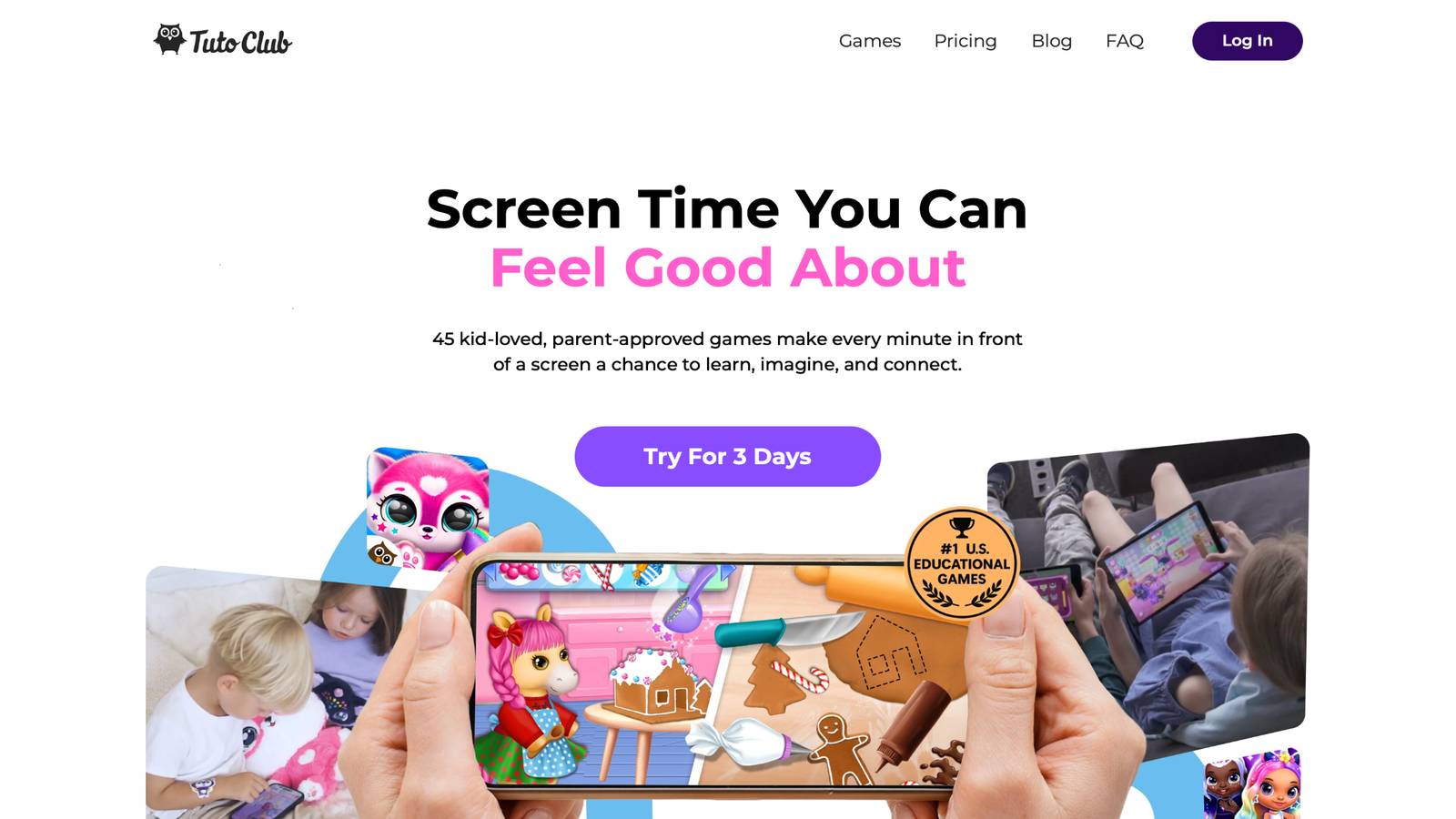
Tutoclub brings more than 45 ad-free educational games into one simple subscription. The collection comes from the TutoTOONS studio and focuses on creativity, focus, problem solving, and social-emotional skills for young children.
Popular titles include Fluvsies for hatching and caring for pets, Smolsies for letters and numbers through pet care, Giggle Babies for early playful learning, My Baby Unicorn for empathy and kindness, and others that turn everyday tasks into fun. Each game stays free of ads and in-app purchases once unlocked through the subscription. See the full set of Tutoclub games.
Parents report kids stay engaged while learning colors, shapes, storytelling, and responsibility. The design supports calm, purposeful screen time. A free trial lets families try the full set. Access works across multiple devices with easy account management via the FAQ.
The platform stays family-friendly and privacy-minded. Regular updates keep the collection fresh. Offline play after download adds convenience for real family life and aligns witt the best educational but fun games for kids.
TutoClub Overview
TutoClub is your gateway to a magical world of educational games designed especially for children.
As part of TutoTOONS, a leading kids' games studio, we offer premium access to over 45 ad-free games.
Our mission is to blend learning and play, helping kids explore, create, and grow in a safe online space.
Thousands of parents trust us for family-friendly content that sparks imagination and builds essential skills.
Key Features
- Unlimited Access: Unlock full content in all games with no interruptions.
- Ad-Free Experience: Enjoy seamless play without any ads or distractions.
- Skill Development: Games foster creativity, social skills, communication, and more through fun activities like pet care and cleanup challenges.
- Regular Updates: Get new releases, exclusive content, and future updates automatically.
- Easy Subscription: Cancel anytime with no obligations, simple and flexible for families.
Explore Our World
TutoClub provides a rich ecosystem of educational games for kids, featuring ad-free experiences that promote creativity, focus, and emotional growth through play.
This platform turns screen time into valuable learning opportunities, with parent-approved content that builds essential skills and sparks curiosity in young minds.
- TutoClub Games: Over 45 educational games, including popular titles like Fluvsies, Smolsies, and the Sweet Baby Girl series
- Blog: Insights, tips, and stories for families on kids' learning and play
- FAQ: Comprehensive answers to frequently asked questions about subscriptions, features, and more
Get TutoClub on Your Device
TutoClub delivers premium kids educational games directly to your mobile devices, making learning accessible anytime, anywhere.
With apps available on major platforms, families can easily download and subscribe for ad-free play that turns screen time into skill-building adventures.
Perfect for parents seeking safe, engaging content on iOS, Android, or Amazon devices.
Why Choose TutoClub?
We're committed to 100% safe, enriching entertainment that kids love and parents approve. Join the thousands who've seen their children thrive through playful learning.
Ready to start the adventure?
Start your free trial of ad-free expert-backed games for ages 3–7!
Extra Tips for Lasting Benefits
Rotate games so interest stays high. Celebrate small wins out loud. Ask open questions like “What did your pet need today?” to extend the learning into conversation. Watch for signs of good fit. Kids who return happily and talk about the games often gain the most. If a child grows restless, shorter sessions or a different title can help. Blend with fun educational games and offline play. Combine with books, outdoor play, and family talk. Digital games work best as one part of a rich day, not the whole day. Explore more ideas in best educational videos and games and how to protect kids online.
FAQ
What makes ad-free learning games better for ages 3–7?
Ad-free learning games remove sudden interruptions that break focus for young children. Kids in this age range learn best when attention stays on one clear task such as matching shapes or caring for a character. Expert design adds age-right steps and kind feedback so practice feels natural. The combination supports stronger skill building in early literacy, number sense, and social-emotional growth while keeping play calm and purposeful. Families often notice children stay engaged longer.
How do expert-backed games help with school readiness?
Expert-backed games practice the same building blocks schools look for, including letter sounds, counting, sorting, following directions, and simple problem solving. Social-emotional practice through caring for characters also prepares kids for group settings and shared activities. Short repeated play helps skills stick without pressure or drill-style repetition. These experiences grow confidence as children see their own progress in a low-stress setting. The approach aligns well with how ages 3–7 absorb new ideas through active, joyful exploration in the best educational games for kindergarten.
Can these games replace books or outdoor play?
These games work best alongside books, outdoor time, and real conversations rather than taking their place. Digital play offers focused skill practice and creative fun that complements hands-on experiences. The rest of the day still needs physical movement, face-to-face talk, and free play for balanced growth. Many families pair a short game session with related offline activities such as sorting real objects or acting out a story. This mix keeps learning connected across different parts of daily life and matches learning through play examples.
Are subscription collections safer than free single apps?
A subscription that removes ads and unlocks full content keeps the experience clean and free of sudden distractions. Parent-managed accounts and multi-device access add extra control so adults stay involved without constant supervision. Privacy-minded design and age-appropriate content further support a protected space for young users. Children can focus on creativity, focus, and empathy-building activities without external interruptions. This structure makes consistent, purposeful play easier for busy households.
How long should kids ages 3–7 play these games each day?
Short focused sessions of about fifteen to twenty minutes work well for most children this age. Quality matters more than length because young attention spans develop best with clear goals and positive endings. Parents can adjust based on the child’s interest and energy that day. Rotating titles and pairing digital play with offline follow-up activities helps maintain balance. The goal stays on steady skill growth through enjoyable, interruption-free experiences rather than extended screen periods with the best games for preschoolers.
Read Also:
- Best Learning Through Play in 2026
- Best Memory Games For Kids In 2026
- Best Learning Games for Kids
- Best Educational Games for Kids
- Best Games for Preschoolers
Discover ad-free learning games that support early skills for ages 3–7 at TutoClub.