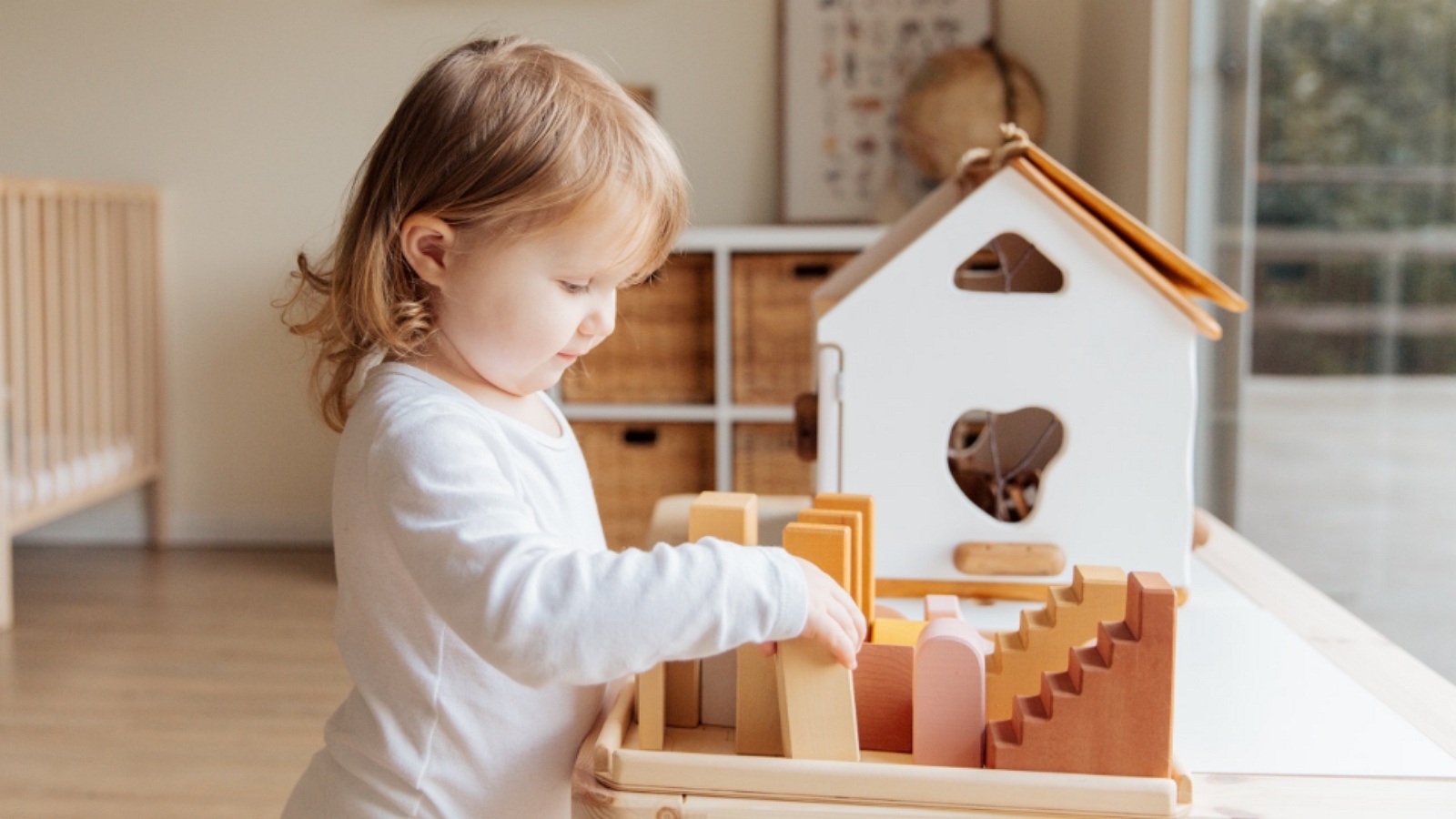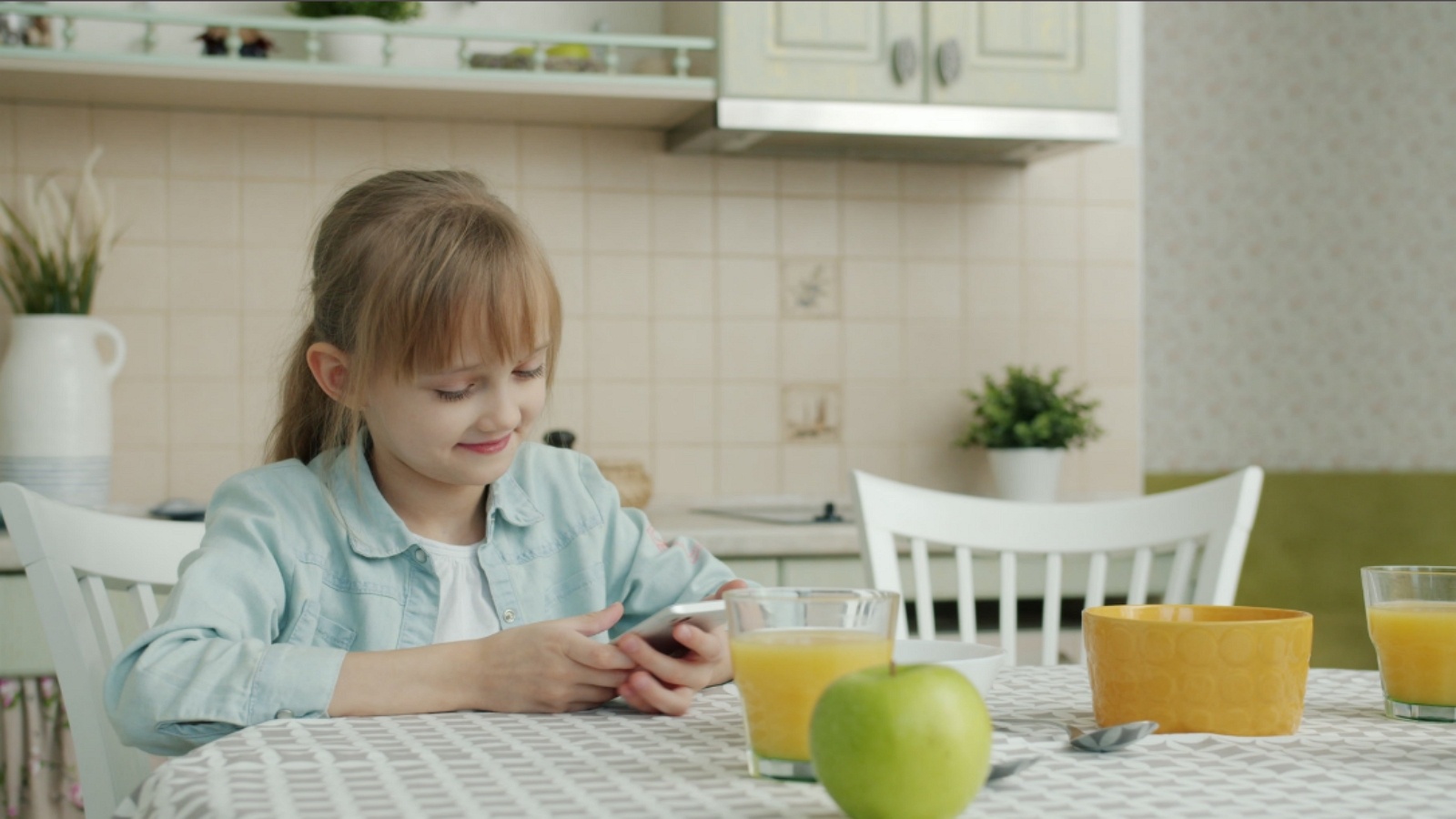

What Makes Learning through Play Effective?





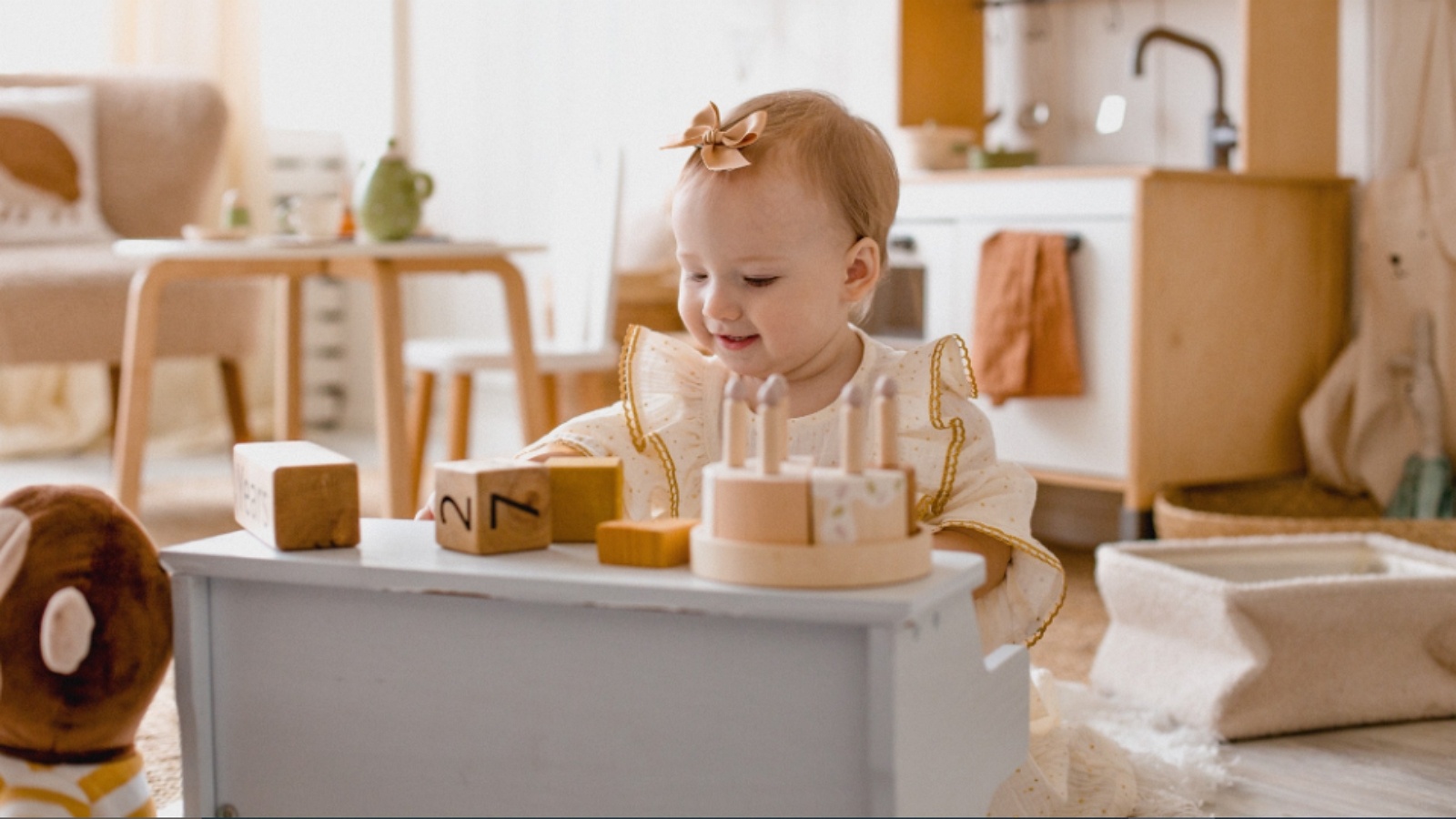
Kids learn fastest when the work feels like play. Learning through play is how young brains practice thinking, talking, sharing, and solving problems through guided play and free play that stay active, meaningful, and worth another try. Families who want safe, playful practice often start with educational games for kids that turn care, stories, and puzzles into daily learning.
To keep daily play both fun and purposeful, families often look for the best learning through play approaches that mix guided discovery with child-led exploration. Simple learning through play activities such as storytelling, building, and pretend care work even better when paired with clear learning through play examples that show how puzzles, movement, and conversation turn into lasting skills.
Give your child playful learning that feels safe, joyful, and useful every day!
Why Play Helps the Brain Learn
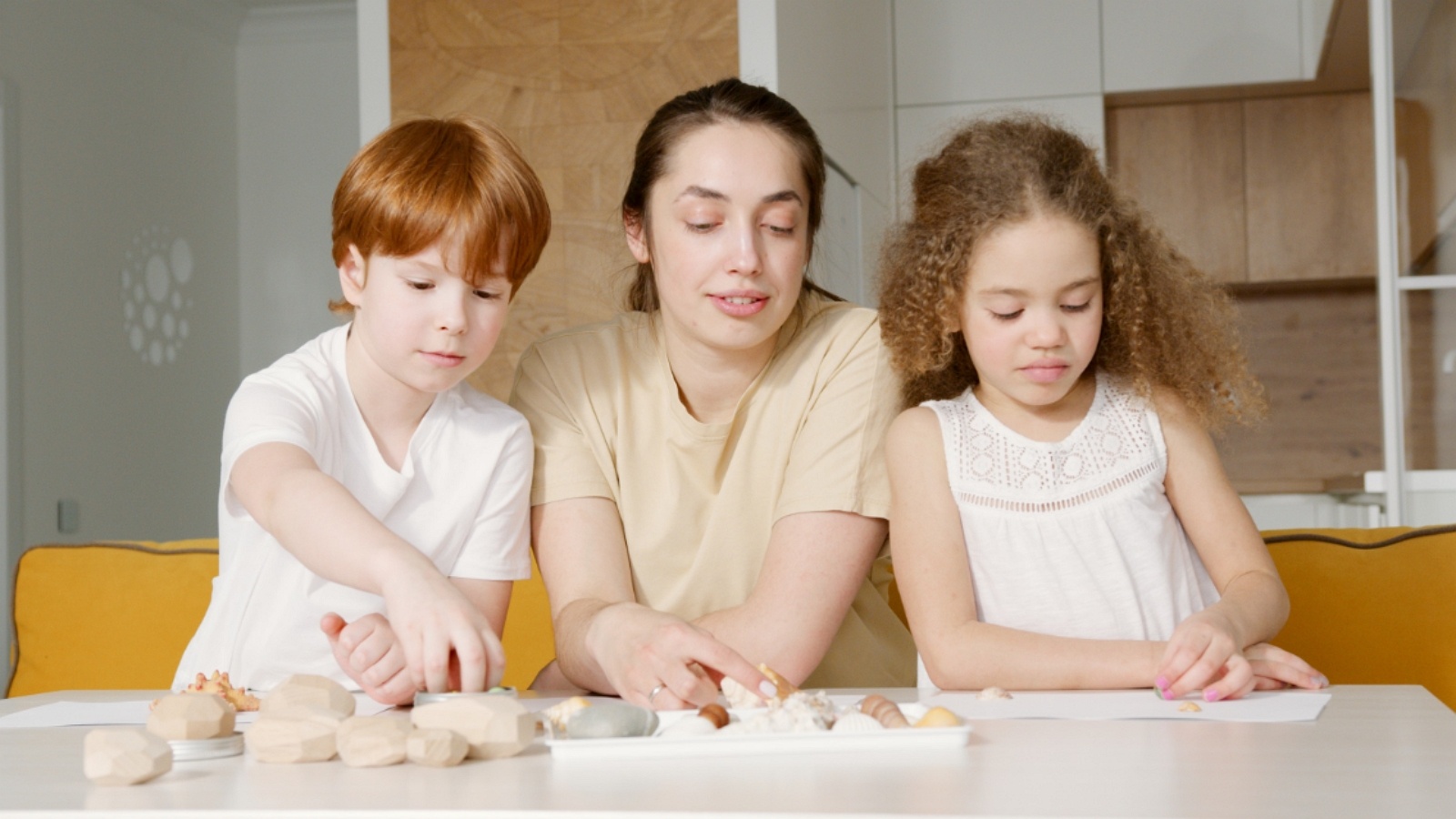
Play is the brain’s practice lab. During play, children move, talk, guess, fail, and try again. Those actions light up networks used for memory, attention, and self-control. The same try-again loop shows up in memory games for kids and other learning games for kids.
Joy matters here. When a child enjoys an activity, the brain is more ready to store what just happened. Sad or stressed states make learning harder. Play often lowers tension and raises interest, so a child can stay with a task longer.
Active play also beats sitting and listening for many early skills. A child who sorts toys, cares for a pretend pet, or builds a story is using hands and ideas together. That minds-on work helps facts stick better than copy work alone, which is why many learning games for kids online hide practice inside a story instead of a drill.
Researchers who study playful learning often name five qualities that make it work:
- Joyful: the child wants to keep going
- Meaningful: the play connects to real life or a goal the child cares about
- Actively engaging: the child thinks and acts, instead of watching
- Iterative: the child tests an idea, sees what happens, and adjusts
- Socially interactive: the child talks, shares, or plays with others
When those pieces show up together, play is not just cute. It becomes a strong way to learn.
Skills Children Build Through Play
Play does not pick one subject. It grows several skills at once.
Thinking and problem solving
Object play and rule games ask children to plan, test, and change course. Building a tower that keeps falling is a science lesson without a worksheet. Puzzle play and care routines in problem solving games for kids give the same loop: try, notice, try again.
Language and early literacy
Pretend play is full of talk. Kids name roles, argue over rules, and tell stories. That talk supports vocabulary and story sense. Sociodramatic play also mirrors book structure: a beginning, a problem, and an ending. Language-rich English learning apps for kids can add more of that talk when the story stays playful.
Early math
Math feels less abstract when it lives inside a game. Counting snacks, sharing toys, sorting colors, and comparing sizes all grow in a number sense. Guided play is especially helpful here because an adult can keep the math visible without turning play into a quiz. Many educational games for kindergarten use that same hands-on path.
Social and emotional growth
Play with peers or caregivers teaches turn-taking, empathy, and repair after conflict. Caring for a doll, pet, or game character gives practice with kindness and responsibility. That is one reason many families look for learning through play that includes care, stories, and feelings, not only drills. Social emotional games for kids, emotional games for kids, and emotional regulation games for kids follow the same idea. Finishing a chosen role can also support confidence building games.
Focus and self-control
Games with simple rules help children wait, remember a plan, and ignore distractions. Those executive function skills predict later school success as strongly as many early academic scores.
Physical skill
Running, climbing, dancing, and fine-motor play train the body. Movement also feeds attention. A child who has moved is often more ready to sit and listen later.
What Adults Should Do During Play
Play works best when adults do less talking and more noticing. That idea also shows up in practical tips for new parents.
Helpful adult moves look like this:
- Set out open materials and a clear space
- Watch first, then join if invited
- Ask short questions: “What are you trying?” “What else could we try?”
- Name feelings and ideas without taking over
- Add one new word or one new challenge, then step back
- Keep the goal visible, but let the child choose the path
Less helpful moves include quizzing, correcting every error, or turning play into a scripted lesson. Children stop leading. Joy drops. Learning often drops with it.
Home play can be simple. Cardboard boxes, water, blocks, dolls, and kitchen tools still work. Digital play can help too when it is ad-free, calm, and built around care, stories, or puzzles instead of endless rewards. Many educational games for kids at home work best with that light adult touch.
Parents who want extra practice without worksheets often pair offline play with a story-based game. The game holds attention. The skill hides inside the story. A family weekly planner can hold that play block next to meals and rest.
How Digital Play Can Still Be Real Play
Screens are not automatically “not play.” Quality matters.
Strong digital play still has the five qualities. The child makes choices. The activity has meaning. There is room to try again. The tone stays joyful, not frantic. Ads, pop-ups, and pay walls break that state. They pull attention away from thinking. That is why families look at safe apps for kids and how to protect kids online.
Safe digital play also respects age. Short sessions, familiar characters, and tasks tied to daily life work well for young children. Caring for a pet, tidying a room, dressing a character, or solving a gentle puzzle can practice empathy, language, memory, and focus. An educational games for kids app, tablet games for kids, and mobile games for kids can still count as play when the child stays in charge.
That is why many families look for safe kids games and educational games for 5 year olds that keep the child in charge of the action. Shared play makes digital time even stronger. Sit nearby. Ask what the character needs. Cheer a kind choice. Then close the app and keep the same theme with toys or books.
How Tutoclub Turns Play Into Daily Practice
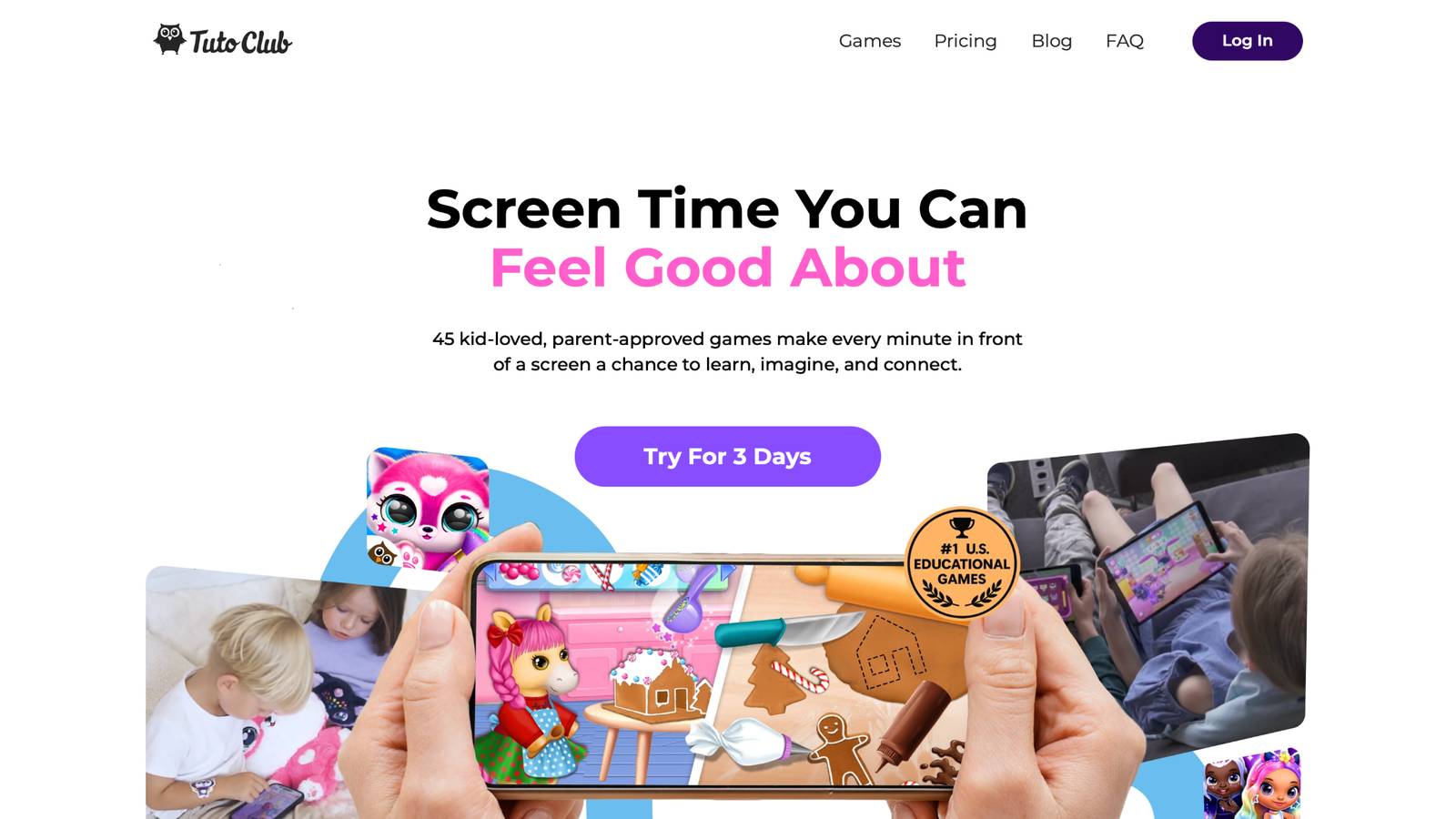
Tutoclub is a subscription that unlocks a curated set of more than 45 TutoTOONS games for young children. The design goal is simple: screen time that feels like play and still builds skills parents care about.
Games in the collection lean on care, stories, decorating, music, and everyday routines. Titles such as Fluvsies, Smolsies, Giggle Babies, Floof, and Sweet Baby Girl Cleanup 5 give children roles. They feed a pet, tidy a room, comfort a baby, or create a look. Those roles practice kindness, focus, sequencing, and problem solving without a lecture. The same tone runs through fun educational games for kids and educational but fun games for kids.
Families get ad-free play, unlocked content, and use across multiple devices after they log in with one account. Many games can be used offline after download. A short trial lets parents see whether the tone fits their child before they keep a plan. Common account questions sit on the TutoClub FAQ.
This model fits what research says about effective play. The child stays active. The stories are meaningful. The tasks invite another try. The setting stays calm enough for joy. Parents can sit beside the child and talk about what is happening, which adds the social piece play needs.
TutoClub Overview
TutoClub is your gateway to a magical world of educational games designed especially for children.
As part of TutoTOONS, a leading kids' games studio, we offer premium access to over 45 ad-free games.
Our mission is to blend learning and play, helping kids explore, create, and grow in a safe online space.
Thousands of parents trust us for family-friendly content that sparks imagination and builds essential skills.
Key Features
- Unlimited Access: Unlock full content in all games with no interruptions.
- Ad-Free Experience: Enjoy seamless play without any ads or distractions.
- Skill Development: Games foster creativity, social skills, communication, and more through fun activities like pet care and cleanup challenges.
- Regular Updates: Get new releases, exclusive content, and future updates automatically.
- Easy Subscription: Cancel anytime with no obligations, simple and flexible for families.
Explore Our World
TutoClub provides a rich ecosystem of educational games for kids, featuring ad-free experiences that promote creativity, focus, and emotional growth through play.
This platform turns screen time into valuable learning opportunities, with parent-approved content that builds essential skills and sparks curiosity in young minds.
- TutoClub Games: Over 45 educational games, including popular titles like Fluvsies, Smolsies, and the Sweet Baby Girl series
- Blog: Insights, tips, and stories for families on kids' learning and play
- FAQ: Comprehensive answers to frequently asked questions about subscriptions, features, and more
Get TutoClub on Your Device
TutoClub delivers premium kids educational games directly to your mobile devices, making learning accessible anytime, anywhere.
With apps available on major platforms, families can easily download and subscribe for ad-free play that turns screen time into skill-building adventures.
Perfect for parents seeking safe, engaging content on iOS, Android, or Amazon devices.
Why Choose TutoClub?
We're committed to 100% safe, enriching entertainment that kids love and parents approve. Join the thousands who've seen their children thrive through playful learning.
Ready to start the adventure?
Start playful learning with Tutoclub games made for growing minds!
How to Use Play at Home This Week
You do not need a new curriculum. You need a few habits.
- Protect a daily block of child-led play, even if it is short.
- Pick one skill to notice, not ten. Today it might be sharing. Tomorrow it might be counting.
- Put open-ended toys where kids can reach them.
- Join for a few minutes, then leave the child in charge.
- After digital play, ask one question: “What did you try when it got hard?”
- Pair movement with quiet play so bodies and brains both get a turn.
- Repeat favorite games. Iteration is part of how play teaches.
Small, steady play beats rare, perfect play. Children learn from the hundredth time they line up cars or feed a pretend baby. Short bursts with games for young kids and fun games that are educational for kids work well when the child can repeat a favorite role.
Common Mistakes That Weaken Play
Play loses power when adults treat it as leftover time. One common mistake is filling every minute with instruction. Children then wait for the next command instead of inventing ideas. Another is buying only toys or apps that do one correct thing. Open materials and open stories give more thinking. Open-ended online educational games for kids leave more room to invent than a one-answer tap.
A third is judging play by how quiet it looks. Good play can be loud, messy, and unfinished. The learning sits in the trying. A fourth is using screens as a shut-off valve with no shared talk. A few minutes of parent comments can turn the same game into richer language practice. Calm educational websites for kids still work better when an adult names what the child is doing.
Play Across Ages
Toddlers learn through dumping, filling, chasing, and simple pretend. Short bursts and lots of movement fit this age. That is why educational games for toddlers, games for toddlers, apps for toddlers, and educational games for 2 year olds stay short and physical.
Preschoolers thrive on roles, rules they invent, and stories that last longer. This is a strong window for guided play with letters, shapes, feelings, and numbers. Many families use apps for preschoolers and educational games for kids age 3 in that window.
Early elementary children still need play. Games with rules, building projects, and pretend worlds help them practice planning and teamwork while school work grows more formal. Educational games for 6 year olds and educational games for 7 year olds can support that next step.
The method stays the same: keep the child active, keep the goal meaningful, and keep joy in the room.
FAQ
What is learning through play in simple words?
Learning through play means children gain skills while they do activities they enjoy and partly control. They count while they share toys, practice words while they run a pretend shop, and build focus while they finish a puzzle. The play is the lesson, not a break from the lesson. Joy, meaning, active thinking, another try, and talk with others are what make this kind of play stick. That same mix shows up in many kids games educational activities that hide practice inside a story or role.
Is guided play better than free play?
Both help, and they help in different ways. Free play is child-led and grows imagination, social skill, and a sense of control. Guided play keeps the child in charge while an adult sets a gentle goal, such as noticing shapes, feelings, or numbers. Many studies find guided play can support early math, language, and thinking as well as direct lessons, while free play keeps curiosity and social ease strong. The strongest home mix uses both, which is also how many games for kids educational sessions work when a child still leads.
Can apps count as learning through play?
Yes, when the child stays active, the content feels meaningful, and the design stays calm. Care games, story games, and gentle puzzles can support language, empathy, memory, and early school skills. Ads, pop-ups, and constant rewards pull attention away from thinking, so the play quality drops. Shared talk beside the screen, then the same theme with toys or books, keeps digital time closer to real play. That is the idea behind many learning apps for kids built around everyday roles instead of frantic tapping.
How much adult help should I give during play?
Start by watching. Add a short question or one new material only when the play stalls or when you want to highlight a single idea. If the child stops leading, you have taken over, so step back and let them try again. Helpful adults name feelings, notice effort, and keep the goal visible without turning play into a script. The same light touch works with educational games for kids 4 years old online, where the child should still choose the next move.
Does play still matter after preschool?
Yes. Play keeps building self-control, creativity, language, and social skill in the early grades, when school work grows more formal. Children who only drill facts may look fast at first, while children who also play often understand ideas more deeply and handle new problems with more ease. Games with rules, building projects, and pretend worlds still train planning and teamwork. That is why learning apps for kids 8 years old can still support play after preschool, as long as the child stays active and the goal stays meaningful.
Read Also:
- How Learning Games Build School Skills
- Best Learning Through Play In 2026
- Best Problem Solving Games For Kids In 2026
- Best Kids Educational Games For 5 Year Old In 2026
- Best Safe Kids Games In 2026
Give your child playful learning that feels safe, joyful, and useful every day!